
Kilimanjaro Altitude Sickness Guide
Learn about altitude sickness, common symptoms, prevention tips, and how to stay safe during your Mount Kilimanjaro trekking adventure.
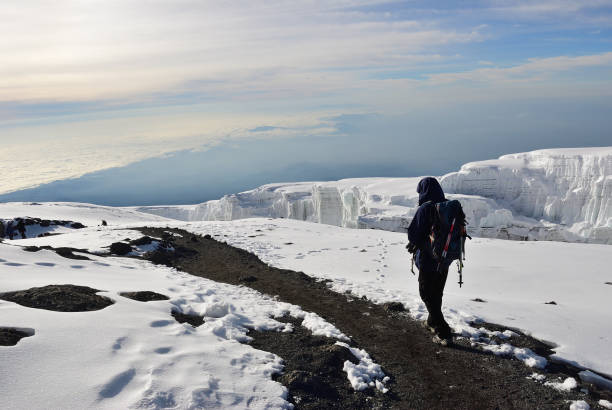
What Is Altitude Sickness?
Altitude Sickness
Altitude sickness occurs when the body struggles to adapt to high altitudes where oxygen levels are lower than at sea level. During a climb of Mount Kilimanjaro, some trekkers may experience mild symptoms as the body adjusts to changing altitude conditions. This is a common experience during mountain climbing and can affect travelers differently depending on altitude, pace, and acclimatization. Proper guidance, hydration, rest, and gradual climbing help reduce the risk and support a safer trekking experience.
Common Symptoms
Headache
A common early sign caused by reduced oxygen levels at high altitude.
Dizziness
Feeling lightheaded or unsteady as your body adjusts to thinner air.
Shortness of breath
Difficulty breathing normally due to reduced oxygen availability at higher elevations on Mount Kilimanjaro.
Loss of appetite
Reduced desire to eat, often caused by changes in altitude and body adjustment.

How To Prevent Altitude Sickness
Climb Slowly
Allow your body enough time to adjust to altitude changes.
Stay Hydrated
Drink enough water throughout the trek.
Choose Longer Routes
Longer routes improve acclimatization success.
Get Enough Rest
Proper rest helps your body recover and adapt.
Eat Properly
Maintain energy with nutritious meals.
Follow Your Guide
Experienced guides monitor your condition during the climb.
KIilimanjaro Acclimatization
Kilimanjaro acclimatization is the process of allowing your body to gradually adjust to higher altitudes and lower oxygen levels while climbing Mount Kilimanjaro. Proper acclimatization helps reduce the risk of altitude sickness, improves comfort during the trek, and increases the chances of reaching the summit successfully.
Importance of Acclimatization
Acclimatization is essential for a safe and successful climb on Mount Kilimanjaro. It allows the body to gradually adjust to higher altitudes and lower oxygen levels during the trek. Proper acclimatization helps reduce the risk of altitude sickness, improves comfort and energy levels, and increases the chances of reaching the summit safely and successfully.
When Should You Descend?
Descending is necessary when a climber experiences severe altitude sickness symptoms that may become dangerous at higher elevations on Mount Kilimanjaro. Safety always comes first, and experienced mountain guides are trained to monitor climbers closely throughout the trek. In case of serious symptoms, guides follow professional emergency procedures and make quick decisions to ensure the climber’s safety and well-being.
Your Safety Is Our Priority
Frequently
Asked Questions
Yes, mild symptoms are common due to high altitude.
Yes, with preparation and proper guidance.
Guides monitor health and pace throughout the trek.
Longer routes like Lemosho and Northern Circuit.
Good acclimatization and hydration reduce risks greatly.
Ready To Climb Kilimanjaro Safely?
Start your unforgettable trekking adventure with expert guidance and professional support from Nabaki Safaris & Tours