
Learn how to plan the perfect Kilimanjaro climb with expert tips on routes, training, packing, acclimatization, costs, and safety for a successful Tanzania adventure.
Quick Summary
The How to Plan the Perfect Kilimanjaro Climb guide helps travelers prepare for one of the most iconic trekking experiences in the world. Located in Tanzania, Mount Kilimanjaro is Africa’s highest mountain and attracts thousands of climbers every year. Planning correctly is essential for safety, comfort, and summit success.
This guide explains everything from route selection, fitness preparation, packing strategies, altitude awareness, budgeting, and choosing the right tour operator. Companies like Nabak Safaris and Tours provide expert-guided expeditions that make the How to Plan the Perfect Kilimanjaro Climb process easier and more successful.
Introduction
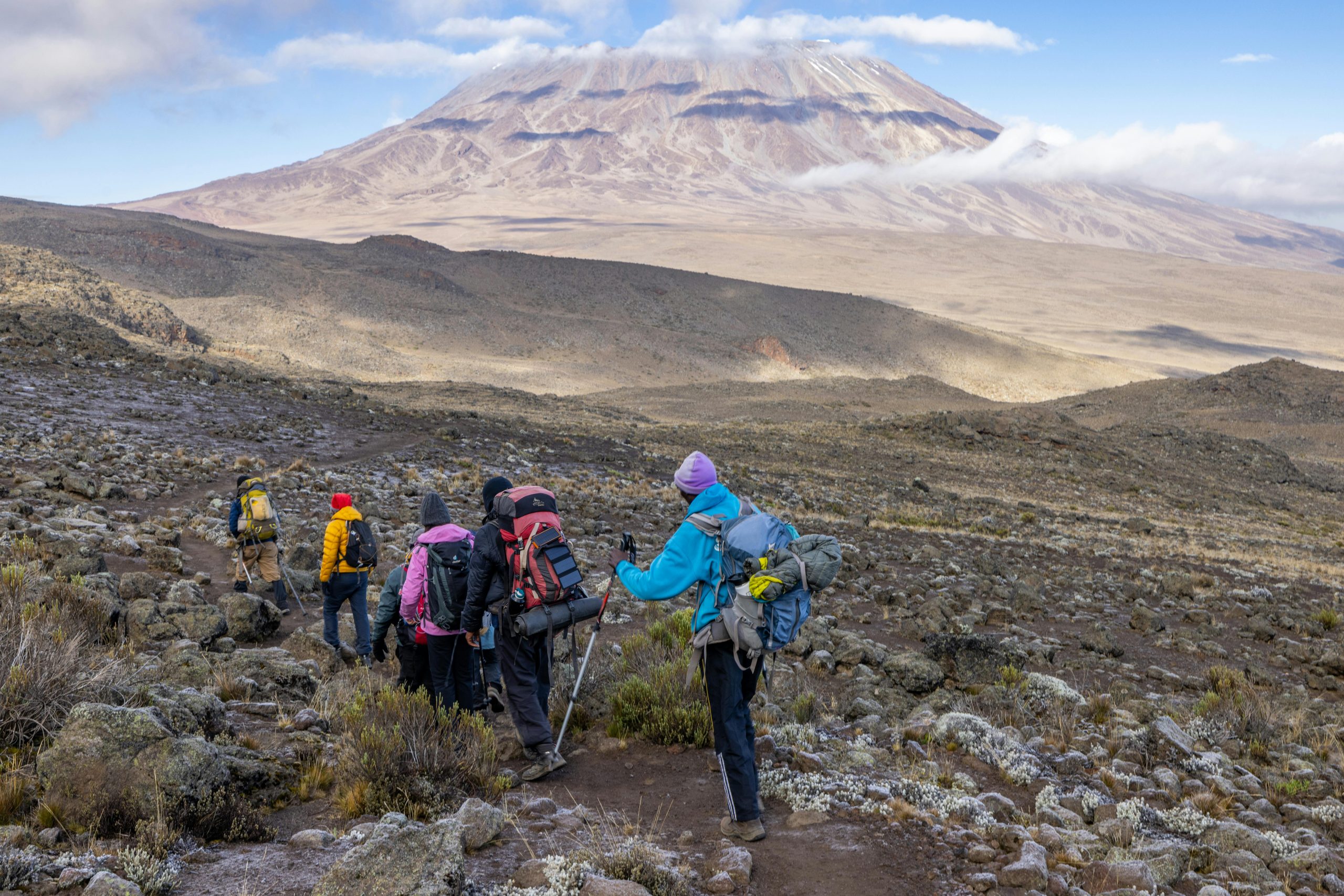
Planning a successful trek to Africa’s highest peak requires more than excitement—it requires strategy, preparation, and knowledge. The How to Plan the Perfect Kilimanjaro Climb guide is designed to help travelers understand every step needed before starting the journey.
Mount Kilimanjaro stands at 5,895 meters and is one of the world’s most famous trekking destinations. Unlike technical mountains that require ropes and climbing gear, Kilimanjaro is a trekking peak. However, its high altitude makes preparation extremely important.
One of the biggest reasons travelers search for How to Plan the Perfect Kilimanjaro Climb is altitude. As climbers ascend, oxygen levels decrease significantly, making proper acclimatization critical. Without preparation, even fit hikers can struggle.
Another reason planning matters is weather variation. Kilimanjaro includes five ecological zones, from rainforest to arctic summit conditions. Each zone requires different clothing, pacing, and mental readiness.
This guide also emphasizes the importance of choosing the right tour operator. Professional companies such as Nabak Safaris and Tours ensure safety, proper acclimatization schedules, trained guides, and high summit success rates.
Step 1: Understand the Mountain Before You Climb
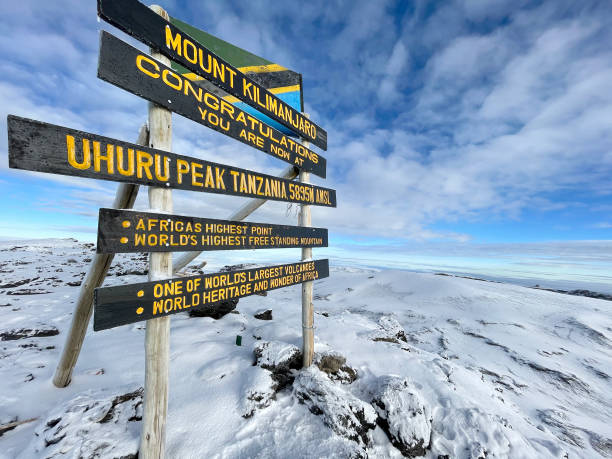
A major part of How to Plan the Perfect Kilimanjaro Climb is understanding the mountain itself.
Key Facts About Kilimanjaro
- Located in Tanzania
- Highest peak in Africa
- Free-standing volcanic mountain
- Summit: Uhuru Peak
- Multiple trekking routes available
Understanding these facts helps travelers set realistic expectations before the climb.
Step 2: Choose the Right Route
Route selection is one of the most important decisions in How to Plan the Perfect Kilimanjaro Climb.
Popular Routes Overview
Machame Route
- Scenic and popular
- Moderate difficulty
- Good acclimatization
Lemosho Route
- Best scenery
- Higher success rate
- Longer duration
Marangu Route
- Hut accommodation
- Shorter climb
- Less scenic
Northern Circuit
- Longest route
- Best acclimatization
- Highest success rate
Route Comparison Table
| Route | Duration | Success Rate | Difficulty | Scenic Value |
|---|---|---|---|---|
| Machame | 6–7 days | High | Medium | Very High |
| Lemosho | 7–8 days | Very High | Medium | Excellent |
| Marangu | 5–6 days | Medium | Medium | Moderate |
| Northern Circuit | 8–9 days | Highest | Medium | Outstanding |
Choosing the right route improves summit success significantly.
Step 3: Physical Preparation
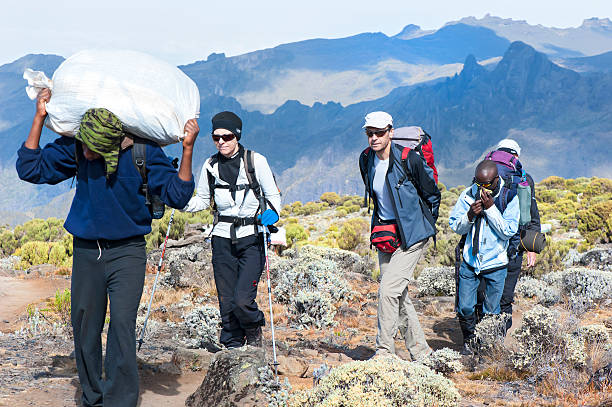
Fitness is a key part of How to Plan the Perfect Kilimanjaro Climb.
Recommended Training Plan
- Hiking practice with elevation
- Cardiovascular training
- Stair climbing
- Long walking sessions
- Core strength exercises
You do not need to be an athlete, but endurance is important.
Step 4: Understand Altitude Challenges
Altitude is the biggest difficulty in How to Plan the Perfect Kilimanjaro Climb.
Common Symptoms
- Headaches
- Fatigue
- Nausea
- Dizziness
Prevention Methods
- Walk slowly (“pole pole”)
- Drink 3–4 liters of water daily
- Sleep well
- Choose longer routes
- Avoid alcohol
Proper acclimatization increases success rates significantly.
Step 5: Best Time to Climb
Timing is critical in How to Plan the Perfect Kilimanjaro Climb.
Best Seasons
- January to March
- June to October
Why These Months Are Best
- Clear skies
- Dry trails
- Better visibility
- Safer trekking conditions
Step 6: Packing Strategy
Packing correctly is essential in How to Plan the Perfect Kilimanjaro Climb.
Essential Gear List
- Waterproof jacket
- Warm layers
- Hiking boots
- Gloves and hat
- Sleeping bag (-10°C to -20°C)
- Trekking poles
- Headlamp
- Sunglasses
Layering is the key to comfort.
Step 7: Choose a Reliable Operator
One of the most important parts of How to Plan the Perfect Kilimanjaro Climb is selecting a professional company.
Why It Matters
- Safety monitoring
- Proper acclimatization plans
- Emergency support
- Quality camping equipment
Nabak Safaris and Tours provides fully guided Kilimanjaro expeditions with experienced mountain teams.
Customer Experience
“Learning how to plan the perfect Kilimanjaro climb made a huge difference. Nabak Safaris and Tours handled everything professionally, and the climb was safe, well-paced, and unforgettable.” – James K., UK
FAQs
What is the best way to plan Kilimanjaro climb?
Choose the right route, prepare physically, and use experienced guides.
How long does it take to climb Kilimanjaro?
Between 5 to 9 days depending on route.
Do I need training?
Yes, basic fitness training is recommended.
What is the biggest challenge?
Altitude sickness is the main challenge.
Can beginners climb Kilimanjaro?
Yes, with proper preparation and guidance.
Conclusion (Section Preview)
Planning is the foundation of a successful climb. Understanding routes, altitude, fitness, and timing is essential for anyone learning How to Plan the Perfect Kilimanjaro Climb.
With expert support from Nabak Safaris and Tours, travelers can turn preparation into a safe and unforgettable African adventure.