
Kilimanjaro Packing List
Everything you should know about gear for climbing the highest mountain in Africa
Although Mount Kilimanjaro is often regarded as one of the more accessible mountains among the Seven Summits, reaching its highest point still requires proper preparation, physical endurance, and respect for the mountain’s challenges.
Choosing the right equipment is an essential part of preparing for your Kilimanjaro adventure. Having suitable clothing, reliable footwear, and the necessary trekking supplies can make a significant difference to your comfort, safety, and overall climbing experience.
With so many packing lists and travel tips available online, it can be difficult to understand which items are essential and which ones you can leave behind. This guide provides practical advice to help you prepare, whether you are climbing Kilimanjaro for the first time or have previous mountain trekking experience.
We have organized the recommendations into useful categories to make packing easier and more convenient. Essential equipment should be prioritized, while additional items that mainly improve comfort are identified as optional.
Get PDF Kilimanjaro Packing List
Free Kilimanjaro Packing List: Essential Gear and Expert Tips from Nabaki Safaris
Useful Tips for Packing Your Kilimanjaro Clothing and Gear | Nabaki Safaris
Affordable Kilimanjaro Gear Rental and Smart Packing Tips
You don’t need to bring all your climbing equipment from home when preparing for your Kilimanjaro adventure with Nabaki Safaris. You can rent essential gear upon arrival in Tanzania, helping you save luggage space and reduce your travel expenses. Renting is a practical option for first-time climbers who may not want to invest in expensive equipment for a single trip.
When choosing your climbing gear, avoid buying the cheapest items simply to save money. You don’t have to spend a fortune on premium brands, but your clothing, footwear, and equipment should be durable, comfortable, and suitable for Kilimanjaro’s changing weather conditions. Quality gear helps keep you warm, dry, and safe throughout your trek.
Clothing for Kilimanjaro
Mount Kilimanjaro takes you through several climate zones, from the warm, humid rainforest to the cold, windy summit. Lower slopes are often warm during the day, while temperatures at higher elevations can fall below freezing, especially at night. Snow, strong winds, and frost are possible near the summit.
Proper preparation is essential. With Nabaki Safaris, choose suitable layered clothing, waterproof outerwear, warm gloves, a thermal hat, and sturdy hiking boots to help you stay comfortable and protected throughout your climb.
Jackets
Fleece jacket as an insulation layer
Fleece jackets can be worn as a separate piece of clothing or over a trekking shirt. They are great to have at night when you are in the camp. A fleece jacket is a must have – you will be using it on most of your Kilimanjaro days.
Polartec-200 fabric is recommended over all others for Kilimanjaro expeditions. The best brands of fleece jackets are: The North Face, Red Fox, Mountain Hardwear, and Patagonia. Hooded fleece jackets are better, as they provide extra warmth and comfort. We recommend taking 2-3 pieces for your trip.
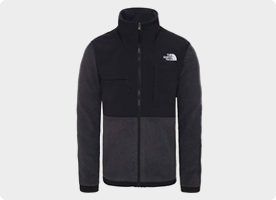
Recommended Fleece Jacket Brands for Your Kilimanjaro Climb
Trousers
Trekking pants
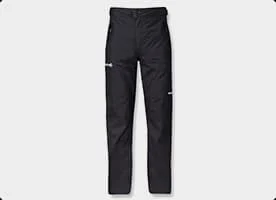
Trekking pants of good quality are usually enough for a Kilimanjaro expedition. If you prefer hiking in shorts, taking a pair of trousers is nevertheless needed for the higher elevation parts of Kilimanjaro and chilly evenings in the camps.
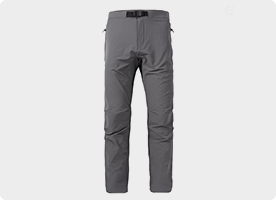
Membrane pants of rain pants
Waterproof membrane pants are an important part of your Kilimanjaro packing list, especially during the rainy season. Worn over your trekking pants, they provide an extra layer of protection against rain, strong winds, and cold weather, helping you stay dry and comfortable throughout your climb with Nabaki Safaris.
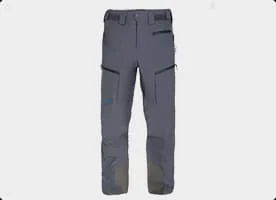
Warm trousers or ski pants
Warm trekking trousers or ski pants are essential for your Kilimanjaro climb, especially during the summit attempt and cold nights at higher camps. Choose insulated, water-resistant pants with a fleece lining and windproof outer layer to keep you warm, dry, and comfortable in temperatures below -15°C (5°F).
Hiking underwear and shirts
For your Kilimanjaro adventure with Nabaki Safaris, pack 5–6 pairs of underwear and 2–3 sets of thermal base layers to stay warm and comfortable, especially during summit night.
Choose lightweight synthetic layers for regular trekking and warmer merino wool for colder conditions. Bring 3–4 short-sleeved shirts and 2 long-sleeved shirts made from breathable, quick-drying fabrics such as polyester or nylon. Avoid cotton because it retains moisture and dries slowly.
Bags & Backpacks for hiking
High-quality bags are necessary for your Kilimanjaro trip. In short, you will need two types of bags: a daypack that you’ll be carrying yourself and a duffle bag that will be taken care of by a porter.
Daypack
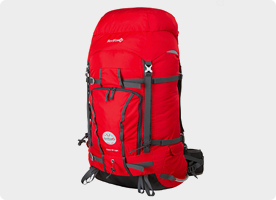
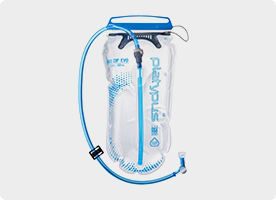
A lightweight, comfortable daypack is essential for your Kilimanjaro climb with Nabaki Safaris. Choose one with a rain cover, side pockets, padded shoulder straps, and a hip belt to distribute weight comfortably.
A hydration bladder is also useful for easy access to water while trekking.
Duffle bag
A lightweight, comfortable daypack is essential for your Kilimanjaro climb with Nabaki Safaris. Choose one with a rain cover, side pockets, padded shoulder straps, and a hip belt to distribute weight comfortably.
A hydration bladder is also useful for easy access to water while trekking.
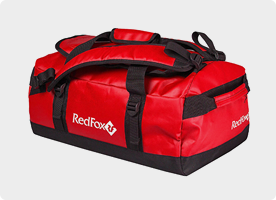
Along with a duffle bag we recommend taking several large dry bags and packing your gear inside separately. This approach will provide extra protection and will keep all your gear dry in case of heavy rains.
Duffle bag
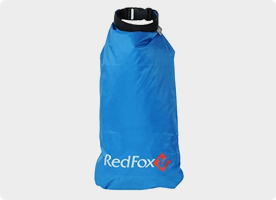
Since rains are not rare on Kilimanjaro, taking a dry bag is a good idea. Putting it inside your duffle bag or backpack can help you keep all your Kilimanjaro gear dry and fit for use. If you decide to take one, make sure that it is large enough to fit a sleeping bag and all other gear
Water flask
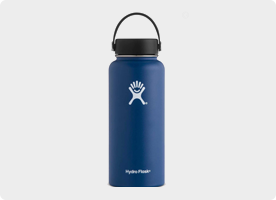
A water flask is essential for your Kilimanjaro climb with Nabaki Safaris. Bring 1–2 reusable water bottles of about one liter each and aim to drink 3–4 liters daily, following your guide’s advice. Insulated bottles can help prevent water from freezing in colder conditions.
A thermos for hot tea or coffee is also useful for keeping warm and comfortable during your trek.
Hiking boots
Choosing appropriate hiking boots is probably of utmost importance. There are many options on the market, and sometimes it’s hard to find the right one
Footwear
Hiking boots
Choosing appropriate hiking boots is probably of utmost importance. There are many options on the market, and sometimes it’s hard to find the right one
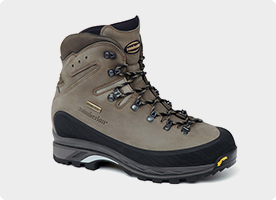
Choose sturdy, waterproof hiking boots with good ankle support and a comfortable, medium-weight design. Brands such as La Sportiva, Zamberlan, Salomon, Scarpa, Asolo, and The North Face offer suitable options.
Break in your boots before the climb by wearing them on at least two long hikes to prevent blisters and discomfort. Wear quality trekking socks for added comfort.
If you prefer not to buy new boots, our Kilimanjaro equipment rental shop offers boots for USD 45 per trip, helping you save money and luggage space.
Sneakers (Optional)
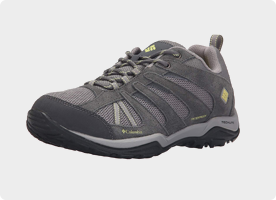
Lightweight trekking sneakers can be useful on easier trail sections and around campsites. After a long day of hiking, they provide a comfortable alternative to your boots when walking between your tent and dining area. However, always bring proper hiking boots for steep, rocky, and challenging sections of Kilimanjaro.
Trekking socks
Trekking socks are a must on hikes like this. Do not pack cotton socks, as they will retain sweat and give you blisters.
In contrast, woolen socks are a good option for Kilimanjaro – they will ensure fast and effective. wicking. A brand to choose is Bridgedale.
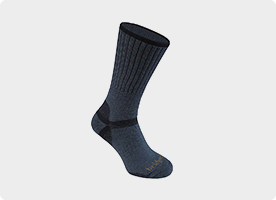
Thermal socks (Optional)
Thermal socks are optional, but highly recommended, especially for climbs during the summer months. There are a lot of brands available on the market. The ones with flat seams, not made of cotton, will suit perfectly! Wool is a great alternative.
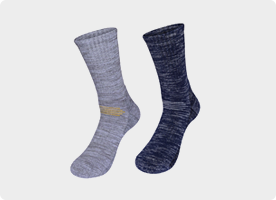
Gaiters
The use of gaiters on Kilimanjaro is not mandatory, but during the rainy season they are absolutely indispensable to prevent mud, snow or pebbles from getting inside the boots.
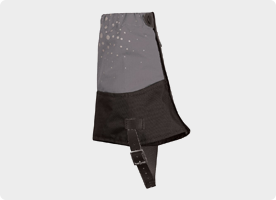
Gaiters help keep dirt, dust, and small stones out of your boots while protecting your trekking trousers from sharp rocks and rough terrain. They are a useful addition to your Kilimanjaro packing list, helping keep your clothing clean and comfortable throughout the climb.
Headgear
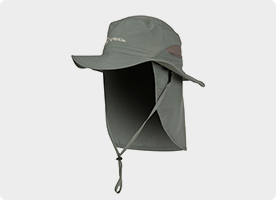
Sun hat
A sun hat is a must have on your packing list. Ideally, it should also have a neck cover. This headgear will protect your face from sunburns and overheating.
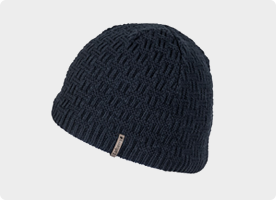
Beanie
A warm beanie is essential for your Kilimanjaro climb. As you gain altitude, temperatures drop significantly, especially near the summit. Choose an insulated hat that covers your ears and helps protect you from cold winds and freezing conditions.
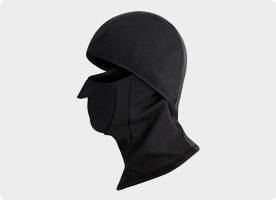
Balaclava
A warm balaclava is useful for hikers who are sensitive to cold. It helps protect your face, nose, cheeks, and forehead from freezing temperatures and strong winds during the summit climb. Choose a wool or thermal balaclava for extra warmth and comfort.
Sunglasses
Choose high-quality sunglasses with 100% UVA and UVB protection to protect your eyes from harmful sunlight. UV exposure increases with altitude, making proper eye protection essential on Kilimanjaro, especially near the summit where sunlight reflects off snow and ice.
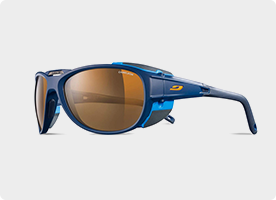
Best Sunglasses for Kilimanjaro
Snow and ice near the summit reflect sunlight, increasing the risk of snow blindness, even on cloudy days. Choose quality mountaineering sunglasses with 100% UVA/UVB protection and Category 3 or 4 lenses for high-altitude conditions.
Julbo Explorer and Oakley offer options suitable for outdoor adventures. If you don’t own suitable sunglasses, check with our Kilimanjaro equipment rental shop for available options.
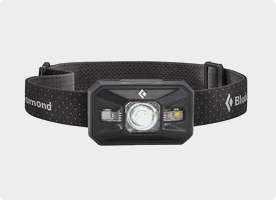
Headlamp
A headlamp is essential for navigating camps after dark and lighting your way during the midnight summit climb to Uhuru Peak.
Choose a lightweight model weighing under 120 g, with 300–400 lumens or more and a beam distance of at least 40–50 metres. Carry spare batteries and check the expected battery life before your climb. A reliable headlamp will help you navigate safely in low-light conditions throughout your Kilimanjaro adventure.
Trekking poles
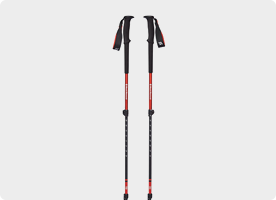
Trekking poles are highly recommended for climbing Mount Kilimanjaro. They improve balance on rocky trails, reduce strain on your knees and joints, and provide extra support during long hiking days and the summit climb.
Choose durable, lightweight poles with adjustable height and comfortable cork or foam grips. Aluminium poles are a reliable option for mountain trekking. Black Diamond offers a range of trekking poles suitable for outdoor adventures.
Using trekking poles can make your Kilimanjaro climb more comfortable and help you manage challenging terrain with greater stability.
Lightweight gloves
Mittens
Sleeping bag for Kilimanjaro
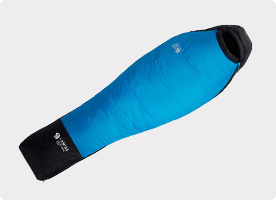
A warm sleeping bag is essential for every Kilimanjaro route, including Marangu, where mountain huts are not heated. Nighttime temperatures at higher camps can drop significantly, so choose a sleeping bag with a comfort rating of around -10°C (14°F) or lower.
For extra warmth, select a sleeping bag with a hood and suitable insulation. Mountain Hardwear and The North Face offer options for cold-weather trekking.
If you prefer not to carry bulky equipment, you can rent a sleeping bag from our Kilimanjaro equipment rental shop, subject to availability.
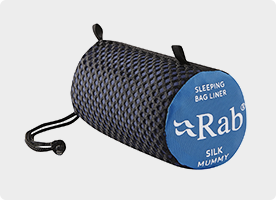
Sleeping bag liner
A sleeping bag liner will add extra warmth on the final days of your climb. Mummy-shaped liners are better than rectangular ones. Either a fleece or an insulated liner will be great for your Kilimanjaro hike.
A good liner can add from 3 to 8°C to your sleeping bag comfort level, which enables you to take your own sleeping bag if it does not match the -10°C comfort level requirement.
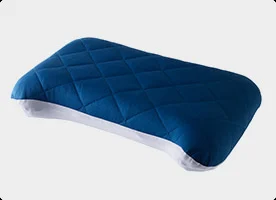
Inflatable pillow
A sleeping bag liner will add extra warmth on the final days of your climb. Mummy-shaped liners are better than rectangular ones. Either a fleece or an insulated liner will be great for your Kilimanjaro hike.
A good liner can add from 3 to 8°C to your sleeping bag comfort level, which enables you to take your own sleeping bag if it does not match the -10°C comfort level requirement.
Gadgets (Optional)
Camera
The scenery opening from Mt Kilimanjaro is truly spectacular! Taking great pictures is one of the main reasons people sign up for this trip. You may take a smartphone with a power bank or a Go-Pro camera with spare batteries to capture the most fantastic moments of your adventure.
Power banks
As said above, If you are taking any gadgets with you, taking a power bank is a must. There are no power outlets on Kilimanjaro and it is the only way to keep your smartphone, e-reader or other devices charged.
E-book
For those who like to read before going to sleep, it is a must-have item on the packing list.
Mp3 Player
This is what will make your Kilimanjaro adventure truly great, especially on the summit night. Your favorite songs will certainly keep up your spirits and make the moments on the top of Africa even more wonderful.
Kilimanjaro Gear: Buy or Rent?
Buying a complete Kilimanjaro gear kit can cost over USD 1,000, while renting essential equipment in Tanzania may cost around USD 250–300. If this is your first and only major climb, renting can save money.
If you plan to climb other mountains, buying quality gear may be a better investment. Remember that trekking equipment can weigh 15–17 kg, so consider renting bulky items such as sleeping bags, down jackets and trekking poles, especially if you plan to visit Zanzibar after your climb. Always check your airline’s baggage allowance before travelling.