
Discover the importance of responsible tourism in Tanzania with Nabaki Safaris & Tours. Learn how sustainable travel protects wildlife, supports local communities, and creates unforgettable safari experiences across Tanzania.
Quick Summary
Responsible tourism in Tanzania is transforming the safari industry by promoting environmental conservation, wildlife protection, and community empowerment. Travelers today seek ethical safari experiences that benefit local communities while preserving Tanzania’s natural beauty. Through sustainable safari practices, eco friendly lodges, cultural respect, and conservation programs, responsible tourism in Tanzania creates long term benefits for travelers, wildlife, and future generations. Nabaki Safaris & Tours helps visitors explore Tanzania responsibly through customized eco safari experiences designed to support conservation and authentic local tourism.
Introduction
Responsible tourism in Tanzania has become one of the most important topics in the African travel industry. As tourism continues growing across East Africa, travelers are increasingly aware of how their travel choices affect wildlife, local communities, ecosystems, and conservation projects. Tanzania remains one of Africa’s most respected safari destinations because of its strong commitment to sustainable tourism and environmental protection.
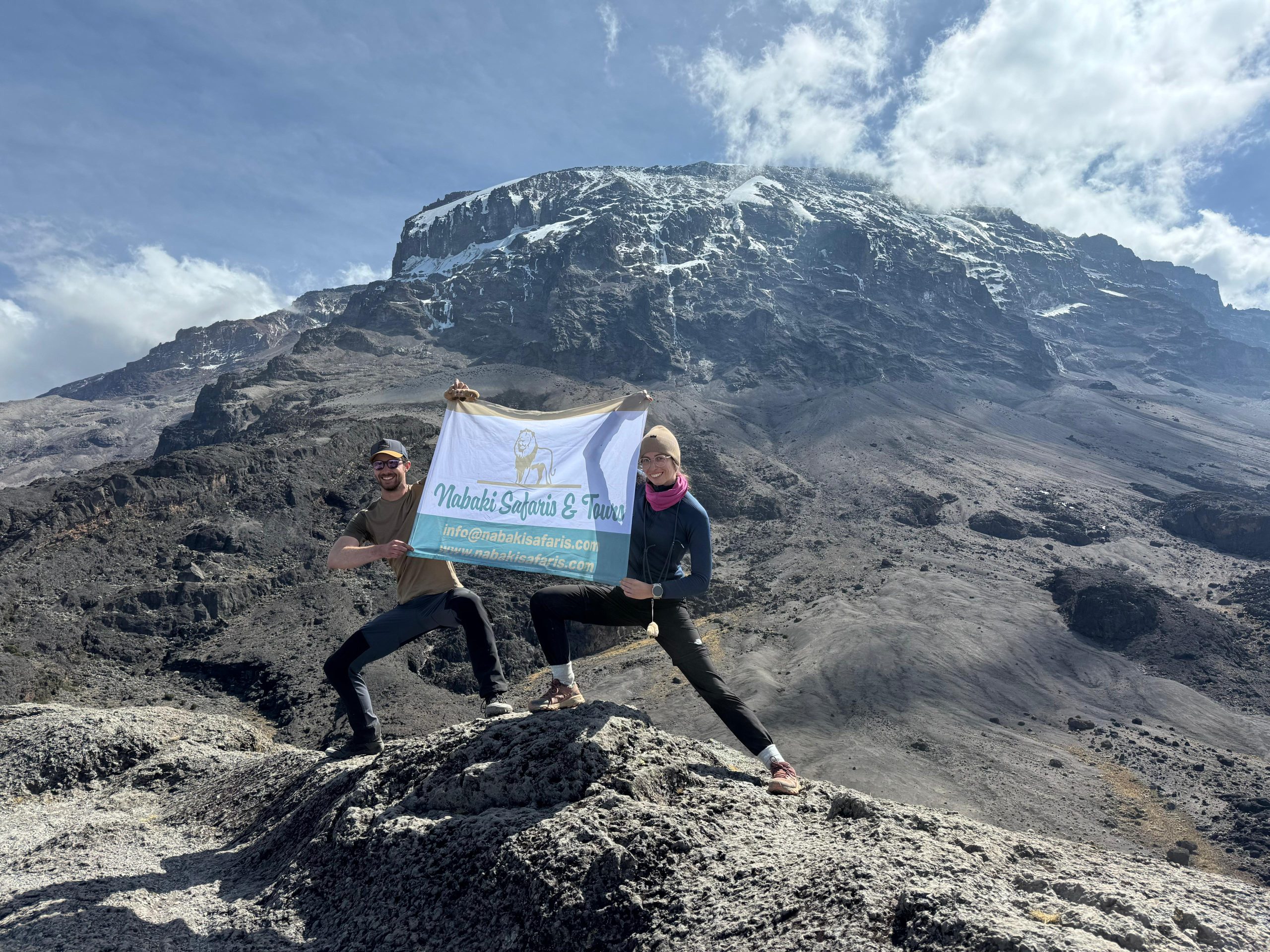
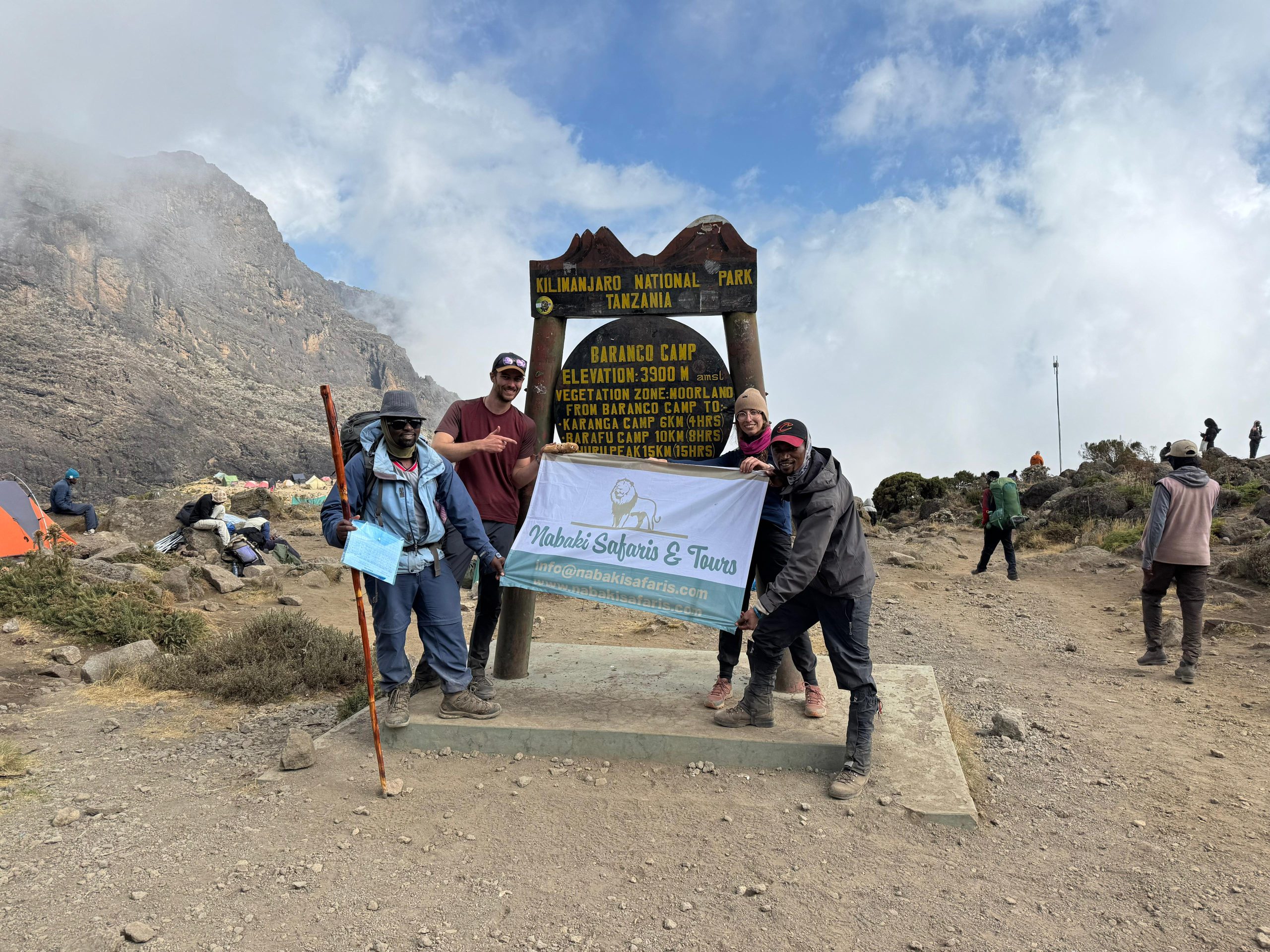
The country is home to world famous safari destinations such as Serengeti National Park, Ngorongoro Crater, Tarangire National Park, Ruaha National Park, and Mount Kilimanjaro. These natural attractions generate tourism revenue that supports wildlife conservation and economic development. However, without proper management, tourism can also create environmental pressure, habitat destruction, waste pollution, and cultural disruption. This is why responsible tourism in Tanzania is essential for protecting the country’s tourism future.
According to safari experts at Nabaki Safaris & Tours, modern travelers now prioritize sustainable safari experiences over mass tourism. Visitors want ethical travel opportunities that contribute positively to local communities while minimizing environmental impact. Responsible tourism allows travelers to experience Tanzania authentically while preserving the country’s wildlife and cultural heritage.
A responsible safari experience focuses on reducing negative impacts while maximizing positive contributions. This includes supporting local employment, respecting cultural traditions, reducing plastic waste, conserving wildlife habitats, and partnering with eco friendly safari lodges. Responsible tourism in Tanzania also encourages travelers to learn about conservation challenges facing endangered species such as elephants, rhinos, lions, and African wild dogs.
Many safari companies now adopt sustainability policies that include solar energy systems, water conservation programs, eco camps, community tourism partnerships, and anti poaching initiatives. Travelers choosing responsible tourism options directly contribute to conservation efforts and local economic development.
The future of Tanzania tourism depends heavily on sustainable travel practices. As climate change and global tourism pressures increase, the tourism industry must prioritize environmental responsibility. Responsible tourism in Tanzania helps preserve ecosystems while ensuring future generations can continue enjoying the country’s natural wonders.
Why Responsible Tourism in Tanzania Matters
1. Wildlife Conservation
Tourism revenue supports national parks, conservation programs, and anti poaching operations. Responsible safari tourism helps protect endangered wildlife populations and natural habitats.
2. Community Empowerment
Local communities benefit from tourism through employment opportunities, cultural tourism, handicraft businesses, and infrastructure development.
3. Environmental Protection
Eco friendly tourism practices reduce pollution, protect ecosystems, and encourage sustainable resource management across safari destinations.
4. Cultural Preservation
Responsible tourism encourages respectful interaction with local tribes and communities while protecting traditional customs and heritage.
Comparison Table
| Tourism Type | Traditional Tourism | Responsible Tourism in Tanzania |
|---|---|---|
| Environmental Impact | High | Low |
| Community Benefits | Limited | Strong Local Support |
| Wildlife Protection | Indirect | Active Conservation |
| Waste Management | Often Poor | Sustainable Practices |
| Tourist Experience | Standard | Authentic and Ethical |
| Long Term Sustainability | Weak | Strong |
Sustainable Safari Practices in Tanzania
Responsible tourism in Tanzania includes several sustainable travel practices designed to minimize environmental impact while improving local livelihoods.
Eco Friendly Safari Lodges
Many lodges now use solar power, eco construction materials, water recycling systems, and plastic free operations. These lodges reduce environmental damage while offering luxury safari experiences.
Supporting Local Communities
Travelers are encouraged to purchase local products, hire local guides, and participate in community tourism programs. This ensures tourism income benefits nearby villages and families.
Wildlife Protection Rules
Responsible safari operators follow strict wildlife viewing regulations. Vehicles maintain safe distances from animals to avoid stress and habitat disruption.
Plastic Waste Reduction
Tour operators increasingly discourage single use plastics by offering refillable water bottles and environmentally friendly safari services.
Benefits of Responsible Tourism for Travelers
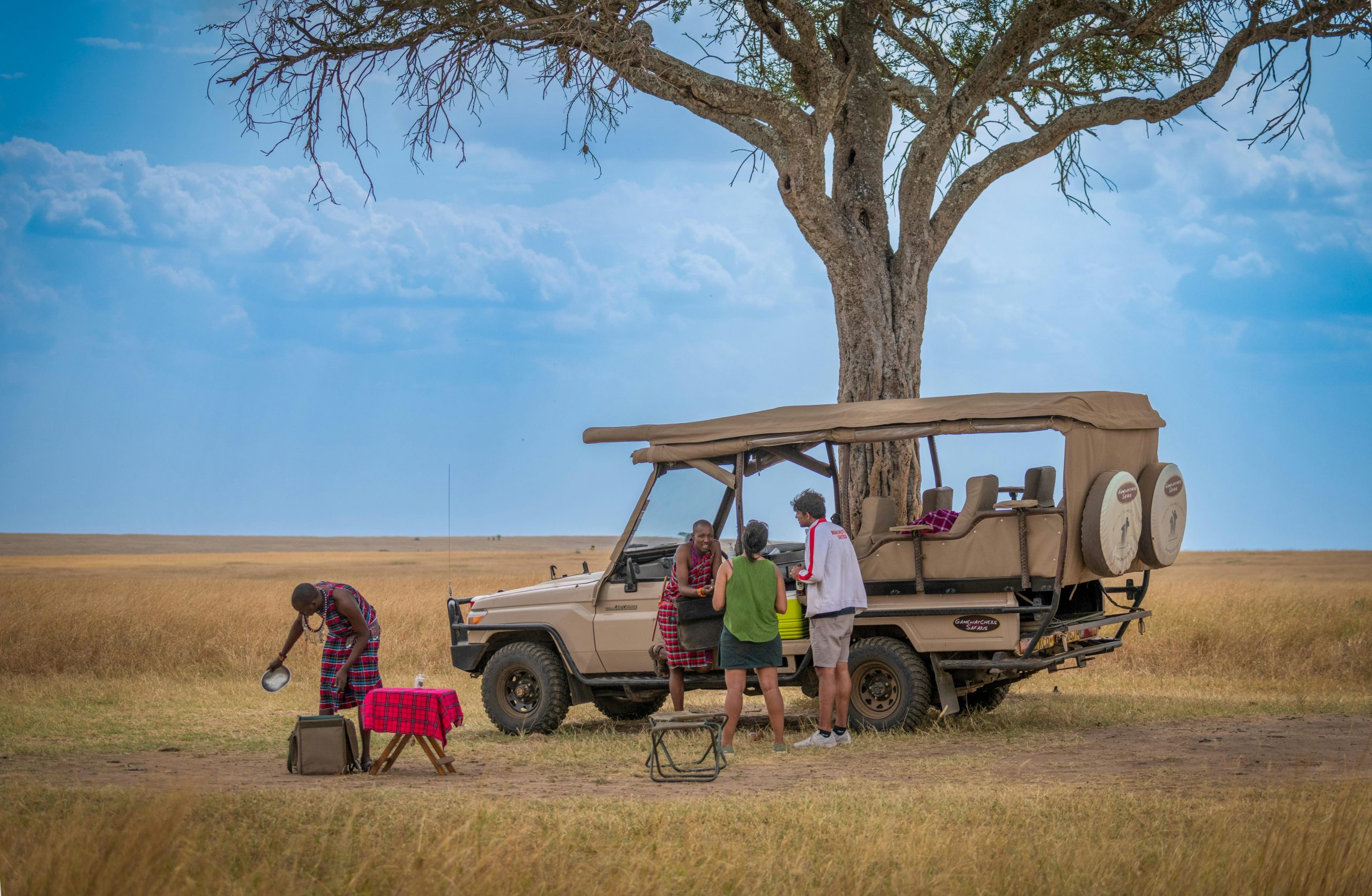
Travelers choosing responsible tourism in Tanzania often enjoy more meaningful safari experiences. Sustainable tourism creates deeper cultural interactions, better conservation awareness, and authentic wildlife encounters.
Responsible travelers also gain satisfaction knowing their safari contributes positively to conservation projects and local development. Many eco lodges provide educational programs that teach visitors about Tanzania’s biodiversity and sustainability efforts.
Another advantage is exclusivity. Eco tourism destinations often limit visitor numbers, creating quieter and less crowded safari experiences.
Customer Expert Tips
- Choose safari companies with sustainability policies.
- Avoid littering inside national parks.
- Respect local customs and cultural traditions.
- Support locally owned tourism businesses.
- Carry reusable water bottles during safari tours.
- Stay in eco friendly safari lodges whenever possible.
Bullet Point Benefits of Responsible Tourism
- Supports wildlife conservation
- Creates local employment opportunities
- Reduces environmental pollution
- Protects Tanzania ecosystems
- Encourages ethical travel experiences
- Promotes cultural understanding
- Supports sustainable safari operations
- Enhances authentic travel experiences
Frequently Asked Questions
What is responsible tourism in Tanzania?
Responsible tourism focuses on sustainable travel practices that protect wildlife, support communities, and reduce environmental impact.
Why is sustainable tourism important in Tanzania?
Tanzania depends heavily on wildlife tourism. Sustainable tourism protects ecosystems and ensures long term conservation success.
How can travelers support responsible tourism?
Travelers can choose eco friendly lodges, support local businesses, reduce waste, and book ethical safari operators.
Does responsible tourism improve safari experiences?
Yes. Responsible tourism often creates more authentic, peaceful, and educational safari experiences for travelers.
Why choose Nabaki Safaris & Tours?
The company promotes sustainable tourism, ethical safari experiences, professional guiding services, and customized Tanzania travel packages designed to support conservation and local communities.
Learn more about sustainable tourism through United Nations World Tourism Organization and explore Tanzania conservation initiatives at Tanzania National Parks Authority.