
Discover the best Tanzania walking safari experience with Nabaki Safaris & Tours. Explore authentic wildlife adventures, guided bush walks, eco tourism, and unforgettable safari experiences across Tanzania’s national parks.
Quick Summary
The best Tanzania walking safari experience offers travelers a deeper and more personal connection with African wilderness. Unlike traditional vehicle safaris, walking safaris allow visitors to explore nature on foot while guided by professional safari experts. Tanzania is one of Africa’s leading destinations for walking safaris because of its protected wilderness areas, incredible wildlife diversity, and experienced safari guides. From Serengeti National Park to Nyerere National Park and Ruaha National Park, walking safaris create unforgettable adventures filled with close wildlife encounters, cultural experiences, and authentic nature exploration. Nabaki Safaris & Tours provides customized Tanzania walking safari experiences designed for safety, adventure, and eco friendly travel.
Introduction
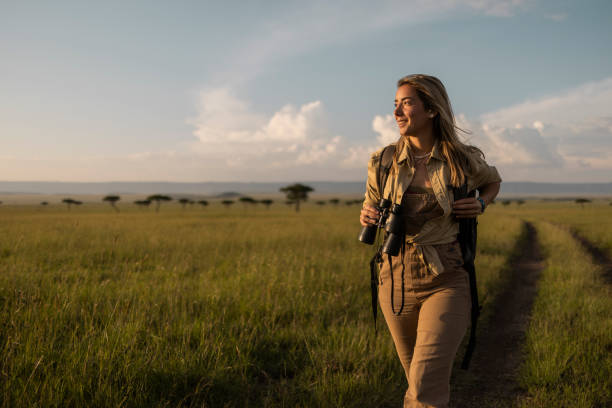
The best Tanzania walking safari experience gives travelers the opportunity to discover Africa in its purest and most natural form. While traditional safari vehicles remain popular across East Africa, walking safaris offer something far more immersive and adventurous. Exploring the wilderness on foot allows visitors to hear natural sounds, observe animal tracks, smell wild vegetation, and experience the African bush from a completely different perspective.
Tanzania is considered one of the top destinations for walking safaris because of its enormous protected ecosystems, experienced guides, and rich biodiversity. National parks such as Serengeti, Ruaha, Tarangire, and Nyerere provide ideal landscapes for guided bush walks and wildlife exploration. Travelers participating in a Tanzania walking safari experience often describe it as more emotional and authentic than standard game drives.
According to safari professionals at Nabaki Safaris & Tours, walking safaris are becoming increasingly popular among travelers seeking eco tourism, adventure travel, and meaningful wildlife experiences. Modern tourists no longer want only to watch wildlife from inside safari vehicles. They want direct interaction with nature, expert storytelling, and deeper understanding of ecosystems.
A Tanzania walking safari experience focuses not only on large animals but also on smaller details often missed during vehicle safaris. Guides teach travelers about animal footprints, bird calls, medicinal plants, insects, and environmental balance within the ecosystem. This educational aspect makes walking safaris ideal for photographers, conservation enthusiasts, students, and nature lovers.
Safety is one of the most important parts of any walking safari. Professional armed guides accompany travelers throughout the journey and provide instructions on animal behavior, movement, and wilderness awareness. Tanzania maintains strict safari regulations that ensure visitors enjoy secure and organized experiences inside protected areas.
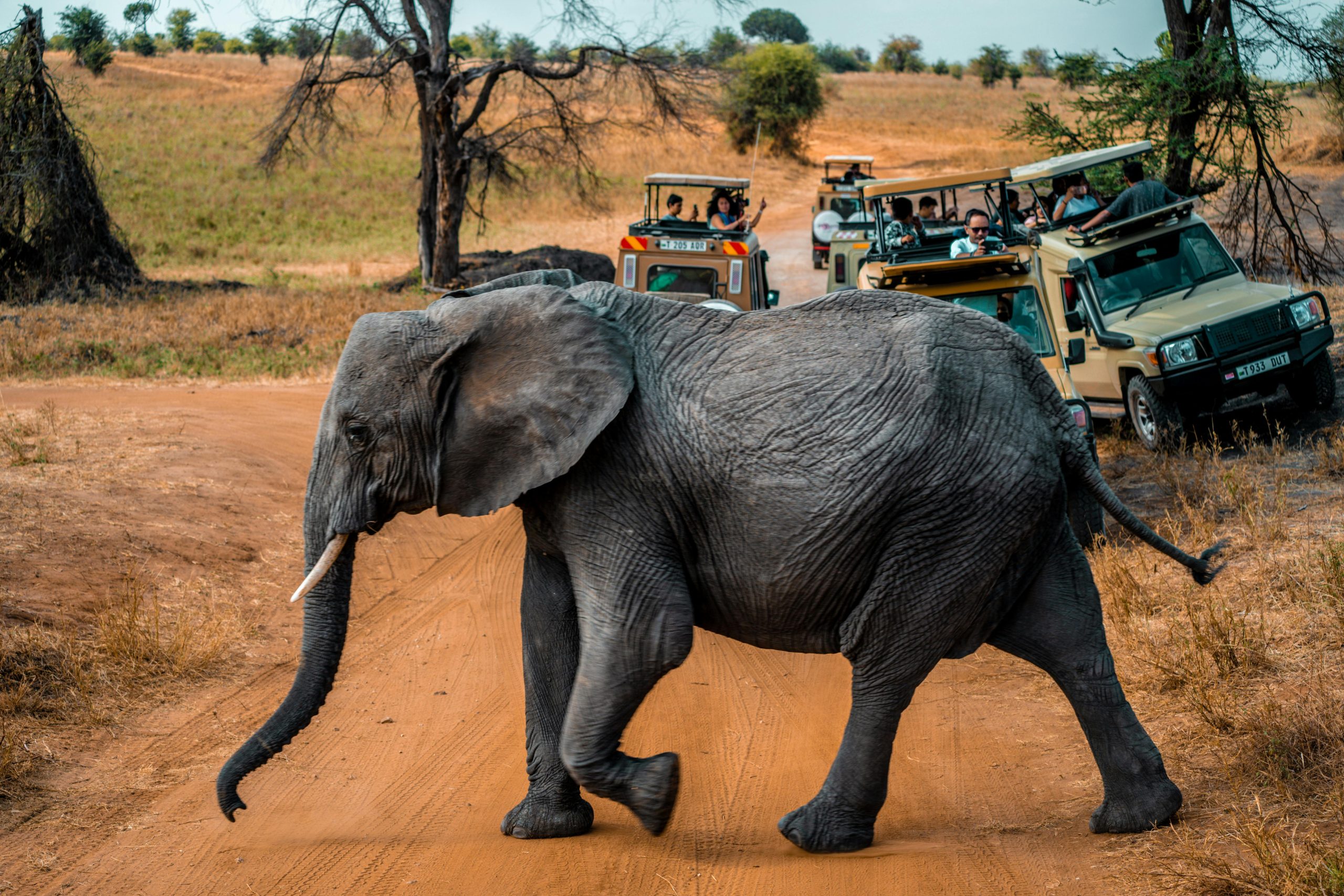
Another reason walking safaris are highly valued is the peaceful atmosphere they create. Without engine noise, travelers can fully connect with the environment and enjoy silent wildlife encounters. Walking through open savannahs while observing giraffes, zebras, antelopes, and elephants from a respectful distance creates unforgettable safari memories.
The best Tanzania walking safari experience also supports sustainable tourism. Walking safaris have lower environmental impact compared to mass tourism activities because they involve smaller groups and eco friendly exploration methods. Many safari camps promoting walking safaris also support conservation programs and local community initiatives.
Travelers choosing Tanzania for walking safaris benefit from incredible landscape diversity. From river systems and acacia woodlands to mountain regions and endless grasslands, the country offers exceptional terrain for wilderness exploration. Each region provides unique wildlife experiences and cultural interactions that make every safari special.
Why Travelers Choose Walking Safaris in Tanzania
1. Authentic Wilderness Experience
Walking safaris create stronger emotional connections with nature because travelers experience wildlife habitats directly on foot.
2. Educational Safari Adventures
Professional guides explain animal behavior, tracking techniques, bird species, plants, and ecosystem relationships during the safari.
3. Peaceful Wildlife Encounters
Without vehicle engines, travelers enjoy quieter and more natural wildlife observations.
4. Eco Friendly Tourism
Walking safaris support responsible tourism by minimizing environmental disturbance and promoting sustainable travel practices.
Comparison Table
| Safari Type | Traditional Game Drive | Tanzania Walking Safari Experience |
|---|---|---|
| Wildlife Perspective | Vehicle Based | Ground Level |
| Adventure Level | Moderate | High Adventure |
| Environmental Impact | Moderate | Low |
| Learning Experience | Basic | Deep Educational Experience |
| Group Size | Larger Groups | Smaller Personalized Groups |
| Nature Connection | Limited | Very Strong |
Best Places for Walking Safaris in Tanzania
Nyerere National Park
Previously part of Selous Game Reserve, this park is famous for river systems, elephants, hippos, and guided walking safaris.
Ruaha National Park
Ruaha offers remote wilderness experiences and excellent opportunities to observe predators and large elephant populations.
Serengeti National Park
Walking safaris in private conservation areas around Serengeti provide incredible migration experiences and scenic landscapes.
Tarangire National Park
Known for giant baobab trees and elephant herds, Tarangire offers excellent guided bush walks during dry seasons.
What Travelers Should Expect
A typical Tanzania walking safari experience begins early in the morning or late afternoon when temperatures are cooler and wildlife activity increases. Professional guides provide safety instructions before entering the wilderness.
Walking safaris usually involve small groups, allowing travelers to ask questions and enjoy personalized experiences. Guides explain animal tracks, bird species, insects, survival techniques, and conservation challenges throughout the journey.
Travelers may encounter giraffes, zebras, antelopes, elephants, buffaloes, monkeys, and many bird species during the walk. Predator sightings are possible but managed carefully by experienced guides.
Customer Expert Tips
- Wear neutral colored safari clothing.
- Carry comfortable walking shoes for rough terrain.
- Follow guide instructions carefully at all times.
- Bring binoculars for bird and wildlife observation.
- Avoid sudden movements near animals.
- Carry sunscreen and drinking water during walks.
Bullet Point Benefits of Walking Safaris
- Creates immersive wildlife experiences
- Encourages deeper environmental awareness
- Supports sustainable tourism practices
- Offers excellent photography opportunities
- Provides educational safari adventures
- Enhances cultural and nature connections
- Promotes physical activity during travel
- Delivers peaceful and authentic exploration
Frequently Asked Questions
Is a Tanzania walking safari experience safe?
Yes. Professional armed guides lead walking safaris and follow strict safety regulations to protect travelers.
What animals can travelers see during walking safaris?
Travelers commonly see giraffes, zebras, elephants, antelopes, buffaloes, monkeys, and various bird species.
What is the best time for walking safaris in Tanzania?
The dry season from June to October provides the best walking conditions and wildlife visibility.
Are walking safaris suitable for beginners?
Yes. Many walking safaris are designed for beginners with moderate fitness levels.
Why choose Nabaki Safaris & Tours?
The company provides professional safari guides, customized travel planning, eco friendly safari experiences, and unforgettable Tanzania walking safari adventures.
Learn more about Tanzania conservation at Tanzania National Parks Authority and explore African safari information through African Wildlife Foundation.