
Discover the best Ngorongoro eco-tourism tips for sustainable safari travel in Tanzania. Learn wildlife conservation practices, eco-friendly safari advice, responsible tourism strategies, and unforgettable nature experiences with Nabak Safaris and Tours
Quick Summary
Exploring Ngorongoro responsibly allows travelers to enjoy Tanzania’s wildlife while supporting conservation, local communities, and sustainable safari tourism. Following the best Ngorongoro eco-tourism tips helps visitors reduce environmental impact, protect wildlife habitats, support Maasai communities, and experience authentic African safaris more responsibly. This complete guide from Nabak Safaris and Tours explains sustainable safari practices, eco-friendly travel advice, wildlife conservation strategies, responsible photography tips, and ethical safari experiences inside the Ngorongoro Conservation Area.
Why Eco-Tourism Matters in Ngorongoro
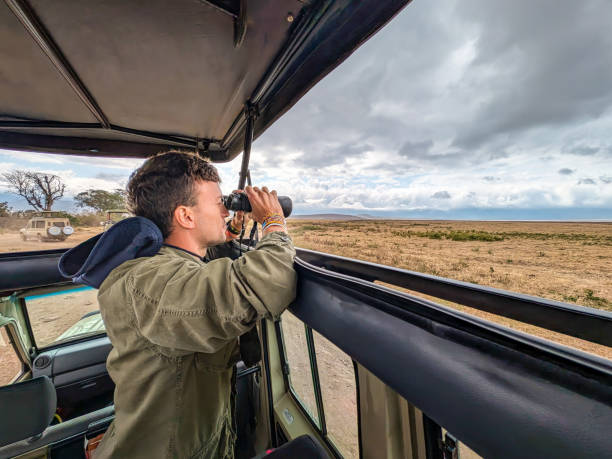
Travelers searching online for the best Ngorongoro eco-tourism tips usually want more responsible and meaningful safari experiences in Tanzania.
Located in northern Tanzania, the Ngorongoro Conservation Area is one of Africa’s most important wildlife conservation destinations. The area protects thousands of animals, supports local Maasai communities, and preserves one of the world’s most unique natural ecosystems.
Eco-tourism has become increasingly important because growing tourism activities can affect wildlife habitats, water resources, and local communities if not managed responsibly.
Following proper Ngorongoro eco-tourism tips helps travelers enjoy unforgettable safari adventures while supporting conservation efforts and environmental protection.
One reason why eco-tourism matters in Ngorongoro is wildlife conservation.
The Ngorongoro ecosystem supports lions, elephants, rhinos, buffaloes, leopards, zebras, wildebeests, flamingos, and many other species living inside protected habitats.
Responsible safari tourism helps fund conservation programs that protect these animals from habitat destruction and illegal hunting activities.
Another reason why eco-tourism is important involves protecting natural landscapes.
The Ngorongoro Crater contains forests, lakes, grasslands, and volcanic scenery that require careful environmental management.
Travelers following Ngorongoro eco-tourism tips help reduce pollution, waste, and unnecessary environmental damage during safari adventures.
Local community support is also an important part of sustainable tourism in Ngorongoro.
Many Maasai families living near the conservation area benefit from eco-tourism activities through cultural tourism, local employment, handicraft sales, and conservation partnerships.
Responsible tourism creates economic opportunities while preserving traditional lifestyles and cultural heritage.
Safari travelers also enjoy deeper travel experiences when practicing eco-tourism.
Instead of focusing only on wildlife sightings, eco-conscious travelers often learn more about conservation challenges, animal behavior, local cultures, and environmental sustainability.
Nabak Safaris and Tours encourages responsible safari experiences that support both conservation and local communities.
Professional guides educate visitors about wildlife protection, environmental safety, and sustainable safari behavior throughout the safari journey.
Many travelers today prefer eco-friendly safari experiences because they want their vacations to positively impact nature and local communities.
The growing popularity of sustainable tourism has increased global awareness about responsible travel practices in Tanzania.
One important Ngorongoro eco-tourism tip involves respecting wildlife distance during safari game drives.
Tourists should avoid disturbing animals by making excessive noise, feeding wildlife, or approaching animals too closely for photographs.
Responsible wildlife viewing protects both animals and visitors.
Another essential eco-tourism practice involves reducing plastic waste during safaris.
Travelers are encouraged to use reusable water bottles, avoid unnecessary packaging, and dispose of waste responsibly inside conservation areas.
Environmental cleanliness helps preserve Ngorongoro’s natural beauty for future generations.
Energy conservation is another important part of sustainable tourism.
Eco-friendly safari lodges often use solar energy, water conservation systems, and environmentally responsible waste management practices.
Travelers supporting eco-friendly accommodations help encourage sustainable tourism development across Tanzania.
Ethical photography also plays a role in responsible safari tourism.
Photographers should avoid stressing wildlife for better pictures and should respect local community privacy during cultural visits.
Many eco-conscious travelers now prioritize sustainability when choosing safari companies.
Safari operators like Nabak Safaris and Tours help travelers enjoy authentic African adventures while supporting responsible tourism practices throughout Ngorongoro.
Benefits of Responsible Safari Tourism
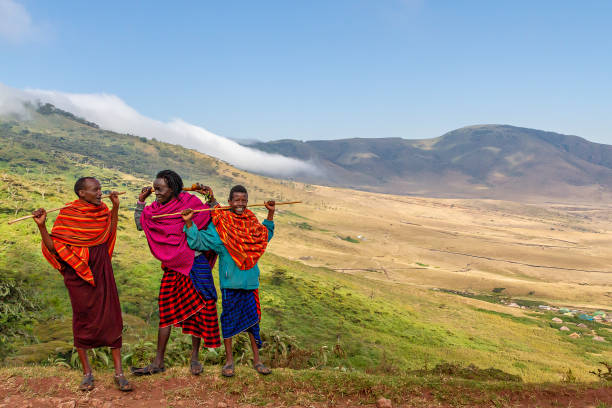
Travelers following sustainable safari practices often enjoy more meaningful and rewarding travel experiences.
Responsible tourism supports:
- Wildlife conservation
- Local community development
- Environmental protection
- Sustainable safari businesses
- Cultural preservation
- Ethical travel experiences
- Eco-friendly safari accommodations
- Responsible photography
- Cleaner conservation areas
- Long-term tourism sustainability
Eco-tourism helps ensure future generations can continue enjoying Ngorongoro’s wildlife and landscapes.
Comparison Table for Eco-Tourism Practices
| Eco-Tourism Practice | Main Benefit | Environmental Impact | Visitor Experience |
|---|---|---|---|
| Reusable Water Bottles | Less plastic waste | Positive | Sustainable travel |
| Eco-Lodges | Energy conservation | Positive | Comfortable safaris |
| Responsible Wildlife Viewing | Animal protection | Positive | Ethical experiences |
| Community Tourism | Local support | Positive | Cultural learning |
| Guided Conservation Tours | Environmental education | Positive | Educational safaris |
Adventure Story: A Responsible Safari Experience
One unforgettable eco-safari adventure began when travelers from the Netherlands arrived in Ngorongoro with Nabak Safaris and Tours during the green season.
The safari guide explained several important Ngorongoro eco-tourism tips before entering the conservation area.
Travelers learned how responsible safari behavior helps protect wildlife and preserve the environment.
As the safari vehicle moved slowly through the crater road, elephants appeared near the forest while zebras grazed peacefully across the grasslands.
The guide encouraged visitors to observe quietly without disturbing the animals.
Later that afternoon, the group visited a Maasai community participating in eco-tourism programs supported by sustainable safari partnerships.
Local community members explained how responsible tourism creates education opportunities and supports healthcare services for nearby villages.
The travelers purchased handmade crafts directly from local artisans while learning traditional Maasai customs and conservation practices.
As sunset covered the crater rim with orange light, the visitors discussed how eco-tourism created a deeper and more meaningful safari experience.
Instead of simply observing wildlife, they felt connected to conservation efforts, local culture, and environmental protection.
The travelers later explained that practicing sustainable tourism completely transformed how they viewed safari travel in Africa.
Best Eco-Friendly Safari Practices

Travelers planning sustainable safari adventures should follow responsible travel practices throughout their journey.
Recommended Eco-Tourism Practices
- Carry reusable water bottles
- Avoid littering inside parks
- Respect wildlife viewing distance
- Support local businesses
- Choose eco-friendly lodges
- Reduce plastic usage
- Follow safari guide instructions
- Respect Maasai cultural traditions
- Use environmentally friendly products
- Support conservation tourism initiatives
Responsible tourism helps preserve Tanzania’s natural beauty.
Customer Experience
“Learning about sustainable tourism while exploring Ngorongoro made our safari much more meaningful. We enjoyed incredible wildlife sightings while also supporting conservation and local communities. Nabak Safaris and Tours helped us understand how responsible travel protects Tanzania’s natural beauty.” — Traveler from Denmark
Another traveler from Australia explained that visiting eco-friendly safari lodges and Maasai communities created one of the most educational experiences of their African adventure.
Families visiting Ngorongoro also appreciate how eco-tourism activities teach children about wildlife conservation and environmental responsibility.
Nature lovers often describe Ngorongoro as one of the best destinations in Africa for sustainable safari travel experiences.
Frequently Asked Questions
Why is eco-tourism important in Ngorongoro?
Eco-tourism helps protect wildlife, support local communities, and preserve natural ecosystems inside the conservation area.
How can travelers reduce environmental impact during safaris?
Visitors can reduce waste, avoid disturbing wildlife, use reusable products, and support eco-friendly safari companies.
Are eco-friendly safari lodges available in Ngorongoro?
Yes. Many safari lodges use solar energy, water conservation systems, and sustainable tourism practices.
Can eco-tourism support local communities?
Yes. Responsible tourism creates employment opportunities and supports local cultural preservation projects.
Which safari company supports sustainable tourism in Tanzania?
Many travelers choose Nabak Safaris and Tours for responsible and eco-friendly safari experiences.
Final Thoughts
Following responsible Ngorongoro eco-tourism tips allows travelers to enjoy unforgettable safari adventures while protecting Tanzania’s wildlife, landscapes, and local communities.
From supporting conservation projects and respecting wildlife habitats to reducing environmental waste and learning local traditions, eco-tourism creates more meaningful and sustainable safari experiences.
Travelers who choose responsible safari practices often develop stronger connections with nature while helping preserve Ngorongoro for future generations.
With expert planning from Nabak Safaris and Tours, visitors can confidently enjoy ethical and environmentally responsible safari adventures across one of Africa’s most extraordinary wildlife destinations.