
Discover the Climate Zones of Mount Kilimanjaro and learn how changing altitude creates five unique ecosystems. This detailed guide explains weather, temperatures, vegetation, trekking conditions, and travel tips for climbers visiting Africa’s highest mountain.
Quick Summary
The Climate Zones of Mount Kilimanjaro create one of the most fascinating trekking experiences in the world. As climbers move from the base of the mountain to the summit, they pass through different ecosystems that feel like separate worlds. From tropical rainforest to arctic desert, each zone offers unique temperatures, wildlife, vegetation, and trekking conditions. Understanding the Climate Zones of Mount Kilimanjaro helps travelers prepare properly, choose the right gear, and enjoy a safer hiking experience. For adventurers planning a Tanzania safari and mountain expedition, knowing these climate changes is essential for success.
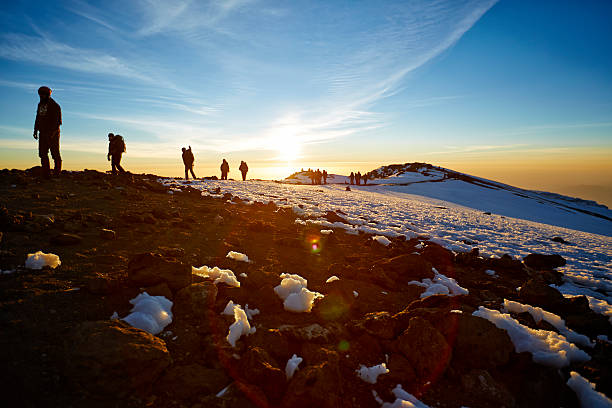
Introduction to the Climate Zones of Mount Kilimanjaro
The Climate Zones of Mount Kilimanjaro are among the most extraordinary natural features in Africa. Located in Tanzania, Mount Kilimanjaro rises to 5,895 meters above sea level, making it the tallest mountain in Africa and one of the world’s most famous trekking destinations. Every year, thousands of travelers visit Tanzania to explore the mountain and experience the dramatic environmental changes found across its slopes.
One reason the Climate Zones of Mount Kilimanjaro attract global attention is the mountain’s unique ecological diversity. Unlike many mountains where climate changes happen gradually, Kilimanjaro offers rapid transitions between completely different environments. Within only a few days of trekking, hikers can move from warm tropical forests to icy arctic landscapes. This creates a rare opportunity to witness several climate systems during a single expedition.
The Climate Zones of Mount Kilimanjaro are mainly influenced by altitude. As elevation increases, temperatures decrease, oxygen levels become lower, and vegetation changes significantly. Scientists estimate that temperatures on Kilimanjaro drop by approximately 6.5 degrees Celsius for every 1,000 meters gained in altitude. This natural phenomenon explains why climbers can experience hot sunshine at the base and freezing snow near the summit on the same day.
Travel experts from Nabak Safaris and Tours recommend learning about the Climate Zones of Mount Kilimanjaro before starting any trekking adventure. Understanding these zones helps climbers pack suitable clothing, manage altitude sickness risks, and choose the best climbing season. Proper preparation increases comfort, improves safety, and makes the entire journey more enjoyable.
Main Climate Zones of Mount Kilimanjaro
The Climate Zones of Mount Kilimanjaro are generally divided into five major ecological regions. Each zone has distinct weather patterns, landscapes, and biodiversity.
| Climate Zone | Altitude Range | Main Features | Temperature |
|---|---|---|---|
| Cultivation Zone | 800m – 1,800m | Farms and villages | Warm and humid |
| Rainforest Zone | 1,800m – 2,800m | Dense forest and wildlife | Mild with heavy rain |
| Heath and Moorland Zone | 2,800m – 4,000m | Shrubs and open landscapes | Cool and windy |
| Alpine Desert Zone | 4,000m – 5,000m | Rocky terrain and low oxygen | Cold and dry |
| Arctic Summit Zone | 5,000m+ | Ice, glaciers, snow | Freezing temperatures |
The table above provides a quick overview of the Climate Zones of Mount Kilimanjaro and highlights how environmental conditions change as climbers ascend.
Why the Climate Zones of Mount Kilimanjaro Matter
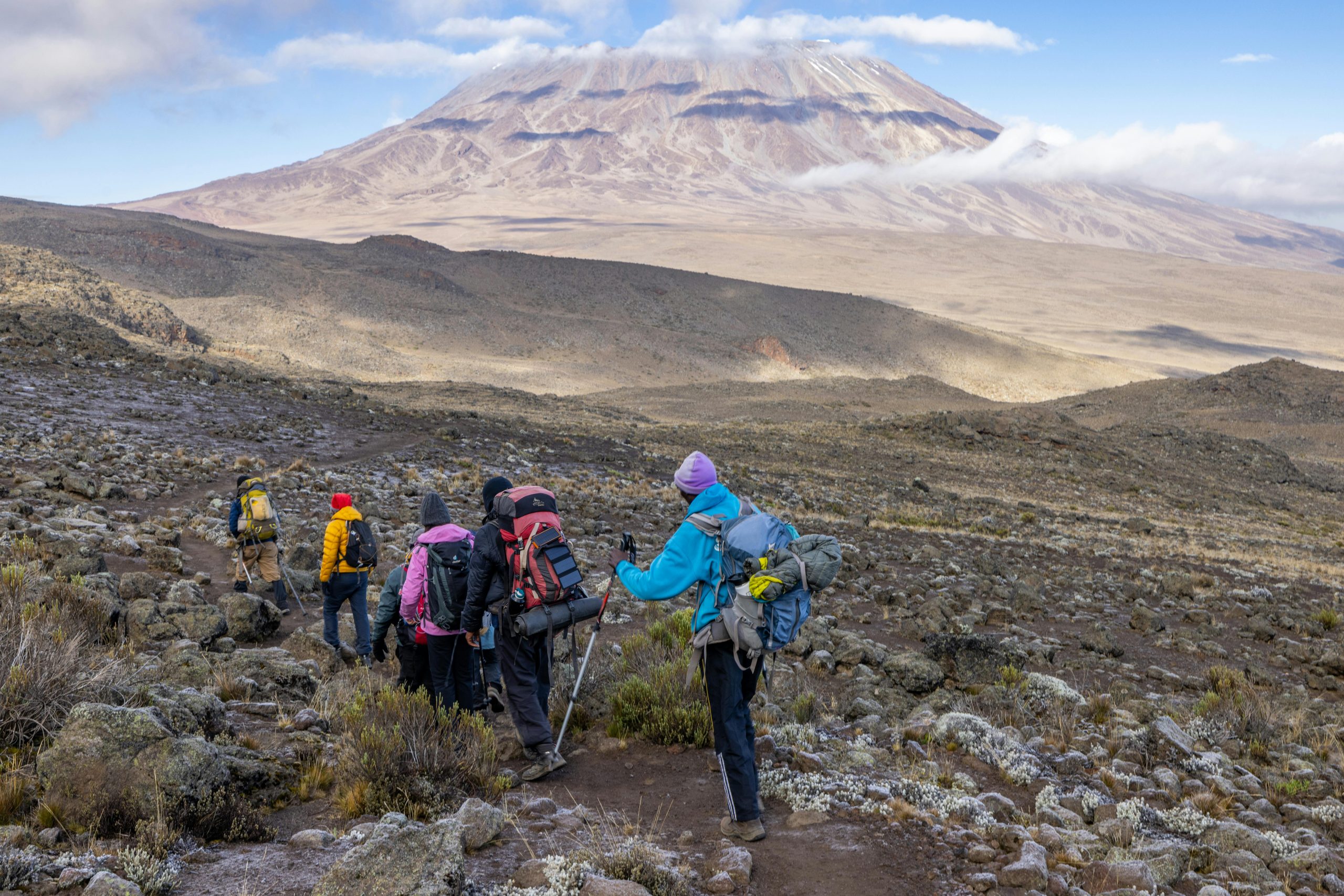
Understanding the Climate Zones of Mount Kilimanjaro is important for both safety and adventure planning. Climbers who underestimate these changing conditions often face difficulties such as dehydration, hypothermia, exhaustion, or altitude sickness. Weather on Kilimanjaro can shift rapidly, especially in higher zones where strong winds and freezing temperatures are common.
The lower zones of the mountain receive significant rainfall because moist air from the Indian Ocean rises along the slopes. As a result, the rainforest region remains lush and green throughout most of the year. Higher elevations, however, become dry and cold because less moisture exists in the atmosphere. This dramatic contrast is one reason the Climate Zones of Mount Kilimanjaro are scientifically important and environmentally unique.
Tour operators also use the Climate Zones of Mount Kilimanjaro to determine trekking schedules. Routes such as Machame, Lemosho, and Marangu pass through different environmental conditions, requiring careful pacing and acclimatization. Climbers are advised to spend additional days adjusting to altitude changes in order to improve summit success rates.
Best Time to Experience the Climate Zones of Mount Kilimanjaro
The best time to explore the Climate Zones of Mount Kilimanjaro depends on weather conditions and trekking goals. Most travelers prefer the dry seasons because trails are safer and summit visibility is better.
Recommended Climbing Seasons
January to March
- Cooler temperatures
- Fewer crowds
- Clear mountain views
- Good snow visibility near the summit
June to October
- Dry weather
- Stable trekking conditions
- Popular among international climbers
- Excellent photography opportunities
During rainy seasons, some sections of the rainforest zone become muddy and slippery. However, experienced hikers who enjoy quieter trails may still choose these periods.
Vegetation Across the Climate Zones of Mount Kilimanjaro
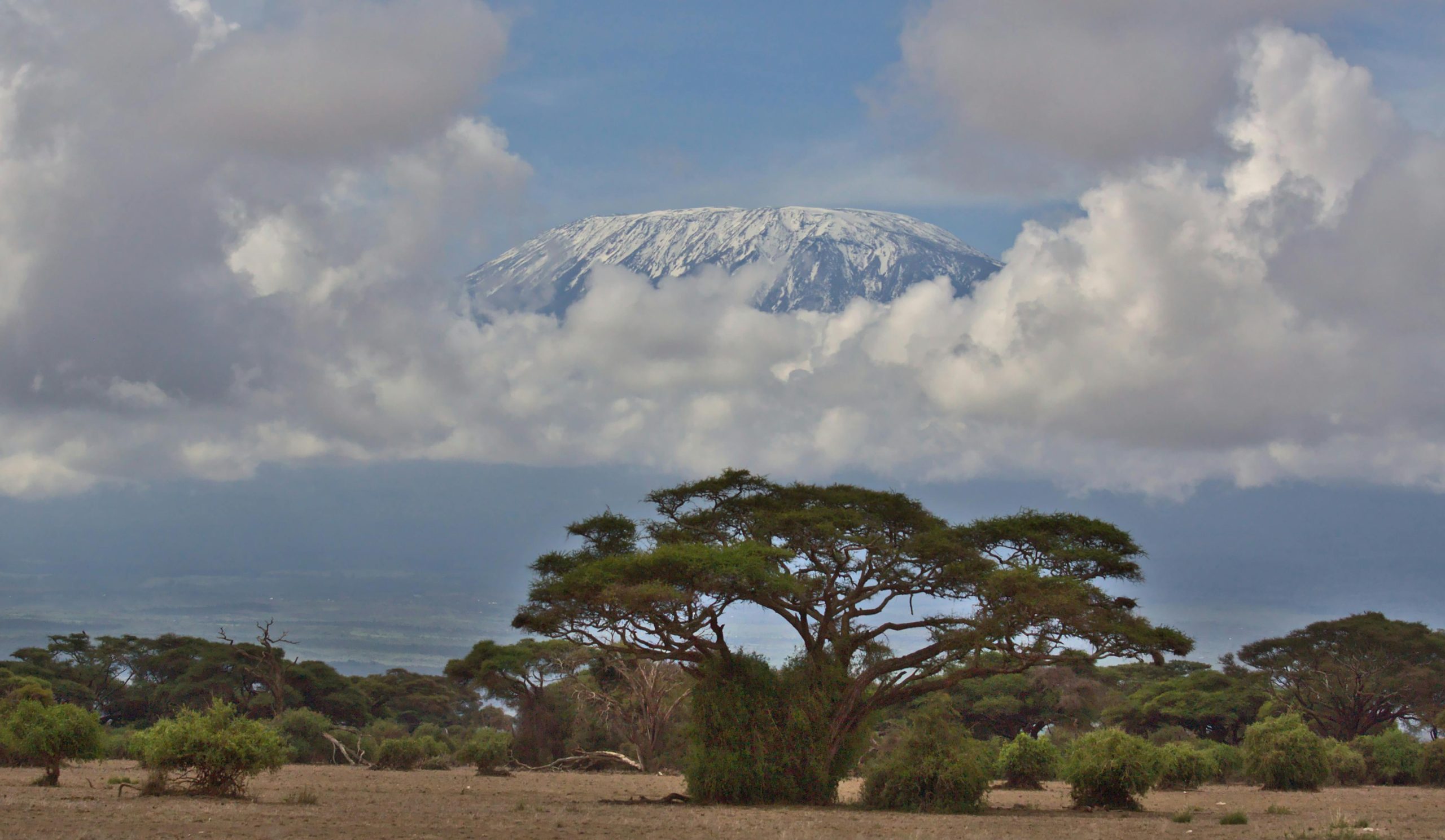
One fascinating aspect of the Climate Zones of Mount Kilimanjaro is the changing vegetation. Every ecological zone supports different plant species adapted to specific environmental conditions.
In the cultivation zone, fertile volcanic soil allows local communities to grow bananas, coffee, and maize. The rainforest zone contains giant trees, mosses, and tropical flowers. Monkeys and colorful birds are commonly seen here.
As trekkers move into the heath and moorland zone, vegetation becomes shorter and more resistant to cold temperatures. Giant groundsels and lobelias dominate the landscape. These unusual plants are iconic symbols of the Climate Zones of Mount Kilimanjaro.
The alpine desert zone has very little vegetation because extreme temperatures and low rainfall make survival difficult. Finally, the arctic summit zone contains glaciers, ice fields, and volcanic rock with almost no plant life.
Expert Travel Tips for Climbers
Travel professionals recommend several important strategies for navigating the Climate Zones of Mount Kilimanjaro successfully.
Essential Preparation Tips
- Pack layered clothing for different temperatures
- Carry waterproof trekking gear
- Stay hydrated throughout the climb
- Use high-quality hiking boots
- Acclimatize slowly to altitude changes
- Hire experienced mountain guides
- Protect skin from intense UV exposure
Professional guides from Nabak Safaris and Tours help climbers prepare for the rapidly changing conditions found across the Climate Zones of Mount Kilimanjaro.
Customer Experience
“Exploring the Climate Zones of Mount Kilimanjaro was the most incredible adventure of my life. We started in a tropical forest and reached snow-covered landscapes within days. Nabak Safaris and Tours organized everything professionally and made the climb unforgettable.” – Sarah M., United Kingdom
FAQs About the Climate Zones of Mount Kilimanjaro
How many climate zones does Mount Kilimanjaro have?
Mount Kilimanjaro has five major ecological climate zones, ranging from tropical farmland to arctic summit conditions.
Why are the Climate Zones of Mount Kilimanjaro unique?
The mountain allows travelers to experience several ecosystems within a short distance because of dramatic altitude changes.
Which climate zone is the coldest?
The arctic summit zone is the coldest area, with freezing temperatures and snow throughout much of the year.
Is altitude sickness common on Kilimanjaro?
Yes. Rapid elevation gain across the Climate Zones of Mount Kilimanjaro can affect climbers if acclimatization is not managed properly.
What is the best season to climb Kilimanjaro?
The dry seasons from January to March and June to October are considered ideal for trekking.