
Is Climbing Mount Kilimanjaro Dangerous? Discover the real risks, altitude challenges, weather conditions, safety tips, and expert trekking advice for climbing Africa’s highest mountain safely.
Quick Summary
Many travelers ask, Is Climbing Mount Kilimanjaro Dangerous before planning their adventure in Tanzania. Mount Kilimanjaro is Africa’s tallest mountain and one of the world’s most famous trekking destinations. Although thousands of climbers successfully reach the summit every year, there are real risks associated with altitude sickness, weather changes, exhaustion, dehydration, and poor preparation. Understanding these dangers helps climbers improve safety and enjoy a successful trekking experience.
The question Is Climbing Mount Kilimanjaro Dangerous depends largely on preparation, physical fitness, route selection, and choosing experienced guides. Most trekkers complete the climb safely when they acclimatize properly, drink enough water, and follow professional mountain advice. Companies like Nabak Safaris and Tours provide trained guides and organized trekking support that significantly improve climber safety.
Introduction
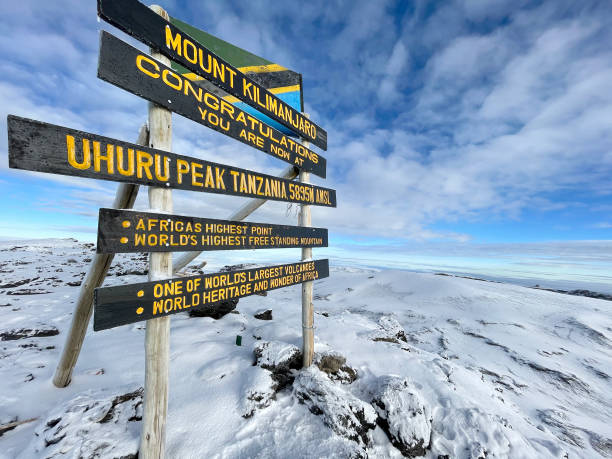
The question Is Climbing Mount Kilimanjaro Dangerous is one of the most searched topics among adventure travelers visiting Tanzania. Standing at 5,895 meters above sea level, Mount Kilimanjaro attracts thousands of climbers every year from around the world. While the mountain is considered one of the most accessible high-altitude peaks globally, climbing it still presents serious physical and environmental challenges.
Many people assume Kilimanjaro is easy because technical climbing equipment is not required on standard routes. However, the reality behind the question Is Climbing Mount Kilimanjaro Dangerous is more complex. Climbers face unpredictable weather conditions, low oxygen levels, freezing summit temperatures, and difficult altitude adjustments. Without proper preparation, these conditions can become dangerous.
Professional trekking companies emphasize that understanding the risks is essential for success. Most accidents on Kilimanjaro occur because climbers ascend too quickly or ignore symptoms of altitude sickness. Choosing experienced operators such as Nabak Safaris and Tours can greatly reduce these risks through proper pacing, health monitoring, and emergency planning.
The good news is that although people frequently ask Is Climbing Mount Kilimanjaro Dangerous, the majority of trekkers safely complete the climb each year. Proper acclimatization, physical preparation, hydration, and professional guidance are the keys to minimizing danger and maximizing summit success.
Main Risks of Climbing Mount Kilimanjaro
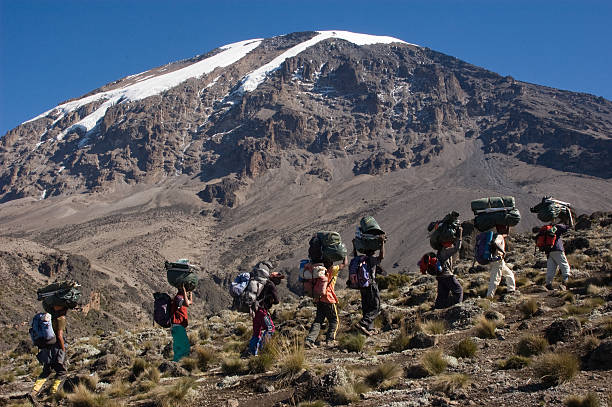
Understanding the risks helps answer the important question: Is Climbing Mount Kilimanjaro Dangerous?
Comparison Table of Main Kilimanjaro Risks
| Risk Factor | Danger Level | Main Cause | Prevention |
|---|---|---|---|
| Altitude Sickness | High | Low oxygen levels | Slow acclimatization |
| Extreme Cold | Moderate | Summit temperatures | Proper clothing |
| Dehydration | Moderate | Dry air and exertion | Drink enough water |
| Exhaustion | Moderate | Long trekking days | Physical preparation |
| Slippery Trails | Low to Moderate | Rain and ice | Good hiking boots |
| Sun Exposure | Moderate | High UV altitude rays | Sunscreen and glasses |
The table clearly shows that the answer to Is Climbing Mount Kilimanjaro Dangerous depends heavily on preparation and awareness.
Altitude Sickness: The Biggest Danger
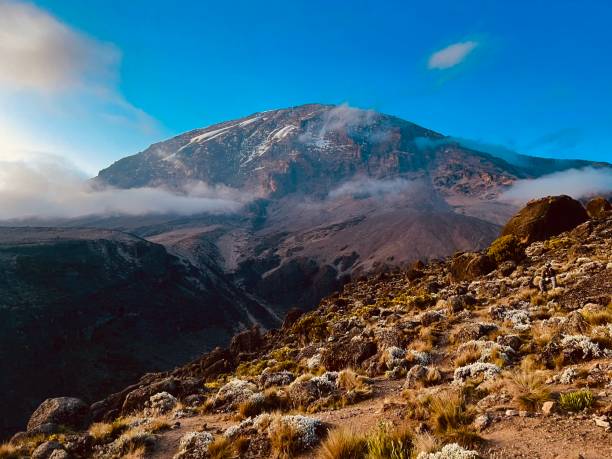
The most serious reason people ask Is Climbing Mount Kilimanjaro Dangerous is altitude sickness. As climbers ascend the mountain, oxygen levels decrease significantly. This affects the body’s ability to function normally.
Common Symptoms of Altitude Sickness
- Headaches
- Dizziness
- Nausea
- Loss of appetite
- Difficulty sleeping
- Fatigue
- Shortness of breath
In severe situations, climbers may develop High Altitude Pulmonary Edema (HAPE) or High Altitude Cerebral Edema (HACE). These conditions are dangerous medical emergencies that require immediate descent.
Professional guides monitor climbers daily to detect symptoms early. Travelers using experienced companies such as Nabak Safaris and Tours receive regular health checks throughout the climb.
One major factor influencing the question Is Climbing Mount Kilimanjaro Dangerous is route selection. Longer routes allow better acclimatization and lower the risk of severe altitude sickness.
Weather Conditions on Mount Kilimanjaro
Another important reason travelers ask Is Climbing Mount Kilimanjaro Dangerous involves weather changes. Kilimanjaro contains multiple climate zones ranging from tropical rainforest to arctic summit conditions.
Climate Challenges on Kilimanjaro
Rainforest Zone
- Heavy rainfall
- Muddy trails
- Humid temperatures
Moorland Zone
- Cool temperatures
- Strong winds
- Open landscapes
Alpine Desert
- Dry conditions
- Intense sunlight
- Cold nights
Arctic Summit Zone
- Freezing temperatures
- Snow and ice
- Low oxygen
These changing climates can stress the body and make trekking more difficult. Proper clothing layers are essential for staying warm and dry.
Physical Fitness and Trekking Difficulty
Many beginner travelers wonder, Is Climbing Mount Kilimanjaro Dangerous for people without mountaineering experience. Fortunately, Kilimanjaro is considered a trekking mountain rather than a technical climbing peak. However, physical fitness still plays a major role in safety.
Recommended Fitness Preparation
- Cardiovascular training
- Hiking practice
- Strength exercises
- Long-distance walking
- Breathing exercises
Trekkers do not need professional climbing skills, but endurance and mental determination are very important. Climbers who prepare physically often experience fewer problems during the ascent.
Safety Tips for Climbing Kilimanjaro
The safest way to answer the question Is Climbing Mount Kilimanjaro Dangerous is by understanding prevention strategies.
Essential Safety Tips
- Climb slowly for proper acclimatization
- Drink at least 3–4 liters of water daily
- Eat enough food during trekking
- Wear layered clothing
- Carry quality hiking equipment
- Listen carefully to guides
- Avoid alcohol before the climb
- Choose longer routes for better adaptation
Following these safety measures dramatically improves climbing success rates and reduces health risks.
Why Choosing the Right Tour Company Matters
One of the biggest factors influencing the answer to Is Climbing Mount Kilimanjaro Dangerous is selecting a reliable tour operator. Professional companies provide trained guides, medical support, quality camping equipment, and emergency evacuation planning.
Benefits of Experienced Tour Operators
- Daily health monitoring
- Oxygen support systems
- Emergency communication equipment
- Trained mountain guides
- Proper acclimatization schedules
- Safe camping arrangements
Nabak Safaris and Tours specializes in organizing safe Kilimanjaro trekking experiences with experienced mountain professionals.
Customer Experience
“Before my trip, I kept asking myself, ‘Is Climbing Mount Kilimanjaro Dangerous?’ After trekking with Nabak Safaris and Tours, I felt safe throughout the journey. The guides checked our health daily, encouraged slow climbing, and helped us successfully reach the summit.” – Michael T., Canada
FAQs
Is Climbing Mount Kilimanjaro Dangerous for beginners?
Kilimanjaro is suitable for beginners if they prepare properly and choose experienced guides.
What is the biggest danger on Kilimanjaro?
Altitude sickness is considered the biggest challenge and risk during the climb.
How cold does Kilimanjaro get?
Summit temperatures can drop below freezing, especially during nighttime summit attempts.
Can older people climb Kilimanjaro safely?
Yes. Many older climbers successfully summit Kilimanjaro with proper preparation and acclimatization.
Does everyone get altitude sickness?
No, but many climbers experience mild symptoms due to high elevation changes.
Is travel insurance necessary?
Yes. Comprehensive trekking insurance is strongly recommended for emergency coverage.
Conclusion
So, Is Climbing Mount Kilimanjaro Dangerous? The answer is yes and no. The mountain presents real risks related to altitude, weather, exhaustion, and environmental conditions. However, with proper preparation, physical training, slow acclimatization, and professional support, most climbers safely complete the adventure.
Understanding the realities behind the question Is Climbing Mount Kilimanjaro Dangerous helps travelers make informed decisions and prepare effectively. Choosing experienced operators like Nabak Safaris and Tours can significantly improve safety, comfort, and summit success while creating an unforgettable African trekking experience.