
Learn how hard it is to climb Mount Kilimanjaro with Nabaki Safaris & Tours. Discover difficulty levels, altitude challenges, fitness preparation, climbing routes, and expert tips for a successful Kilimanjaro adventure.
Quick Summary
Many travelers dream about climbing Mount Kilimanjaro, but one common question remains: how hard is it to climb Mount Kilimanjaro? The climb is physically demanding but achievable for many people with proper preparation, training, acclimatization, and guidance. Mount Kilimanjaro is Africa’s highest mountain and attracts thousands of trekkers each year because it does not require technical climbing skills. However, altitude sickness, weather conditions, and endurance challenges make the journey difficult for unprepared travelers. This guide explains everything travelers should know about Kilimanjaro difficulty, climbing routes, fitness requirements, altitude adjustment, and preparation tips. Nabaki Safaris & Tours helps climbers experience safe and successful Mount Kilimanjaro adventures with professional guides and customized trekking support.
Introduction
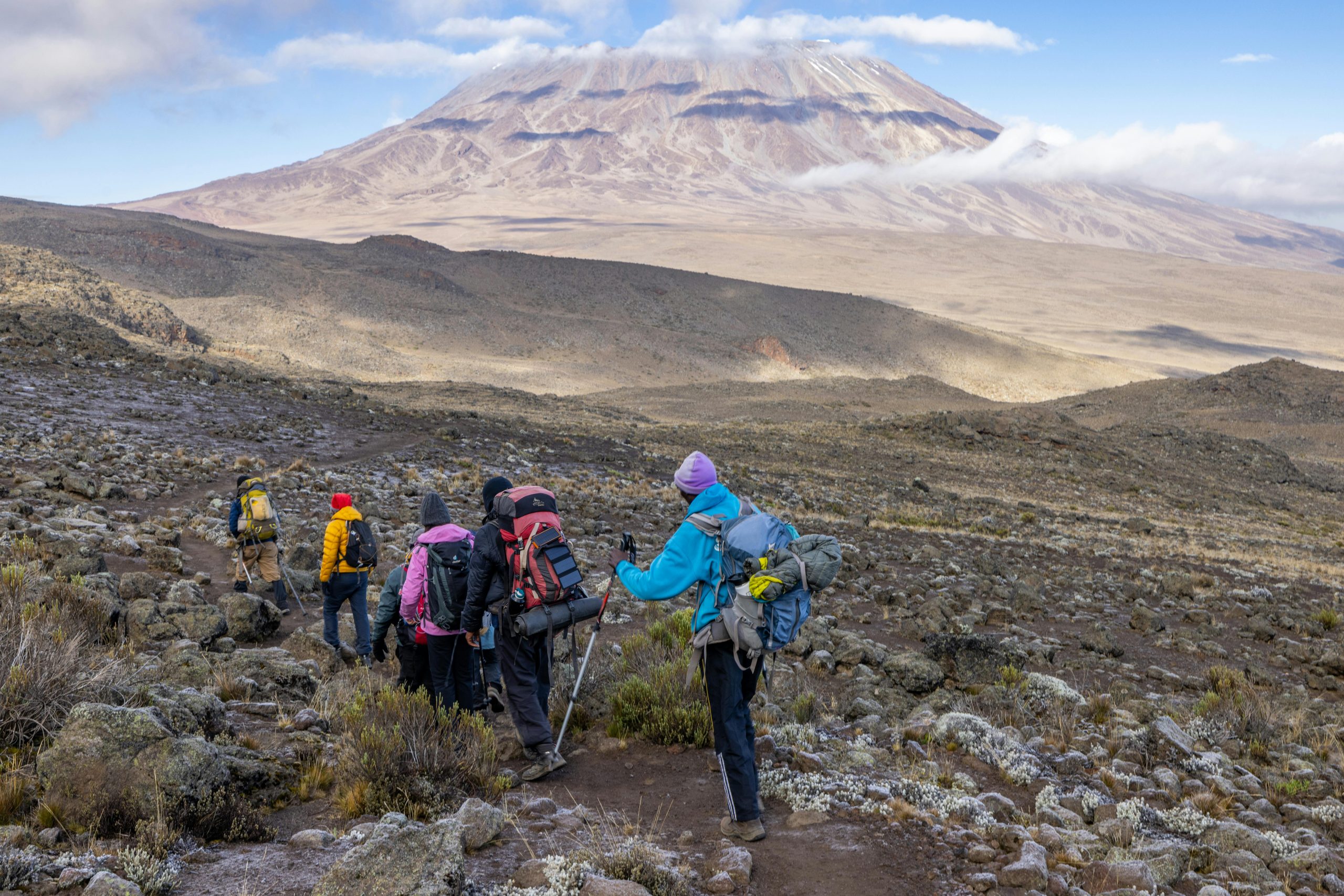
For many adventure travelers, climbing Mount Kilimanjaro represents one of the greatest achievements in Africa. Standing at 5,895 meters above sea level, Mount Kilimanjaro is the tallest mountain in Africa and one of the world’s most famous trekking destinations. Every year, thousands of international visitors travel to Tanzania to challenge themselves by reaching Uhuru Peak. Before planning the adventure, most travelers ask the same important question: how hard is it to climb Mount Kilimanjaro?
The answer depends on several factors including physical fitness, altitude adaptation, trekking route, mental preparation, and weather conditions. Although Kilimanjaro is considered a non technical mountain, meaning climbers do not need ropes or advanced mountaineering skills, the trek is still physically and mentally demanding. Many climbers underestimate the effects of altitude and discover that reaching the summit requires patience, endurance, and determination.
According to trekking specialists at Nabaki Safaris & Tours, the biggest challenge on Kilimanjaro is not steep terrain but high altitude. As climbers move higher above sea level, oxygen levels decrease significantly, making breathing more difficult. Altitude sickness can affect anyone regardless of age or fitness level. Proper acclimatization is therefore one of the most important parts of a successful Kilimanjaro climb.
Another reason travelers ask how hard it is to climb Mount Kilimanjaro is because the mountain includes different climate zones. Climbers begin the trek in tropical rainforest conditions before moving through moorlands, alpine deserts, and icy summit environments. Temperatures can change dramatically during the expedition, creating additional physical challenges.
Despite these difficulties, thousands of climbers successfully reach the summit every year because Kilimanjaro is accessible to ordinary travelers with moderate fitness levels. Unlike technical mountains requiring climbing equipment and mountaineering expertise, Kilimanjaro can be climbed through guided trekking routes supported by professional mountain crews.
Preparation is the key to success. Travelers who train properly, choose longer routes for acclimatization, maintain positive attitudes, and follow guide instructions have much higher summit success rates. Modern trekking companies provide experienced guides, porters, nutritious meals, medical monitoring, and safety procedures that improve climbing experiences significantly.
Another important factor affecting Kilimanjaro difficulty is route selection. Some routes are shorter and steeper while others provide more gradual altitude gain and better acclimatization opportunities. Choosing the right route can greatly improve comfort and summit success.
The emotional reward of reaching Uhuru Peak makes the challenge worthwhile for many climbers. Watching sunrise above the clouds from Africa’s highest point creates unforgettable memories and personal achievement. For many travelers, climbing Kilimanjaro becomes a life changing experience filled with adventure, self discovery, and inspiration.
Why Climbing Mount Kilimanjaro Is Challenging
1. High Altitude
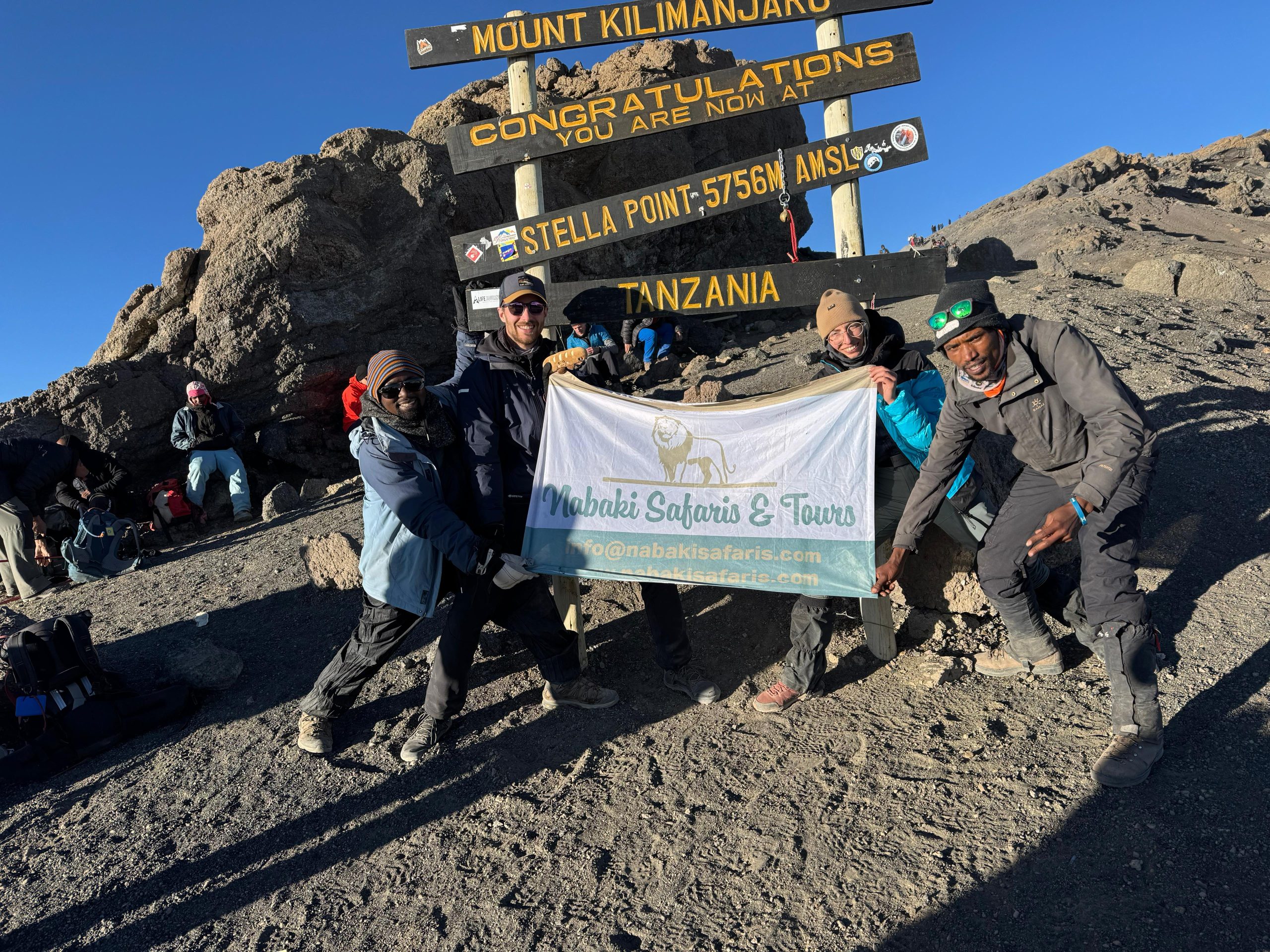
Altitude sickness is the main challenge during the climb because oxygen levels decrease significantly at higher elevations.
2. Physical Endurance
Trekkers walk for several hours daily across changing terrain and weather conditions.
3. Cold Summit Temperatures
Night temperatures near the summit can fall far below freezing, especially during summit attempts.
4. Mental Strength
Climbing Kilimanjaro requires patience, determination, and strong mental focus during difficult moments.
Comparison Table
| Climbing Factor | Moderate Difficulty | High Difficulty |
|---|---|---|
| Physical Fitness | Moderate Training Needed | Intense Endurance Required |
| Technical Climbing Skills | Not Required | Not Applicable |
| Altitude Challenge | Significant | Very Significant |
| Weather Conditions | Manageable | Harsh Near Summit |
| Trekking Duration | 5 to 9 Days | Depends on Route |
| Summit Success Rate | Higher on Longer Routes | Lower on Short Routes |
Best Routes for Climbing Kilimanjaro
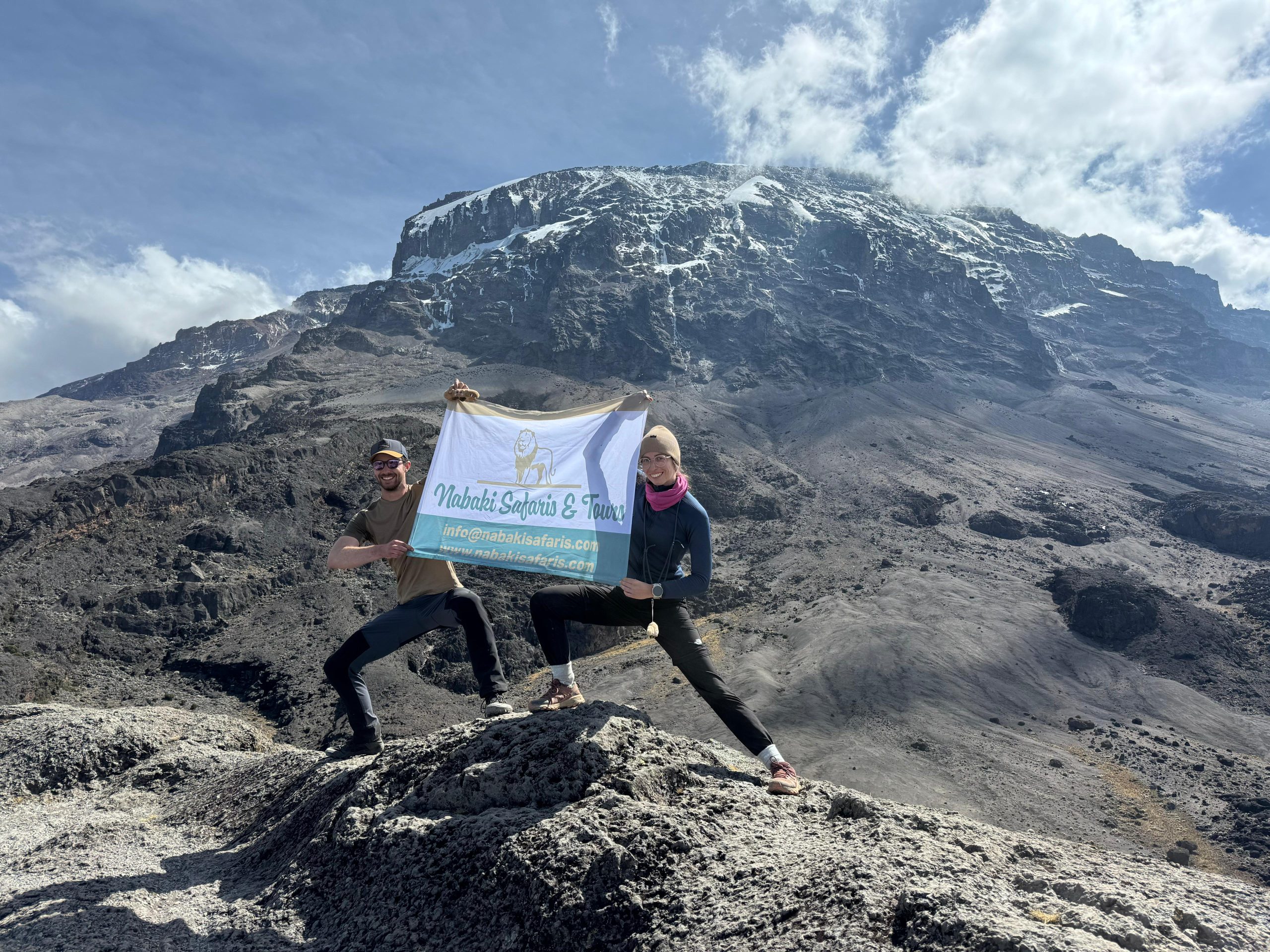
Machame Route
Known for scenic beauty and good acclimatization opportunities.
Lemosho Route
Offers high summit success rates because of longer acclimatization periods.
Marangu Route
Popular among beginners because of hut accommodations instead of camping.
Rongai Route
A quieter route with gradual ascent and fewer crowds.
Northern Circuit Route
Longest route with excellent acclimatization and high success rates.
Fitness Preparation for Kilimanjaro
Travelers do not need professional athletic abilities to climb Kilimanjaro, but preparation is extremely important. Cardiovascular training, hiking practice, strength exercises, and endurance workouts improve climbing performance.
Walking long distances, climbing stairs, and practicing with backpacks help prepare the body for trekking conditions. Mental preparation is equally important because summit night is physically and emotionally demanding.
Hydration, nutrition, and proper rest before the climb also improve success rates. Professional trekking operators often provide pre climb guidance and equipment recommendations.
Customer Expert Tips
- Choose longer routes for better acclimatization.
- Walk slowly to conserve energy during the trek.
- Drink plenty of water throughout the climb.
- Invest in high quality cold weather clothing.
- Listen carefully to mountain guide instructions.
- Train consistently several weeks before travel.
Bullet Point Benefits of Climbing Kilimanjaro
- Creates unforgettable personal achievement
- Builds confidence and mental strength
- Offers breathtaking mountain scenery
- Provides unique adventure travel experiences
- Encourages physical fitness and endurance
- Creates strong emotional memories
- Allows travelers to explore Tanzania nature
- Supports local mountain tourism communities
Frequently Asked Questions
How hard is it to climb Mount Kilimanjaro for beginners?
The climb is challenging but achievable for beginners with proper preparation and professional guidance.
Do climbers need technical mountaineering skills?
No. Mount Kilimanjaro is a trekking mountain and does not require technical climbing experience.
What is the biggest challenge on Kilimanjaro?
Altitude sickness is the most common difficulty because oxygen levels decrease at high elevations.
What is the best route for beginners?
The Lemosho and Marangu routes are often recommended for beginners because of acclimatization advantages.
Why choose Nabaki Safaris & Tours?
The company provides experienced mountain guides, customized climbing packages, safety support, and professional trekking services for successful Kilimanjaro adventures.
Learn more about Mount Kilimanjaro through UNESCO World Heritage Centre and explore Tanzania tourism information at Tanzania Tourist Board.