
Discover the best time to climb Mount Kilimanjaro with Nabaki Safaris & Tours. Learn about weather conditions, climbing seasons, route selection, summit success rates, and expert trekking advice for unforgettable Kilimanjaro adventures.
Quick Summary
Choosing the best time to climb Mount Kilimanjaro is one of the most important decisions for a successful trekking experience in Tanzania. Weather conditions, trail visibility, crowd levels, and altitude comfort all affect the climbing experience. The best months to climb Mount Kilimanjaro are usually January to March and June to October because these periods offer drier weather, clearer skies, and better trekking conditions. However, every season provides unique advantages depending on traveler preferences, photography goals, and adventure expectations. This guide explains Kilimanjaro weather patterns, climbing seasons, route conditions, and expert trekking tips to help travelers plan safe and unforgettable mountain adventures with Nabaki Safaris & Tours.
Introduction
Mount Kilimanjaro is Africa’s highest mountain and one of the world’s most famous trekking destinations. Every year, thousands of travelers visit Tanzania to experience the challenge and beauty of climbing this iconic mountain. Before booking the adventure, one question becomes extremely important for every climber: what is the best time to climb Mount Kilimanjaro?
The answer depends on weather conditions, trekking goals, crowd preferences, and personal fitness expectations. Kilimanjaro can technically be climbed throughout the year, but certain months provide much better conditions for safety, visibility, and summit success. Understanding seasonal weather patterns helps climbers choose the ideal time for their journey.
According to trekking specialists at Nabaki Safaris & Tours, the dry seasons remain the most recommended periods for climbing Mount Kilimanjaro because trails are less slippery, visibility is clearer, and weather conditions are more stable. These advantages improve comfort during trekking and increase opportunities for successful summit attempts.
The best time to climb Mount Kilimanjaro is generally divided into two major climbing seasons. The first season occurs between January and March, while the second and most popular season runs from June to October. During these months, climbers experience lower rainfall levels, better mountain visibility, and more comfortable trekking conditions.
Weather plays a major role in determining climbing difficulty. Heavy rains can create muddy trails, slippery rocks, wet camping conditions, and reduced visibility. On the other hand, dry seasons provide clearer paths and more enjoyable hiking experiences. However, dry seasons also attract larger numbers of climbers, meaning some routes become busier during peak travel months.
Another important factor when choosing the best time to climb Mount Kilimanjaro is temperature variation. Climbers experience multiple climate zones during the trek, beginning in warm rainforest conditions before reaching freezing temperatures near the summit. Proper timing allows travelers to balance weather comfort with good trekking conditions.
Travelers also consider photography opportunities when planning Kilimanjaro climbs. Dry seasons often provide spectacular sunrise views, cloud free landscapes, and clearer summit scenery that create unforgettable photography experiences. Wildlife viewing around Mount Kilimanjaro can also improve during certain seasons.
Although many climbers prefer dry seasons, some travelers intentionally choose quieter rainy periods because they prefer fewer crowds and greener landscapes. Experienced trekkers sometimes enjoy the peaceful atmosphere available during low tourism months. However, these periods require additional preparation and proper waterproof equipment.
Choosing the best time to climb Mount Kilimanjaro also depends on route selection. Some routes perform better during rainy conditions while others become more challenging because of mud and steep terrain. Professional trekking operators help climbers select routes matching seasonal conditions and personal fitness levels.
Proper planning is essential for a successful Kilimanjaro adventure. Travelers who understand weather patterns, altitude challenges, and seasonal differences enjoy safer and more rewarding trekking experiences. With professional guidance and preparation, Mount Kilimanjaro becomes an achievable and life changing adventure.
Best Seasons to Climb Mount Kilimanjaro
1. January to March
This period offers cooler temperatures, fewer crowds, and good snow visibility near the summit. Many climbers enjoy peaceful trekking conditions during these months.
2. June to October
This is the most popular climbing season because of dry weather and excellent trail conditions. Visibility is usually outstanding during this period.
3. November and December
Short rains occur during this season, but some climbers still enjoy quieter trekking experiences and greener landscapes.
4. April and May
Heavy rains make climbing more difficult because trails become muddy and slippery. Fewer travelers choose these months.
Comparison Table
| Climbing Season | Weather Conditions | Crowd Levels | Trail Conditions | Summit Visibility |
|---|---|---|---|---|
| January to March | Cool and Dry | Moderate | Good | Excellent |
| June to October | Dry and Sunny | High | Excellent | Outstanding |
| November to December | Short Rain Season | Low | Moderate | Variable |
| April to May | Heavy Rain Season | Very Low | Difficult | Poor |
Why Dry Seasons Are Better for Climbing
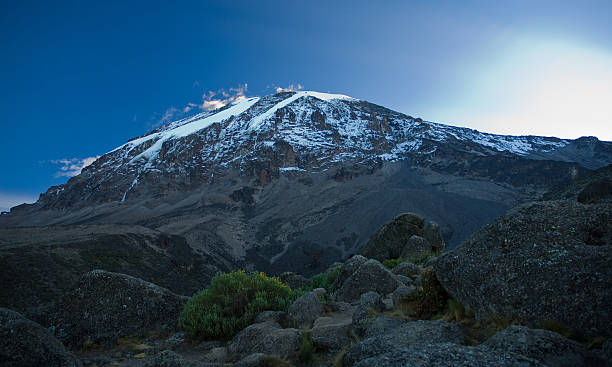
Dry seasons are generally considered the best time to climb Mount Kilimanjaro because they provide safer and more comfortable trekking conditions. Rainfall is lower, making trails easier to navigate and reducing risks associated with slippery terrain.
Clear skies also improve visibility across the mountain, allowing climbers to enjoy breathtaking landscapes and photography opportunities. Summit nights during dry seasons often provide spectacular sunrise views above the clouds.
Another advantage of dry season climbing is easier camping conditions. Tents remain drier, equipment stays cleaner, and trekkers experience more comfortable sleeping conditions during multi day expeditions.
What Travelers Should Expect During Different Seasons
Dry Season Experience
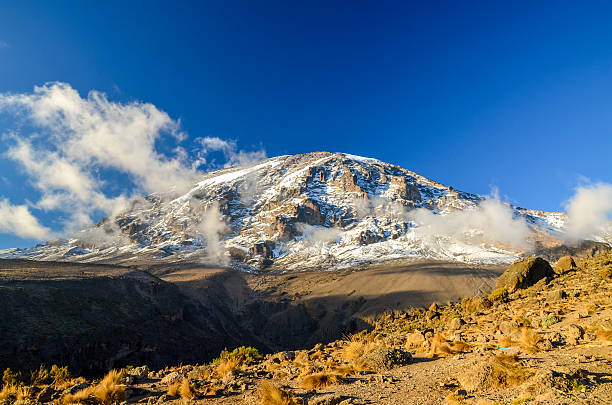
Travelers experience stable weather, excellent visibility, and more crowded routes. Summit success rates are generally higher during dry periods.
Rainy Season Experience
Trekkers encounter muddy paths, fewer tourists, and unpredictable weather conditions. However, landscapes appear greener and more dramatic.
Cold Weather Near Summit
Regardless of season, summit temperatures remain extremely cold. Proper winter clothing is always necessary during the final ascent.
Customer Expert Tips
- Book climbs several months early during peak seasons.
- Choose longer routes for better acclimatization.
- Carry waterproof trekking equipment in all seasons.
- Train physically before attempting the climb.
- Use experienced trekking operators for safety and support.
- Pack layered clothing for changing temperatures.
Bullet Point Benefits of Choosing the Right Season
- Improves summit success rates
- Creates safer trekking conditions
- Enhances photography opportunities
- Reduces weather related risks
- Increases trekking comfort
- Provides better mountain visibility
- Improves overall adventure experience
- Supports effective acclimatization
Frequently Asked Questions
What is the best time to climb Mount Kilimanjaro?
The best months are usually January to March and June to October because of dry weather and good trekking conditions.
Can travelers climb Kilimanjaro during rainy seasons?
Yes, but climbing becomes more difficult because of slippery trails and unpredictable weather.
Which season has fewer crowds?
January to March and rainy seasons generally attract fewer climbers compared to peak dry months.
Does weather affect summit success rates?
Yes. Dry seasons often improve comfort, visibility, and trekking conditions, increasing success rates.
Why choose Nabaki Safaris & Tours?
The company provides professional mountain guides, customized trekking packages, seasonal climbing advice, and safe Kilimanjaro adventures designed for unforgettable experiences.
Learn more about Mount Kilimanjaro at UNESCO World Heritage Centre and explore Tanzania tourism information through Tanzania Tourist Board.
Weather Conditions and Climbing Seasons on Mount Kilimanjaro
Quick Summary
Understanding weather conditions is essential when planning the best time to climb Mount Kilimanjaro. The mountain has five distinct climate zones, ranging from tropical rainforest to arctic summit conditions. Each zone has different temperature changes, rainfall patterns, and trekking challenges. The two main dry seasons—January to March and June to October—offer the most stable weather for climbing. However, each season presents unique experiences depending on visibility, trail conditions, and crowd levels. This section explains Kilimanjaro’s climate zones, seasonal weather variations, temperature changes, and how they influence climbing success with Nabaki Safaris & Tours.
Introduction
Mount Kilimanjaro is not just a single climate zone; it is a mountain with five distinct ecological systems stacked on top of each other. This unique structure makes the question of the best time to climb Mount Kilimanjaro more complex than many travelers expect. Weather conditions change dramatically as climbers move from the base to the summit, creating different challenges at each stage of the journey.
At the base of the mountain, climbers experience warm and humid tropical conditions similar to lowland Tanzania. As they ascend, temperatures gradually decrease, vegetation changes, and oxygen levels drop significantly. By the time climbers reach the summit zone, conditions resemble an Arctic environment with freezing temperatures and strong winds.
According to trekking experts at Nabaki Safaris & Tours, understanding Kilimanjaro weather patterns is one of the most important steps in preparing for a successful climb. Weather conditions affect trail safety, visibility, physical comfort, and overall summit success rates.
The mountain has two main rainy seasons and two main dry seasons. These seasonal patterns strongly influence the best time to climb Mount Kilimanjaro. Rainy seasons often bring muddy trails, reduced visibility, and more challenging trekking conditions, while dry seasons offer clearer skies and safer hiking environments.
However, Kilimanjaro’s weather is unpredictable. Climbers may experience sunshine, rain, fog, wind, and snow all within a single day. This variability is part of what makes the mountain both challenging and exciting. Proper preparation is essential regardless of the season.
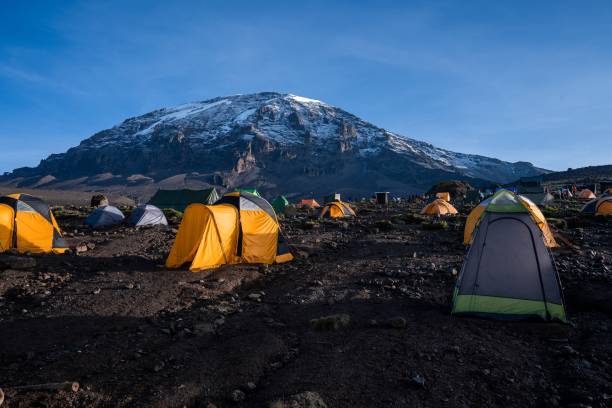
The five climate zones of Mount Kilimanjaro include cultivated land, rainforest, heath and moorland, alpine desert, and arctic summit. Each zone plays a role in shaping the climbing experience and influences the best time to climb Mount Kilimanjaro depending on traveler expectations.
Climate Zones of Mount Kilimanjaro
1. Cultivated Zone
This is the lowest area of the mountain where local communities grow crops. Weather is warm and humid with occasional rainfall.
2. Rainforest Zone
This zone is rich in biodiversity with dense vegetation and frequent rainfall, especially during wet seasons.
3. Heath and Moorland Zone
Temperatures become cooler and vegetation becomes sparse. Weather can change quickly with mist and wind.
4. Alpine Desert Zone
Dry, cold, and windy conditions dominate this area. Rainfall is minimal, and temperature differences are extreme.
5. Arctic Summit Zone
The highest zone is extremely cold with snow, ice, and strong winds, even during dry seasons.
Seasonal Weather Patterns on Kilimanjaro
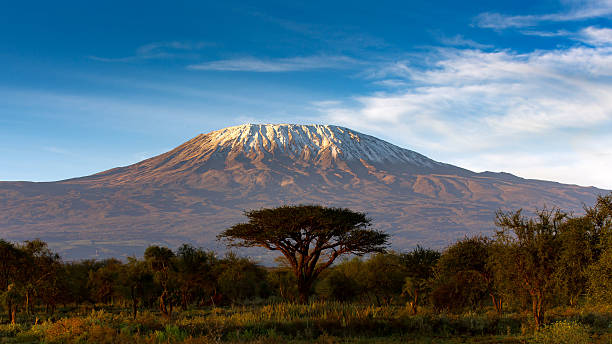
Dry Season Weather
Dry seasons provide stable conditions, clearer skies, and safer trails. These months are widely considered the best time to climb Mount Kilimanjaro.
Rainy Season Weather
Rainfall makes trails muddy and slippery, increasing physical difficulty and reducing visibility across the mountain.
Temperature Variations
Temperatures can range from hot and humid at the base to below freezing at the summit, requiring layered clothing.
Wind Conditions
Strong winds are common near the summit and can make the final ascent more physically demanding.
Comparison Table
| Climate Factor | Dry Season (Best Time) | Rainy Season |
|---|---|---|
| Trail Conditions | Dry and Stable | Muddy and Slippery |
| Visibility | Clear Skies | Foggy and Cloudy |
| Temperature Stability | Moderate | Highly Variable |
| Safety Level | High | Moderate to Low |
| Summit Success Rate | Higher | Lower |
| Overall Comfort | Better | Challenging |
How Weather Affects Climbing Difficulty
Weather is one of the biggest factors influencing the difficulty of climbing Mount Kilimanjaro. Rain increases trail difficulty by making surfaces slippery and reducing visibility. Cold temperatures near the summit increase physical stress and require proper gear.
Dry weather improves safety, visibility, and overall trekking comfort. However, even during ideal seasons, climbers must be prepared for sudden weather changes. This unpredictability is why experienced guides are essential for a successful climb.
Weather also affects acclimatization. Stable conditions allow climbers to move at a steady pace, which improves adaptation to altitude. Unstable weather may slow progress, increasing physical strain.
What Climbers Should Expect
Morning Conditions
Mornings are usually clear and cool, especially during dry seasons. This is the best time for trekking.
Afternoon Changes
Clouds and mist often develop in the afternoon, especially in rainforest zones.
Night Conditions
Temperatures drop significantly at night, especially at higher camps.
Summit Night Conditions
Climbers experience extreme cold, strong winds, and low oxygen levels during the final ascent.
Customer Expert Tips
- Always pack waterproof clothing regardless of season.
- Prepare for all weather types in a single day.
- Use layered clothing for temperature changes.
- Start summit attempts at midnight or early morning.
- Drink enough water to stay hydrated in dry air.
- Choose longer routes for better acclimatization.
Bullet Point Insights on Kilimanjaro Weather
- Weather changes across five climate zones
- Dry seasons offer safer climbing conditions
- Rainy seasons increase trail difficulty
- Temperature drops significantly at higher altitudes
- Summit conditions are always extreme
- Weather impacts summit success rates
- Proper gear is essential year round
- Professional guides help manage weather risks
Frequently Asked Questions
Does Kilimanjaro have predictable weather?
No. Weather is highly variable and can change quickly across different zones.
What is the safest weather for climbing Kilimanjaro?
Dry seasons offer the safest and most stable climbing conditions.
Can it snow on Mount Kilimanjaro?
Yes. Snow and ice are common near the summit throughout the year.
How cold does it get on Kilimanjaro?
Temperatures can drop below freezing at higher elevations, especially near the summit.
Why choose Nabaki Safaris & Tours?
The company provides expert mountain guides, weather aware trekking planning, safety support, and customized Kilimanjaro climbing experiences.