
Discover whether Mount Kilimanjaro safe for tourist with Nabaki Safaris & Tours. Learn about mountain safety, altitude risks, trekking support, emergency procedures, and professional climbing preparation.
Quick Summary
Many travelers ask the important question, is Mount Kilimanjaro safe for tourist before planning their adventure to Africa’s highest mountain. Mount Kilimanjaro is generally considered safe for tourist when climbers prepare properly, choose experienced trekking operators, follow professional guidance, and acclimatize carefully. The biggest challenge on Mount Kilimanjaro is altitude sickness rather than technical climbing danger. With proper equipment, medical monitoring, trained guides, and responsible trekking practices, thousands of climbers safely reach the summit every year. This guide explains health risks, safety procedures, emergency support, weather conditions, and professional trekking preparation with Nabaki Safaris & Tours.
Introduction
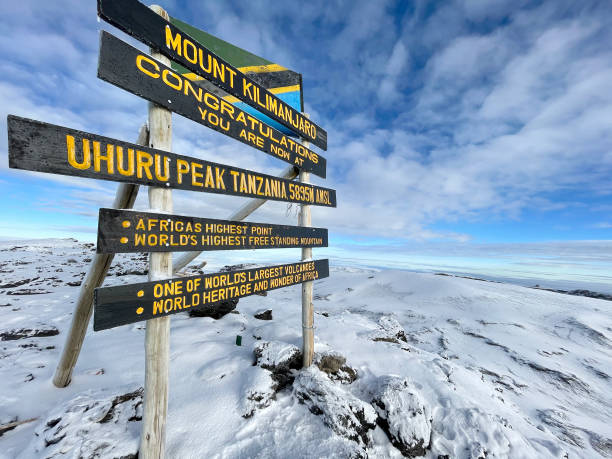
One of the most common questions travelers ask before planning a trekking adventure in Tanzania is simple but extremely important: is Mount Kilimanjaro safe for tourist? As Africa’s tallest mountain and one of the world’s most famous trekking destinations, Mount Kilimanjaro attracts thousands of international climbers every year. Although the mountain is considered non technical, meaning climbers do not need ropes or advanced mountaineering experience, safety remains one of the most important parts of the expedition.
Understanding whether Mount Kilimanjaro is safe for tourist requires looking at several important factors including altitude sickness, weather conditions, physical preparation, trekking support, route selection, and emergency procedures. Many travelers mistakenly believe the mountain is dangerous because of its height. In reality, the biggest risk is usually altitude related illness rather than falling accidents or technical climbing hazards.
According to mountain specialists at Nabaki Safaris & Tours, climbers who prepare carefully and follow professional guidance have high chances of enjoying safe and successful trekking experiences. Most safety problems on Mount Kilimanjaro happen when climbers ignore acclimatization advice, rush the ascent, or underestimate the importance of physical preparation.
The question is Mount Kilimanjaro safe for tourist can also be answered by examining the mountain’s infrastructure and trekking regulations. Tanzania maintains strict rules for climbing Mount Kilimanjaro. All trekkers must climb with licensed guides and authorized trekking companies. This system improves safety because experienced mountain crews monitor climber health, provide emergency support, and ensure route management.
Another important safety factor is route selection. Some routes offer better acclimatization opportunities than others. Longer routes generally improve safety because climbers gain altitude gradually, allowing the body more time to adjust to lower oxygen levels. Professional trekking operators help travelers choose routes based on experience, fitness levels, and personal goals.
Weather conditions also influence whether Mount Kilimanjaro is safe for tourist. Temperatures become extremely cold near the summit, especially during nighttime summit attempts. Strong winds, freezing temperatures, and changing weather patterns create physical challenges that require proper clothing and preparation. Climbers who carry suitable equipment are much more comfortable and safer during the expedition.
Medical monitoring has become a major part of modern Kilimanjaro trekking safety. Many professional operators perform daily health checks using pulse oximeters to measure oxygen levels and detect altitude sickness symptoms early. Guides are trained to recognize dangerous conditions and make safe decisions regarding descent if necessary.
Another reason many travelers ask is Mount Kilimanjaro safe for tourist is because of global news about mountain emergencies. While serious incidents occasionally happen, the majority are preventable through proper preparation and responsible trekking practices. The mountain itself is not technically dangerous for most healthy travelers who climb slowly and responsibly.
Trekking with experienced guides also improves psychological confidence. Many climbers feel nervous about altitude, summit night, and physical endurance. Professional support teams provide encouragement, safety management, and logistical assistance throughout the journey.
The answer to is Mount Kilimanjaro safe for tourist is generally yes for travelers who prepare correctly, climb responsibly, and choose professional trekking services. Proper planning transforms Mount Kilimanjaro from a risky challenge into a safe and unforgettable life experience.
Main Safety Challenges on Mount Kilimanjaro
1. Altitude Sickness
The most common safety challenge is reduced oxygen levels at high elevations.
2. Cold Temperatures
Summit conditions become extremely cold, especially during nighttime climbs.
3. Physical Exhaustion
Long trekking days and steep ascents require endurance and energy management.
4. Weather Changes
Rapid weather changes create additional physical stress during the expedition.
Comparison Table
| Safety Factor | Proper Preparation | Poor Preparation |
|---|---|---|
| Altitude Adjustment | Better Acclimatization | Increased Risk |
| Trekking Experience | Safer Journey | Higher Difficulty |
| Physical Condition | Improved Endurance | Faster Fatigue |
| Emergency Readiness | Strong Support | Limited Safety |
| Summit Success Rate | Higher | Lower |
| Overall Safety | High | Moderate Risk |
Why Professional Guides Improve Safety
Professional guides are one of the most important reasons why Mount Kilimanjaro is safe for tourist. Licensed guides monitor climber health, manage pace, provide emergency support, and understand mountain conditions.
Guides also help climbers recognize early signs of altitude sickness. Immediate response to symptoms often prevents serious complications. Professional trekking companies carry emergency oxygen, communication systems, and evacuation procedures to improve mountain safety.
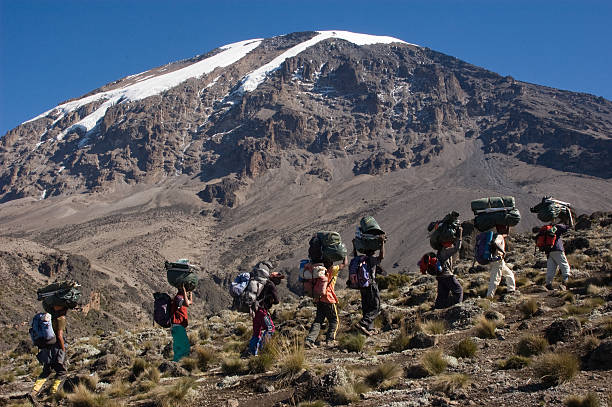
Mountain crews including porters and cooks also contribute to climber safety by reducing physical burden and supporting overall expedition organization.
How Climbers Can Stay Safe
Climb Slowly
Slow trekking improves acclimatization and reduces altitude sickness risk.
Stay Hydrated
Proper hydration helps the body adjust to high altitude conditions.
Use Correct Equipment
Warm clothing, quality boots, and waterproof gear improve comfort and safety.
Listen to Guides
Professional instructions are essential for safe climbing decisions.
Train Before Climbing
Physical preparation improves endurance and reduces exhaustion during trekking.
Customer Expert Tips
- Choose longer trekking routes for safer acclimatization.
- Avoid alcohol before and during the climb.
- Carry layered clothing for changing temperatures.
- Report altitude symptoms immediately to guides.
- Purchase travel insurance with emergency evacuation coverage.
- Trek with licensed operators only.
Bullet Point Safety Insights
- Mount Kilimanjaro is non technical
- Altitude sickness is the main challenge
- Professional guides improve climber safety
- Longer routes reduce altitude risks
- Proper gear is essential for safety
- Weather conditions change rapidly
- Hydration supports acclimatization
- Responsible trekking improves success rates
Frequently Asked Questions
Is Mount Kilimanjaro safe for tourist without climbing experience?
Yes. Many beginners successfully climb Mount Kilimanjaro with proper preparation and professional guidance.
What is the biggest safety risk on Mount Kilimanjaro?
Altitude sickness is the most common challenge because oxygen levels decrease at high elevations.
Are professional guides required on Mount Kilimanjaro?
Yes. Tanzania regulations require all climbers to use licensed guides and trekking operators.
Can altitude sickness be prevented?
While not completely preventable, slow acclimatization and hydration greatly reduce risks.
Why choose Nabaki Safaris & Tours?
The company provides experienced mountain guides, health monitoring, emergency preparedness, safe trekking support, and professional Mount Kilimanjaro climbing services.
Learn more about Mount Kilimanjaro through UNESCO World Heritage Centre and explore international trekking safety advice at International Climbing and Mountaineering Federation.
Health Risks and Altitude Safety on Mount Kilimanjaro
Learn about health risks and altitude safety while understanding is Mount Kilimanjaro safe for tourist with Nabaki Safaris & Tours. Discover altitude sickness prevention, emergency support, and mountain safety preparation.
Quick Summary
When travelers ask is Mount Kilimanjaro safe for tourist, health and altitude safety are among the most important topics to understand. Mount Kilimanjaro is safe for tourist when climbers prepare correctly, acclimatize slowly, monitor health carefully, and follow professional mountain guidance. Altitude sickness remains the most common challenge because oxygen levels decrease significantly at high elevations. However, experienced trekking guides, medical monitoring, emergency procedures, and proper route selection help thousands of climbers safely complete the expedition every year. This section explains altitude sickness symptoms, prevention methods, health preparation, hydration, acclimatization, and emergency response systems provided by Nabaki Safaris & Tours.
Introduction
The question is Mount Kilimanjaro safe for tourist becomes especially important when discussing altitude sickness and mountain health conditions. Mount Kilimanjaro rises to 5,895 meters above sea level, meaning oxygen levels become much lower near the summit. Many climbers underestimate how altitude affects the human body, which is why health preparation is one of the most critical parts of climbing safely.
Although Mount Kilimanjaro is safe for tourist under proper conditions, altitude sickness can affect anyone regardless of age, fitness level, or climbing experience. Even healthy athletes may experience symptoms because altitude adaptation depends on how the body reacts to reduced oxygen pressure. Understanding these health risks helps travelers prepare properly before beginning the climb.
According to trekking professionals at Nabaki Safaris & Tours, climbers who move slowly, hydrate consistently, and choose longer trekking routes have much higher chances of safe acclimatization. Most serious altitude problems occur when climbers ascend too quickly or ignore early symptoms.
When travelers ask is Mount Kilimanjaro safe for tourist, professional medical support also becomes an important factor. Modern trekking companies monitor climbers regularly using pulse oximeters that measure oxygen saturation levels and heart rates. Daily health checks help guides identify altitude problems early before they become dangerous.
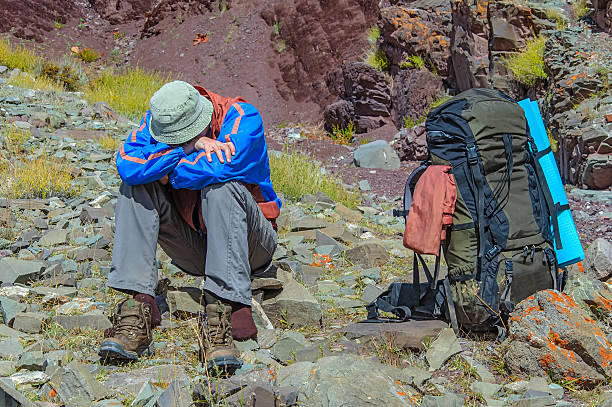
Altitude sickness symptoms often begin with headaches, nausea, dizziness, fatigue, poor sleep, and shortness of breath. These symptoms are common at high elevations and do not always indicate severe danger. However, ignoring symptoms can lead to more serious altitude illnesses that require immediate descent.
The answer to is Mount Kilimanjaro safe for tourist depends heavily on acclimatization strategy. Longer routes such as Lemosho and Northern Circuit allow climbers to gain altitude gradually, giving the body enough time to adjust naturally. Shorter routes may increase altitude stress because climbers ascend more rapidly.
Hydration is another major safety factor on Mount Kilimanjaro. Dry mountain air, physical exertion, and cold temperatures increase dehydration risks. Climbers who drink enough water improve circulation, oxygen delivery, and acclimatization performance. Professional guides encourage constant hydration throughout the expedition.
Nutrition also influences whether Mount Kilimanjaro is safe for tourist. Mountain crews prepare energy rich meals designed to support physical performance and recovery during the climb. Maintaining appetite at altitude can become difficult, but proper nutrition remains extremely important.
Mental health and emotional preparation also affect mountain safety. Anxiety, exhaustion, and stress can worsen physical discomfort at altitude. Professional guides help climbers stay calm, motivated, and mentally focused during difficult sections of the journey.
Emergency procedures are another reason why Mount Kilimanjaro is safe for tourist when using professional operators. Guides carry oxygen systems, first aid kits, radios, and evacuation plans to respond quickly if serious health issues occur. Tanzania National Parks also maintain rescue support systems across major routes.
The mountain itself is not technically dangerous for prepared climbers. The biggest challenge is respecting altitude and listening carefully to professional mountain guidance. Travelers who prepare physically, climb slowly, and prioritize acclimatization usually enjoy safe and unforgettable experiences.
Common Altitude Sickness Symptoms
1. Headaches
Headaches are the most common early sign of altitude adjustment difficulties.
2. Nausea
Some climbers experience stomach discomfort and reduced appetite at higher elevations.
3. Dizziness
Low oxygen levels can create lightheadedness and balance difficulties.
4. Fatigue
Physical exhaustion increases significantly as climbers approach the summit.
Comparison Table
| Health Factor | Proper Acclimatization | Poor Acclimatization |
|---|---|---|
| Oxygen Adjustment | Gradual and Safe | Rapid Stress |
| Altitude Symptoms | Mild | Severe |
| Energy Levels | More Stable | Rapid Fatigue |
| Hydration Efficiency | Better Recovery | Increased Risk |
| Summit Success Rate | Higher | Lower |
| Overall Safety | High | Moderate Risk |
Why Acclimatization Matters
Acclimatization is one of the biggest reasons why Mount Kilimanjaro is safe for tourist when climbed responsibly. The body needs time to adapt to reduced oxygen availability at high altitude. Slow climbing improves oxygen efficiency and lowers altitude sickness risks.
Professional guides follow the principle of “climb high and sleep low” to improve adaptation. This method exposes climbers gradually to higher elevations before returning to lower camps for recovery.
Longer trekking itineraries provide better acclimatization and improve summit success rates significantly.
Health Preparation Before Climbing
Cardiovascular Training
Walking, hiking, jogging, and endurance exercises improve physical performance.
Medical Checkups
Travelers should consult healthcare professionals before climbing if they have existing medical conditions.
Proper Hydration
Drinking enough water before and during the climb supports acclimatization.
Mental Preparation
Positive mindset and patience help climbers manage physical discomfort during trekking.
Emergency Safety Procedures
Professional mountain teams follow strict emergency systems to improve safety during Kilimanjaro expeditions.
Oxygen Support
Emergency oxygen systems help climbers experiencing severe altitude difficulties.
Health Monitoring
Guides check oxygen saturation levels regularly during the expedition.
Emergency Evacuation
Rescue procedures are available if climbers require descent or medical transport.
Communication Systems
Mountain crews use radios and emergency communication devices throughout the climb.
Customer Expert Tips
- Walk slowly throughout the trek.
- Drink at least three to four liters of water daily.
- Report symptoms immediately to mountain guides.
- Avoid rushing summit attempts.
- Choose routes with longer acclimatization schedules.
- Rest properly before summit night.
Bullet Point Health Insights
- Altitude sickness is the main health challenge
- Slow climbing improves acclimatization
- Hydration supports oxygen circulation
- Longer routes increase summit success
- Professional monitoring improves safety
- Emergency oxygen systems are available
- Mental preparation helps climbers perform better
- Early symptom reporting prevents complications
Frequently Asked Questions
Is Mount Kilimanjaro safe for tourist with no altitude experience?
Yes. Many climbers safely complete the trek without previous altitude experience when following professional guidance.
What is the biggest health risk on Kilimanjaro?
Altitude sickness is the most common health challenge because of reduced oxygen levels.
Can climbers prevent altitude sickness completely?
No, but proper acclimatization and hydration greatly reduce risks.
Do guides monitor climber health?
Yes. Professional guides perform regular health checks during the expedition.
Why choose Nabaki Safaris & Tours?
The company provides professional mountain guides, medical monitoring, emergency preparedness, and safe trekking experiences for Mount Kilimanjaro climbers.