
Discover the best weather guide on Mount Kilimanjaro with Nabaki Safaris & Tours. Learn about Mount Kilimanjaro weather conditions, rainfall, temperatures, climbing seasons, and expert trekking preparation tips.
Quick Summary
The best weather guide on Mount Kilimanjaro helps climbers understand seasonal weather changes, temperature differences, rainfall patterns, and trekking conditions before attempting Africa’s highest mountain. Mount Kilimanjaro weather changes dramatically across different altitude zones, making preparation extremely important for a successful climb. Dry seasons between January to March and June to October usually provide the best trekking conditions because of clearer skies, lower rainfall, and safer trails. This best weather guide on Mount Kilimanjaro explains climate zones, monthly weather conditions, climbing challenges, and expert preparation advice from Nabaki Safaris & Tours.
Introduction
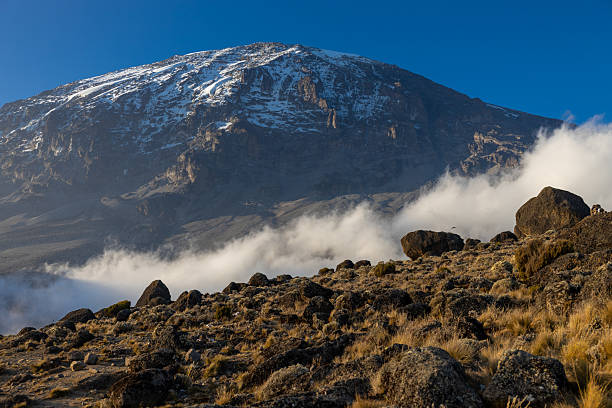
Understanding the best weather guide on Mount Kilimanjaro is essential for anyone planning to climb Africa’s highest mountain. Weather conditions on Mount Kilimanjaro change rapidly and can directly affect trekking safety, visibility, comfort, and summit success. Many climbers underestimate how important weather preparation is before starting their adventure. The mountain contains several climate zones, each with completely different environmental conditions.
The best weather guide on Mount Kilimanjaro helps travelers understand how temperatures, rainfall, altitude, and seasonal changes influence the trekking experience. At the base of the mountain, weather conditions are warm and humid. Near the summit, temperatures become extremely cold with snow, ice, and strong winds. This dramatic environmental variation makes Mount Kilimanjaro one of the world’s most unique trekking destinations.
According to mountain specialists at Nabaki Safaris & Tours, weather preparation is one of the most important factors for successful climbing experiences. Climbers who understand Mount Kilimanjaro weather conditions are better prepared physically and mentally for the journey.
The best weather guide on Mount Kilimanjaro also explains the two main climbing seasons. The first dry season usually occurs between January and March, while the second and most popular season happens from June to October. These periods attract the highest number of climbers because trails are drier, skies are clearer, and trekking conditions are safer.
Rainy seasons create more difficult trekking conditions. Heavy rain increases trail slipperiness, reduces visibility, and creates colder camping experiences. However, rainy months also provide greener landscapes and fewer crowds for travelers who prefer quieter expeditions.
One reason climbers search for the best weather guide on Mount Kilimanjaro is because altitude affects weather unpredictably. Climbers may experience sunshine, rain, fog, and freezing temperatures within a single day. This unpredictability requires proper clothing, equipment, and professional guidance.
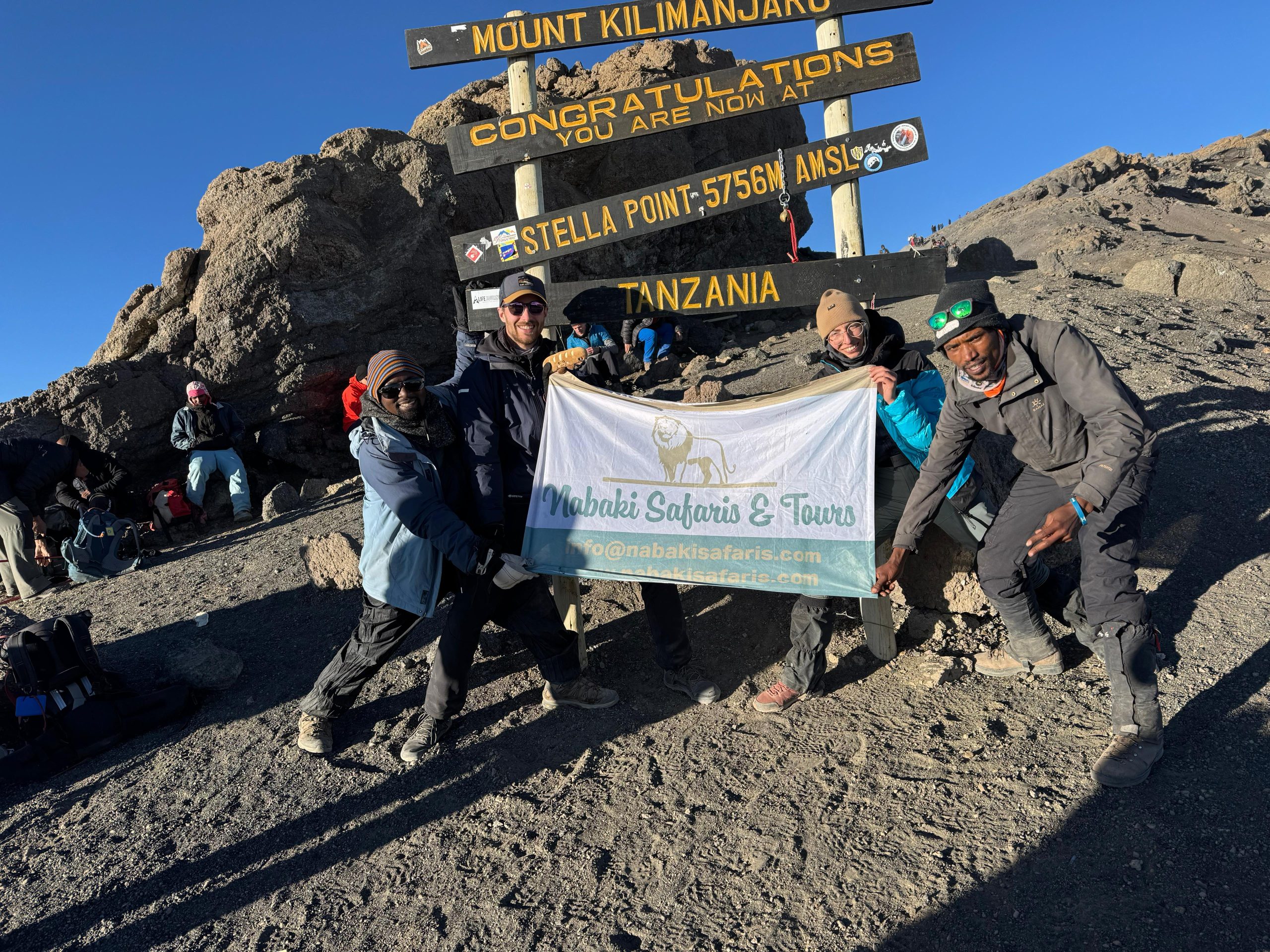
The mountain contains five climate zones including cultivated land, rainforest, moorland, alpine desert, and arctic summit conditions. Each zone creates different weather challenges and environmental experiences. The rainforest zone often receives heavy rainfall, while the summit zone experiences freezing temperatures year round.
Another important part of the best weather guide on Mount Kilimanjaro is understanding how weather influences acclimatization. Stable weather conditions help climbers adjust gradually to decreasing oxygen levels. Poor weather conditions increase physical stress and can affect climbing performance.
Weather conditions also impact photography experiences on Mount Kilimanjaro. Dry seasons usually provide clear sunrise views, panoramic scenery, and excellent visibility above the clouds. Many climbers specifically choose dry months to enjoy better mountain landscapes and photography opportunities.
The best weather guide on Mount Kilimanjaro helps travelers choose suitable trekking routes based on seasonal conditions. Some routes perform better during wet weather because of gentler slopes and improved drainage systems. Professional trekking companies often recommend routes according to weather forecasts and climber preferences.
Travelers preparing for Mount Kilimanjaro should always expect changing conditions regardless of season. Proper layering systems, waterproof clothing, gloves, insulated jackets, and quality hiking boots remain essential throughout the year. Climbers who prepare carefully enjoy safer and more comfortable adventures.
Mount Kilimanjaro Climate Zones
1. Cultivated Zone
The lower slopes contain farms and villages with warm temperatures and humid conditions throughout the year.
2. Rainforest Zone
This area receives frequent rainfall and supports dense vegetation, wildlife, and moist trekking conditions.
3. Moorland Zone
Temperatures become cooler and landscapes become more open with changing weather patterns.
4. Alpine Desert Zone
Dry air, cold winds, and rocky landscapes dominate this section of the mountain.
5. Arctic Summit Zone
Freezing temperatures, snow, glaciers, and strong winds define the summit environment.
Comparison Table
| Weather Factor | Dry Season | Rainy Season |
|---|---|---|
| Trail Conditions | Dry and Stable | Wet and Muddy |
| Visibility | Clear Views | Cloudy Conditions |
| Photography Quality | Excellent | Moderate |
| Temperature Comfort | Better | Colder and Wet |
| Trekking Difficulty | Moderate | Higher Difficulty |
| Summit Success Rate | Higher | Lower |
Best Months According to the Best Weather Guide on Mount Kilimanjaro
January to March
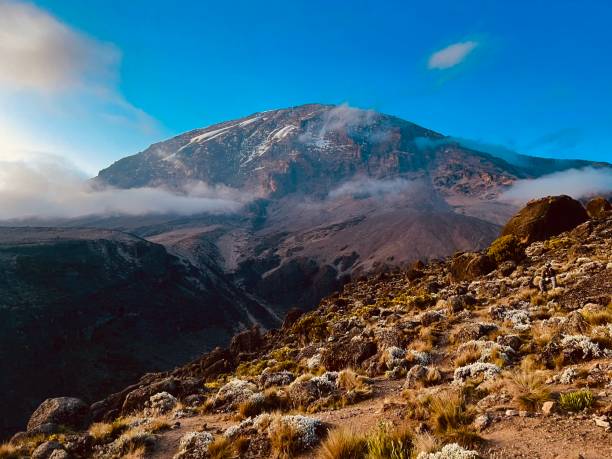
These months offer cooler temperatures, clearer skies, and moderate climbing traffic.
June to October
This period is widely considered the best time for trekking because of dry conditions and excellent visibility.
November to December
Short rains occur during these months, creating greener scenery and fewer tourists.
April and May
Heavy rains make climbing more difficult because of slippery trails and poor visibility.
Weather Challenges on Mount Kilimanjaro
Altitude Changes
Weather conditions become colder and harsher with increasing elevation.
Strong Summit Winds
High winds near the summit increase physical difficulty during summit attempts.
Rapid Weather Changes
Conditions may shift quickly between sunshine, rain, fog, and cold temperatures.
Cold Temperatures
Even during dry seasons, summit temperatures can fall below freezing.
Customer Expert Tips
- Carry waterproof trekking gear in every season.
- Dress in multiple layers for temperature adjustment.
- Protect electronics from rain and cold weather.
- Start summit climbs during nighttime hours.
- Stay hydrated despite cold temperatures.
- Follow weather guidance from professional mountain guides.
Bullet Point Weather Insights
- Mount Kilimanjaro has five climate zones
- Dry seasons provide better trekking conditions
- Rainfall affects trail safety and visibility
- Summit temperatures remain freezing year round
- Weather changes rapidly across elevations
- Proper gear improves climbing comfort
- Stable weather supports acclimatization
- Professional guidance improves safety
Frequently Asked Questions
What is the best weather guide on Mount Kilimanjaro?
The best weather guide on Mount Kilimanjaro explains climate zones, seasonal conditions, temperatures, rainfall, and trekking preparation.
Which months have the best weather conditions?
January to March and June to October usually offer the best weather for climbing.
Does Mount Kilimanjaro experience snow?
Yes. Snow and ice remain present near the summit throughout the year.
How cold does Mount Kilimanjaro become?
Temperatures near the summit can fall below freezing, especially during nighttime climbs.
Why choose Nabaki Safaris & Tours?
The company provides expert trekking support, weather aware climbing plans, experienced mountain guides, and safe Kilimanjaro expeditions.
Learn more about Mount Kilimanjaro through UNESCO World Heritage Centre and explore global mountain weather information at World Meteorological Organization.