Serengeti Migration Explained in detail including migration routes, river crossings, wildlife seasons, safari tips, and travel advice by Nabak Safaris and Tours.
Quick Summary
Understanding the Great Migration is essential for anyone planning a Tanzania safari. This guide about Serengeti Migration Explained helps travelers understand how millions of wildebeest, zebras, and gazelles move across the Serengeti ecosystem every year searching for fresh grass and water. The migration is considered one of the greatest wildlife spectacles on Earth and attracts safari travelers, photographers, and wildlife lovers from around the world.
Safari experts from Nabak Safaris and Tours help visitors experience the migration at the perfect time and in the best locations across Serengeti National Park.
Main Highlights
- Over two million animals migrate annually
- Famous Mara River crossings occur between July and September
- Calving season happens from January to March
- Migration follows rainfall patterns
- Predators closely follow migration herds
- Serengeti offers year-round wildlife viewing
What Is the Great Migration?
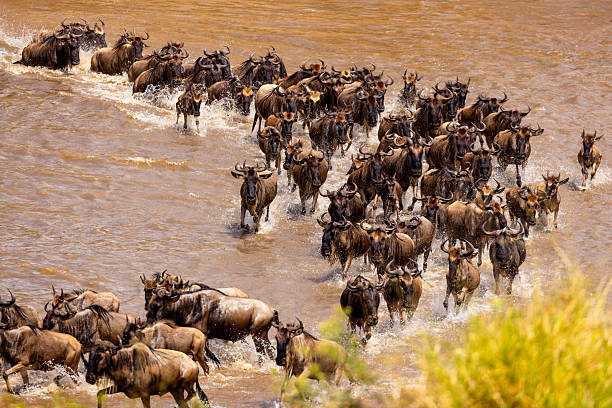
The topic of Serengeti Migration Explained begins with understanding the migration itself. The Great Migration is a continuous circular movement of wildebeest, zebras, and gazelles through the Serengeti ecosystem in Tanzania and Kenya’s Maasai Mara.
The migration is driven by:
- Rainfall patterns
- Fresh grazing availability
- Water access
- Seasonal climate changes
Main Animals Involved
| Animal | Estimated Population |
|---|---|
| Wildebeest | 1.5 million+ |
| Zebras | 300,000+ |
| Gazelles | 500,000+ |
This extraordinary movement creates dramatic wildlife interactions throughout the year.
According to African Wildlife Foundation, the Great Migration is one of the largest surviving terrestrial wildlife movements on Earth.
Why the Migration Happens
One of the most important parts of Serengeti Migration Explained involves understanding why animals migrate in the first place.
The migration exists because herbivores constantly search for:
- Fresh green grass
- Better nutrition
- Rain-fed grazing areas
- Water sources
As rainfall shifts between Serengeti and Maasai Mara, the herds naturally follow the most productive grazing areas.
Key Migration Drivers
- Seasonal rain cycles
- Grass quality
- Survival instincts
- Predator pressure
- Calving needs
Without migration, the Serengeti ecosystem would struggle to maintain ecological balance.
Migration Calendar Throughout the Year
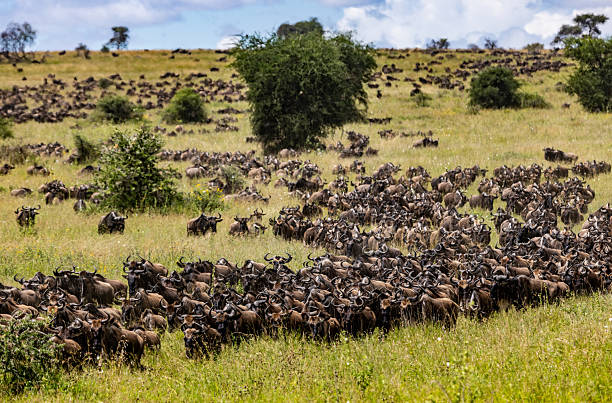
Understanding the migration timeline is essential when learning about Serengeti Migration Explained because wildlife movement changes every month.
January to March – Calving Season
The southern Serengeti becomes extremely active during this period.
What Happens
- Hundreds of thousands of calves are born
- Predator activity increases
- Grass plains become crowded with wildlife
Why This Season Is Special
| Feature | Experience |
|---|---|
| Baby Animals | Excellent viewing |
| Predator Hunts | Very active |
| Photography | Outstanding |
Travelers visiting with Nabak Safaris and Tours often choose this season for dramatic wildlife photography and predator action.
April to May – Movement Toward Western Corridor
Another important stage in Serengeti Migration Explained occurs when herds move northwest toward the Western Corridor.
Migration Activities
- Long migration lines form
- Heavy rains begin
- Tourist numbers decrease
Safari Advantages
- Fewer safari vehicles
- Lower accommodation costs
- Beautiful green landscapes
Although rainfall increases during this period, wildlife experiences remain excellent.
June to July – Grumeti River Crossings
This phase of Serengeti Migration Explained introduces one of the first dramatic river crossing experiences.
What Happens
- Herds approach Grumeti River
- Crocodiles become active
- Predators follow migration routes
Wildlife Highlights
- Crocodile attacks
- Lion hunting activity
- Massive wildebeest herds
Safari guides from Nabak Safaris and Tours strategically position travelers for the best migration viewing opportunities.
August to September – Mara River Crossings
The most famous stage of Serengeti Migration Explained occurs during Mara River crossings in Northern Serengeti.
Why Mara River Crossings Are Famous
- Thousands of wildebeest jump into rivers
- Nile crocodiles attack crossing animals
- Predator action increases dramatically
Why Travelers Love This Season
| Experience | Quality |
|---|---|
| Wildlife Drama | Exceptional |
| Photography | World-class |
| Predator Sightings | Excellent |
This is considered peak safari season in Serengeti because migration activity reaches its highest intensity.
October to December – Return to Southern Serengeti
The final stage of Serengeti Migration Explained involves the return movement toward southern Serengeti.
What Happens
- Rainfall begins again in southern plains
- Herds move southward
- Grazing conditions improve
This movement completes the annual migration cycle before calving season begins again.
Predators and the Great Migration
Another fascinating part of Serengeti Migration Explained involves predator behavior during migration season.
Predators closely follow migration herds because the migration provides:
- Constant food supply
- Hunting opportunities
- Increased prey concentration
Main Predators Following the Migration
- Lions
- Cheetahs
- Leopards
- Hyenas
- Crocodiles
Predator Comparison Table
| Predator | Hunting Style |
|---|---|
| Lions | Group ambush |
| Cheetahs | High-speed chase |
| Leopards | Solitary attack |
| Hyenas | Opportunistic hunting |
Predator interactions create some of Africa’s most dramatic safari moments.
Best Time to Witness the Migration
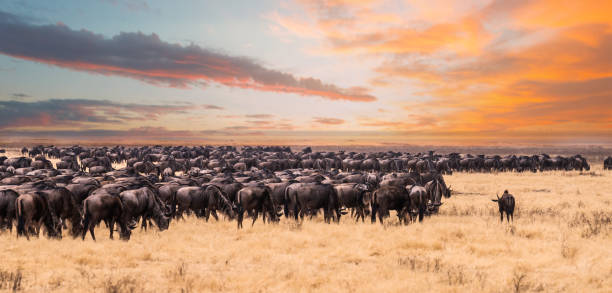
Travelers researching Serengeti Migration Explained often want to know the best safari season.
Best Migration Months
| Months | Migration Experience |
|---|---|
| January–March | Calving season |
| June–July | Grumeti crossings |
| August–September | Mara crossings |
Factors to Consider
- Budget
- Weather
- Crowd levels
- Photography goals
- Wildlife interests
Safari specialists from Nabak Safaris and Tours help travelers choose the best safari dates based on migration activity.
Why Travelers Choose Nabak Safaris and Tours
Visitors searching for professional guidance about Serengeti Migration Explained often choose Nabak Safaris and Tours because of:
- Expert migration guides
- Customized safari itineraries
- Luxury and budget safari options
- Excellent wildlife tracking
- Personalized customer support
Safari Services Offered
- Great Migration safaris
- Photography tours
- Family safaris
- Luxury lodge safaris
- Budget camping safaris
- Honeymoon experiences
The company focuses on delivering unforgettable migration experiences across all Serengeti regions.
Customer Migration Experience
“Our migration safari with Nabak Safaris and Tours was unbelievable. We witnessed the Mara River crossing, lion hunts, and thousands of wildebeest moving across the plains.”
Section 1 FAQ
What is the Great Migration?
The Great Migration is the annual movement of wildebeest, zebras, and gazelles across Serengeti and Maasai Mara ecosystems.
When do river crossings happen?
River crossings usually occur between July and September.
What animals participate in the migration?
Wildebeest, zebras, and gazelles are the main migrating animals.
Which season is best for migration photography?
August and September provide exceptional migration photography opportunities.
Does Nabak Safaris and Tours organize migration safaris?
Yes. Nabak Safaris and Tours offers customized Serengeti migration safaris throughout the year.