
Discover the best time to trek Mount Meru in Tanzania with Nabak Safaris and Tours. Learn weather conditions, trekking seasons, wildlife, routes, and expert travel tips
Introduction
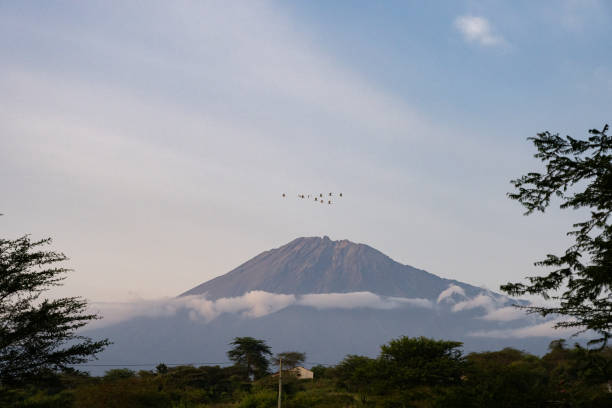
Nabak Safaris and Tours provides expertly designed trekking experiences in northern Tanzania, and one of the most frequently asked questions by adventure travelers is the best time to trek Mount Meru. Mount Meru is Tanzania’s second-highest mountain and one of the most scenic trekking destinations in East Africa. Located inside Arusha National Park, the mountain offers a unique combination of wildlife, volcanic landscapes, lush forests, and panoramic views of Mount Kilimanjaro in the distance.
Understanding the best time to trek Mount Meru is essential for travelers who want to enjoy safe climbing conditions, clear mountain views, and comfortable weather. Unlike Kilimanjaro, Mount Meru provides a quieter and more intimate trekking experience, making it ideal for hikers who prefer fewer crowds and more direct contact with nature. The trekking experience includes forest walks, steep volcanic ridges, wildlife encounters, and dramatic sunrise views from the summit.
Mount Meru stands at 4,566 meters (14,980 feet) and is considered both a trekking challenge and an acclimatization climb for those planning to summit Kilimanjaro later. The mountain is located within a protected national park, meaning trekkers often encounter wildlife such as giraffes, buffaloes, colobus monkeys, and various bird species during the early stages of the hike. This makes the journey not only physically rewarding but also visually spectacular.
The best time to trek Mount Meru is closely linked to Tanzania’s seasonal weather patterns. The mountain experiences two main dry seasons and two rainy seasons throughout the year. These weather changes significantly affect trail conditions, visibility, and trekking comfort. Choosing the right season can determine whether a trek is smooth and enjoyable or challenging and unpredictable.
Generally, the most recommended months for trekking Mount Meru are June to October and December to February. These periods are known as the dry seasons, where trails are less muddy, skies are clearer, and wildlife viewing is more reliable. During these months, trekkers enjoy better visibility of the crater rim, Ash Cone, and distant views of Kilimanjaro. However, each season offers a different type of trekking experience depending on traveler preferences.
The wet seasons, which occur from March to May and November, bring heavy rainfall to the mountain. While trekking is still possible during these months, trails can become slippery and cloud cover may reduce visibility. On the positive side, the forest becomes greener, waterfalls are more powerful, and wildlife activity increases. For photographers and experienced hikers, the wet season can offer dramatic and atmospheric trekking conditions.
Nabak Safaris and Tours carefully plans trekking itineraries based on seasonal conditions to ensure safety and maximize enjoyment. Professional mountain guides understand weather patterns and adjust trekking schedules accordingly. This ensures that travelers experience Mount Meru in the most favorable conditions possible.
Another important factor influencing the best time to trek Mount Meru is temperature variation. The mountain has multiple ecological zones, ranging from warm foothills to freezing summit conditions. Even during the dry season, temperatures at the summit can drop below freezing, especially during early morning summit attempts. Proper preparation and timing are essential for a successful climb.
The trekking route to Mount Meru typically takes 3 to 4 days, depending on the itinerary. Climbers pass through Momella Gate, lush rainforest zones, open heathlands, and rocky alpine environments before reaching Socialist Peak. Each zone provides a different ecological experience, making Mount Meru one of the most diverse trekking destinations in Tanzania.
For travelers planning a Tanzania adventure safari, Mount Meru is often combined with wildlife safaris in Serengeti and Ngorongoro. This combination allows visitors to experience both mountain trekking and classic African safari adventures in one trip. Many travelers choose Mount Meru as a warm-up climb before attempting Mount Kilimanjaro.
Because Mount Meru is located within a protected national park, trekking permits and park fees are required. Booking with a professional operator like Nabak Safaris and Tours ensures that all logistics, permits, accommodation, and safety arrangements are properly managed.
External reference for Tanzania national parks: Tanzania National Parks Authority
Quick Summary
- Mount Meru is best trekked during dry seasons (June–October & Dec–Feb)
- Wet seasons offer greener landscapes but slippery trails
- Located inside Arusha National Park with rich wildlife
- Ideal acclimatization trek before Kilimanjaro
- Nabak Safaris and Tours provides guided trekking experiences
- Weather conditions strongly affect trekking success and visibility
Why Timing Matters for Mount Meru Trekking
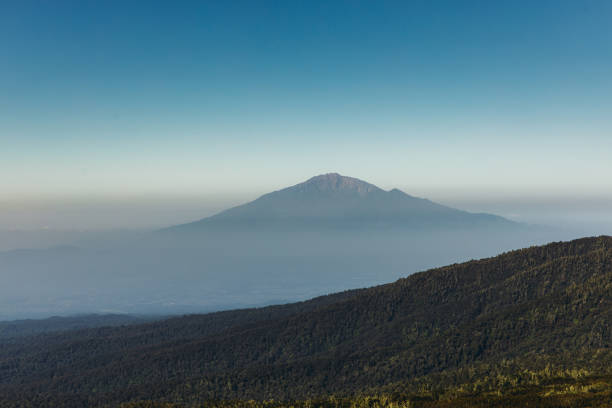
Choosing the best time to trek Mount Meru is important because weather directly affects safety, visibility, and trekking comfort. During dry months, trails remain firm and stable, allowing trekkers to move efficiently through forest and alpine zones. Clear skies also improve summit views, making the trekking experience more rewarding.
During rainy months, trekkers may face muddy trails and reduced visibility, especially in dense forest areas. However, experienced hikers sometimes prefer this season because it offers fewer tourists and a more secluded experience.
Comparison Table
| Season | Conditions | Visibility | Difficulty | Recommendation |
|---|---|---|---|---|
| June–Oct (Dry Season) | Dry & stable | Excellent | Moderate | Best time to trek |
| Dec–Feb (Dry Season) | Warm & clear | Very good | Moderate | Highly recommended |
| Mar–May (Rainy Season) | Heavy rain | Low | Hard | Experienced trekkers only |
| Nov (Short rains) | Mixed weather | Medium | Moderate | Conditional trekking |
Customer Experience
Travelers who trek Mount Meru with Nabak Safaris and Tours often describe the experience as peaceful, scenic, and highly rewarding. Many guests appreciate the professional guidance provided by mountain experts who understand terrain conditions and seasonal weather changes.
One traveler noted that trekking during the dry season allowed them to see Mount Kilimanjaro clearly from the summit, while another highlighted wildlife encounters such as buffaloes and giraffes during the lower forest zones.
Trekking Tips
- Always book through a licensed operator
- Prepare for both warm and cold temperatures
- Use layered clothing for changing conditions
- Carry waterproof gear during rainy seasons
- Allow proper acclimatization time
Frequently Asked Questions
What is the best time to trek Mount Meru?
The best time is during dry seasons: June–October and December–February.
Can beginners climb Mount Meru?
Yes, but a reasonable fitness level is required.
How long is the Mount Meru trek?
Usually 3–4 days depending on the itinerary.
Why choose Nabak Safaris and Tours?
Nabak Safaris and Tours offers professional guides, safety-focused trekking, and customized itineraries.
Conclusion
Understanding the best time to trek Mount Meru is essential for planning a successful and enjoyable climbing experience. With proper timing, travelers can enjoy clear views, safe trails, and unforgettable landscapes. Through expert planning and professional guidance, Nabak Safaris and Tours ensures that every trekking adventure on Mount Meru becomes a safe, memorable, and inspiring journey.