
- 8
- 8
- 8
- 7
Lake Manyara National park
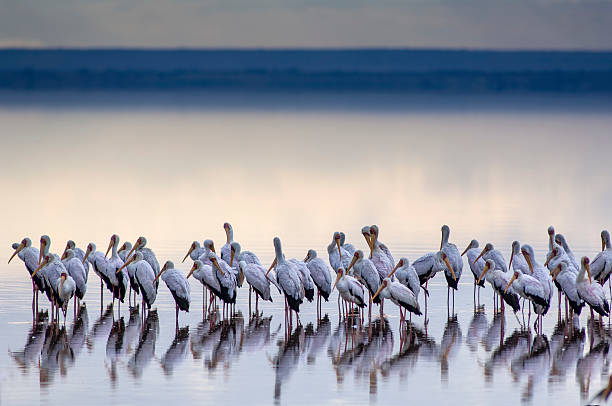
Where the Great Rift Valley Meets a Living Lake
Set beneath the dramatic escarpment of the Great Rift Valley in northern Tanzania, Lake Manyara National Park is a compact but remarkably diverse wildlife destination where forests, open grasslands, wetlands and the alkaline waters of Lake Manyara come together in one spectacular landscape.
Although smaller than Tanzania’s most famous safari destinations, Lake Manyara offers an extraordinary concentration of habitats and wildlife within a relatively short distance. The park is particularly known for its large elephant population, rich birdlife, lush groundwater forest and the famous tree-climbing lions that have made Lake Manyara one of the most distinctive safari destinations in Tanzania.
The landscape changes dramatically as you travel through the park. Dense evergreen forest gives way to open woodland and grassy plains, while seasonal wetlands and the shimmering lake create important habitats for thousands of birds and numerous wildlife species.
For travelers looking for a safari destination that combines scenery, wildlife and variety, Lake Manyara National Park offers an experience that is both intimate and remarkably diverse.
WHERE IS LAKE MANYARA NATIONAL PARK?
Lake Manyara National Park is located in northern Tanzania, approximately 120 kilometres west of Arusha and close to the town of Mto wa Mbu.
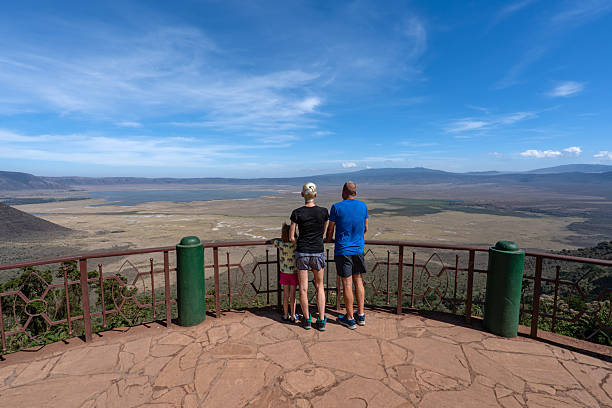
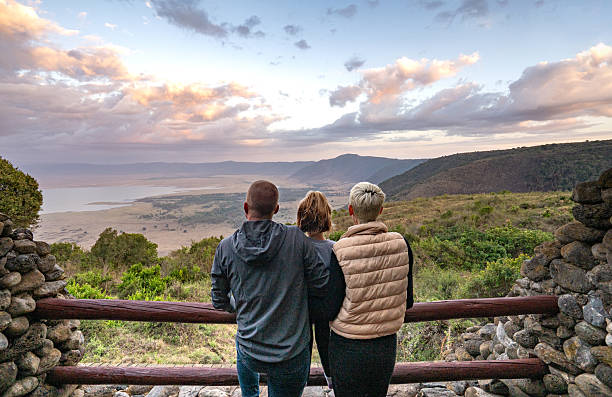
The park lies along the base of the Great Rift Valley escarpment, creating one of the most dramatic geographical settings in Tanzania.
The western boundary rises toward the steep Rift Valley escarpment, while the eastern side opens toward the shallow, alkaline waters of Lake Manyara.
This position between the escarpment and the lake is one of the reasons the park contains such a variety of ecosystems within a relatively small area.
Lake Manyara is also strategically positioned within the Northern Tanzania safari circuit, making it an excellent addition to itineraries that include Tarangire, Ngorongoro and Serengeti.
THE GREAT RIFT VALLEY LANDSCAPE
One of the defining features of Lake Manyara National Park is its relationship with the Great Rift Valley.
The dramatic escarpment rises above the park and provides a spectacular natural backdrop to game drives.
As you explore the park, you can experience the contrast between the towering Rift Valley wall, dense forest, open plains and the expansive lake.
This geological setting gives Lake Manyara a visual character that is very different from the endless savannah landscapes associated with Serengeti.
For photographers and landscape lovers, the combination of forest, escarpment, lake and wildlife creates some of the most varied scenery in northern Tanzania.
LAKE MANYARA
At the heart of the destination is Lake Manyara, a shallow alkaline lake whose size changes considerably depending on rainfall and seasonal conditions.
The lake is an important habitat for a remarkable variety of birds and other wildlife.
During suitable periods, the shoreline and shallow waters can attract large numbers of waterbirds, creating spectacular scenes across the lake.
The lake’s appearance also changes with the seasons. Water levels, vegetation and concentrations of wildlife can vary throughout the year, meaning that each visit can offer a somewhat different perspective of Manyara.
The lake itself is one of the most important elements of the park’s identity, giving the destination its name and contributing to its rich ecological diversity.
TREE-CLIMBING LIONS
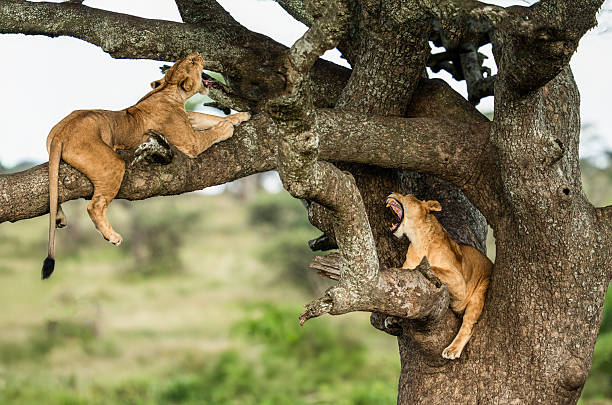
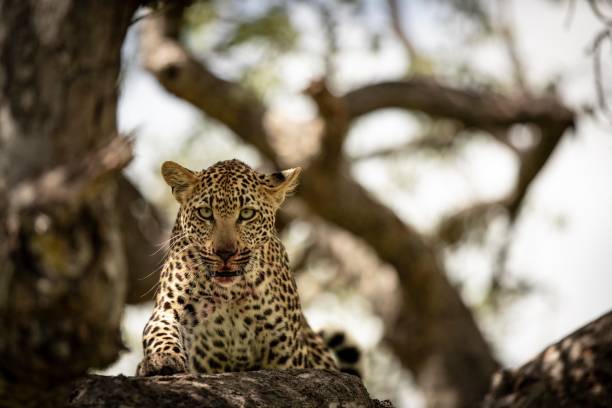
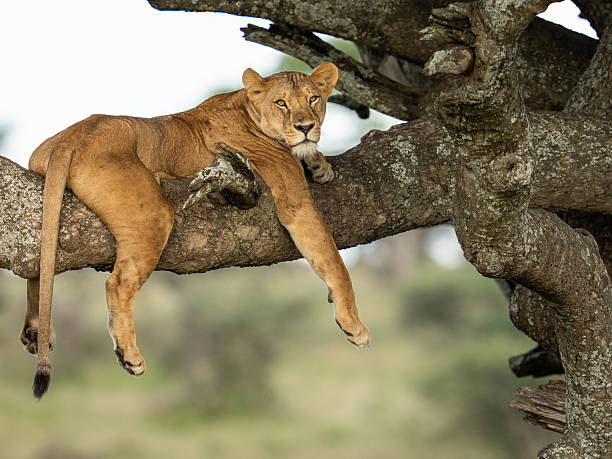
One of Lake Manyara’s most famous attractions is its tree-climbing lions.
Lions are occasionally observed resting in the branches of large trees within the park, providing an unusual and memorable wildlife sighting.
Seeing lions in trees is not guaranteed, as their behavior depends on individual animals, weather conditions and other environmental factors. However, the possibility of encountering them adds a distinctive element to a Lake Manyara safari.
The park’s tree-climbing lions have become one of the visual symbols associated with the destination and are particularly popular with wildlife photographers.
ELEPHANTS OF LAKE MANYARA
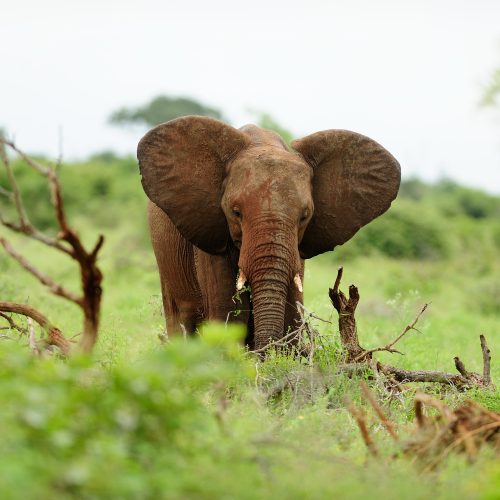
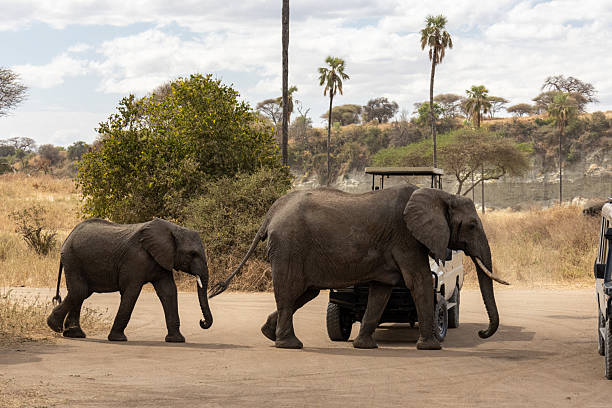
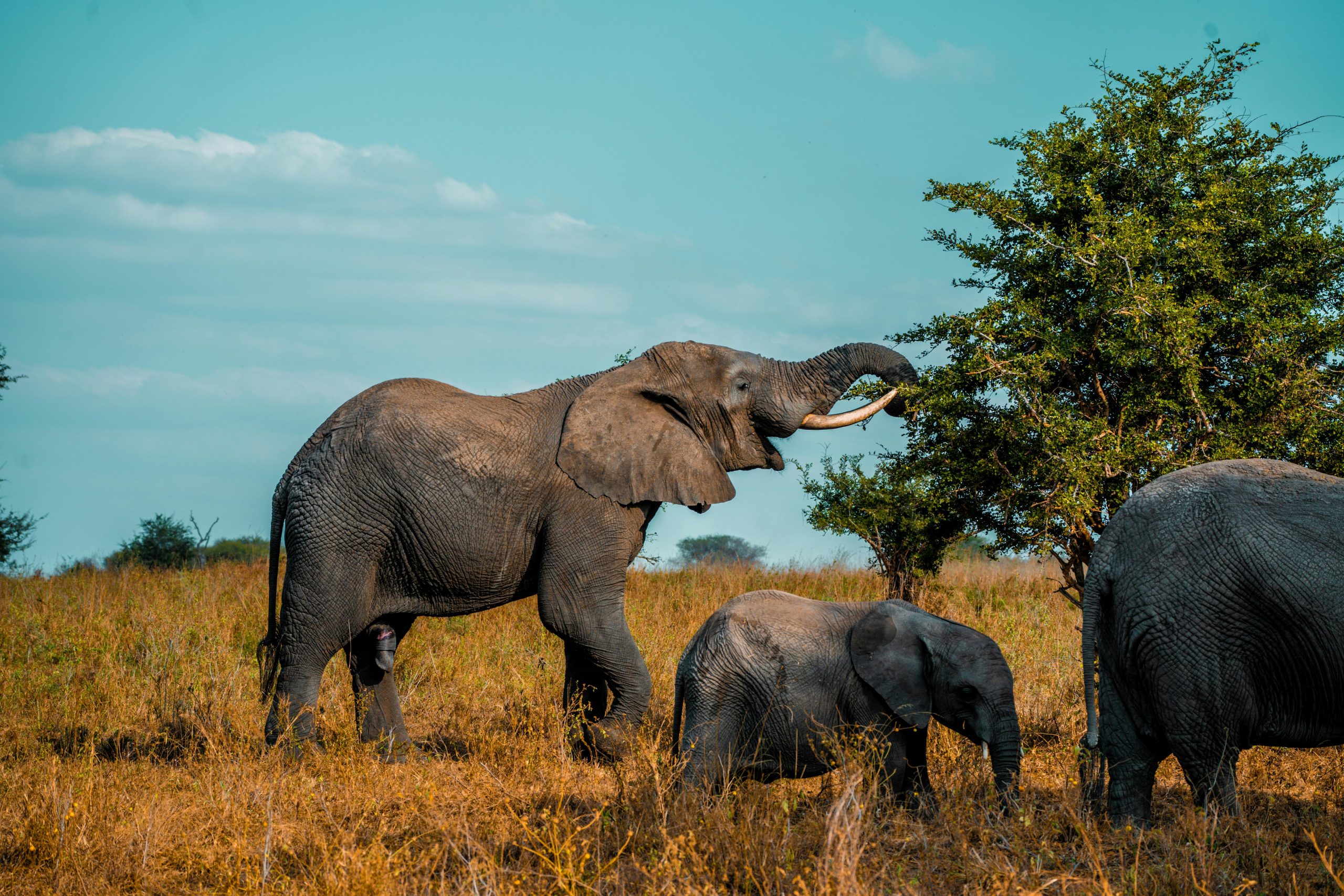
Lake Manyara is also renowned for its elephants.
The park’s forest, woodland and open areas provide important habitats for elephant herds, and visitors may encounter elephants moving through different parts of the park.
Observing elephants within the lush forest environment creates a very different experience from watching them on the open plains.
Lake Manyara’s elephants are an important part of the park’s wildlife identity and contribute to the feeling of encountering large animals within a surprisingly intimate landscape.
A PARK OF MANY ECOSYSTEMS
The greatest strength of Lake Manyara National Park is its ecological diversity.
Within a relatively compact area, visitors can move through several distinct habitats, including:
Groundwater Forest
Near the park entrance, permanent underground water sources support dense evergreen forest.
This lush environment provides shade, moisture and habitat for elephants, primates, birds and other wildlife.
Acacia Woodland
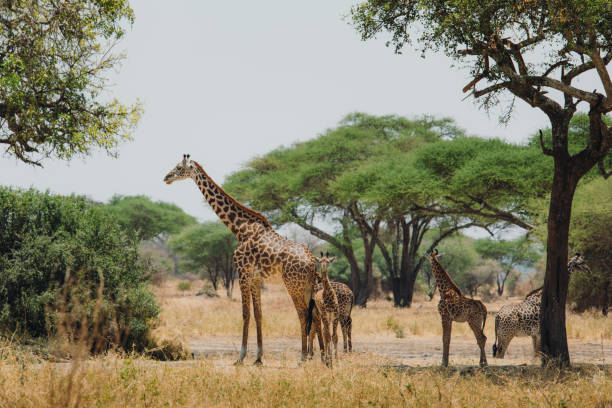
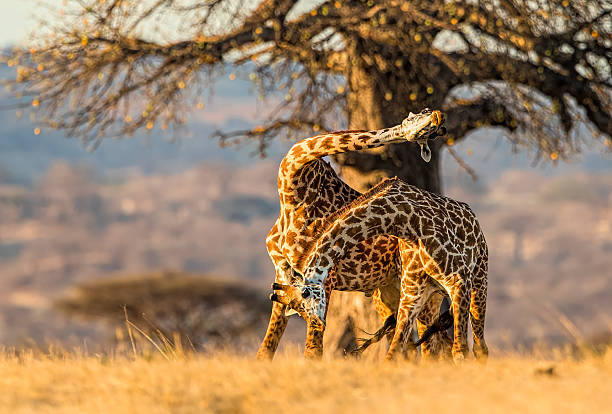
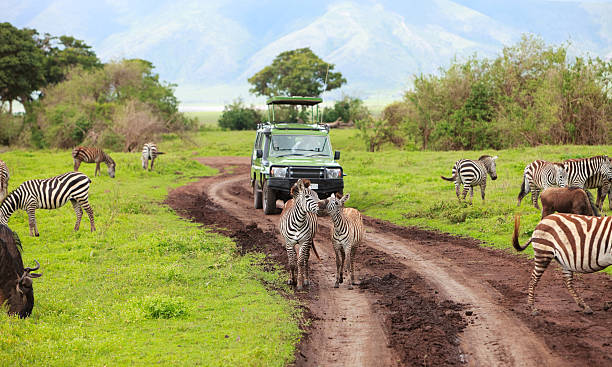
Further into the park, woodland provides important habitat for giraffes, elephants, lions and numerous antelope species.
Open Grasslands
Open areas provide opportunities for observing larger mammals and enjoying broader views across the landscape.
Wetlands & Floodplains
Seasonal wetlands and floodplain areas support wildlife and waterbirds, particularly when water conditions are favorable.
Lake Manyara Shoreline
The lake’s edge provides a striking environment where terrestrial and aquatic ecosystems meet.
This variety is what makes Lake Manyara feel much larger and more diverse than its physical size might suggest.
WILDLIFE IN LAKE MANYARA NATIONAL PARK
Lake Manyara supports an impressive range of wildlife.
Depending on the season, habitat and current wildlife movements, visitors may encounter:
- Elephants
- Lions
- Giraffes
- Buffaloes
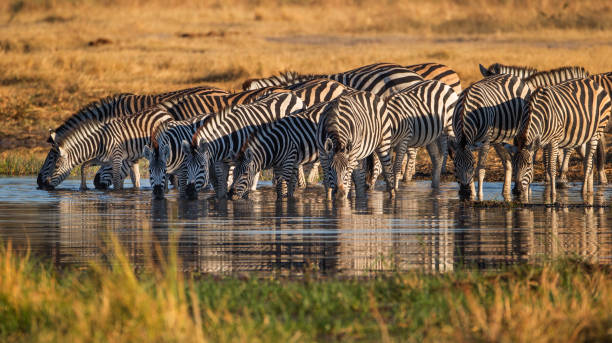
- Zebras
- Wildebeest
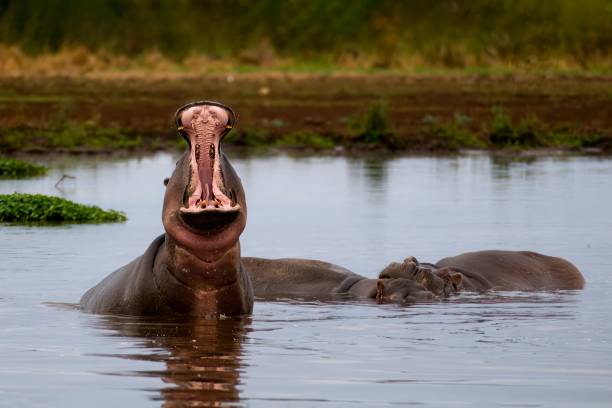
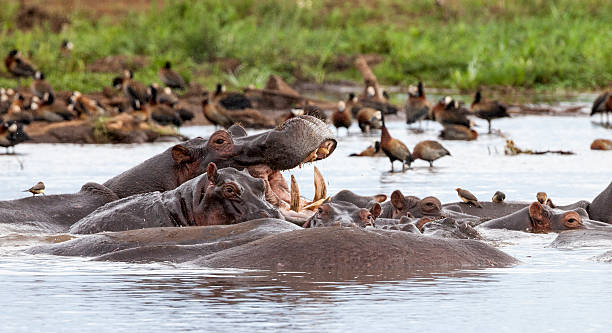
- Hippos
- Warthogs
- Impalas
- Baboons
- Monkeys
- Various antelope species
- Numerous bird species
The park is particularly rewarding for travelers who appreciate seeing different types of wildlife within changing habitats rather than focusing exclusively on large predators.
As with all wildlife destinations, sightings are naturally unpredictable. Animals move freely through their environment, and no particular species can be guaranteed.
BIRDWATCHING IN LAKE MANYARA
Lake Manyara is one of the most attractive destinations in northern Tanzania for birdwatching.
The combination of lake, wetlands, forest and woodland creates habitats for both resident and migratory birds.
Depending on the season, birdwatchers may encounter flamingos, pelicans, storks, herons, egrets, kingfishers, hornbills, raptors and many other species.
The presence of Lake Manyara itself makes the destination particularly interesting for travelers who want to combine a traditional wildlife safari with a strong birdwatching experience.
For serious bird enthusiasts, the park can be incorporated into a broader northern Tanzania birding itinerary.
FLAMINGOS & WATERBIRDS
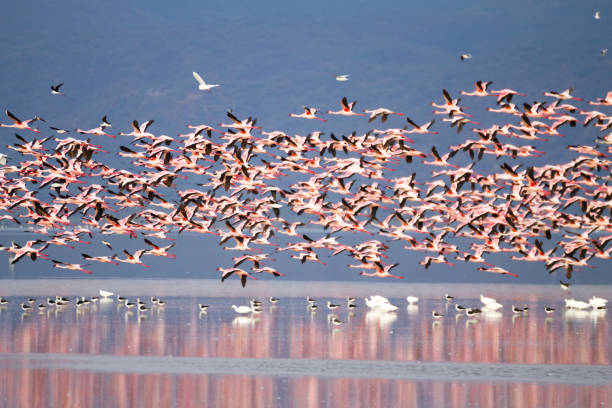
The lake’s shallow alkaline waters can attract significant concentrations of waterbirds.
At certain times and under suitable conditions, flamingos may gather around the lake, creating one of the park’s most recognizable scenes.
Their numbers and distribution naturally change according to water conditions, food availability and seasonal movements, so visitors should view flamingo sightings as an opportunity rather than a guarantee.
The wider collection of waterbirds is equally impressive, with different species occupying the lake, shoreline and surrounding wetlands.
THINGS TO DO IN LAKE MANYARA NATIONAL PARK
01 — Game Drives
Game drives are the main way to explore Lake Manyara National Park.
With an experienced safari guide, visitors can move through the park’s different habitats while looking for elephants, lions, giraffes, buffaloes, zebras, antelopes and other wildlife.
The compact nature of the park makes it possible to experience considerable habitat diversity during a single game drive.
02 — Birdwatching
Lake Manyara is ideal for travelers interested in birdlife.
The lake, forest and wetlands create opportunities to observe a wide range of resident and migratory species.
Early morning and late afternoon can be particularly rewarding for birdwatching when activity is high and temperatures are more comfortable.
03 — Nature Experiences
The park’s combination of forest and wetland environments provides opportunities to appreciate Tanzania’s natural ecosystems beyond traditional big-game viewing.
Depending on the current regulations and arrangements, selected areas around the park and surrounding conservation landscape may offer additional nature-based experiences.
04 — Photography
Lake Manyara is a highly photogenic destination.
Photographers can capture:
- Elephants in the forest
- Lions resting in trees
- Giraffes against the Rift Valley escarpment
- Flamingos and waterbirds
- Hippos in wetland environments
- Dense tropical vegetation
- Dramatic landscapes
- Sunrise and sunset colors
The variety of environments means that a Lake Manyara safari can produce a diverse photographic collection from a relatively compact destination.
THE FAMOUS HOT SPRINGS
The Maji Moto hot springs are another notable feature associated with the Lake Manyara area.
These geothermal springs demonstrate the influence of the Rift Valley’s geological activity and provide an interesting contrast to the surrounding lake and forest environment.
Where included in a suitable itinerary and permitted by local arrangements, visiting the hot springs can add a cultural and geological dimension to a Lake Manyara experience.
LAKE MANYARA AND THE SURROUNDING COMMUNITY
A visit to Lake Manyara can also be combined with experiences around Mto wa Mbu, one of the most culturally diverse communities in the region.
The area is known for its mixture of Tanzanian ethnic groups, agricultural activities, local markets, traditional food and community-based tourism experiences.
Travelers can combine a Lake Manyara safari with selected cultural activities, creating a broader experience that connects wildlife with local life and landscapes.
BEST TIME TO VISIT LAKE MANYARA
Lake Manyara can be visited throughout the year, although the experience changes with the seasons.
Dry Season
The drier months generally provide comfortable safari conditions, with animals often easier to observe around remaining water sources and vegetation becoming less dense in some areas.
Green Season
During the wetter months, the landscape becomes lush and vibrant. This can be particularly attractive for photographers and birdwatchers, while migratory birds add to the park’s diversity.
Flamingo Season
Flamingo numbers and locations can vary depending on lake conditions, water levels and food availability. Travelers interested specifically in flamingos should plan their visit around current ecological conditions rather than expecting a guaranteed concentration.
Ultimately, the best time to visit depends on your interests—whether wildlife viewing, birdwatching, photography, landscape or combining Manyara with a larger Tanzania safari.
HOW TO GET TO LAKE MANYARA NATIONAL PARK
Lake Manyara is one of the more accessible national parks on Tanzania’s Northern Safari Circuit.
The park can be reached by road from Arusha, with the journey passing through the scenic landscapes of northern Tanzania.
It is also conveniently located near Mto wa Mbu, making it easy to combine with other destinations in the region.
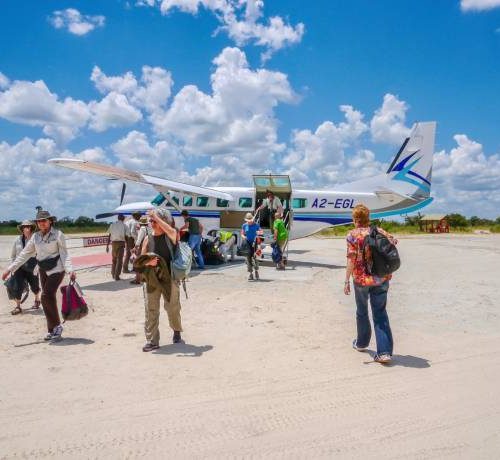
Travelers arriving by air can also use nearby airstrips depending on their itinerary and flight arrangements.
Because of its location, Lake Manyara is commonly visited as part of a safari that continues toward Ngorongoro Conservation Area and Serengeti National Park.
LAKE MANYARA AS PART OF A NORTHERN CIRCUIT SAFARI
Lake Manyara works particularly well as part of a multi-destination safari.
A classic northern Tanzania itinerary can combine:
Tarangire → Lake Manyara → Ngorongoro → Serengeti
Each destination contributes something different.
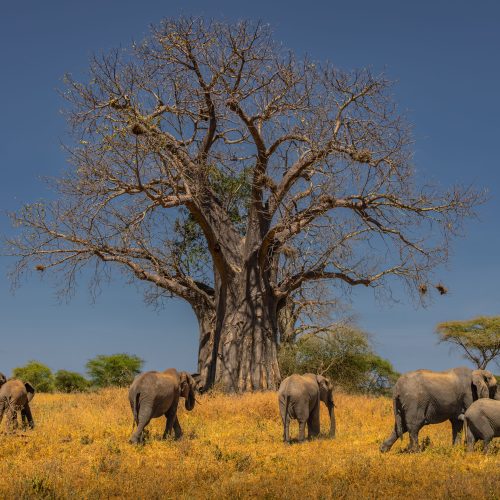
Tarangire is famous for elephants and baobabs. Lake Manyara introduces forest, lake and diverse habitats. Ngorongoro offers an extraordinary crater ecosystem, while Serengeti provides vast savannah landscapes and world-famous wildlife experiences.
This combination allows travelers to experience several of Tanzania’s major ecosystems within one journey.
WHO SHOULD VISIT LAKE MANYARA?
Lake Manyara is an excellent destination for:
- First-time safari travelers
- Families
- Wildlife enthusiasts
- Birdwatchers
- Wildlife photographers
- Elephant lovers
- Travelers interested in tree-climbing lions
- Landscape photographers
- Travelers combining several Northern Circuit destinations
- Visitors with limited time who still want a diverse Tanzania safari experience
LAKE MANYARA NATIONAL PARK AT A GLANCE
| Feature | Details |
|---|---|
| Location | Northern Tanzania |
| Region | Arusha Region |
| Landscape | Rift Valley escarpment, forest, woodland, grassland, wetlands & lake |
| Main Attraction | Diverse wildlife & tree-climbing lions |
| Signature Wildlife | Elephants, lions, giraffes, buffaloes, hippos & birdlife |
| Birdlife | Rich resident and migratory birdlife |
| Major Geographic Feature | Great Rift Valley |
| Lake | Lake Manyara |
| Main Activities | Game drives, birdwatching & nature experiences |
| Nearby Gateway | Mto wa Mbu |
| Best Known For | Tree-climbing lions, elephants, birdlife & diverse ecosystems |
| Safari Circuit | Northern Tanzania |
| Common Combinations | Tarangire, Ngorongoro & Serengeti |
WHY VISIT LAKE MANYARA NATIONAL PARK?
Lake Manyara proves that a safari destination does not have to be enormous to be extraordinary.
Within a relatively compact landscape, the park brings together forest, wildlife, wetlands, open plains, the Great Rift Valley and a spectacular alkaline lake.
It is a destination where elephants can disappear into the forest, giraffes move beneath the Rift Valley escarpment, hippos gather in wetland areas and, with the right conditions, lions may be seen resting high in the branches of trees.
For travelers looking for variety, scenery and wildlife in one destination, Lake Manyara offers an elegant introduction to the diversity of northern Tanzania.
Discover Lake Manyara with Nabaki Safaris
Explore Lake Manyara National Park with Nabaki Safaris, the best tour operator in Tanzania, and experience one of Northern Tanzania’s most diverse wildlife destinations.
Whether you are planning a short Lake Manyara safari or combining the park with Tarangire, Ngorongoro and Serengeti, our team can create a carefully planned Tanzania safari around your interests, schedule and preferred travel style.
Featured


An Exclusive Journey Through Tanzania's Iconic Wilderness Experience Tanzania at its finest on an exclusive 9-Day Tanzania Diamond Luxury Safari, created for travelers seeking exceptional...
Duration
9 Days - 8 Nights
$11074
/ person
Next Departures
October 7, 2026 (Available)October 8, 2026 (Available)October 9, 2026 (Available)
Featured
From Tanzania's Wildlife Wilderness to the Tropical Shores of Zanzibar Experience the best of Tanzania on a carefully designed 12-day Tanzania Safari & Zanzibar Holiday,...
Duration
12 Days - 11 Nights
$10550
/ person
Next Departures
October 7, 2026 (Available)October 8, 2026 (Available)October 9, 2026 (Available)
Featured
The Ultimate Journey Through Tanzania’s Northern Safari Circuit Embark on an extraordinary 16-day Northern Tanzania safari designed for travelers who want to explore the country's...
Duration
16 Days - 15 Nights
$4563
/ person
Next Departures
October 7, 2026 (Available)October 8, 2026 (Available)October 9, 2026 (Available)
Featured
Discover Tanzania’s Iconic Wildlife, Landscapes and Endless Plains Experience the very best of Northern Tanzania on this carefully designed 10-day Tanzania safari, combining spectacular wildlife,...
Duration
10 Days - 9 Nights
$2461
/ person
Next Departures
October 7, 2026 (Available)October 8, 2026 (Available)October 9, 2026 (Available)
Featured
From Tanzania’s Wildlife Wilderness to the Tropical Shores of Zanzibar Experience the best of Tanzania on this carefully crafted 13-day Tanzania safari and Zanzibar holiday,...
Duration
13 Days - 12 Nights
$2561
/ person
Next Departures
October 7, 2026 (Available)October 8, 2026 (Available)October 9, 2026 (Available)
Featured
From the Wild Heart of Tanzania to the Tropical Shores of Zanzibar Experience the perfect combination of wildlife adventure and tropical relaxation on this 12-day...
Duration
12 Days - 11 Nights
$3088
/ person
Next Departures
October 7, 2026 (Available)October 8, 2026 (Available)October 9, 2026 (Available)
Featured

This 7-day Tanzania safari is a carefully designed journey through some of the country's most iconic wildlife destinations. From the scenic landscapes of Lake Manyara...
Duration
7 Days - 6 Nights
$1599
/ person
Next Departures
October 7, 2026 (Available)October 8, 2026 (Available)October 9, 2026 (Available)
Featured

This 15-day Tanzania safari and Zanzibar holiday is an immersive journey through some of Tanzania’s most iconic wildlife destinations, spectacular landscapes, rich cultural heritage, and...
Duration
15 Days - 14 Nights
$2988
/ person
Next Departures
October 7, 2026 (Available)October 8, 2026 (Available)October 9, 2026 (Available)