
- 8
- 18
- 18
- 17
serengeti National park
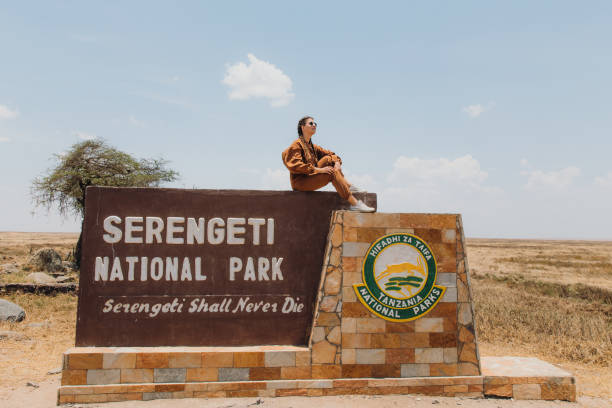
Where Endless Plains Become One of Africa’s Greatest Wildlife Stories
01 — OVERVIEW
Serengeti National Park is one of Tanzania’s most iconic safari destinations and one of the most celebrated wildlife areas in Africa. Famous for its vast open plains, extraordinary concentration of wildlife, dramatic predator encounters, and the annual Great Migration, the Serengeti offers an unforgettable safari experience across an immense and diverse landscape.
Located in northern Tanzania, the park forms a central part of the larger Serengeti ecosystem, a vast wilderness shared by Tanzania and Kenya. Its landscapes stretch from open grasslands and rolling plains to woodland, river systems, seasonal wetlands, and rocky granite outcrops known as kopjes.
The Serengeti is particularly famous for the movement of millions of wildebeest, accompanied by large numbers of zebras and other grazing animals. Their seasonal movement across the ecosystem creates one of the world’s most remarkable natural spectacles, while resident wildlife ensures that the Serengeti remains an exceptional safari destination throughout the year.
For travelers seeking classic African wildlife, dramatic landscapes, photography opportunities, and the possibility of witnessing the Great Migration, Serengeti National Park stands among Tanzania’s essential safari destinations.
02 — WHERE IS SERENGETI NATIONAL PARK?
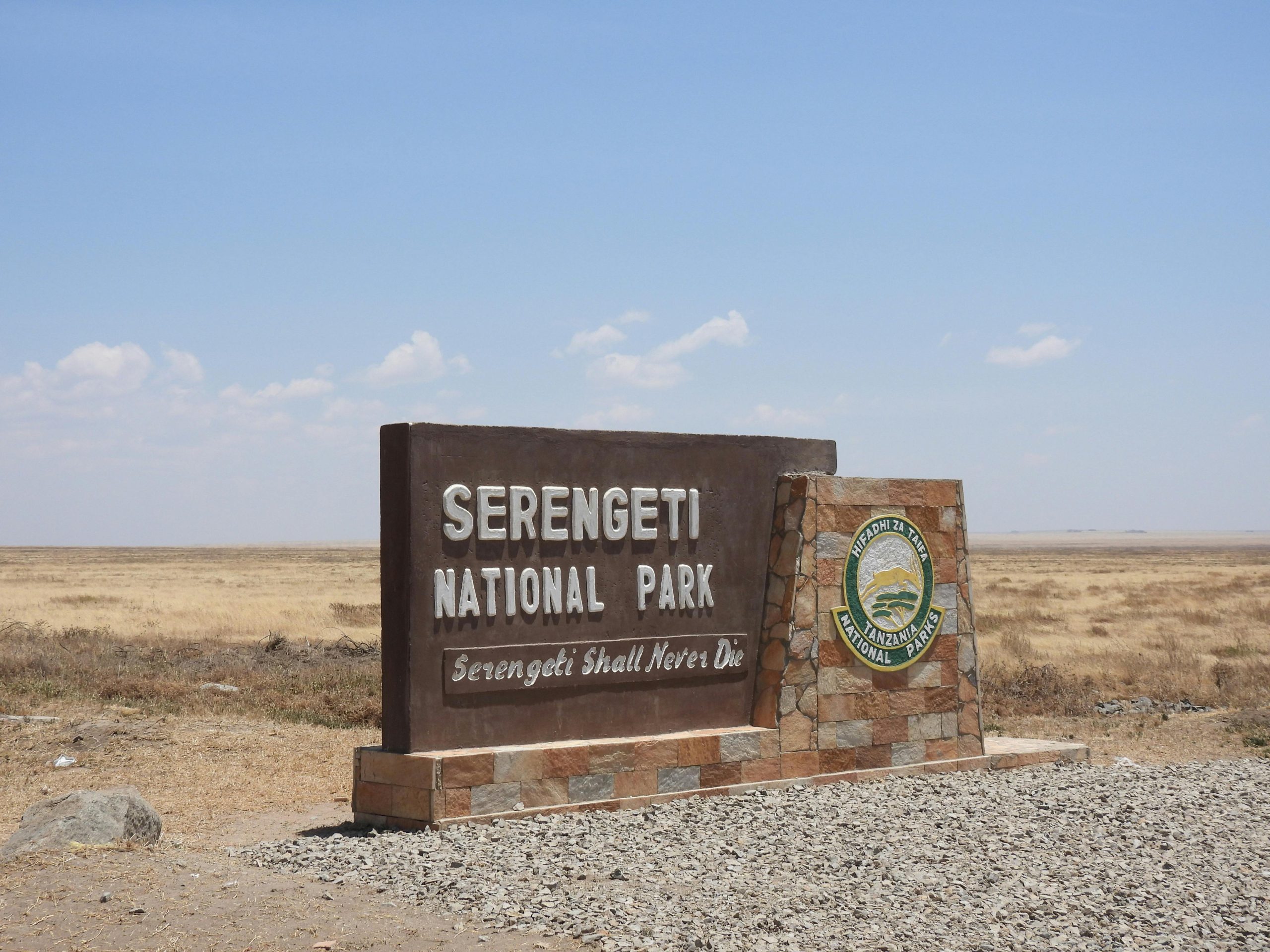
Serengeti National Park is located in northern Tanzania, extending across a vast area of the Serengeti ecosystem.
The park lies west of the Ngorongoro Conservation Area and extends toward Lake Victoria. To the north, the ecosystem continues across the Tanzania–Kenya border into Kenya’s Maasai Mara National Reserve.
Its location makes the Serengeti an important part of the Northern Tanzania Safari Circuit, commonly combined with destinations such as:
Tarangire National Park → Lake Manyara → Ngorongoro Conservation Area → Serengeti National Park
Depending on the safari route and travel plans, Serengeti can also be combined with other destinations in northern or western Tanzania.
03 — THE SERENGETI PLAINS
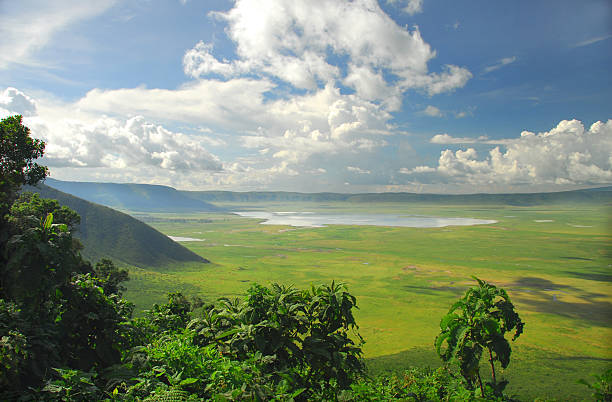
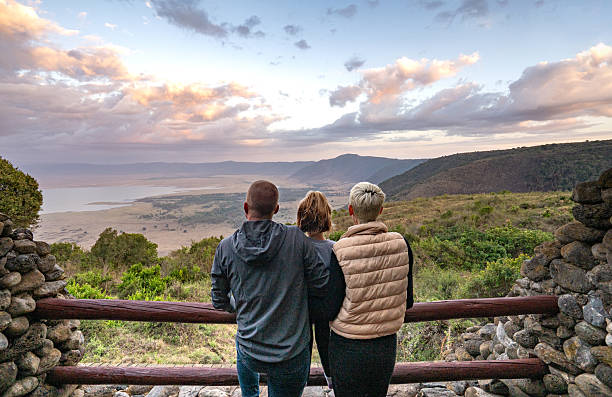
The word Serengeti is strongly associated with vast open grasslands, and these plains are one of the defining features of the destination.
The landscape changes considerably across the park, but the central plains are particularly famous for their seemingly endless horizons. During the green season, fresh grasses transform the plains into productive grazing areas, attracting large numbers of herbivores.
During drier periods, the landscape can become more golden and dramatic, while permanent water sources continue to support resident wildlife.
These open landscapes also provide excellent visibility, allowing travelers to observe wildlife across considerable distances and creating some of the classic views associated with an African safari.
04 — THE GREAT MIGRATION
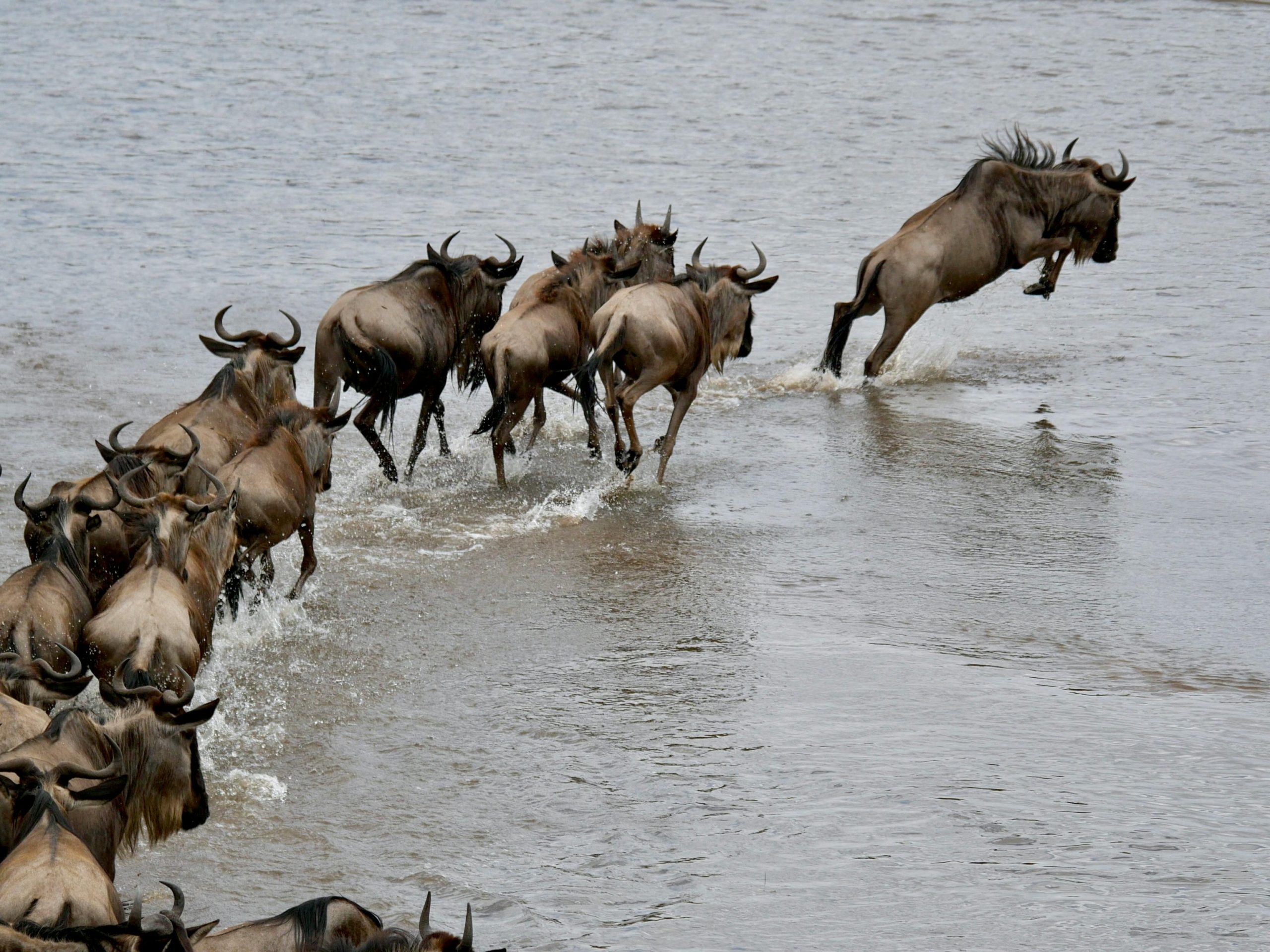
The Great Migration is one of the Serengeti’s most famous natural phenomena.
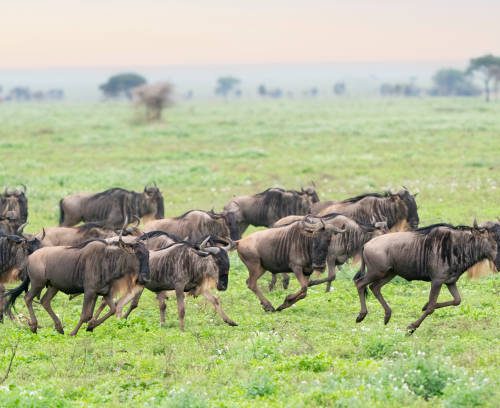
Each year, enormous herds of wildebeest move through the Serengeti ecosystem in response to seasonal rainfall, fresh grazing, and water availability. Zebras and other herbivores travel alongside them, creating an extraordinary movement of wildlife across the plains.
The migration is not a single event that happens on one fixed date. Its location changes throughout the year as the animals respond to environmental conditions.
Depending on the season and location of the herds, travelers may have opportunities to witness:
- Massive herds crossing open plains
- Large concentrations of wildebeest and zebra
- Predator activity around migrating herds
- Calving activity in suitable seasonal areas
- Dramatic river-crossing areas
- Young animals and nursery herds
- Large-scale movement across the landscape
Wildlife movement is naturally unpredictable, so sightings and specific migration events cannot be guaranteed. This unpredictability is part of what makes a Serengeti safari so exciting.
05 — WILDLIFE OF SERENGETI
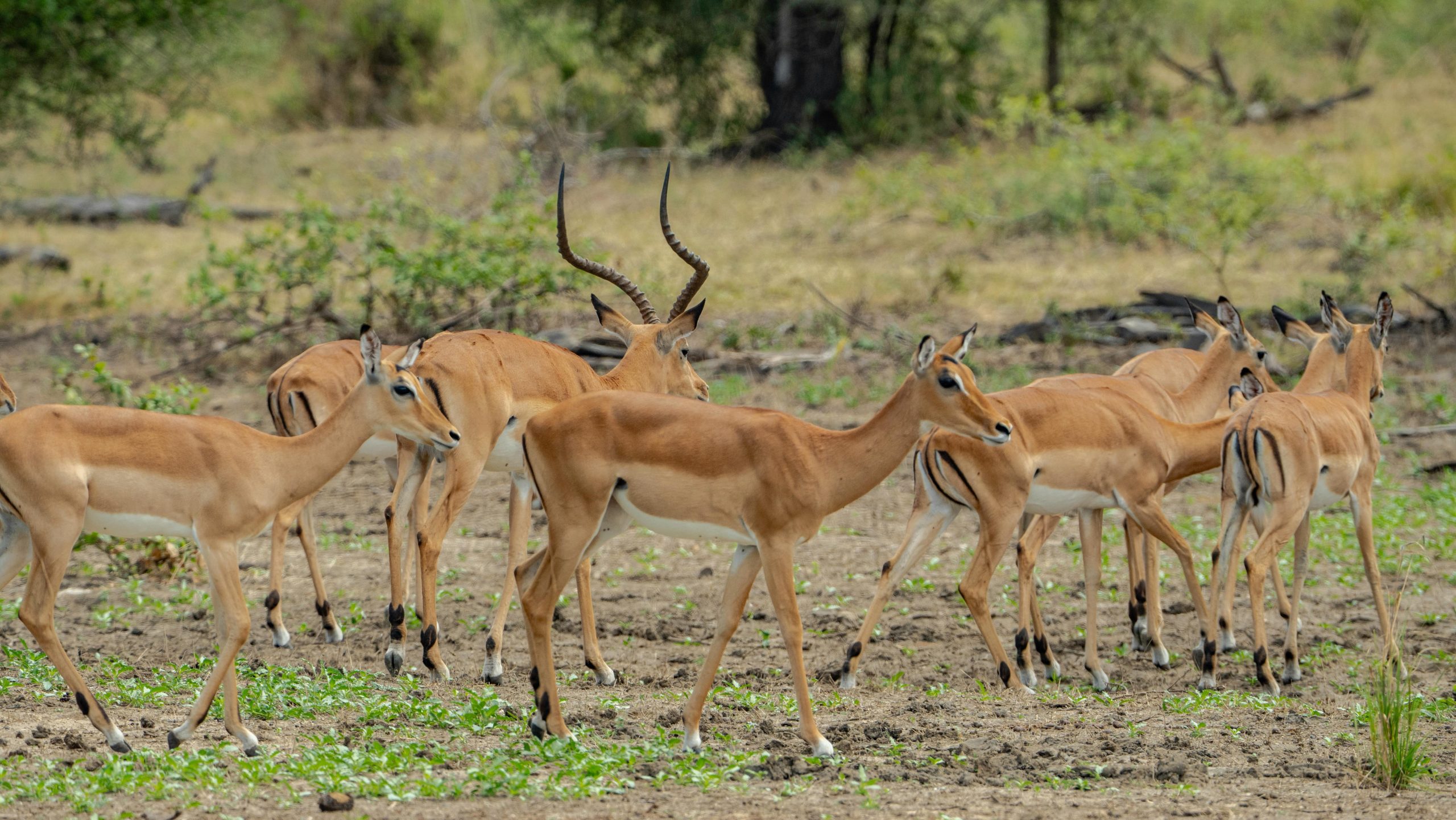
Serengeti National Park supports an extraordinary variety of wildlife.
The combination of grasslands, woodland, rivers, seasonal water sources, and different habitats allows many species to thrive throughout the ecosystem.
Visitors may encounter:
- Wildebeest
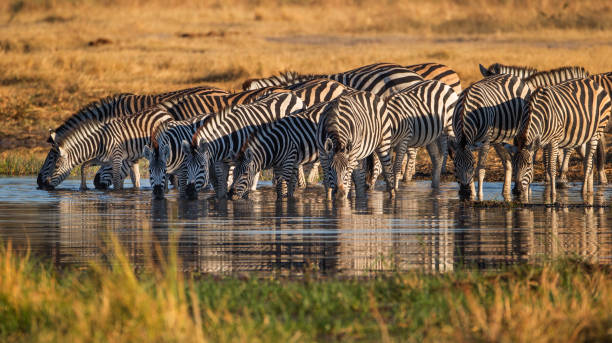
- Zebras
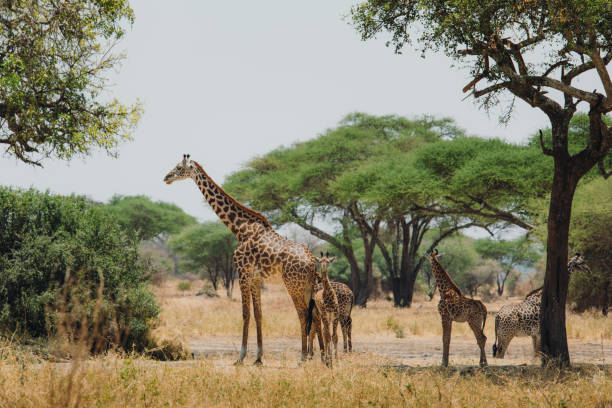
- Giraffes
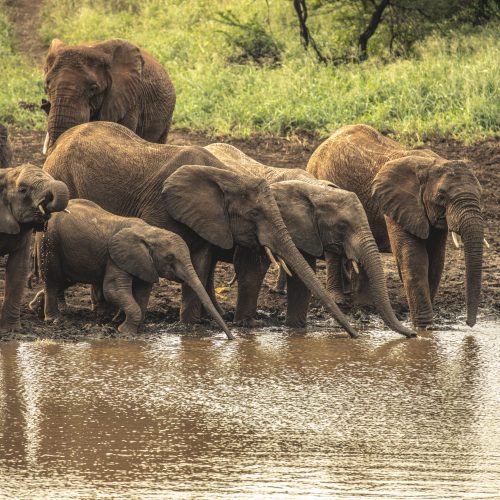
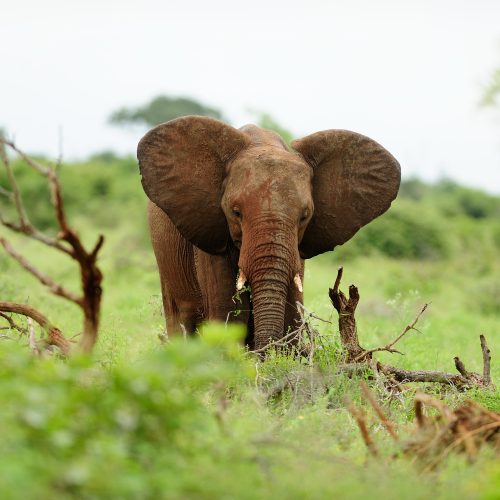
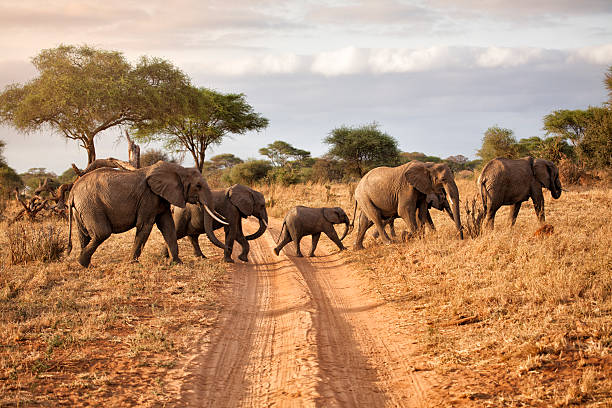
- African elephants
- African buffaloes
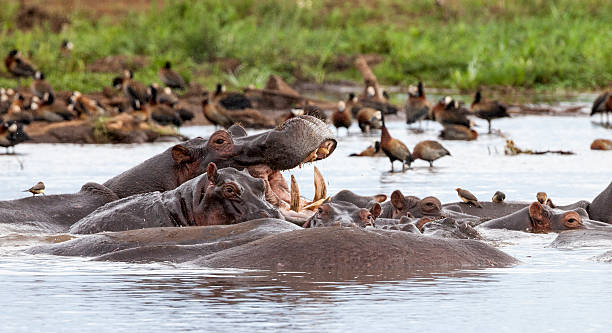
- Hippos
- Warthogs
- Impalas
- Gazelles
- Elands
- Hyenas
- Jackals
- Baboons
- Monkeys
- Leopards
- Lions
- Cheetahs
The abundance and diversity of wildlife make the Serengeti particularly rewarding for travelers who want more than a single wildlife encounter. Every game drive can reveal a different part of the ecosystem.
06 — THE BIG CATS OF SERENGETI
The Serengeti is particularly famous for its large predator populations.
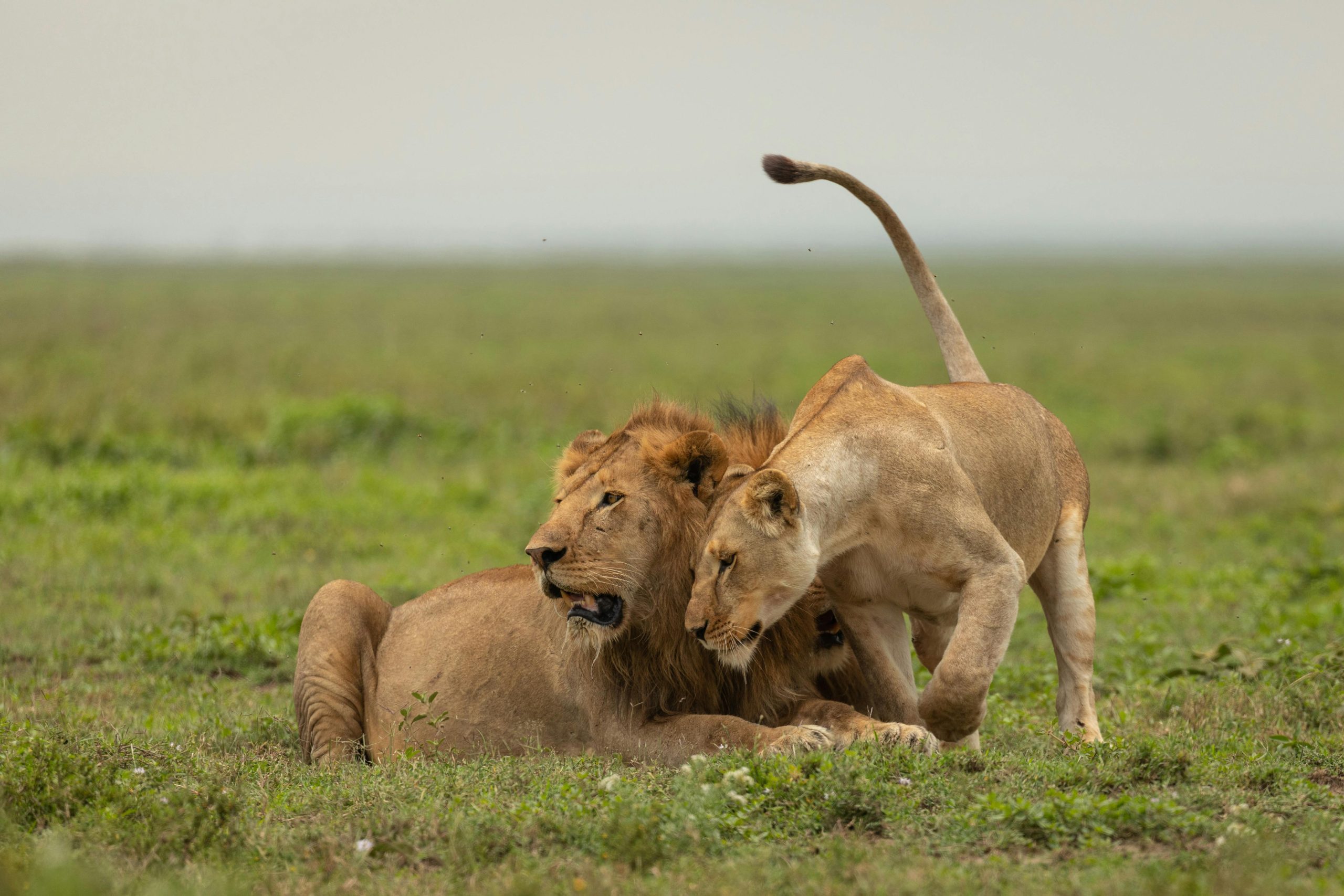
Lions
Lions are among the Serengeti’s most iconic residents. They can often be found in areas where prey is abundant, including grasslands and near seasonal water sources.
Watching a pride resting in the shade, moving across the plains, or interacting with one another can be one of the memorable moments of a Serengeti safari.
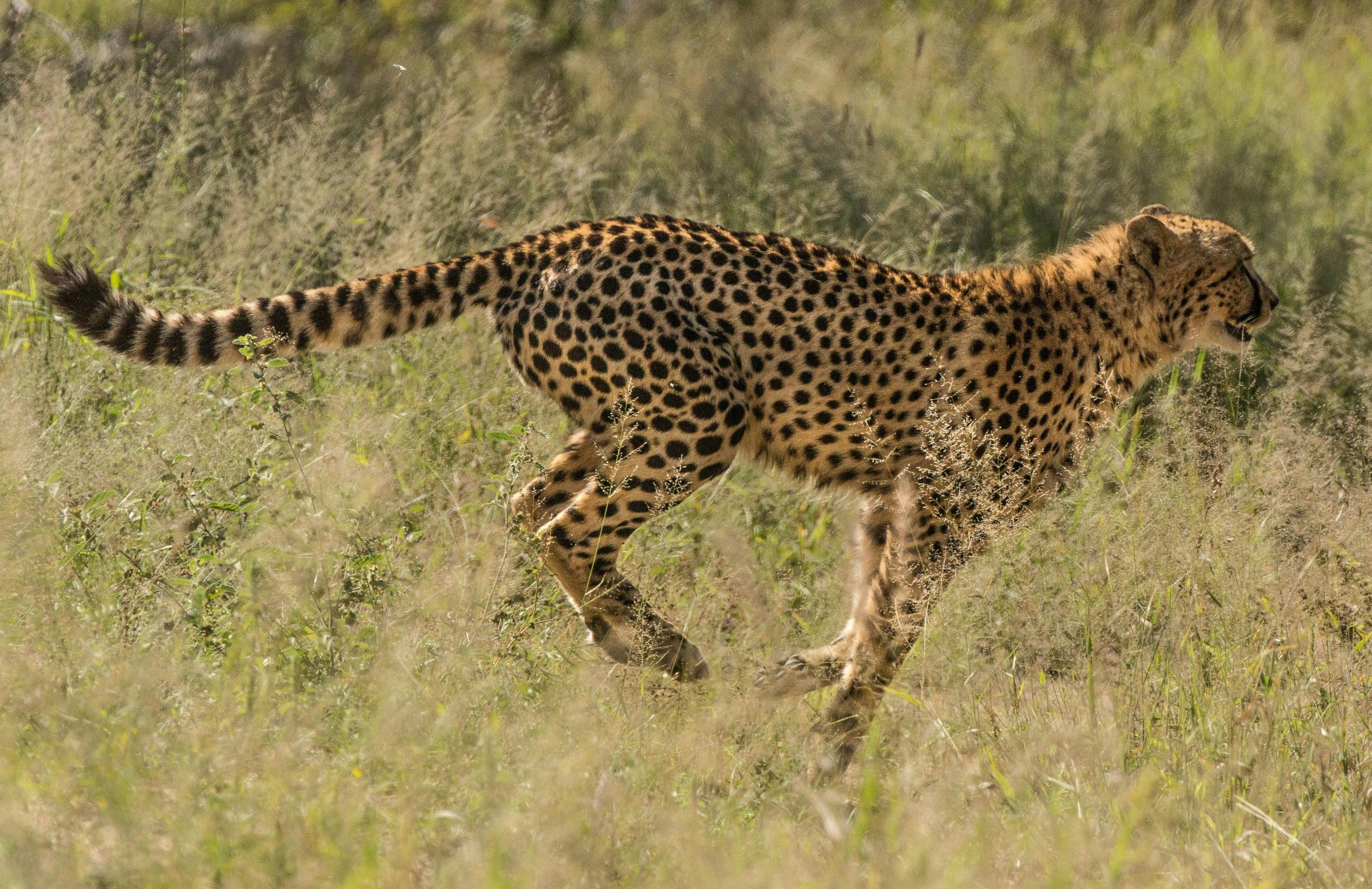
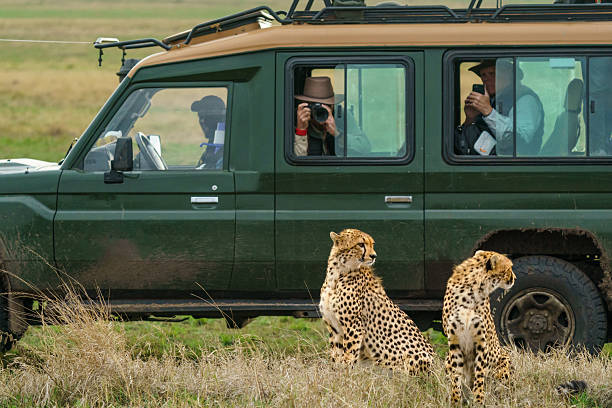
Cheetahs
The open grasslands provide an ideal environment for cheetahs, which rely on speed to hunt their prey.
The wide visibility of the Serengeti can offer excellent opportunities for observing these elegant predators, although sightings are never guaranteed.
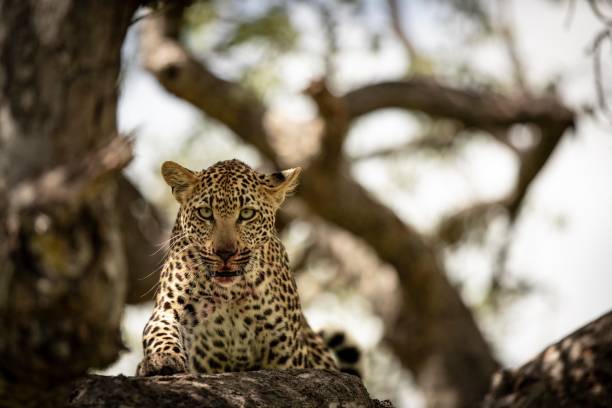
Leopards
Leopards are more elusive than lions and cheetahs and are often associated with areas containing trees, rocky landscapes, and riverine vegetation.
Patient observation and an experienced guide can greatly improve the opportunity to encounter these secretive cats.
07 — SERENGETI KOPJES
Scattered throughout parts of the Serengeti are dramatic granite rock formations known as kopjes.
These rocky outcrops rise above the surrounding plains and create distinctive landmarks across the landscape.
Kopjes provide important habitat for a variety of animals and can also serve as excellent viewpoints for predators.
Their weathered rocks, vegetation, and surrounding grasslands create some of the most recognizable Serengeti scenery and provide exceptional photography opportunities.
08 — SERENGETI’S RIVERS, WOODLANDS & HABITATS
Although the Serengeti is famous for its plains, the park is far more diverse than open grassland alone.
Different areas contain:
- Open savannah
- Acacia woodland
- Riverine vegetation
- Seasonal wetlands
- Rocky kopjes
- Permanent and seasonal water sources
- Wooded areas
This ecological diversity supports different wildlife species and contributes to the Serengeti’s year-round safari appeal.
Rivers and water sources become particularly important during dry periods, when wildlife concentrations can increase around reliable water.
09 — THE SERENGETI ECOSYSTEM
Serengeti National Park is part of a much larger ecosystem extending beyond the park’s official boundaries.
The wider Serengeti–Mara ecosystem includes protected areas, conservation landscapes, and community areas across northern Tanzania and southern Kenya.
This interconnected ecosystem allows wildlife to move naturally across large distances in response to food, water, and seasonal conditions.
Understanding the Serengeti as an ecosystem rather than simply a national park helps explain why wildlife movements, particularly the Great Migration, cover such enormous distances.
10 — SERENGETI & THE GREAT MIGRATION CALVING SEASON
One of the most remarkable periods in the migration cycle occurs when large numbers of wildebeest give birth in areas where seasonal conditions provide suitable grazing.
The arrival of young animals attracts predators and creates an intense period of activity across the plains.
Travelers visiting during this period may have opportunities to observe:
- Large breeding herds
- Newborn wildebeest
- Zebras and other grazing animals
- Predator activity
- Dramatic wildlife interactions
- Vast concentrations of animals across the plains
The timing and location of calving activity naturally vary with rainfall and environmental conditions.
11 — RIVER CROSSINGS & MIGRATION MOVEMENT
River crossings are among the most famous images associated with the Great Migration.
During parts of the migration cycle, herds may approach rivers as they move between seasonal grazing areas. These moments can create spectacular wildlife scenes, but they are also highly unpredictable.
A river crossing cannot be scheduled like a normal safari activity. The animals decide when and where to move, and they may remain in an area for some time before crossing.
For this reason, experienced safari planning focuses on maximizing the opportunity to encounter the herds rather than promising a specific crossing.
12 — BIRDWATCHING IN SERENGETI
Serengeti National Park is also an excellent destination for bird enthusiasts.
The combination of grasslands, woodland, rivers, wetlands, and seasonal habitats supports a wide range of bird species.
Depending on the area and season, visitors may encounter:
- Secretary birds
- Kori bustards
- Ostriches
- Eagles
- Vultures
- Hawks
- Storks
- Herons
- Egrets
- Rollers
- Hornbills
- Bee-eaters
- Weavers
Migratory birds can also add to the diversity during particular periods of the year.
13 — SERENGETI FOR PHOTOGRAPHY
Serengeti National Park is one of Tanzania’s outstanding destinations for wildlife and landscape photography.
The combination of open horizons, dramatic skies, golden grasslands, wildlife silhouettes, predators, kopjes, and large herds creates exceptional photographic opportunities.
Early morning and late afternoon are particularly rewarding because the softer light can transform the landscape while wildlife is often active.
A private safari can provide additional flexibility for travelers who want to spend more time observing and photographing particular wildlife encounters.
14 — THINGS TO DO IN SERENGETI NATIONAL PARK
Game Drives
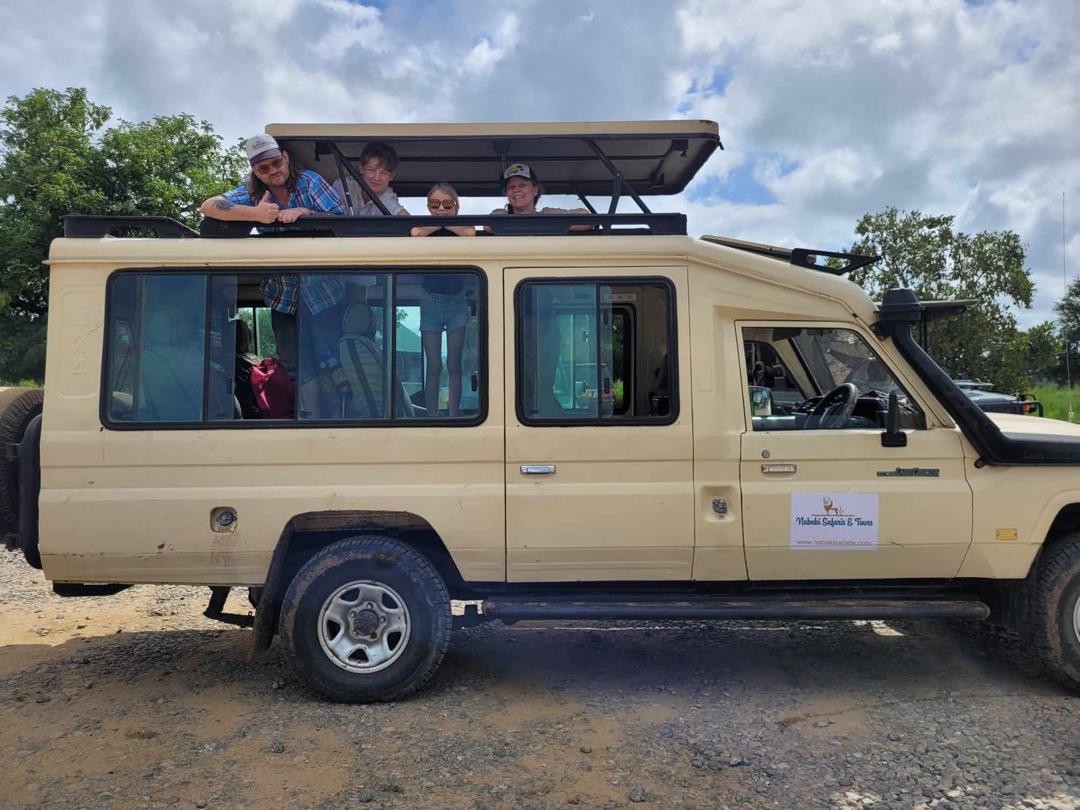
Game drives are the primary way to explore Serengeti National Park. They provide opportunities to discover wildlife across different habitats while traveling through the park’s extensive road network.
Great Migration Safari
Travelers visiting at the right time and in the right area may have the opportunity to experience the Great Migration.
Wildlife Photography
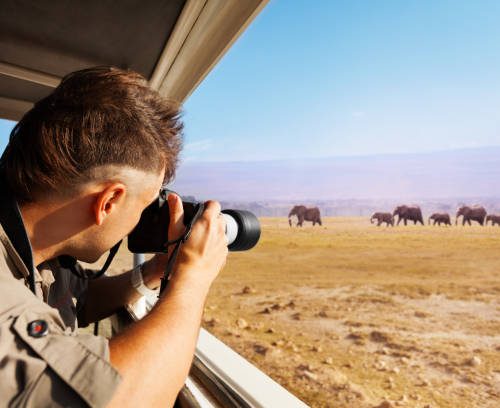
The Serengeti’s landscapes and wildlife make it particularly attractive to photographers.
Birdwatching
The park’s diverse habitats support a remarkable range of resident and migratory birdlife.
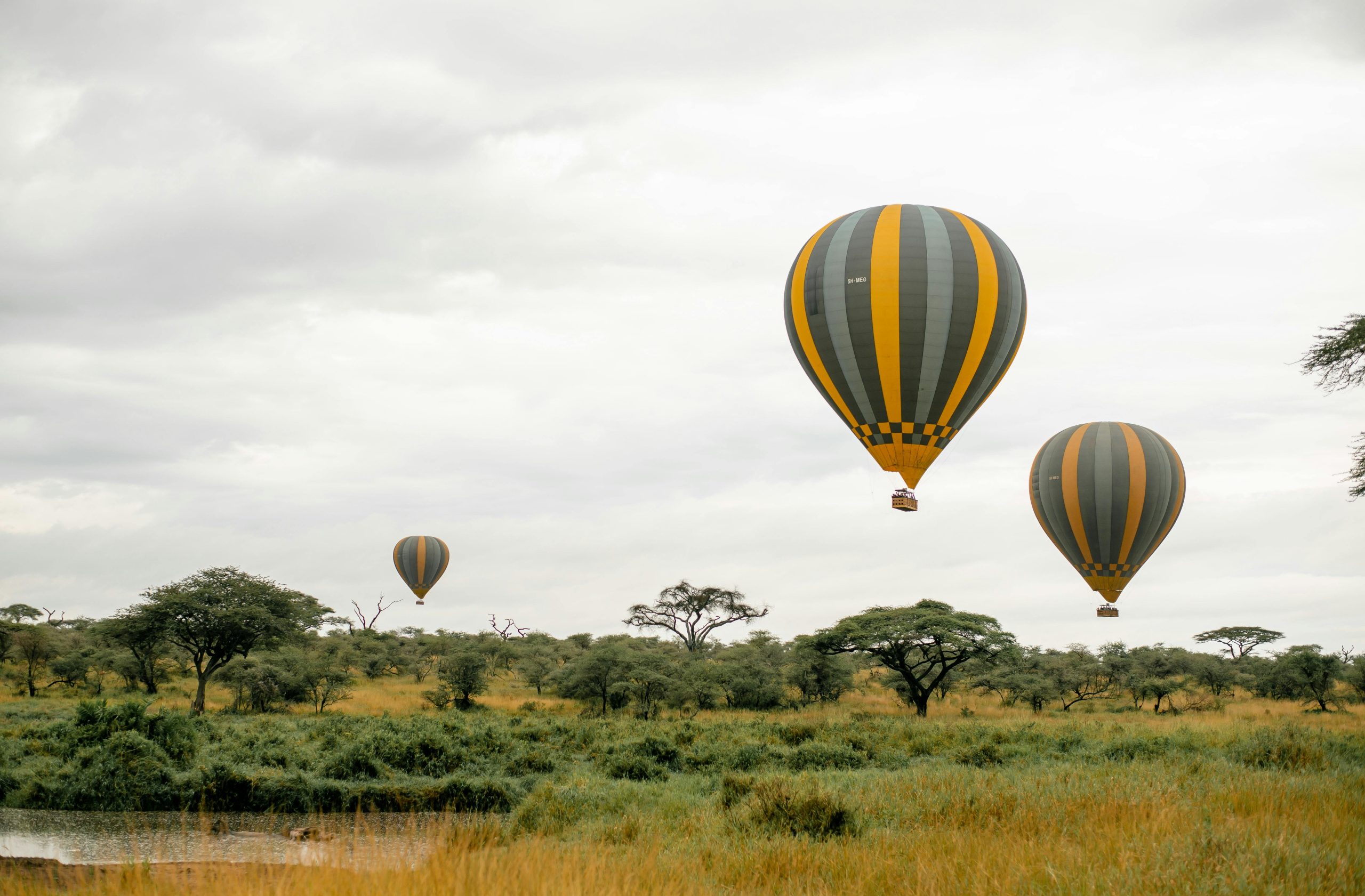
Hot-Air Balloon Safari
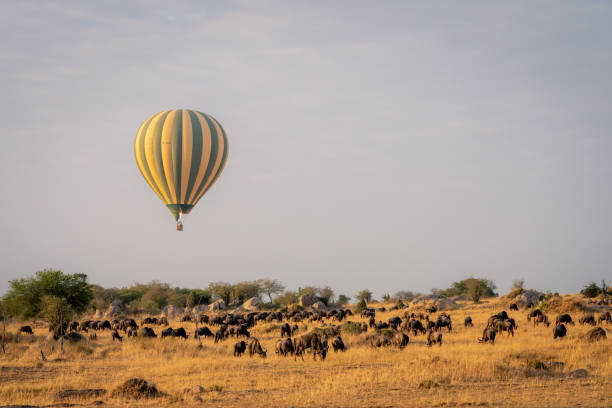
A hot-air balloon experience can provide a completely different perspective of the Serengeti, allowing travelers to view the plains and wildlife from above.
This is generally offered as an optional experience and depends on availability, weather, and operational conditions.
Cultural Experiences
Depending on the safari itinerary, travelers may also be able to include cultural experiences with local communities outside the core park areas.
15 — BEST TIME TO VISIT SERENGETI NATIONAL PARK
Serengeti can be visited throughout the year, but different seasons offer different experiences.
Dry Season
The drier months can provide excellent general wildlife viewing because vegetation is often less dense and animals may concentrate around reliable water sources.
Green Season
The wetter periods bring fresh vegetation, greener landscapes, dramatic skies, and excellent conditions for photography.
Some periods also coincide with important stages of the Great Migration.
Migration Season
Travelers specifically interested in the Great Migration should plan according to the seasonal movement of the herds rather than simply choosing a generic “best month.”
Because migration patterns respond to rainfall and environmental conditions, the exact location of the herds can change from year to year.
16 — HOW TO GET TO SERENGETI
Serengeti National Park can be reached by road or by domestic flight.
By Road
Most Northern Circuit safaris travel to Serengeti by safari vehicle, often combining the park with Ngorongoro Conservation Area and other northern destinations.
A road safari provides the advantage of experiencing the changing landscapes between destinations.
By Air
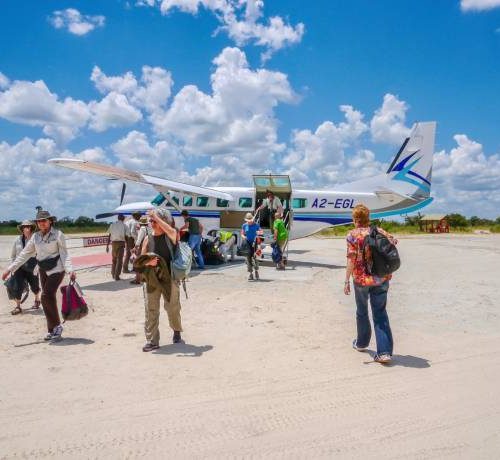
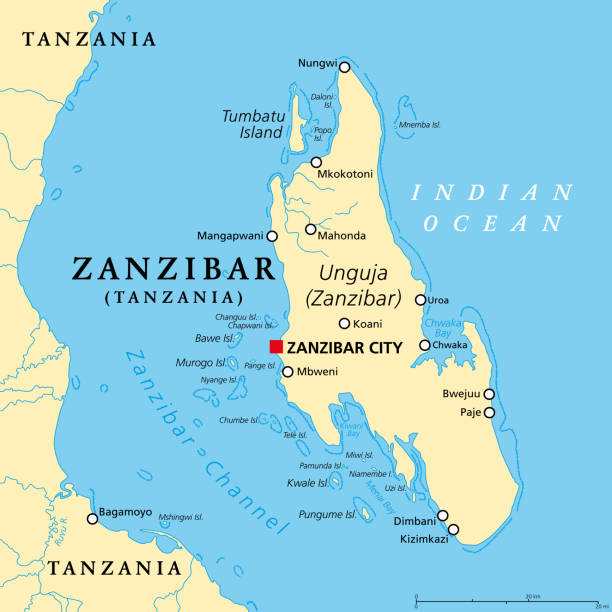
Domestic flights can connect Serengeti with Arusha, Kilimanjaro, Zanzibar, and other safari destinations, depending on available routes and schedules.
Flying can be particularly useful for travelers with limited time or those combining Serengeti with Zanzibar.
17 — SERENGETI CLIMATE & LANDSCAPE
Serengeti has a generally warm climate, but conditions vary according to elevation, season, time of day, and location within the ecosystem.
Early mornings can be cool, while daytime temperatures can become warm, particularly during sunny periods.
The landscape also changes dramatically throughout the year, from fresh green grass following rainfall to golden open plains during drier periods.
These seasonal changes are an important part of the Serengeti’s ecological rhythm.
18 — SERENGETI AS PART OF A TANZANIA SAFARI
Serengeti is often the centerpiece of a Northern Tanzania safari.
A classic itinerary may combine:
Tarangire National Park
↓
Lake Manyara National Park
↓
Ngorongoro Conservation Area
↓
Serengeti National Park
Longer itineraries can include several nights in Serengeti, allowing travelers to explore different areas rather than simply passing through.
For travelers interested in the Great Migration, additional time in Serengeti can also provide greater flexibility to follow wildlife movement.
19 — WHO SHOULD VISIT SERENGETI?
Serengeti National Park is suitable for a wide range of travelers, including:
- First-time safari travelers
- Wildlife enthusiasts
- Families
- Couples
- Honeymoon travelers
- Photographers
- Great Migration travelers
- Luxury safari guests
- Private safari travelers
- Birdwatchers
- Adventure and nature enthusiasts
Whether the goal is to see big cats, experience vast African landscapes, photograph wildlife, or witness the Great Migration, Serengeti offers an exceptionally rich safari environment.
20 — SERENGETI NATIONAL PARK AT A GLANCE
| Feature | Details |
|---|---|
| Location | Northern Tanzania |
| Destination Type | National Park |
| Famous For | Great Migration & wildlife |
| Landscape | Plains, savannah, woodland, rivers & kopjes |
| Main Activity | Game drives |
| Major Wildlife | Wildebeest, zebra, lions, elephants, buffalo, giraffes, cheetahs & more |
| Predators | Lions, cheetahs, leopards, hyenas & jackals |
| Birdlife | Extensive resident & migratory birdlife |
| Great Migration | Seasonal movement across the wider ecosystem |
| Photography | Excellent |
| Access | Road & domestic flights |
| Recommended Experience | Private or small-group safari |
| Best For | Wildlife, migration, photography & classic African safari |
21 — WHY VISIT SERENGETI NATIONAL PARK?
Serengeti is more than a destination for ticking animals off a list. It is an opportunity to experience one of Africa’s great natural ecosystems.
Its enormous plains, changing landscapes, abundant wildlife, powerful predator populations, and spectacular seasonal movements create a safari experience that can feel different every day.
From watching lions across the grasslands to searching for elusive leopards, following cheetahs through open plains, observing enormous herds of wildebeest, or simply watching the Serengeti landscape change beneath a wide African sky, the destination offers countless moments to remember.
The Great Migration adds another extraordinary dimension, but the Serengeti does not depend on migration alone. Its resident wildlife and remarkable landscapes make it a destination worth exploring throughout the year.
22 — DISCOVER SERENGETI WITH NABAKI SAFARIS
A Serengeti safari is best experienced with thoughtful planning, knowledgeable guiding, and an itinerary designed around your interests and travel season.
At Nabaki Safaris, the best tour operator in Tanzania, we create carefully planned Tanzania safari experiences that connect travelers with the country’s most remarkable wildlife destinations.
Whether you are planning a classic Northern Tanzania safari, a Great Migration journey, a private wildlife adventure, or a luxury safari experience, Serengeti can be tailored into an itinerary that matches your time, interests, and travel style.
Explore the Serengeti. Follow the wildlife. Experience Tanzania at its wildest.
Plan Your Serengeti Safari with Nabaki Safaris.
Featured


An Exclusive Journey Through Tanzania's Iconic Wilderness Experience Tanzania at its finest on an exclusive 9-Day Tanzania Diamond Luxury Safari, created for travelers seeking exceptional...
Duration
9 Days - 8 Nights
$11074
/ person
Next Departures
October 5, 2026 (Available)October 6, 2026 (Available)October 7, 2026 (Available)
Featured
Discover Tanzania through an exclusive 8-Day Tanzania Diamond Luxury Safari, designed for travelers seeking exceptional wildlife encounters, elegant accommodation, personalized service and unforgettable moments in...
Duration
8 Days - 7 Nights
$8963
/ person
Next Departures
October 5, 2026 (Available)October 6, 2026 (Available)October 7, 2026 (Available)
Featured
From Tanzania's Wildlife Wilderness to the Tropical Shores of Zanzibar Experience the best of Tanzania on a carefully designed 12-day Tanzania Safari & Zanzibar Holiday,...
Duration
12 Days - 11 Nights
$10550
/ person
Next Departures
October 5, 2026 (Available)October 6, 2026 (Available)October 7, 2026 (Available)
Featured
Extend Your Tanzania Adventure with Five Days in the Wild Add a memorable 5-day Tanzania safari extension to your Tanzania holiday and discover some of...
Duration
5 Days - 4 Nights
$1069
/ person
Next Departures
October 5, 2026 (Available)October 6, 2026 (Available)October 7, 2026 (Available)
Featured
The Ultimate Journey Through Tanzania’s Northern Safari Circuit Embark on an extraordinary 16-day Northern Tanzania safari designed for travelers who want to explore the country's...
Duration
16 Days - 15 Nights
$4563
/ person
Next Departures
October 5, 2026 (Available)October 6, 2026 (Available)October 7, 2026 (Available)
Featured
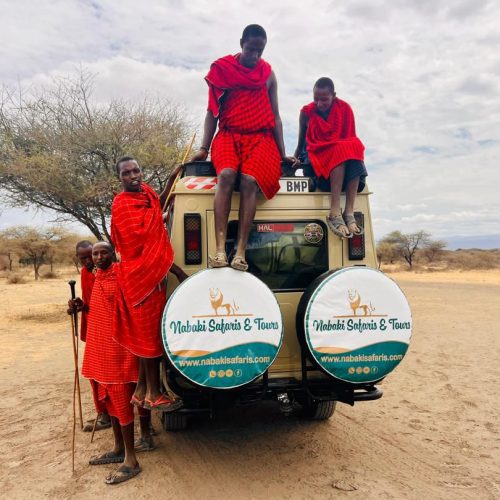
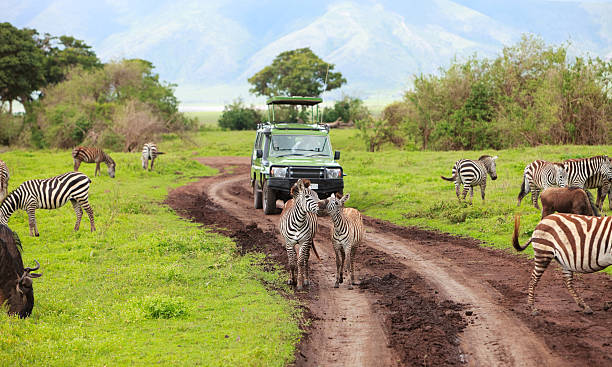
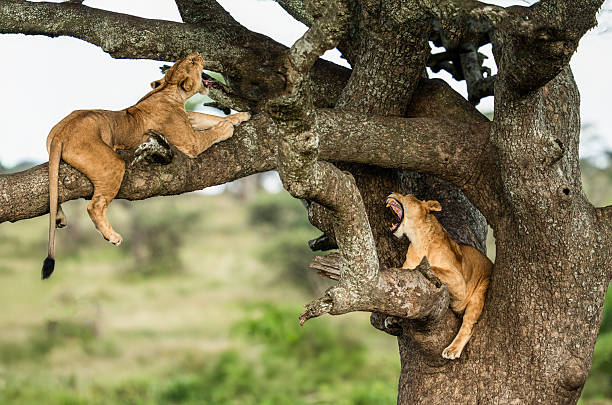
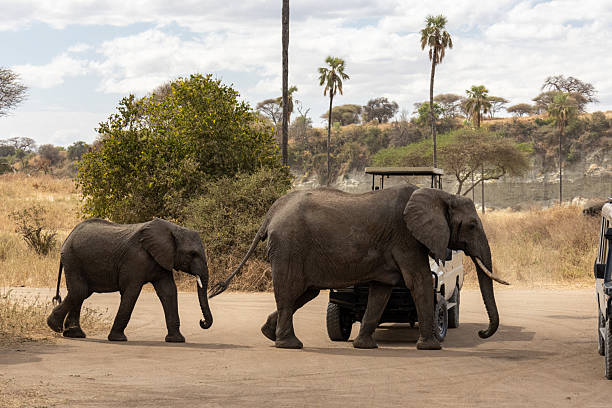
Discover Tanzania’s Iconic Wildlife, Landscapes and Endless Plains Experience the very best of Northern Tanzania on this carefully designed 10-day Tanzania safari, combining spectacular wildlife,...
Duration
10 Days - 9 Nights
$2461
/ person
Next Departures
October 5, 2026 (Available)October 6, 2026 (Available)October 7, 2026 (Available)
Featured
Extend Your Tanzania Journey with an Unforgettable Wildlife Escape Add an exciting 4-day Tanzania safari extension to your existing Tanzania holiday and discover some of...
Duration
4 Days - 3 Nights
$763
/ person
Next Departures
October 5, 2026 (Available)October 6, 2026 (Available)October 7, 2026 (Available)
Featured
From Tanzania’s Wildlife Wilderness to the Tropical Shores of Zanzibar Experience the best of Tanzania on this carefully crafted 13-day Tanzania safari and Zanzibar holiday,...
Duration
13 Days - 12 Nights
$2561
/ person
Next Departures
October 5, 2026 (Available)October 6, 2026 (Available)October 7, 2026 (Available)
Featured
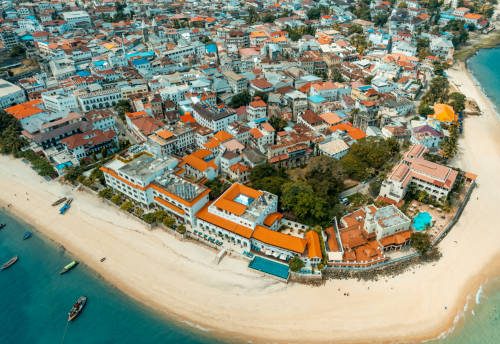
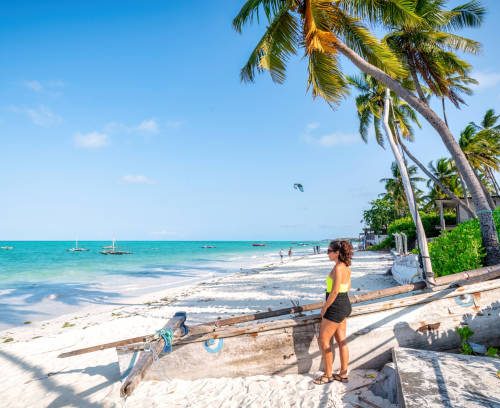
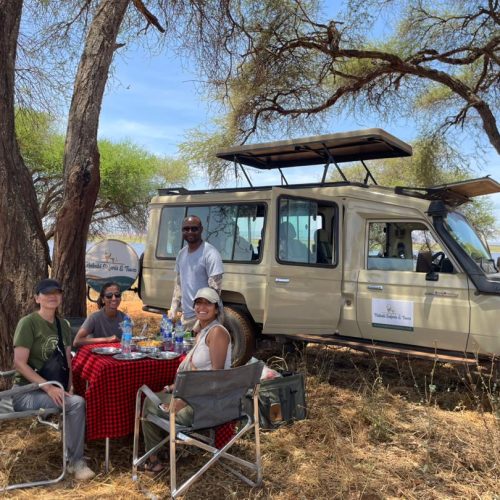
Discover Tanzania’s Wildlife, Culture and Tropical Beaches Experience the best of Tanzania on this carefully designed 8-day Tanzania holiday, combining an exciting Northern Tanzania safari...
Ngorongoro Conservation area, serengeti National park, Tarangire National park, zanzibar Island
Medium
1-6 People
Duration
8 Days - 7 Nights
$1957
/ person
Next Departures
October 5, 2026 (Available)October 6, 2026 (Available)October 7, 2026 (Available)
Featured
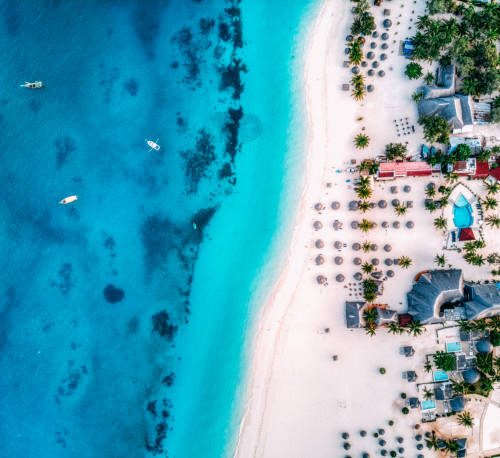
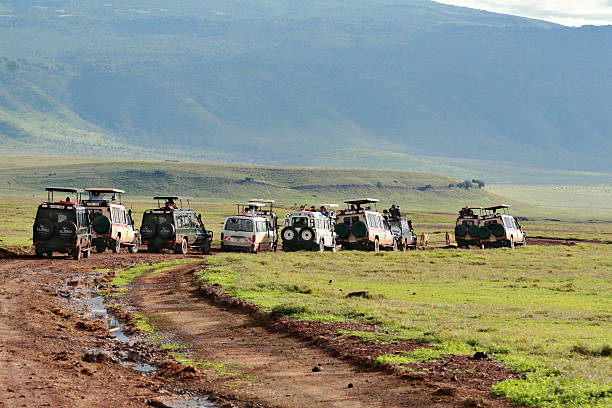
From the Wild Heart of Tanzania to the Tropical Shores of Zanzibar Experience the perfect combination of wildlife adventure and tropical relaxation on this 12-day...
Duration
12 Days - 11 Nights
$3088
/ person
Next Departures
October 5, 2026 (Available)October 6, 2026 (Available)October 7, 2026 (Available)
Featured
Follow the Rhythm of the Wild Across Tanzania Experience the best of Tanzania's northern safari circuit on this carefully designed 9-day Tanzania safari vacation, with...
Duration
9 Days - 8 Nights
$2233
/ person
Next Departures
October 5, 2026 (Available)October 6, 2026 (Available)October 7, 2026 (Available)
Featured
Experience Tanzania at its fullest on this carefully designed 18-day Tanzania safari and Zanzibar vacation, combining the country's legendary wildlife destinations with the cultural richness...
Ngorongoro Conservation area, serengeti National park, Tarangire National park, zanzibar Island
Medium
1-6 People
Duration
18 Days - 17 Nights
$3196
/ person
Next Departures
October 5, 2026 (Available)October 6, 2026 (Available)October 7, 2026 (Available)
Featured
This 5-day Tanzania small group safari is an exciting and affordable way to experience some of the country's most iconic wildlife destinations while sharing the...
Duration
5 Days - 4 Nights
$1570
/ group
Next Departures
October 5, 2026 (Available)October 6, 2026 (Available)October 7, 2026 (Available)