
- 8
- 18
- 18
- 17
Ngorongoro Conservation area
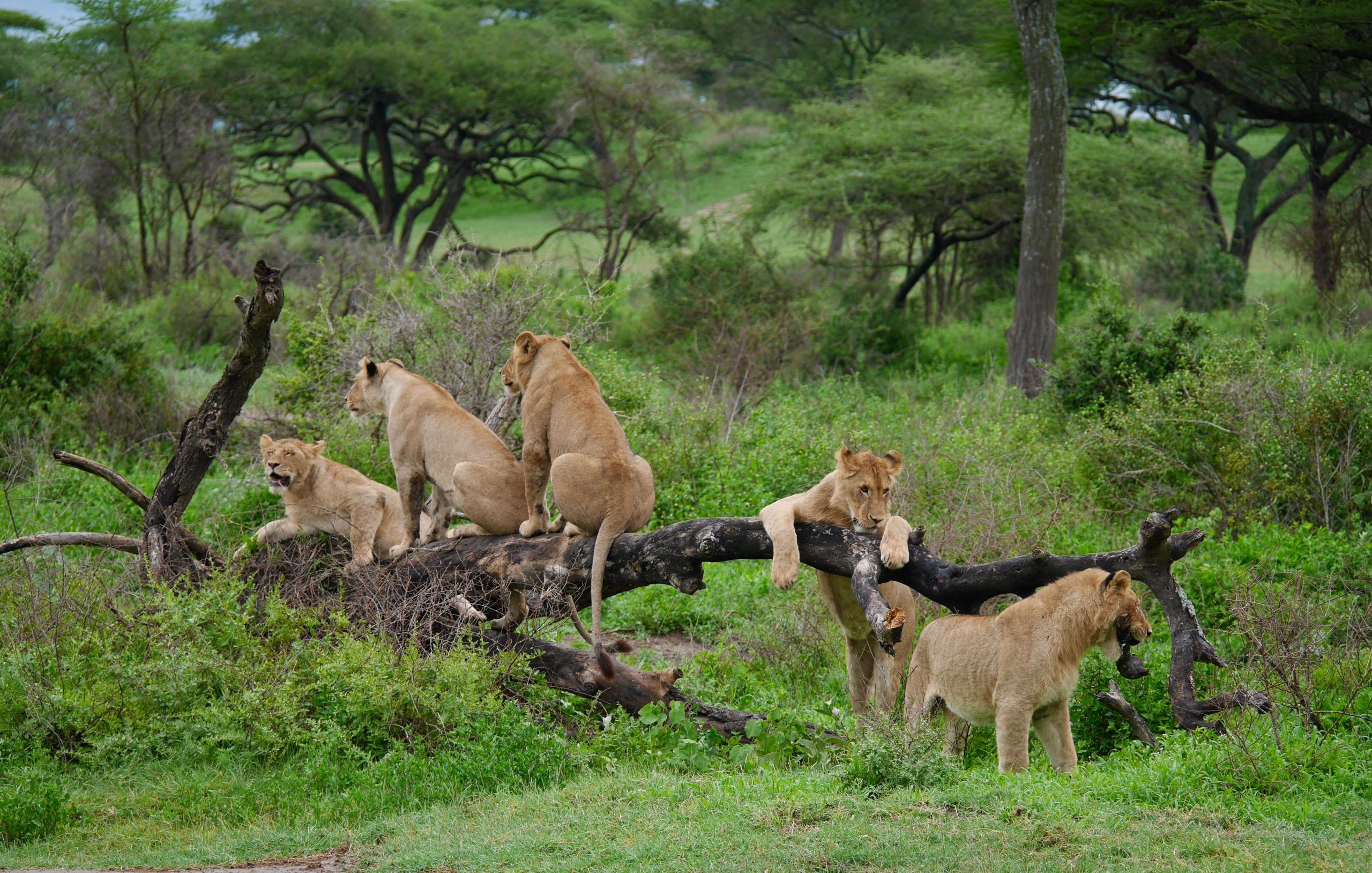
Where Wildlife, Volcanic Landscapes & Maasai Culture Come Together
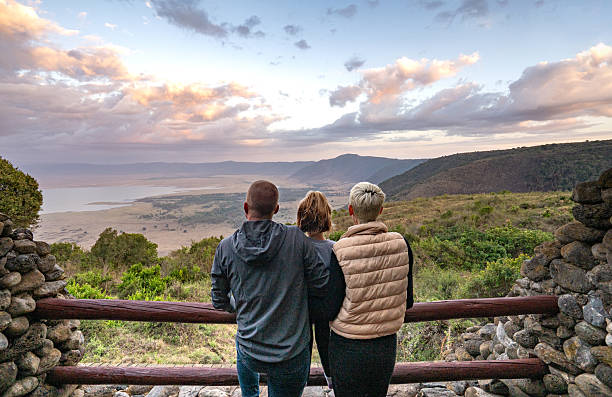
Rising from the dramatic landscapes of northern Tanzania, the Ngorongoro Conservation Area is one of Africa’s most extraordinary protected landscapes. It is a destination where wildlife, volcanic geology, archaeological heritage and living Maasai culture exist within the same remarkable environment.
At the heart of the conservation area lies the world-famous Ngorongoro Crater, a vast volcanic caldera surrounded by steep walls and supporting a remarkably diverse concentration of wildlife. Beyond the crater, however, Ngorongoro extends across a much larger landscape of highland forests, grasslands, volcanic mountains, ancient archaeological sites and traditional Maasai communities.
What makes Ngorongoro particularly distinctive is its conservation approach. Unlike a conventional national park, the area supports both wildlife conservation and the continued presence of indigenous pastoralist communities.
For travelers, this creates an experience that goes beyond a traditional game drive. A visit to Ngorongoro offers the opportunity to explore an extraordinary natural landscape while gaining a deeper appreciation of Tanzania’s wildlife, geological history, human heritage and cultural traditions.
WHERE IS NGORONGORO CONSERVATION AREA?
It lies between the Serengeti ecosystem to the west and the Lake Manyara–Tarangire area to the east.
Its high-altitude location creates a cooler environment than many of Tanzania’s lowland safari destinations, while the surrounding volcanic landscape contributes to a remarkable variety of habitats.
The conservation area is commonly incorporated into safari itineraries connecting:
Arusha → Tarangire → Lake Manyara → Ngorongoro → Serengeti
This makes Ngorongoro one of the most important destinations on a Northern Tanzania safari.
THE NGORONGORO CRATER
The Ngorongoro Crater is the most famous feature of the conservation area.
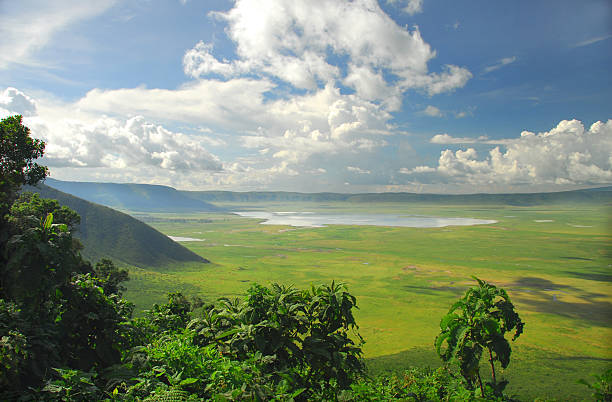
The crater was formed when a large volcanic mountain collapsed inward following a major volcanic eruption millions of years ago. Today, the enormous caldera contains grasslands, woodland, wetlands and a permanent water source, creating a highly productive ecosystem for wildlife.
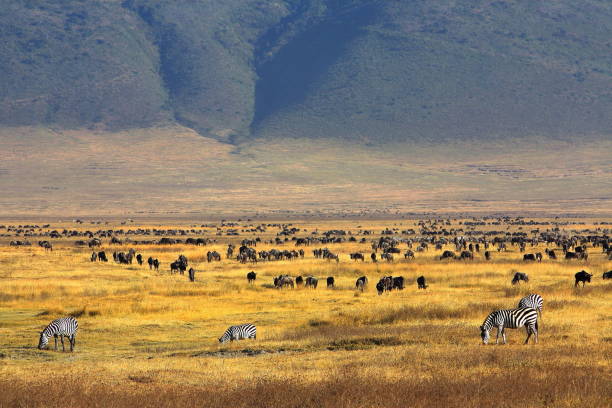
The crater floor is surrounded by steep walls that rise dramatically around the enclosed landscape.
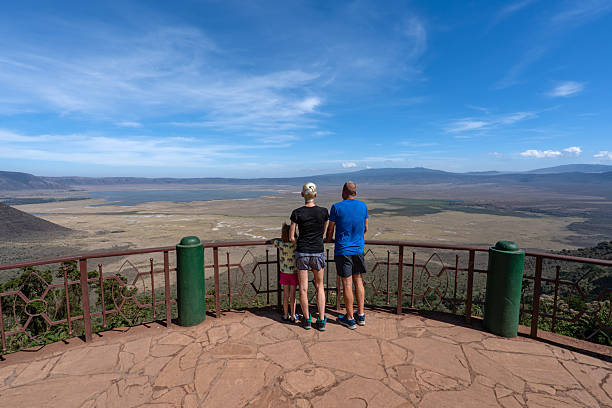
From the crater rim, visitors can look down across an extraordinary natural amphitheater where wildlife moves through the grasslands below.
The combination of geological scale and wildlife density makes the crater one of the most visually impressive safari landscapes in Tanzania.
WILDLIFE OF THE NGORONGORO CRATER
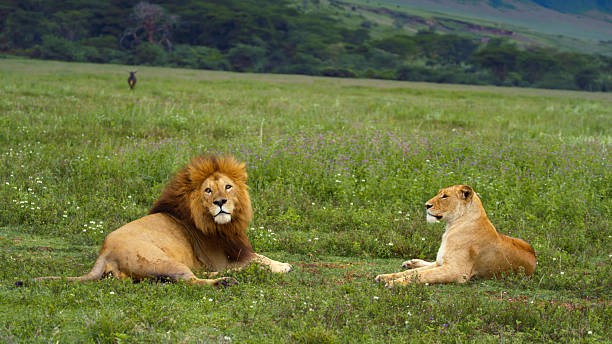
The crater supports an exceptional variety of wildlife within a relatively concentrated area.
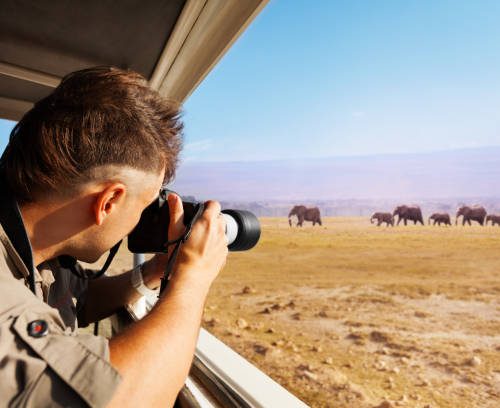
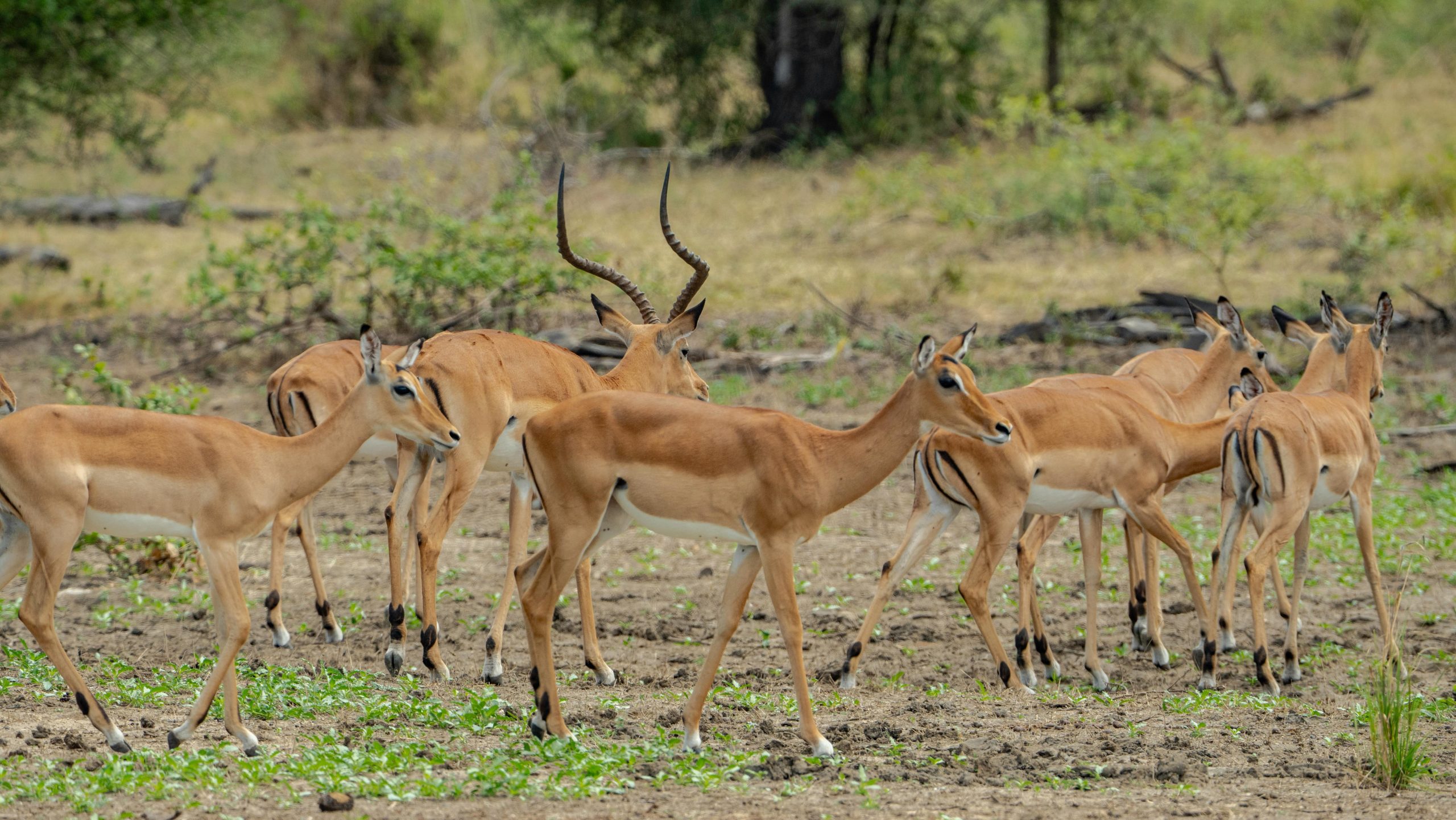
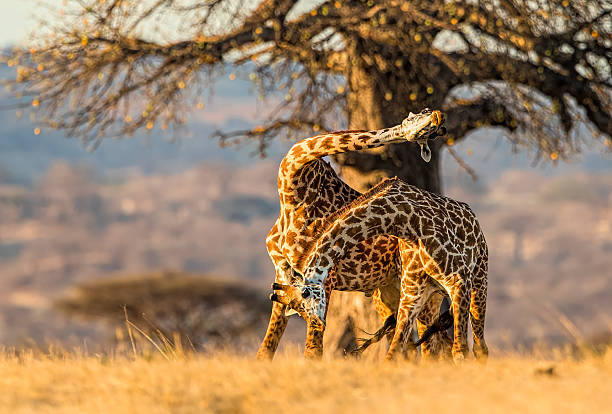
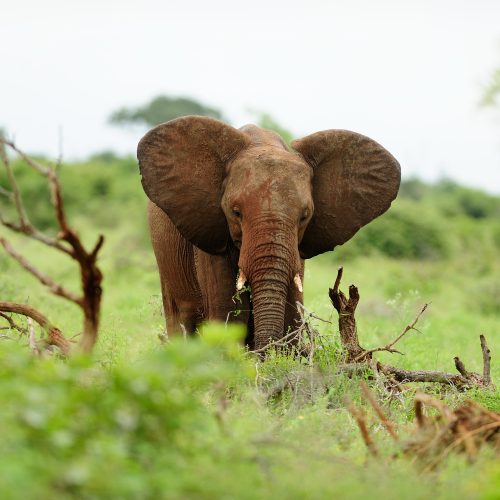
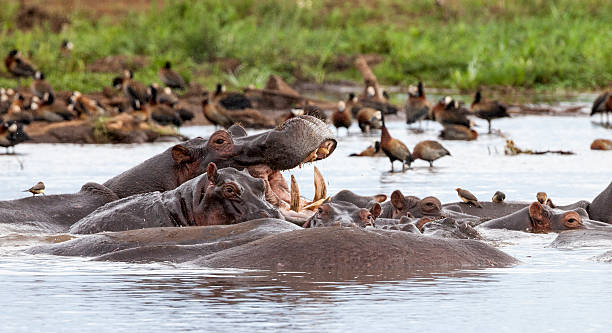
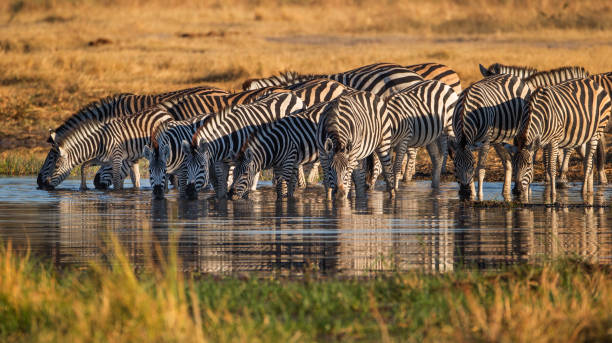
During a game drive, visitors may have opportunities to encounter:
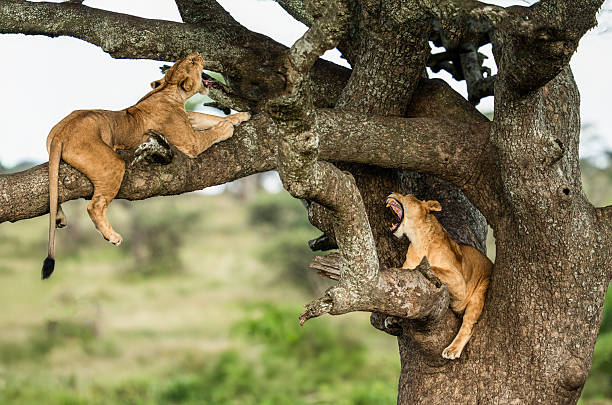
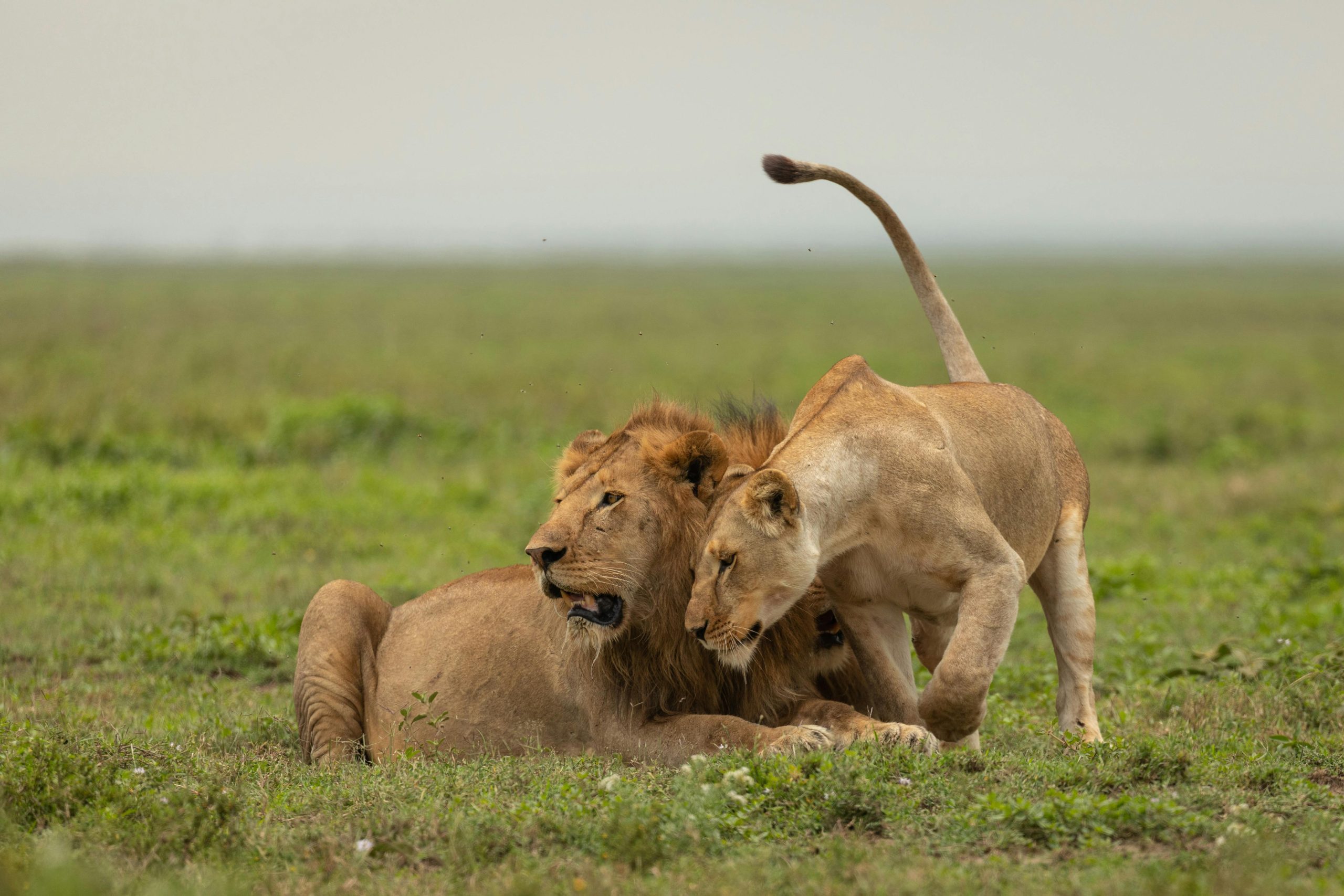
- Lions
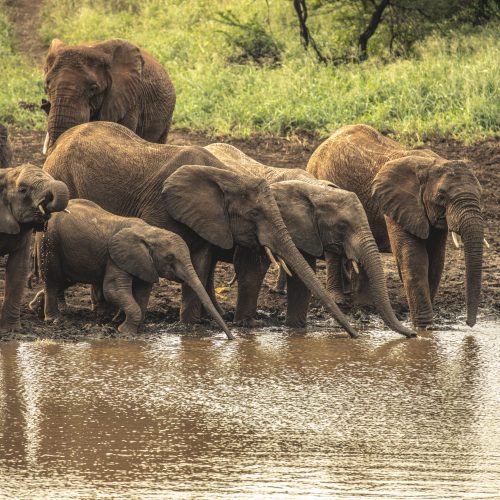
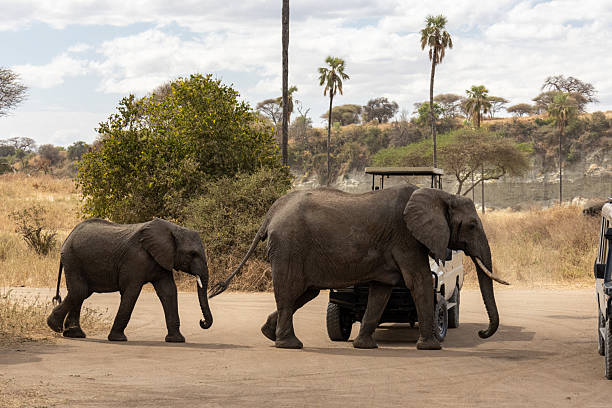
- Elephants
- Buffaloes
- Zebras
- Wildebeest
- Hippos
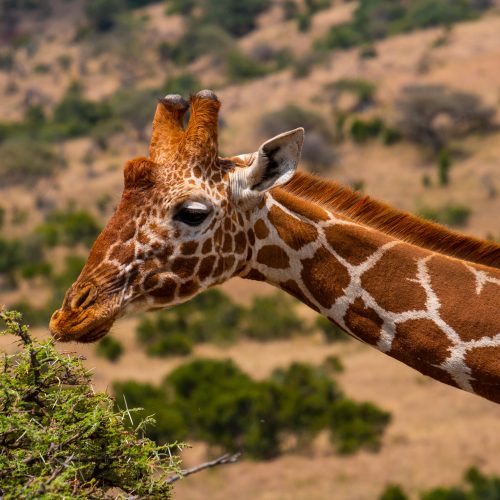
- Giraffes
- Hyenas
- Warthogs
- Grant’s and Thomson’s gazelles
- Various antelope species
- Numerous bird species
The crater is particularly famous for its large populations of grazing animals and predators.
Its permanent water sources and productive grasslands help support wildlife throughout the year, although animal movements and sightings naturally vary according to season and local conditions.
No wildlife encounter can be guaranteed, but the crater’s unique ecosystem provides excellent opportunities for game viewing.
THE BIG FIVE
Ngorongoro is widely regarded as one of Tanzania’s important destinations for encountering the Big Five—lion, leopard, elephant, buffalo and rhinoceros.
The crater provides particularly strong opportunities for seeing lions and buffaloes, while elephants and other large mammals are also regularly encountered.
Black rhinoceros are among the most significant wildlife attractions in the crater, although sightings are never guaranteed.
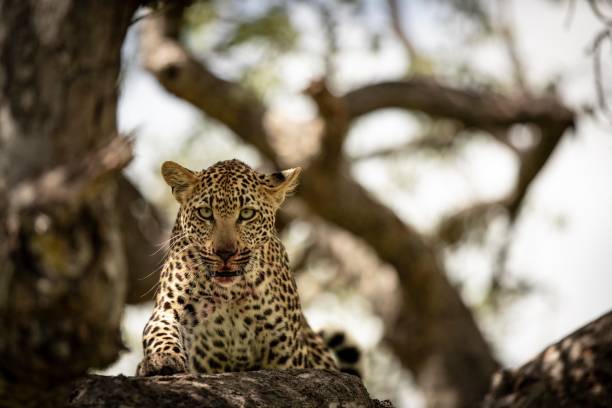
Leopards are more elusive and may require patience and good fortune to locate.
The possibility of seeing several major African wildlife species within the crater is one of the reasons Ngorongoro remains such a highly regarded safari destination.
THE BLACK RHINOCEROS
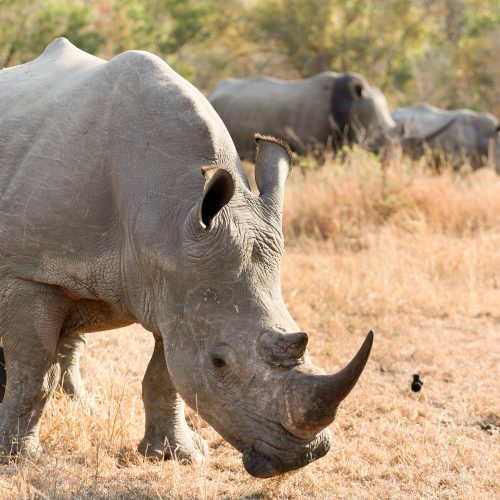
One of Ngorongoro’s most special wildlife experiences is the opportunity to encounter the endangered black rhinoceros.
The crater provides an important habitat for these remarkable animals, and sightings can sometimes occur on the open grasslands.
Rhinoceros are naturally cautious and can be difficult to locate, making any encounter particularly meaningful.
For wildlife enthusiasts and photographers, the possibility of seeing a black rhino in its natural environment adds significant value to a Ngorongoro safari.
BEYOND THE CRATER
The Ngorongoro Conservation Area is much more than the crater.
The wider landscape includes extensive highlands, grasslands, forests and volcanic mountains.
Important features include:
Ngorongoro Highlands
The highlands contain dramatic volcanic landscapes, forests and open grazing areas.
Olmoti Crater
Olmoti is a smaller volcanic crater known for its scenic landscape, forested slopes and waterfall.
Empakaai Crater
Empakaai offers spectacular views across its crater landscape and, on clear days, toward the surrounding highlands.
Olduvai Gorge
Olduvai Gorge is one of the world’s most important archaeological and paleoanthropological sites, providing extraordinary evidence about early human history.
Together, these landscapes demonstrate that Ngorongoro is not simply a wildlife destination but a region of exceptional geological and archaeological importance.
THE MAASAI OF NGORONGORO
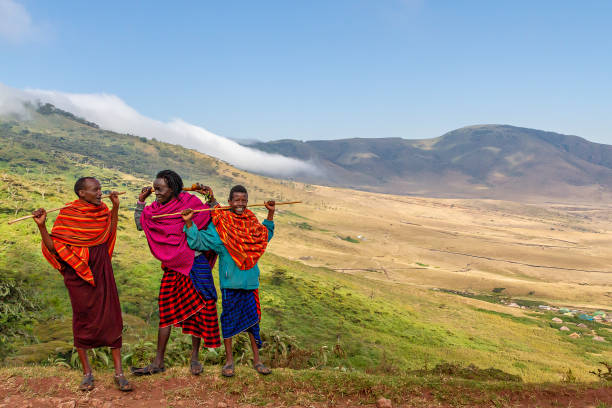
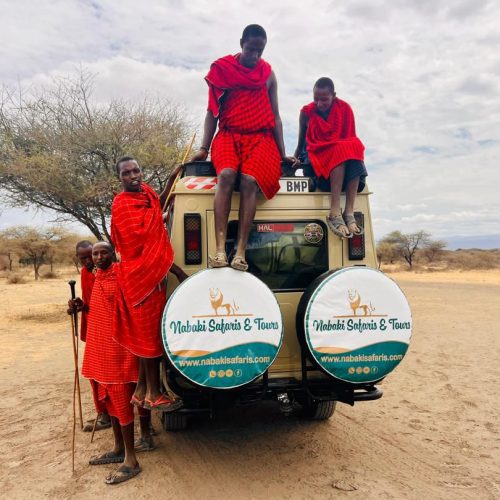
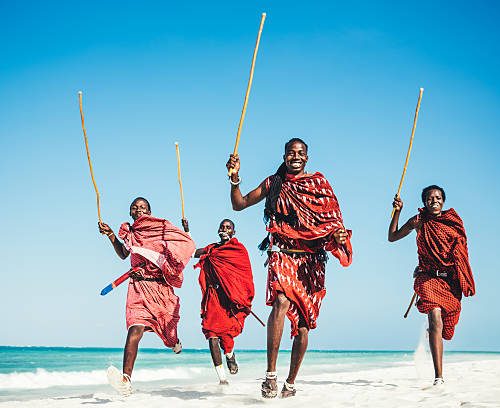
One of the most distinctive characteristics of the Ngorongoro Conservation Area is the presence of Maasai pastoralist communities living within the conservation landscape.
For generations, Maasai communities have practiced pastoralism in the area, maintaining livestock-based traditions while sharing the landscape with wildlife.
This relationship between people, livestock, wildlife and the environment is central to the identity of the conservation area.
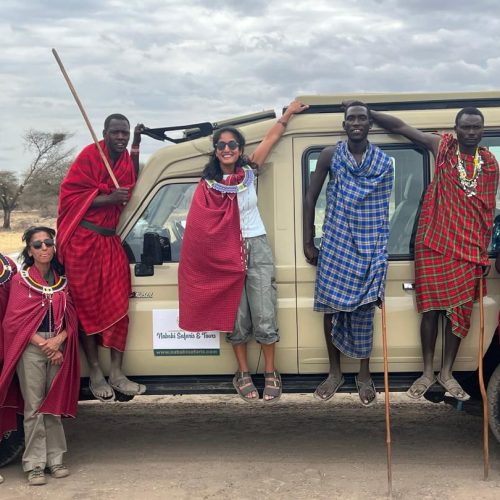
Visitors can learn about Maasai traditions through carefully arranged cultural experiences, which may include visiting a community, learning about traditional livelihoods, experiencing local music and understanding aspects of Maasai culture.
Cultural experiences should always be approached respectfully, with communities benefiting directly from responsible tourism.
A UNIQUE CONSERVATION MODEL
Ngorongoro differs from many conventional national parks because it was established as a multiple-use conservation area.
The broader conservation model seeks to protect wildlife and natural resources while allowing traditional pastoralist communities to continue living within the area.
This creates a landscape where conservation, tourism, livestock and human communities intersect.
The model is complex and has evolved over time, making Ngorongoro an important example of the challenges and possibilities involved in conserving wildlife landscapes where people also live and work.
For visitors, understanding this aspect of Ngorongoro adds depth to the safari experience.
OLDuvai GORGE & HUMAN HISTORY
Ngorongoro is also one of the world’s most important places for understanding human evolution.
Olduvai Gorge, located within the conservation area, has produced important fossil and archaeological discoveries that have contributed significantly to scientific understanding of early human history.
The area is associated with some of the most important paleoanthropological research in East Africa.
Nearby Laetoli is also famous for ancient hominin footprints preserved in volcanic ash, providing remarkable evidence of early human ancestors walking across the landscape millions of years ago.
These sites give Ngorongoro a significance that extends far beyond wildlife tourism.
THE VOLCANIC LANDSCAPE
Ngorongoro’s identity is deeply connected to its volcanic origins.
The region contains numerous extinct volcanic formations, craters and highland landscapes created through ancient geological activity.
The volcanic soils have also contributed to productive grasslands that support large populations of herbivores.
The result is a landscape where geology directly influences ecology.
From the crater floor to the highland forests and volcanic peaks, Ngorongoro provides an opportunity to experience the geological history of northern Tanzania alongside its wildlife.
THINGS TO DO IN NGORONGORO CONSERVATION AREA
01 — Ngorongoro Crater Game Drive
The crater game drive is the signature experience.
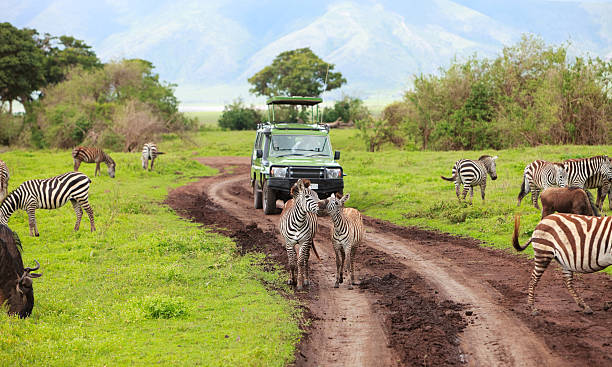
Descend from the crater rim into the caldera and explore its grasslands, wetlands and woodland while searching for wildlife.
The experience provides opportunities to observe predators, herbivores and birdlife against a dramatic volcanic backdrop.
02 — Maasai Cultural Experiences
Learn about the traditions and pastoral lifestyle of Maasai communities living within the conservation area.
Depending on the experience arranged, visitors may learn about traditional homes, livestock keeping, cultural practices and community life.
03 — Olduvai Gorge
Explore one of the world’s most significant archaeological landscapes and learn about discoveries that have transformed our understanding of human evolution.
04 — Empakaai Crater
Hike into the highlands around Empakaai Crater for spectacular views, forest scenery and a quieter experience away from the main safari routes.
05 — Olmoti Crater
Explore the beautiful volcanic landscape around Olmoti, including its forested slopes and waterfall.
06 — Highland Walking
Selected areas of the Ngorongoro Highlands provide opportunities for guided walking experiences.
Walking allows travelers to experience the landscape at a slower pace, with greater attention to vegetation, birds, geology and local environments.
Activities must be arranged according to current conservation-area regulations and local guiding requirements.
BIRDWATCHING IN NGORONGORO
Ngorongoro supports a diverse bird population because of its combination of forests, grasslands, wetlands, crater habitats and highland ecosystems.
Birdwatchers may encounter:
- Flamingos
- Ostriches
- Kori bustards
- Secretary birds
- Crowned cranes
- Eagles
- Vultures
- Herons
- Egrets
- Various migratory species
The crater’s wetlands can be particularly attractive to waterbirds, while the surrounding highlands support different forest and grassland species.
For bird enthusiasts, Ngorongoro can be incorporated into a broader Tanzania birding itinerary.
THE CRATER LAKES
Several water sources contribute to the productivity of the crater ecosystem.
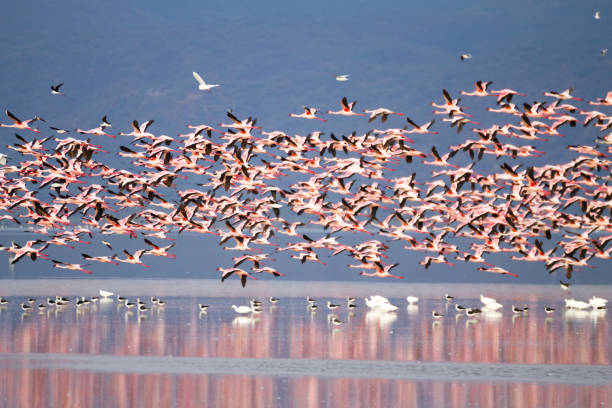
Lake Magadi, a shallow alkaline lake on the crater floor, is particularly recognizable and can attract large concentrations of flamingos and other waterbirds depending on seasonal conditions.
The lake creates a beautiful contrast against the surrounding grasslands and crater walls.
Water levels and bird concentrations change naturally, so the appearance of the lake can vary between seasons.
BEST TIME TO VISIT NGORONGORO
Ngorongoro can be visited throughout the year, with each season offering a different atmosphere.
Dry Season
The drier months generally provide comfortable game-drive conditions and can make wildlife easier to observe in some areas.
The vegetation may be less dense, and roads are generally more suitable for safari activities.
Wet & Green Season
The rainy periods transform the highlands and crater surroundings into lush green landscapes.
This season can be particularly rewarding for photographers because of the dramatic skies, vibrant vegetation and fresh scenery.
Migratory birds may also add to the experience.
Calving & Wildlife Season
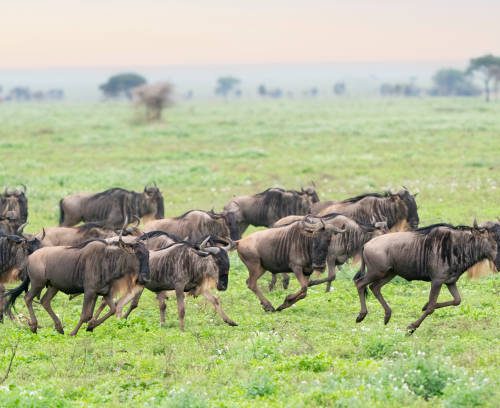
The wider Ngorongoro–Serengeti ecosystem can support important seasonal movements of wildebeest and other grazing animals.
Exact wildlife distribution varies according to rainfall, food availability and seasonal conditions.
For this reason, the best time to visit depends on whether your priority is general wildlife viewing, photography, birdwatching, cultural experiences or combining Ngorongoro with Serengeti.
HOW TO GET TO NGORONGORO
Ngorongoro is conveniently located within Tanzania’s Northern Safari Circuit.
Most road-based safari travelers reach the conservation area from Arusha, usually passing through the Great Rift Valley and the town of Mto wa Mbu before continuing toward the Ngorongoro Highlands.
The area can also be reached as part of a safari traveling between Lake Manyara and Serengeti.
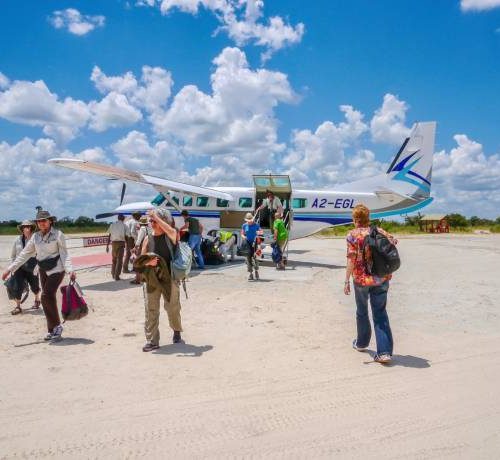
For travelers using domestic flights, nearby airstrips can be incorporated depending on the selected itinerary and flight schedule.
Because of the area’s high altitude and remote terrain, a professionally organized itinerary is recommended.
NGORONGORO’S ALTITUDE & CLIMATE
Ngorongoro lies at considerably higher elevations than many of Tanzania’s safari destinations.
The crater rim and surrounding highlands can therefore be cool, especially in the early morning and evening.
Travelers should pack layers, including warm clothing for early crater descents and evenings.
The crater floor itself is generally warmer than the rim, but temperatures can still change during the day.
The combination of altitude, rainfall and volcanic terrain creates a distinctive highland climate that contributes to the area’s lush forests and productive grasslands.
NGORONGORO AS PART OF A TANZANIA SAFARI
Ngorongoro is particularly effective when combined with other destinations.
A classic Northern Tanzania itinerary can include:
Tarangire → Lake Manyara → Ngorongoro → Serengeti
This route allows travelers to experience very different ecosystems in one journey.
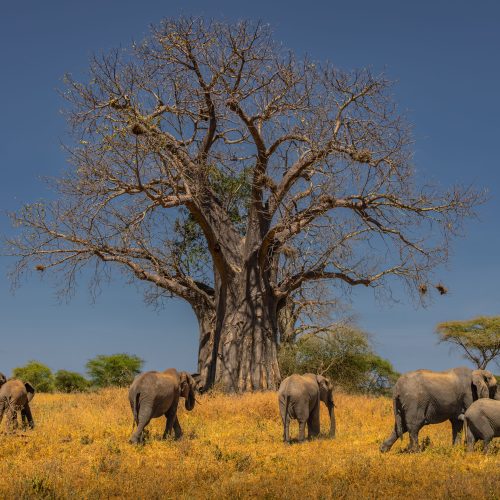
Tarangire offers elephants and iconic baobab landscapes. Lake Manyara introduces forest, lake and diverse habitats. Ngorongoro combines volcanic scenery, concentrated wildlife and cultural heritage, while Serengeti opens into vast savannah plains and major wildlife migration landscapes.
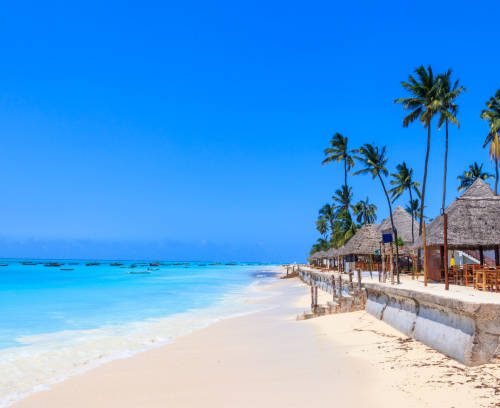
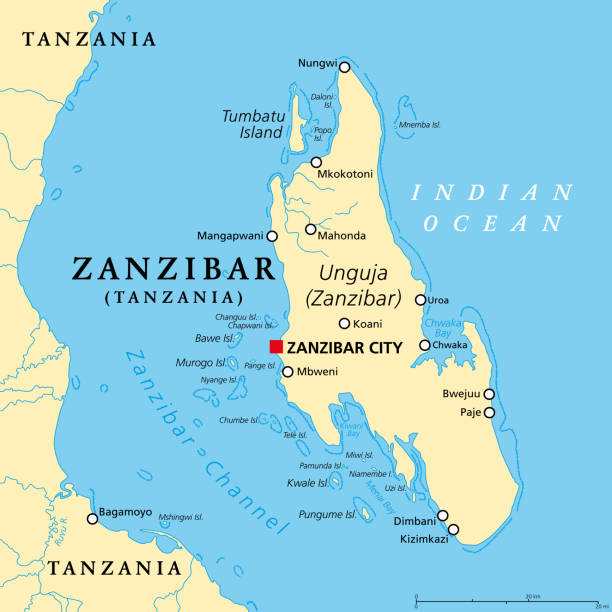
Ngorongoro can also be combined with Kilimanjaro trekking, Mount Meru, Zanzibar or cultural experiences to create a longer Tanzania holiday.
WHO SHOULD VISIT NGORONGORO?
Ngorongoro is particularly suitable for:
- First-time Tanzania safari travelers
- Wildlife enthusiasts
- Big Five enthusiasts
- Wildlife photographers
- Families
- Couples and honeymoon travelers
- Birdwatchers
- Travelers interested in geology
- Travelers fascinated by human evolution
- Visitors interested in Maasai culture
- Travelers combining Serengeti with other Northern Circuit destinations
NGORONGORO CONSERVATION AREA AT A GLANCE
| Feature | Details |
|---|---|
| Location | Northern Tanzania |
| Main Attraction | Ngorongoro Crater |
| Landscape | Volcanic highlands, crater, forests, grasslands & wetlands |
| Signature Wildlife | Lions, elephants, buffaloes, zebras, wildebeest, hippos & rhinos |
| Special Wildlife | Black rhinoceros |
| Cultural Highlight | Maasai communities |
| Historical Highlight | Olduvai Gorge |
| Geological Features | Ngorongoro, Empakaai & Olmoti craters |
| Major Lake | Lake Magadi |
| Main Activities | Crater game drives, cultural experiences, hiking & archaeological visits |
| Safari Circuit | Northern Tanzania |
| Common Combinations | Tarangire, Lake Manyara & Serengeti |
| Climate | Highland climate; generally cooler than lowland safari areas |
| Main Gateway | Arusha / Mto wa Mbu route |
WHY VISIT NGORONGORO CONSERVATION AREA?
Ngorongoro is one of the rare places where wildlife, geology, archaeology and living culture can be experienced within a single conservation landscape.
The Ngorongoro Crater provides an extraordinary setting for wildlife viewing, while the surrounding highlands reveal ancient volcanic landscapes and forests. Beyond nature, Olduvai Gorge connects the destination to the deep story of human evolution, while Maasai communities provide a living connection to the region’s cultural heritage.
A journey to Ngorongoro is therefore more than a game drive.
It is an opportunity to descend into an ancient volcanic caldera, watch wildlife move across its grasslands, look across dramatic highland landscapes, discover evidence of humanity’s distant past and gain a deeper understanding of the relationship between people and nature.
Discover Ngorongoro with Nabaki Safaris
Explore Ngorongoro Conservation Area with Nabaki Safaris, the best tour operator in Tanzania, and experience one of Tanzania’s most extraordinary destinations.
Whether you are planning a dedicated Ngorongoro safari or combining the conservation area with Tarangire, Lake Manyara and Serengeti, our team can design a carefully planned journey around your interests, travel style and schedule.
Featured


An Exclusive Journey Through Tanzania's Iconic Wilderness Experience Tanzania at its finest on an exclusive 9-Day Tanzania Diamond Luxury Safari, created for travelers seeking exceptional...
Duration
9 Days - 8 Nights
$11074
/ person
Next Departures
October 5, 2026 (Available)October 6, 2026 (Available)October 7, 2026 (Available)
Featured
Discover Tanzania through an exclusive 8-Day Tanzania Diamond Luxury Safari, designed for travelers seeking exceptional wildlife encounters, elegant accommodation, personalized service and unforgettable moments in...
Duration
8 Days - 7 Nights
$8963
/ person
Next Departures
October 5, 2026 (Available)October 6, 2026 (Available)October 7, 2026 (Available)
Featured
From Tanzania's Wildlife Wilderness to the Tropical Shores of Zanzibar Experience the best of Tanzania on a carefully designed 12-day Tanzania Safari & Zanzibar Holiday,...
Duration
12 Days - 11 Nights
$10550
/ person
Next Departures
October 5, 2026 (Available)October 6, 2026 (Available)October 7, 2026 (Available)
Featured
Extend Your Tanzania Adventure with Five Days in the Wild Add a memorable 5-day Tanzania safari extension to your Tanzania holiday and discover some of...
Duration
5 Days - 4 Nights
$1069
/ person
Next Departures
October 5, 2026 (Available)October 6, 2026 (Available)October 7, 2026 (Available)
Featured
The Ultimate Journey Through Tanzania’s Northern Safari Circuit Embark on an extraordinary 16-day Northern Tanzania safari designed for travelers who want to explore the country's...
Duration
16 Days - 15 Nights
$4563
/ person
Next Departures
October 5, 2026 (Available)October 6, 2026 (Available)October 7, 2026 (Available)
Featured
Discover Tanzania’s Iconic Wildlife, Landscapes and Endless Plains Experience the very best of Northern Tanzania on this carefully designed 10-day Tanzania safari, combining spectacular wildlife,...
Duration
10 Days - 9 Nights
$2461
/ person
Next Departures
October 5, 2026 (Available)October 6, 2026 (Available)October 7, 2026 (Available)
Featured
Extend Your Tanzania Journey with an Unforgettable Wildlife Escape Add an exciting 4-day Tanzania safari extension to your existing Tanzania holiday and discover some of...
Duration
4 Days - 3 Nights
$763
/ person
Next Departures
October 5, 2026 (Available)October 6, 2026 (Available)October 7, 2026 (Available)
Featured

From Tanzania’s Wildlife Wilderness to the Tropical Shores of Zanzibar Experience the best of Tanzania on this carefully crafted 13-day Tanzania safari and Zanzibar holiday,...
Duration
13 Days - 12 Nights
$2561
/ person
Next Departures
October 5, 2026 (Available)October 6, 2026 (Available)October 7, 2026 (Available)
Featured
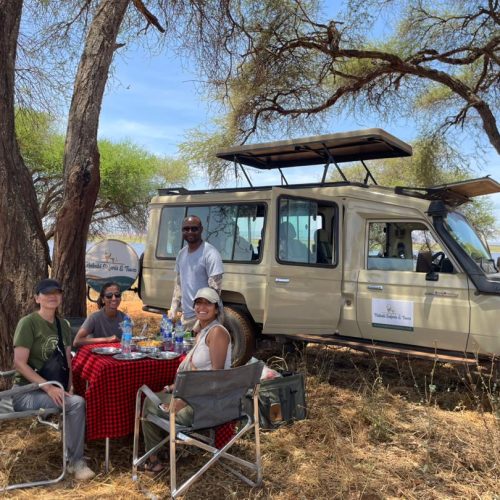
Discover Tanzania’s Wildlife, Culture and Tropical Beaches Experience the best of Tanzania on this carefully designed 8-day Tanzania holiday, combining an exciting Northern Tanzania safari...
Ngorongoro Conservation area, serengeti National park, Tarangire National park, zanzibar Island
Medium
1-6 People
Duration
8 Days - 7 Nights
$1957
/ person
Next Departures
October 5, 2026 (Available)October 6, 2026 (Available)October 7, 2026 (Available)
Featured
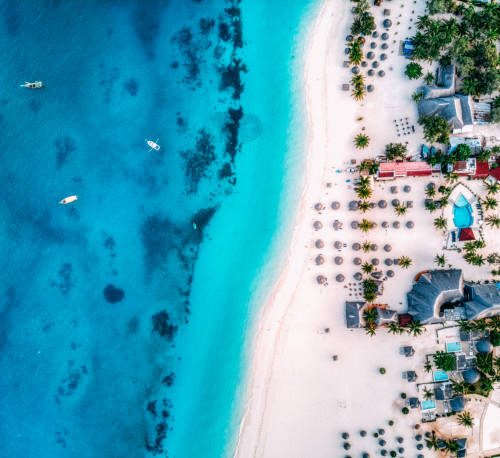
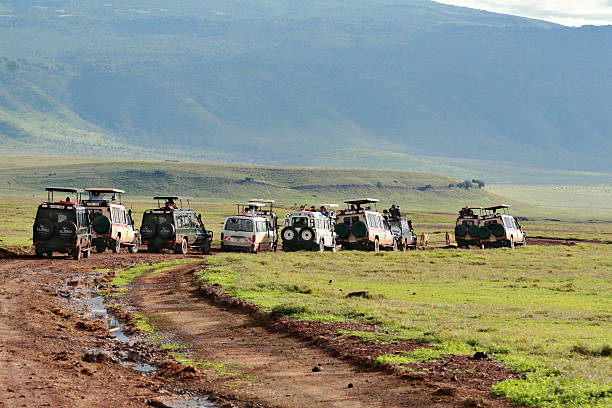
From the Wild Heart of Tanzania to the Tropical Shores of Zanzibar Experience the perfect combination of wildlife adventure and tropical relaxation on this 12-day...
Duration
12 Days - 11 Nights
$3088
/ person
Next Departures
October 5, 2026 (Available)October 6, 2026 (Available)October 7, 2026 (Available)
Featured
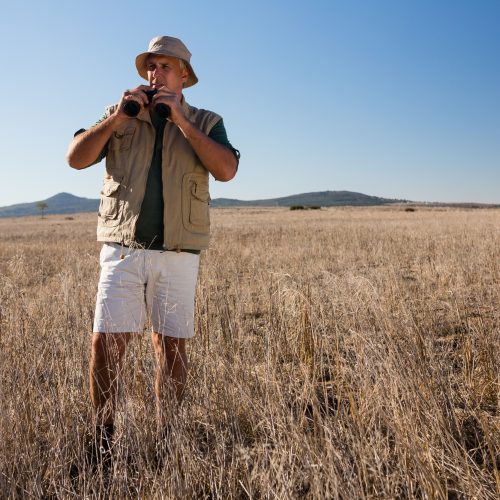
Follow the Rhythm of the Wild Across Tanzania Experience the best of Tanzania's northern safari circuit on this carefully designed 9-day Tanzania safari vacation, with...
Duration
9 Days - 8 Nights
$2233
/ person
Next Departures
October 5, 2026 (Available)October 6, 2026 (Available)October 7, 2026 (Available)
Featured
Experience Tanzania at its fullest on this carefully designed 18-day Tanzania safari and Zanzibar vacation, combining the country's legendary wildlife destinations with the cultural richness...
Ngorongoro Conservation area, serengeti National park, Tarangire National park, zanzibar Island
Medium
1-6 People
Duration
18 Days - 17 Nights
$3196
/ person
Next Departures
October 5, 2026 (Available)October 6, 2026 (Available)October 7, 2026 (Available)
Featured
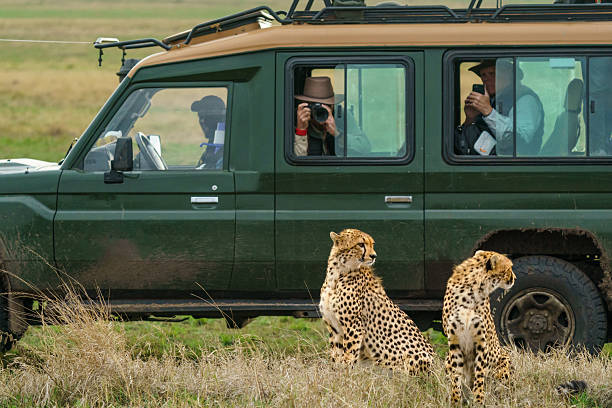
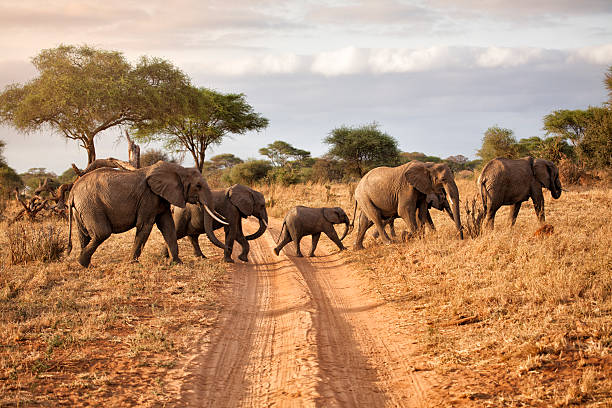
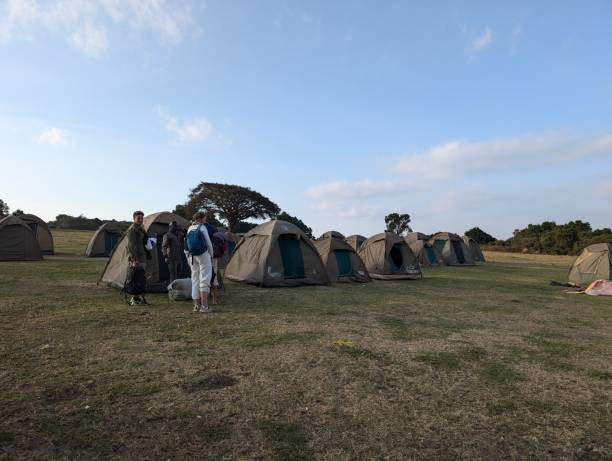
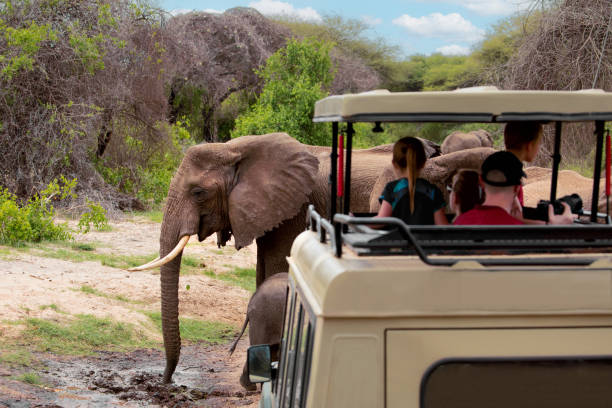
This 5-day Tanzania small group safari is an exciting and affordable way to experience some of the country's most iconic wildlife destinations while sharing the...
Duration
5 Days - 4 Nights
$1570
/ group
Next Departures
October 5, 2026 (Available)October 6, 2026 (Available)October 7, 2026 (Available)