
- 7
- 17
- 17
- 17
Tarangire National park
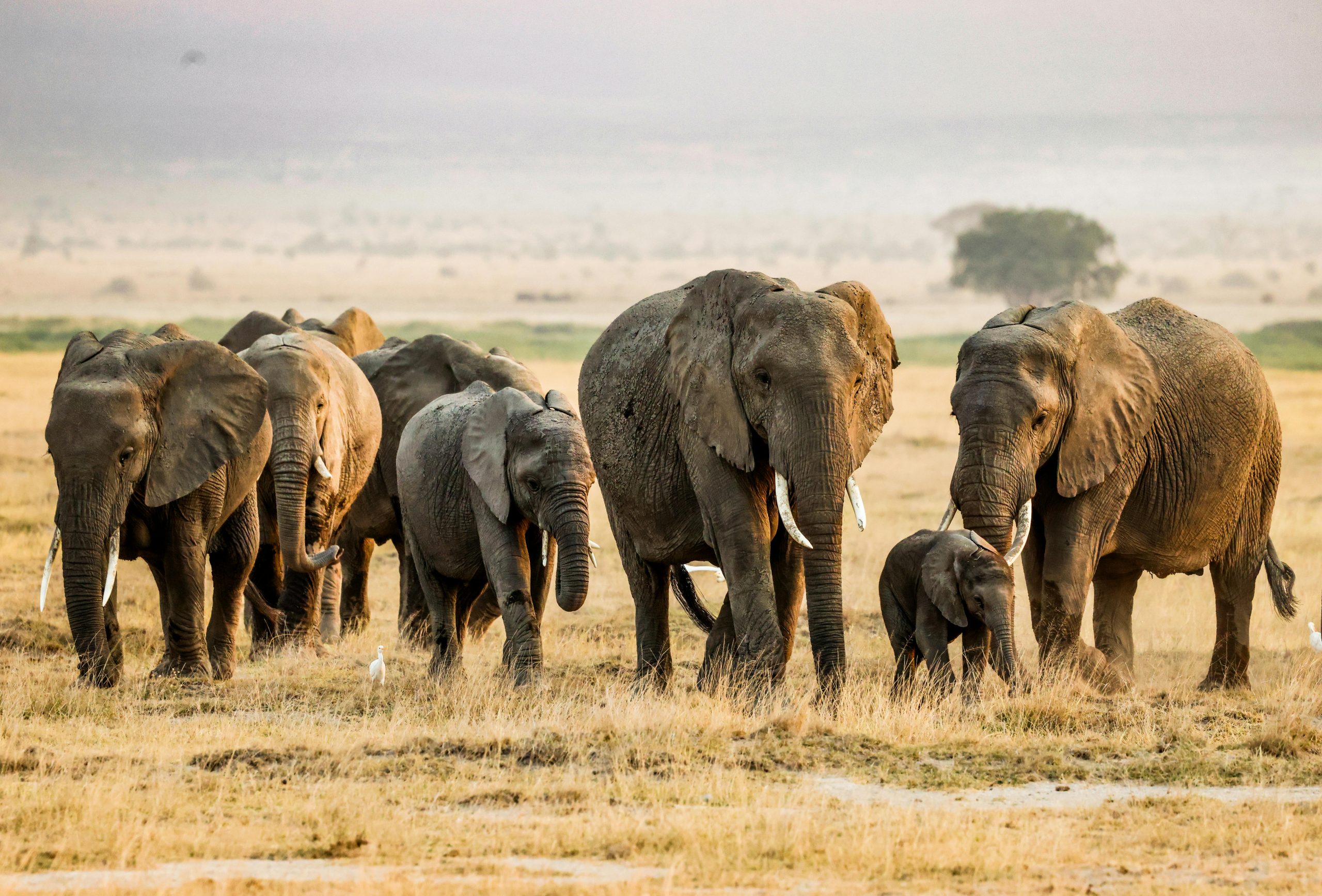
Where Giants Walk Beneath Ancient Baobabs
01 — OVERVIEW
Tarangire National Park is one of Tanzania’s most distinctive safari destinations, famous for its enormous elephant herds, ancient baobab trees, seasonal wildlife concentrations, and beautiful landscapes shaped by the Tarangire River.
Located in northern Tanzania, the park forms an important part of the Northern Tanzania Safari Circuit and is often combined with Lake Manyara, Ngorongoro Conservation Area, and Serengeti National Park.
Unlike destinations known primarily for one spectacular natural event, Tarangire offers a safari experience built around its unique combination of wildlife, vegetation, river systems, and striking scenery.
The Tarangire River is especially important during the dry season, when wildlife from surrounding areas is drawn toward permanent sources of water. This seasonal concentration can create excellent opportunities to observe elephants, buffaloes, giraffes, zebras, wildebeest, antelopes, and predators in a relatively compact area.
With its iconic baobabs and diverse habitats, Tarangire offers a different visual character from the open plains of Serengeti and makes an excellent addition to a Northern Tanzania safari.
02 — WHERE IS TARANGIRE NATIONAL PARK?
Tarangire National Park is located in northern Tanzania, within the Northern Safari Circuit.
The park lies south of Lake Manyara National Park and west of Arusha, making it a convenient destination for travelers beginning a safari from Arusha or continuing toward the other major parks of northern Tanzania.
Its strategic location allows Tarangire to be included at the beginning or end of many safari itineraries.
A classic Northern Tanzania route may follow:
Arusha → Tarangire → Lake Manyara → Ngorongoro → Serengeti
Tarangire can also be visited as a standalone day trip or incorporated into longer private and luxury safari programs.
03 — THE TARANGIRE RIVER
The Tarangire River is one of the defining features of the park.
The river provides an important source of water for wildlife, particularly during the dry season when temporary water sources become less reliable.
As water availability changes across the wider landscape, animals may gather around the river and other permanent water sources.
This creates excellent conditions for wildlife viewing and allows visitors to observe different species interacting within the same ecosystem.
The river also supports vegetation and habitats that contrast with the surrounding dry landscapes, adding ecological diversity to the park.
04 — TARANGIRE’S FAMOUS ELEPHANTS
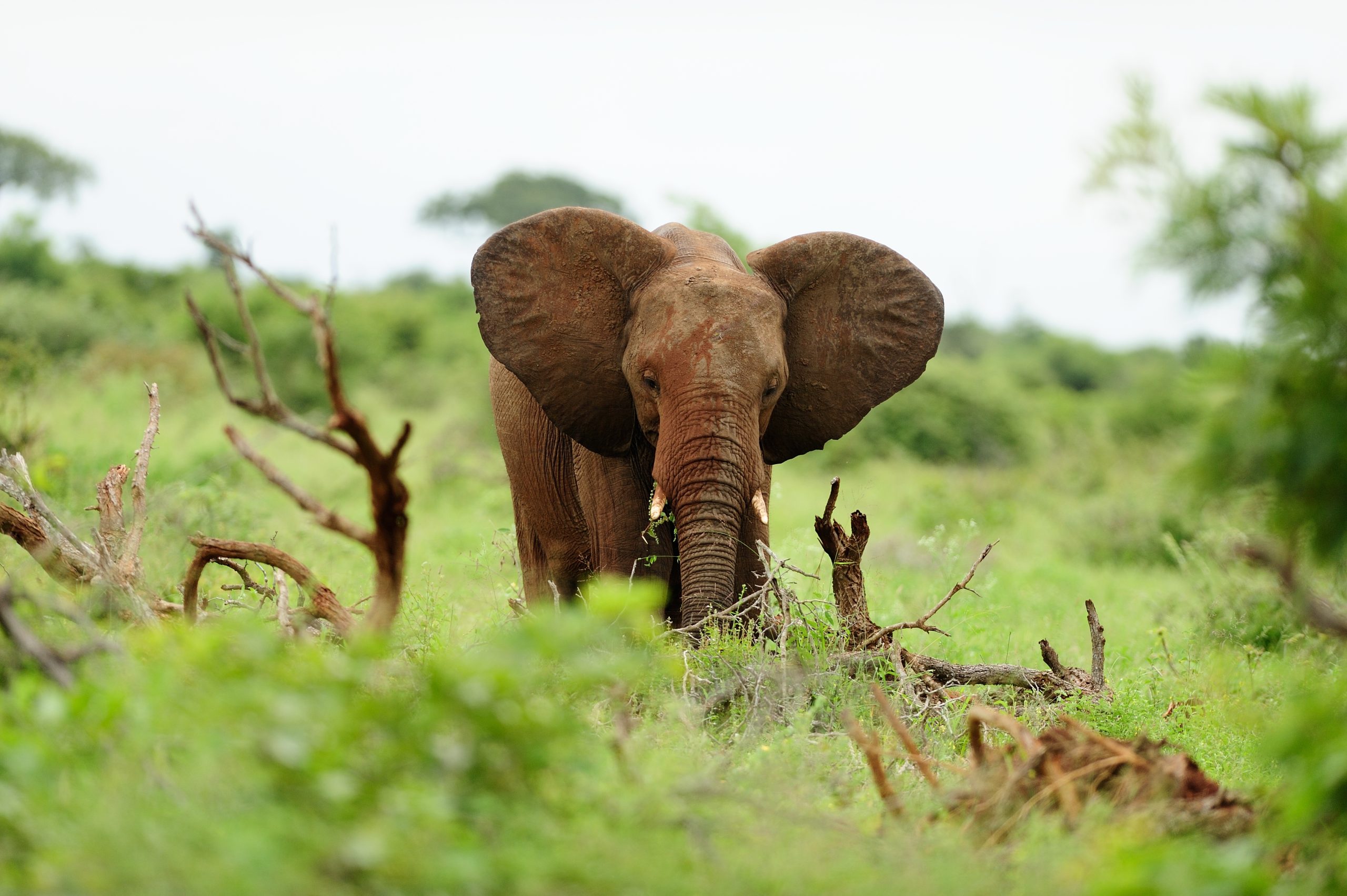
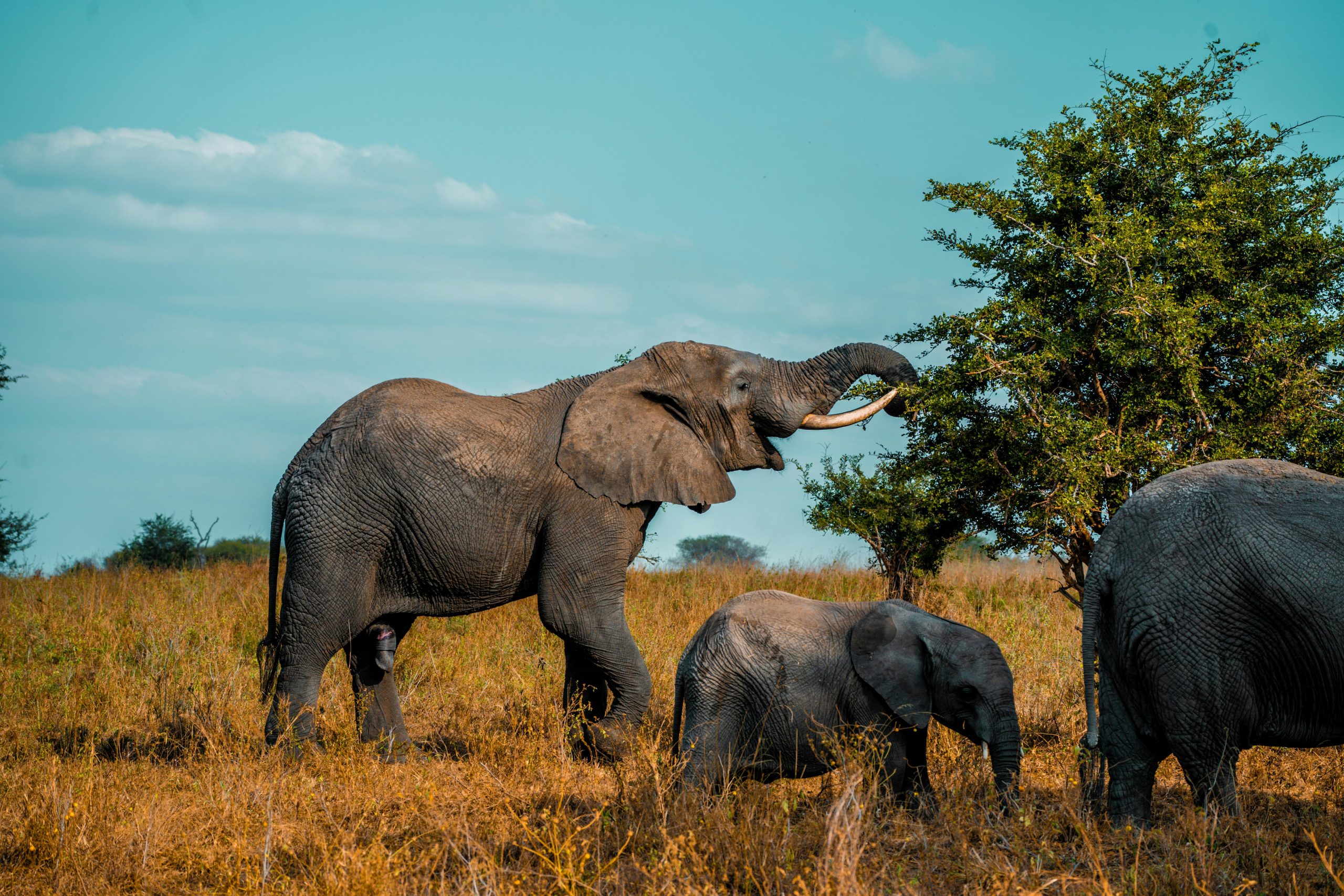
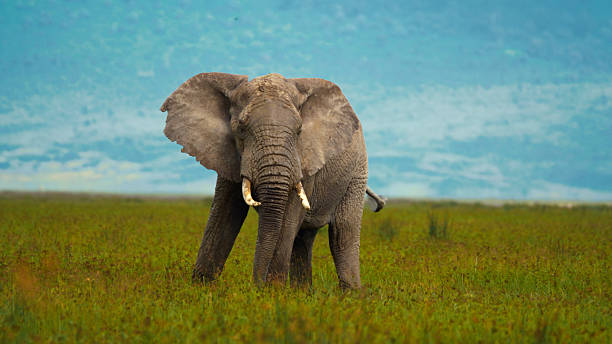
Elephants are one of the major reasons travelers visit Tarangire National Park.
The park is particularly well known for its elephant population, and encounters with large elephant families can become one of the highlights of a safari.
Visitors may see elephants:
- Moving across open grasslands
- Feeding beneath acacia trees
- Gathering around water
- Walking between baobabs
- Traveling in family groups
- Interacting with younger members of the herd
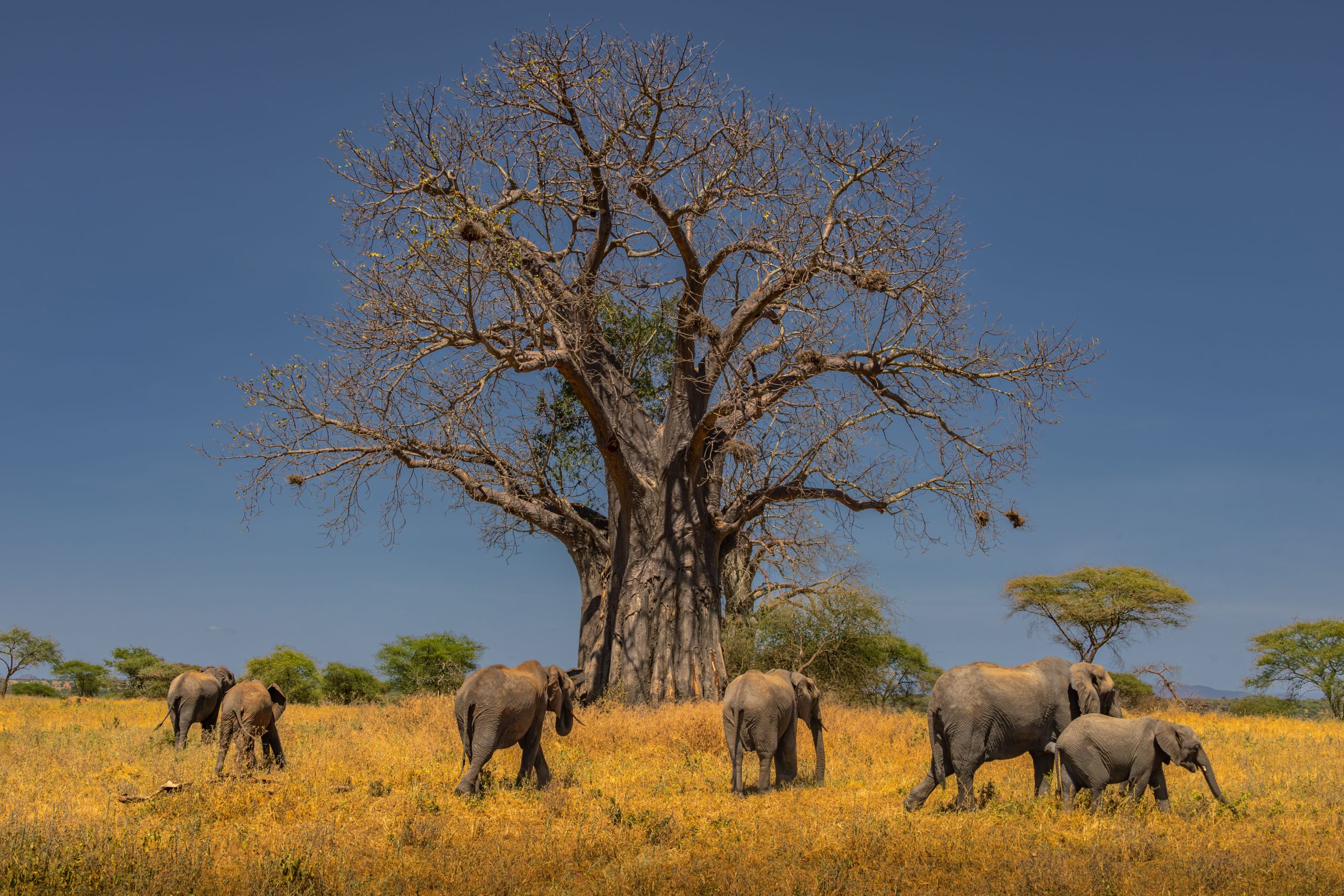
The combination of elephants and enormous baobab trees gives Tarangire some of the most recognizable wildlife scenery in Tanzania.
Wildlife sightings are naturally unpredictable, but elephants are among the species for which Tarangire is especially renowned.
05 — THE BAOBAB LANDSCAPE
Few things define the visual identity of Tarangire more strongly than its baobab trees.
These ancient-looking trees rise dramatically above the surrounding landscape, creating an atmosphere unlike many other Tanzanian safari destinations.
Baobabs can be found across different parts of the park and provide important ecological value while also becoming striking landmarks for travelers and photographers.
Their massive trunks, unusual shapes, and relationship with the surrounding savannah make them a central part of the Tarangire experience.
For photographers, a scene combining elephants, baobabs, golden grasslands, and an open African sky can be particularly memorable.
06 — WILDLIFE OF TARANGIRE
Tarangire supports a rich variety of wildlife across its different habitats.
Depending on the season and area explored, visitors may encounter:
- African elephants
- Lions
- Leopards
- Cheetahs
- Buffaloes
- Giraffes
- Zebras
- Wildebeest
- Warthogs
- Impalas
- Gazelles
- Elands
- Oryx
- Kudus
- Baboons
- Monkeys
- Hyenas
The park’s varied vegetation and water sources create habitats suitable for both resident wildlife and animals that move into the area seasonally.
As with all wild destinations, sightings cannot be guaranteed, but the diversity of species makes Tarangire highly rewarding for game drives.
07 — PREDATORS OF TARANGIRE
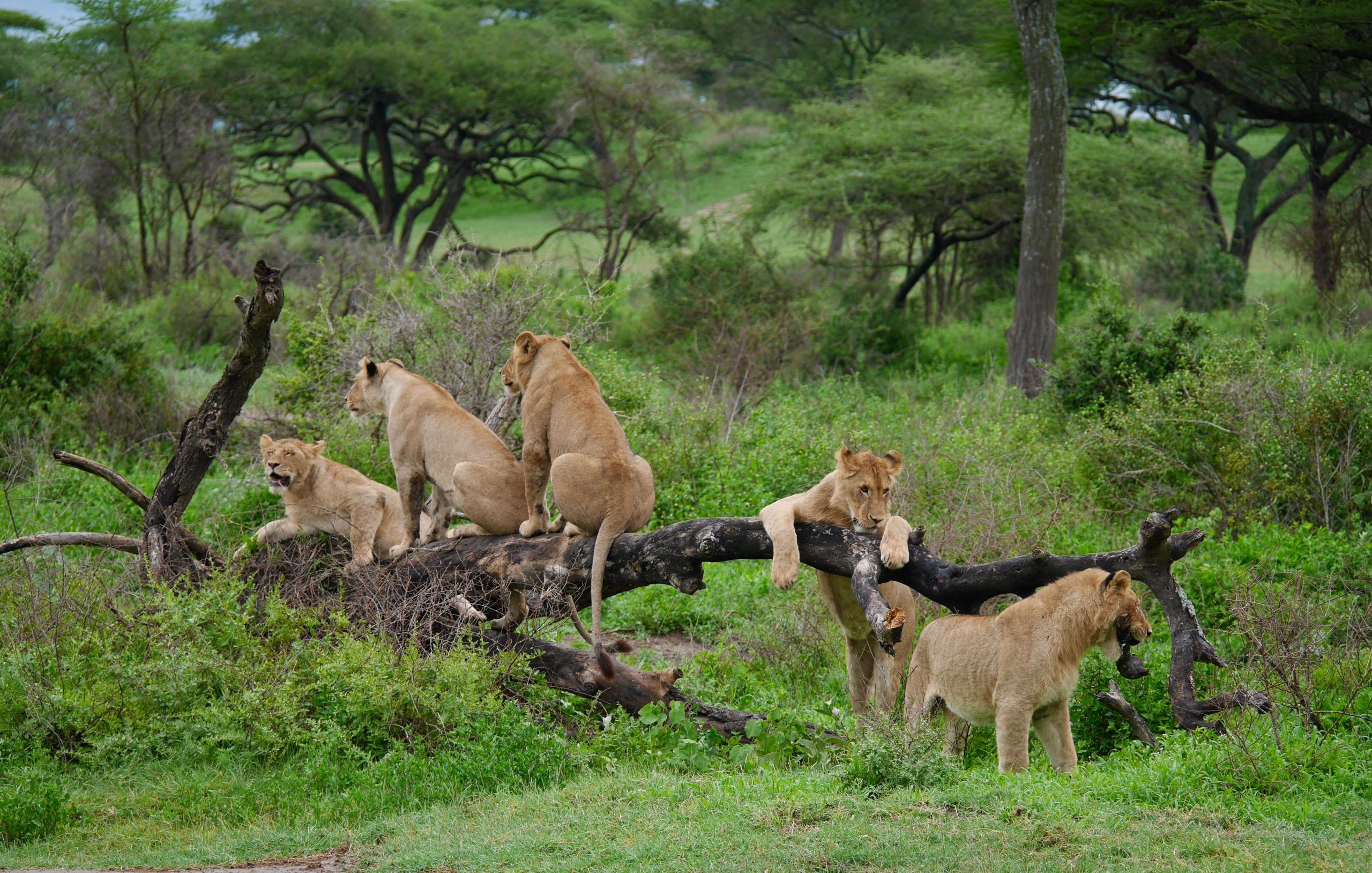
Tarangire is not only about elephants and herbivores. The park also supports several important predators.
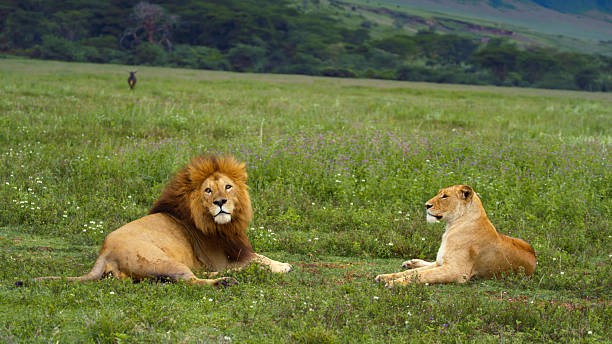
Lions
Lions can be encountered in areas where prey is concentrated, particularly around productive grasslands and water sources.
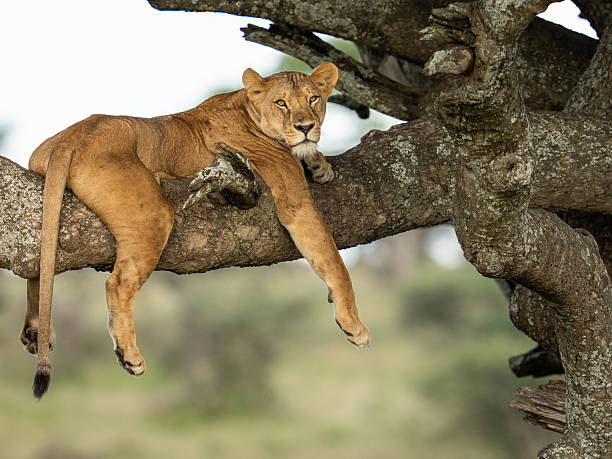
Leopards
Leopards are more elusive and may be encountered in woodland and areas with suitable cover.
Cheetahs
Cheetahs may be seen in more open habitats where their hunting style is suited to the landscape.
Hyenas
Hyenas are also an important part of the ecosystem and may be encountered during game drives.
Predator sightings depend on season, location, weather, and natural animal behavior.
08 — TARANGIRE’S UNIQUE WILDLIFE
One of the attractions of Tarangire is the opportunity to encounter species that are not always the first animals associated with Tanzania’s most famous safari parks.
Depending on the area and season, travelers may have opportunities to see animals such as:
- Gerenuks
- Oryx
- Greater kudu
- Elands
- Fringe-eared oryx
- Various gazelle species
These species add variety to the safari experience and make Tarangire especially interesting for travelers who want to explore beyond the classic Big Five.
09 — TARANGIRE’S DIVERSE HABITATS
Tarangire contains a variety of habitats rather than one uniform landscape.
These include:
- Open grasslands
- Acacia woodland
- Baobab-dominated areas
- Seasonal wetlands
- Riverine vegetation
- Swamps
- Bushland
- Rocky areas
Each habitat attracts different wildlife and contributes to the park’s ecological richness.
The contrast between open plains, dense vegetation, seasonal wetlands, and giant baobabs also gives game drives considerable visual variety.
10 — THE TARANGIRE SWAMPS
The park contains several wetland and swamp areas that remain important to wildlife, particularly during periods when water is limited elsewhere.
These areas support vegetation and provide water for numerous species.
The swamps can be particularly interesting for birdwatchers and photographers because they create a different environment from the dry savannah surrounding them.
Seasonal changes influence water levels and wildlife distribution, so the appearance and productivity of these habitats can vary throughout the year.
11 — BIRDWATCHING IN TARANGIRE
Tarangire is an excellent destination for birdwatchers, with a diverse range of habitats supporting numerous bird species.
Depending on the season, visitors may encounter:
- Kori bustards
- Ostriches
- Eagles
- Vultures
- Hornbills
- Storks
- Herons
- Egrets
- Kingfishers
- Rollers
- Weavers
- Bee-eaters
- Various woodland and savannah species
The combination of riverine areas, wetlands, woodland, and open grassland creates opportunities to observe different bird communities during the same safari.
12 — TARANGIRE DURING THE DRY SEASON
The dry season is one of the most popular periods for visiting Tarangire.
As temporary water sources become scarce, wildlife may concentrate around the Tarangire River and other reliable water sources.
This can make game viewing particularly rewarding, with opportunities to observe large groups of elephants and other animals gathering in productive areas.
The vegetation may also become more open, making wildlife easier to spot in some locations.
However, Tarangire remains a valuable destination outside the dry season, with greener landscapes and different wildlife experiences during wetter periods.
13 — TARANGIRE DURING THE GREEN SEASON
During wetter periods, rainfall transforms parts of Tarangire’s landscape.
Grasslands become greener, vegetation becomes more productive, and seasonal water sources return.
The scenery can become particularly attractive for photography, with fresh vegetation contrasting against the park’s characteristic baobabs and woodland.
Some animals may also disperse across a wider area when water and food become more readily available.
For travelers who prefer greener landscapes, fewer crowds, and a different perspective of the park, the green season can offer a rewarding safari experience.
14 — THINGS TO DO IN TARANGIRE NATIONAL PARK
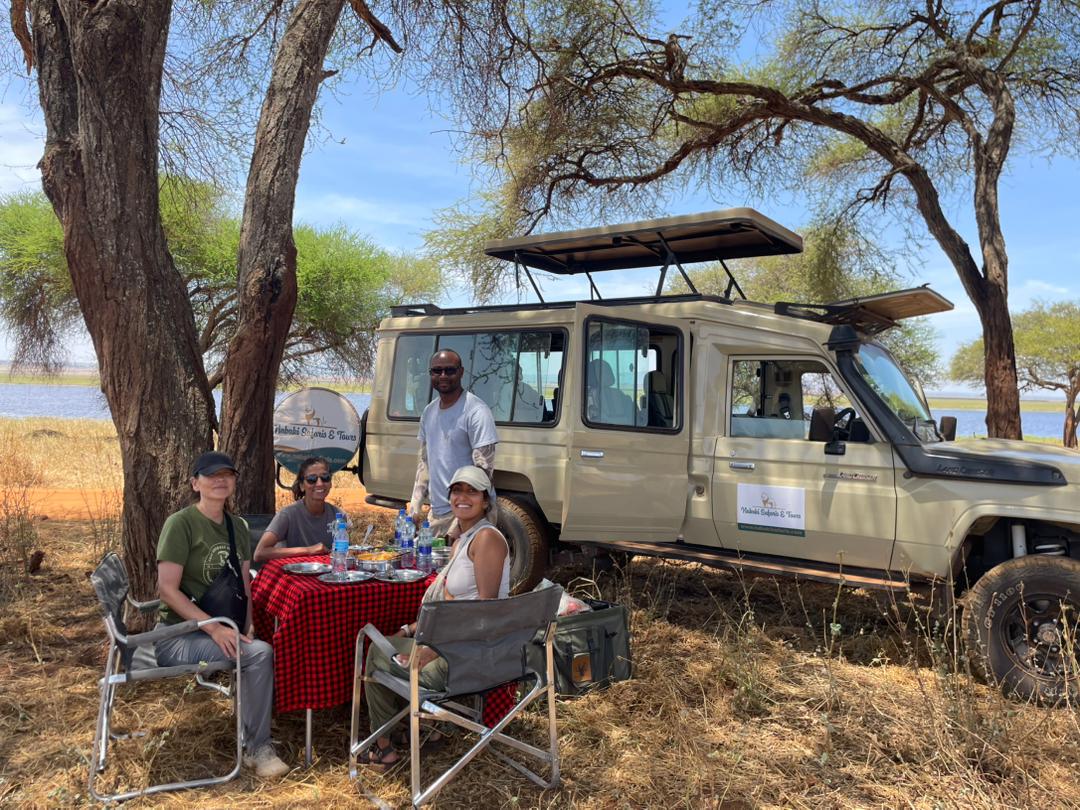
Game Drives
Game drives are the main activity in Tarangire and provide opportunities to explore its diverse habitats while searching for wildlife.
Elephant Watching
Observing elephant families moving through the landscape is one of the signature Tarangire experiences.
Birdwatching
The park’s varied habitats make it particularly appealing to bird enthusiasts.
Wildlife Photography
Baobabs, elephants, predators, open plains, and dramatic skies create excellent photographic subjects.
Cultural Experiences
Depending on the itinerary, travelers can combine a Tarangire safari with cultural experiences in surrounding communities.
Walking Experiences
Where permitted and properly guided, walking experiences around the broader Tarangire area can provide a different perspective on the ecosystem and its smaller details.
15 — TARANGIRE FOR PHOTOGRAPHY
Tarangire offers a distinctive photographic environment.
Instead of focusing only on wide open plains, photographers can capture wildlife against enormous baobabs, woodland, river landscapes, and dramatic skies.
The combination of:
Elephants + Baobabs + Savannah + Golden Light
creates some of the destination’s most memorable visual scenes.
Early morning and late afternoon can provide beautiful natural light, while the changing seasons offer very different photographic moods.
16 — BEST TIME TO VISIT TARANGIRE NATIONAL PARK
Tarangire can be visited throughout the year, but the experience changes with the seasons.
Dry Season
The dry season is generally excellent for wildlife viewing, especially because animals may gather around reliable water sources.
Green Season
The wetter season offers greener scenery, fresh vegetation, seasonal wetlands, and attractive conditions for landscape photography.
Birdwatching Season
Bird diversity can be particularly rewarding when migratory species are present alongside resident birds.
The best time ultimately depends on whether your priority is concentrated wildlife viewing, green landscapes, birdwatching, photography, or combining Tarangire with other Northern Circuit destinations.
17 — HOW TO GET TO TARANGIRE
Tarangire is relatively accessible from Arusha and is commonly reached by safari vehicle.
By Road
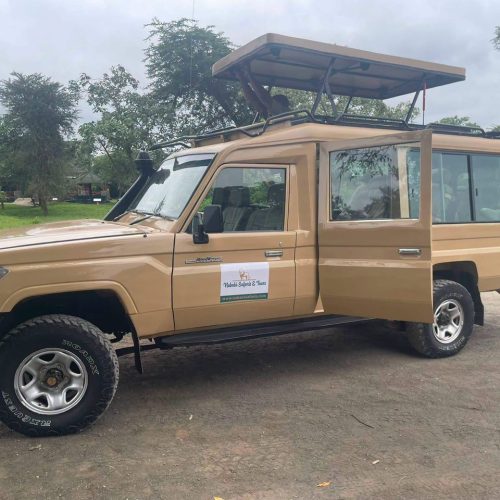
Most visitors travel by 4×4 safari vehicle from Arusha or from another Northern Circuit destination.
The relatively convenient road access makes Tarangire particularly suitable for short safaris and day trips.
By Air
Travelers using domestic flights may also connect through regional air networks, depending on their safari itinerary and available flight schedules.
For most Northern Circuit itineraries, however, road travel provides an opportunity to experience the changing landscapes between destinations.
18 — TARANGIRE AS PART OF THE NORTHERN TANZANIA SAFARI CIRCUIT
Tarangire is often the first major wildlife destination visited on a Northern Tanzania safari.
A classic itinerary may follow:
Arusha
↓
Tarangire National Park
↓
Lake Manyara National Park
↓
Ngorongoro Conservation Area
↓
Serengeti National Park
This route allows travelers to experience very different ecosystems within one journey.
Tarangire introduces the safari with elephants, baobabs, woodland, and seasonal wildlife concentrations before continuing toward the Rift Valley, Ngorongoro Highlands, and Serengeti plains.
19 — TARANGIRE DAY TRIPS
Tarangire is one of the Northern Circuit destinations that can work particularly well as a day safari from Arusha.
A typical day trip can include:
Early departure from Arusha → Tarangire National Park → Game Drive → Lunch → Afternoon Wildlife Exploration → Return to Arusha
This makes Tarangire a practical option for travelers with limited time who still want to experience an authentic Tanzania wildlife safari.
For longer journeys, spending additional time in or around the Tarangire ecosystem allows for a slower and more immersive experience.
20 — WHO SHOULD VISIT TARANGIRE?
Tarangire is suitable for a wide range of travelers, including:
- First-time safari travelers
- Families
- Couples
- Honeymoon travelers
- Wildlife enthusiasts
- Elephant lovers
- Photographers
- Birdwatchers
- Private safari travelers
- Luxury safari guests
- Travelers with limited time
- Visitors looking for a quieter alternative to busier safari destinations
Its combination of accessibility, wildlife, scenery, and distinctive landscapes makes it an excellent introduction to Tanzania’s northern safari circuit.
21 — TARANGIRE NATIONAL PARK AT A GLANCE
| Feature | Details |
|---|---|
| Location | Northern Tanzania |
| Destination Type | National Park |
| Famous For | Elephants, baobabs & seasonal wildlife concentrations |
| Main Water Source | Tarangire River |
| Landscape | Savannah, woodland, wetlands & baobab landscapes |
| Main Activity | Game drives |
| Major Wildlife | Elephants, lions, giraffes, buffaloes, zebras & more |
| Unique Species | Gerenuk, oryx, greater kudu & other antelope |
| Birdlife | Rich resident & migratory birdlife |
| Photography | Excellent |
| Access | Mainly by road from Arusha |
| Day Trip | Possible |
| Best For | Wildlife, elephants, photography & Northern Circuit safaris |
22 — WHY VISIT TARANGIRE NATIONAL PARK?
Tarangire offers a side of Tanzania that feels distinctly different from the open plains of Serengeti and the enclosed volcanic landscape of Ngorongoro.
Here, enormous elephants move beneath ancient baobabs, wildlife gathers around seasonal water sources, birds fill the woodland and wetlands, and the landscape changes dramatically with the seasons.
The park’s relatively convenient location also makes it an excellent choice for travelers who want to experience Tanzania’s wildlife without committing to a very long safari.
Whether visited as a day trip or included as part of a longer Northern Tanzania safari, Tarangire adds depth, variety, and a distinctive sense of place to the journey.
23 — DISCOVER TARANGIRE WITH NABAKI SAFARIS
A great Tarangire safari is about more than simply entering the park. It is about choosing the right season, understanding wildlife movement, allowing enough time for exploration, and creating an itinerary that connects Tarangire naturally with the rest of Tanzania’s Northern Safari Circuit.
With Nabaki Safaris, the best tour operator in Tanzania, travelers can explore Tarangire as a day safari, a private wildlife experience, or as part of a longer Northern Tanzania adventure.
From elephant-filled landscapes and ancient baobabs to the wider journey toward Lake Manyara, Ngorongoro, and Serengeti, Tarangire offers a memorable beginning to the Tanzanian safari experience.
Discover the giants. Explore the baobabs. Experience the wild heart of Tarangire.
Plan Your Tarangire Safari with Nabaki Safaris.
Featured



This 12-day Tanzania honeymoon safari and Zanzibar holiday is a romantic journey designed for couples who want to celebrate their new beginning through unforgettable experiences...
Ngorongoro Conservation area, serengeti National park, Tarangire National park, zanzibar Island
Medium
1-6 People
Duration
12 Days - 11 Nights
$2500
/ person
Next Departures
October 8, 2026 (Available)October 9, 2026 (Available)October 10, 2026 (Available)
Featured
This 9-day Tanzania safari is designed for travelers who want to explore Tanzania's iconic Northern Safari Circuit while maximizing their opportunity to experience the spectacular...
Duration
9 Days - 8 Nights
$2365
/ person
Next Departures
October 8, 2026 (Available)October 9, 2026 (Available)October 10, 2026 (Available)
Featured
This 15-day Tanzania safari and Zanzibar holiday is an immersive journey through some of Tanzania’s most iconic wildlife destinations, spectacular landscapes, rich cultural heritage, and...
Duration
15 Days - 14 Nights
$2988
/ person
Next Departures
October 8, 2026 (Available)October 9, 2026 (Available)October 10, 2026 (Available)
Featured
This 11-day Tanzania safari and Zanzibar holiday is designed for travelers who want to experience the very best of Tanzania in one unforgettable journey. The...
Ngorongoro Conservation area, serengeti National park, Tarangire National park, zanzibar Island
Medium
1-6 People
Duration
11 Days - 10 Nights
$2173
/ person
Next Departures
October 8, 2026 (Available)October 9, 2026 (Available)October 10, 2026 (Available)