Discover the ultimate Kilimanjaro climb guide for Europeans with Nabaki Safaris & Tours. Learn about climbing routes, visas, packing lists, altitude preparation, safety, and unforgettable Mount Kilimanjaro adventures
Quick Summary
This Kilimanjaro climb guide for Europeans helps travelers prepare for one of Africa’s most iconic trekking adventures. Mount Kilimanjaro is the tallest mountain in Africa and attracts thousands of European climbers every year. Travelers planning a Mount Kilimanjaro expedition need information about routes, fitness preparation, travel visas, altitude sickness, equipment, weather conditions, and trekking safety. This Kilimanjaro climb guide for Europeans explains everything needed for successful climbing experiences with professional support from Nabaki Safaris & Tours.
Introduction
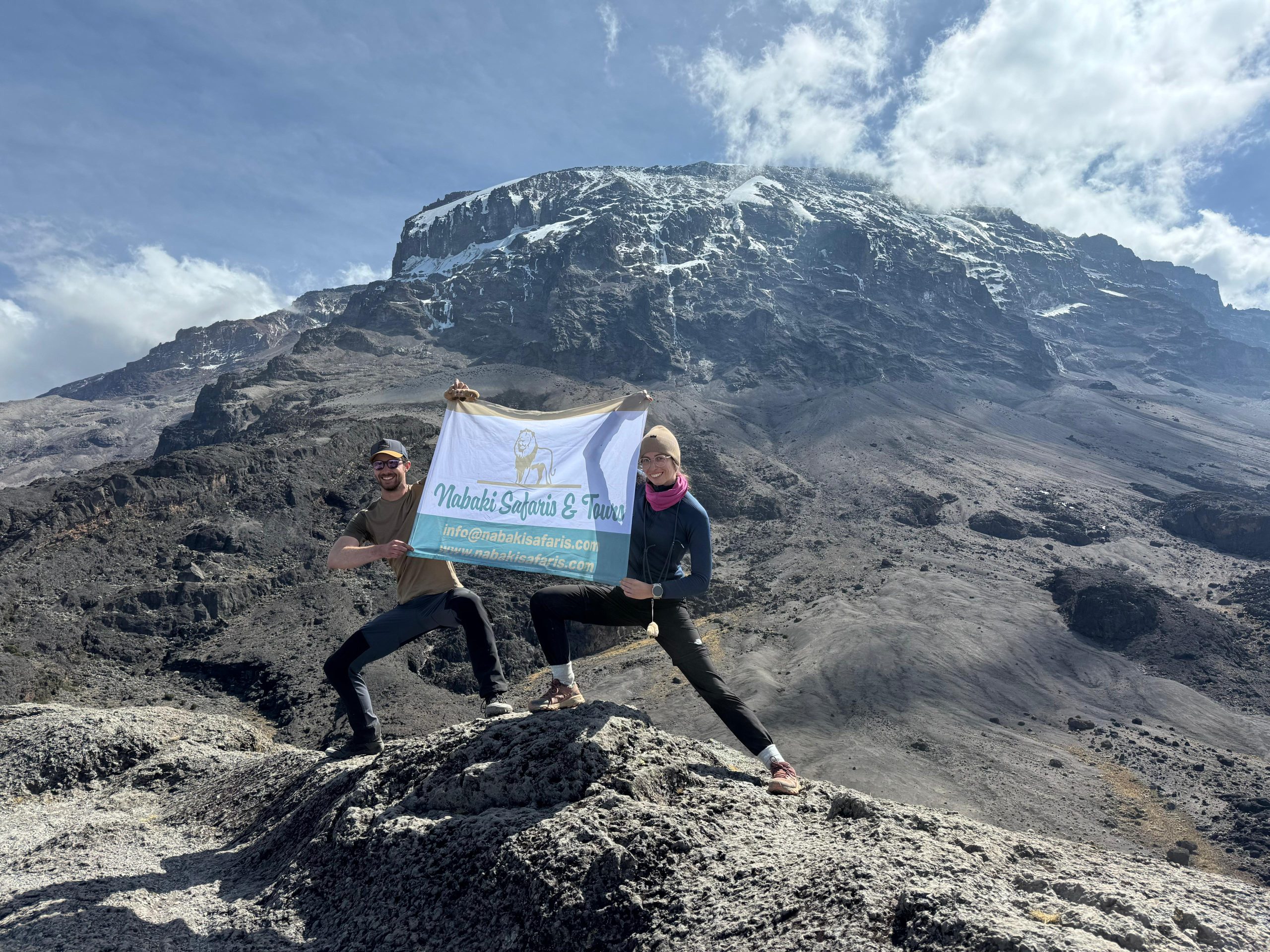
This Kilimanjaro climb guide for Europeans is designed to help travelers from Europe prepare for one of the most extraordinary adventure experiences in Africa. Mount Kilimanjaro stands at 5,895 meters above sea level and remains the highest free standing mountain in the world. Every year thousands of European travelers visit Tanzania to challenge themselves by reaching Uhuru Peak.
The Kilimanjaro climb guide for Europeans explains why Mount Kilimanjaro continues attracting adventure travelers from countries across Europe including Germany, France, Italy, Spain, the Netherlands, Norway, Sweden, Switzerland, and the United Kingdom. The mountain combines personal achievement, breathtaking landscapes, wildlife scenery, and cultural interaction into one unforgettable experience.
According to trekking specialists at Nabaki Safaris & Tours, many European travelers choose Mount Kilimanjaro because the mountain does not require advanced technical climbing skills. Ordinary travelers with good preparation, determination, and professional guiding support can successfully reach the summit.
One major reason travelers search for a Kilimanjaro climb guide for Europeans is understanding travel documentation requirements. Most European travelers require Tanzanian tourist visas before entering the country. Travelers should also ensure passports remain valid and travel insurance covers mountain trekking activities.
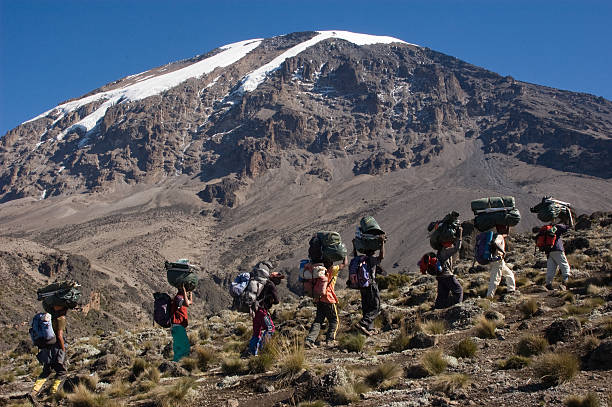
Another important reason for using a Kilimanjaro climb guide for Europeans is route selection. Mount Kilimanjaro offers several famous routes including Machame Route, Lemosho Route, Marangu Route, Rongai Route, and Northern Circuit Route. Each route offers different scenery, trekking duration, altitude adaptation, and success rates.
Altitude sickness is another critical topic discussed in the Kilimanjaro climb guide for Europeans. Because the mountain reaches extreme elevation, climbers may experience headaches, dizziness, breathing difficulties, or fatigue. Proper acclimatization schedules significantly improve summit success and reduce health risks.
Fitness preparation is also extremely important within the Kilimanjaro climb guide for Europeans. Travelers should improve cardiovascular endurance, hiking ability, and physical stamina before arriving in Tanzania. Hiking, cycling, running, stair climbing, and gym exercises help prepare climbers for mountain conditions.
The Kilimanjaro climb guide for Europeans also explains essential packing equipment. Climbers require proper hiking boots, waterproof clothing, thermal layers, gloves, warm sleeping bags, trekking poles, backpacks, and hydration systems. Temperatures change dramatically between rainforest zones and icy summit conditions.
Travel seasons are another important part of the Kilimanjaro climb guide for Europeans. Dry seasons between January and March and between June and October usually provide the best climbing conditions. During these periods climbers often experience clearer skies, reduced rainfall, and improved summit visibility.
Accommodation experiences also play an important role in the Kilimanjaro climb guide for Europeans. Most climbers stay in hotels or lodges around Moshi before and after expeditions. These accommodations provide comfortable environments for equipment preparation, briefing sessions, and post climb relaxation.
Safety procedures are essential throughout the Kilimanjaro climb guide for Europeans. Professional mountain guides monitor climber health, hydration levels, oxygen saturation, and acclimatization progress during the trek. Choosing experienced trekking operators greatly improves safety and climbing success.
Cultural interaction also enhances the Kilimanjaro climb guide for Europeans because climbers spend several days with Tanzanian guides, cooks, and porters. Travelers learn about local traditions, mountain culture, and Tanzanian hospitality during the expedition.
The Kilimanjaro climb guide for Europeans demonstrates why Mount Kilimanjaro remains one of the world’s greatest trekking adventures. Scenic beauty, physical challenge, cultural experiences, and summit achievement create unforgettable memories for European travelers exploring Tanzania.
Best Routes in the Kilimanjaro Climb Guide for Europeans
1. Machame Route
This route offers scenic trekking experiences and strong acclimatization opportunities.
2. Lemosho Route
The Lemosho Route provides quieter trails and excellent summit success rates.
3. Marangu Route
This route includes mountain hut accommodations instead of camping.
4. Northern Circuit Route
The longest route offers outstanding acclimatization and panoramic mountain scenery.
Comparison Table
| Trekking Feature | Kilimanjaro Climb Guide for Europeans | Standard Mountain Hiking |
|---|---|---|
| Mountain Elevation | Very High | Moderate |
| Trekking Experience | International Adventure | Regional Hiking |
| Summit Achievement | Globally Famous | Local Experience |
| Cultural Interaction | Strong Tanzanian Connection | Limited |
| Scenic Diversity | Exceptional | Moderate |
| Altitude Challenge | Significant | Lower Risk |
Essential Preparation in the Kilimanjaro Climb Guide for Europeans
Physical Fitness Training
Cardio preparation and hiking practice improve mountain endurance.
Altitude Adaptation
Longer climbing routes improve acclimatization success.
Proper Equipment Packing
Warm clothing and waterproof gear are essential for mountain conditions.
Travel Documentation
European travelers should organize visas and travel insurance before departure.
What Travelers Should Expect
Changing Climate Zones
Climbers experience rainforest, alpine desert, and icy summit conditions.
Multi Day Expeditions
Most climbing routes require several days of trekking and camping.
Physical and Mental Challenge
Altitude and long trekking distances create demanding conditions.
Incredible Summit Views
Climbers enjoy glaciers, landscapes, and panoramic African scenery.
Customer Expert Tips
- Choose longer routes for safer acclimatization.
- Pack layered clothing for changing temperatures.
- Drink enough water throughout the climb.
- Walk slowly to conserve energy at altitude.
- Arrive in Tanzania before the climb for rest.
- Use experienced trekking operators for safety support.
Bullet Point Climbing Insights
- Mount Kilimanjaro is Africa’s tallest mountain
- European travelers frequently climb Kilimanjaro
- Dry seasons improve trekking conditions
- Longer routes increase summit success rates
- Altitude preparation is extremely important
- Professional guides improve climbing safety
- Scenic landscapes change throughout the climb
- Summit achievement creates unforgettable memories
Frequently Asked Questions
Do Europeans need visas for Tanzania?
Yes. Most European travelers require tourist visas before entering Tanzania.
Is Mount Kilimanjaro difficult for European climbers?
The climb is physically demanding because of altitude, but technical climbing skills are generally unnecessary.
What is the best route in the Kilimanjaro climb guide for Europeans?
Lemosho Route and Machame Route are popular because of scenery and acclimatization opportunities.
What is the best season to climb Mount Kilimanjaro?
Dry seasons between January and March and between June and October are usually best.
Why choose Nabaki Safaris & Tours?
The company provides professional mountain guides, accommodation support, trekking logistics, airport transfers, and personalized Mount Kilimanjaro climbing experiences for European travelers.
Learn more about Tanzania tourism through Tanzania Tourist Board and explore mountain trekking safety at International Climbing and Mountaineering Federation.