
Discover the biggest Mistakes to Avoid When Climbing Mount Kilimanjaro including poor acclimatization, wrong gear, dehydration, bad route selection, and unsafe trekking decisions.
Quick Summary
Understanding the biggest Mistakes to Avoid When Climbing Mount Kilimanjaro is essential for travelers planning a successful trekking adventure in Tanzania. Every year, thousands of climbers attempt to reach the summit of Mount Kilimanjaro, but many struggle because of poor preparation, incorrect equipment, dehydration, or altitude sickness. Learning from common climbing mistakes helps travelers improve safety, comfort, and summit success rates.
The most important Mistakes to Avoid When Climbing Mount Kilimanjaro include climbing too fast, ignoring altitude symptoms, packing the wrong gear, underestimating weather conditions, and choosing inexperienced tour operators. Professional companies such as Nabak Safaris and Tours help climbers prepare properly through expert guidance, safe trekking practices, and organized mountain expeditions.
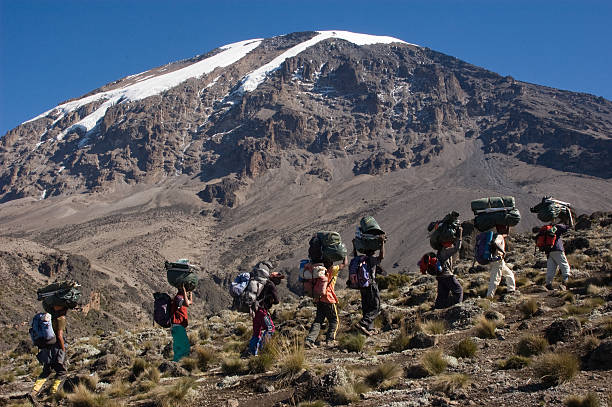
Introduction
Travelers searching online for the biggest Mistakes to Avoid When Climbing Mount Kilimanjaro usually want to increase their chances of reaching the summit safely and comfortably. Climbing Kilimanjaro is one of Africa’s most unforgettable adventures, but the mountain should never be underestimated. Although it is considered a trekking peak rather than a technical climbing mountain, Kilimanjaro still presents serious physical and environmental challenges.
Mount Kilimanjaro rises to 5,895 meters above sea level, making it the highest mountain in Africa. One reason climbers research the top Mistakes to Avoid When Climbing Mount Kilimanjaro is because altitude significantly affects the human body. Oxygen levels become lower at higher elevations, increasing the risk of altitude sickness, fatigue, dehydration, and exhaustion.
Many climbers fail to reach the summit because they ignore important Mistakes to Avoid When Climbing Mount Kilimanjaro. Some people climb too quickly without proper acclimatization, while others bring unsuitable clothing or underestimate weather conditions. Poor preparation can turn an incredible adventure into a dangerous and uncomfortable experience.
The good news is that most climbing problems are preventable. Travelers who understand the biggest Mistakes to Avoid When Climbing Mount Kilimanjaro can prepare more effectively, improve safety, and enjoy the journey with confidence. Professional trekking companies such as Nabak Safaris and Tours provide experienced mountain guides, proper acclimatization schedules, and personalized support that greatly improve summit success rates.
Most Common Kilimanjaro Climbing Mistakes
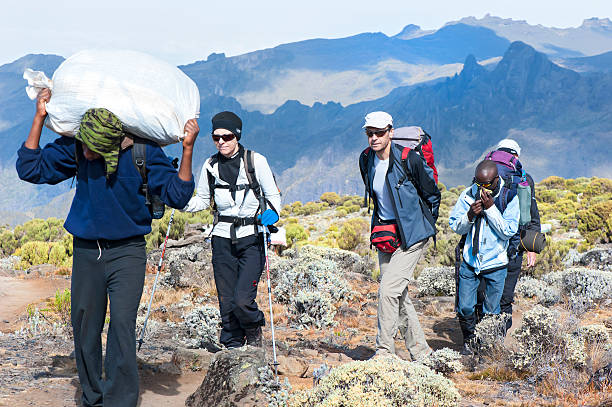
The following table highlights the biggest Mistakes to Avoid When Climbing Mount Kilimanjaro and explains how travelers can prevent them.
| Common Mistake | Main Problem | Prevention Strategy |
|---|---|---|
| Climbing Too Fast | Altitude sickness | Walk slowly |
| Poor Hydration | Exhaustion and headaches | Drink enough water |
| Wrong Gear | Cold and discomfort | Pack layered clothing |
| Lack of Training | Physical exhaustion | Prepare before climbing |
| Choosing Cheap Operators | Poor safety standards | Use professional guides |
| Ignoring Symptoms | Serious health risks | Inform guides immediately |
Understanding these problems is the first step toward a safer Kilimanjaro expedition.
Climbing Too Fast
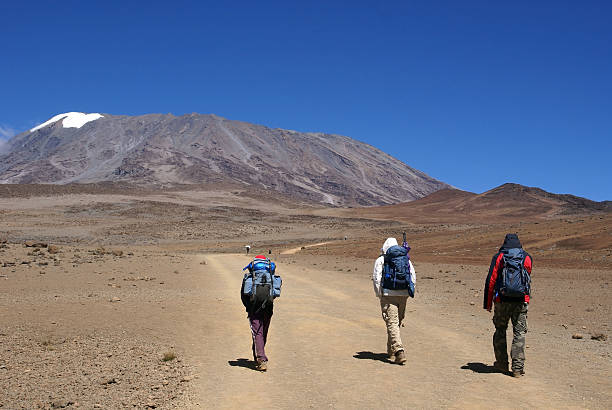
One of the biggest Mistakes to Avoid When Climbing Mount Kilimanjaro is ascending too quickly. Many climbers become excited during the trek and walk faster than recommended.
Why Slow Climbing Matters
- Better acclimatization
- Reduced altitude sickness risk
- Improved energy conservation
- Higher summit success rates
Mountain guides often use the phrase “pole pole,” meaning “slowly slowly” in Swahili. This strategy helps the body adjust gradually to changing oxygen levels.
Travelers who rush the climb frequently experience headaches, dizziness, nausea, and severe fatigue.
Ignoring Altitude Sickness Symptoms
Another critical issue among the top Mistakes to Avoid When Climbing Mount Kilimanjaro is ignoring early signs of altitude sickness.
Common Altitude Symptoms
- Headaches
- Dizziness
- Vomiting
- Difficulty sleeping
- Shortness of breath
- Fatigue
Some climbers hide symptoms because they fear not reaching the summit. However, ignoring health problems can become dangerous.
Important Prevention Tips
- Inform guides immediately
- Drink enough water
- Rest properly
- Descend if symptoms worsen
Professional guides monitor climbers carefully and make safety decisions based on health conditions.
Packing the Wrong Equipment
Poor packing decisions are among the most common Mistakes to Avoid When Climbing Mount Kilimanjaro.
Essential Clothing
- Waterproof jacket
- Thermal base layers
- Warm gloves
- Hiking boots
- Warm sleeping bag
- Insulated pants
Important Gear
- Trekking poles
- Headlamp
- Sunglasses
- Water bottles
- Sunscreen
- Backpack rain cover
Temperatures on Kilimanjaro change dramatically between climate zones, so layered clothing is essential.
Poor Physical Preparation
Many travelers underestimate the physical demands of the mountain. Lack of preparation is another major example of the Mistakes to Avoid When Climbing Mount Kilimanjaro.
Recommended Training Activities
- Hiking practice
- Cardio exercises
- Stair climbing
- Long-distance walking
- Strength training
Although Kilimanjaro does not require technical climbing skills, physical endurance greatly improves comfort and confidence during the trek.
Choosing Inexperienced Tour Operators
Selecting poor-quality operators is one of the riskiest Mistakes to Avoid When Climbing Mount Kilimanjaro.
Problems With Cheap Operators
- Inexperienced guides
- Poor equipment quality
- Unsafe camping conditions
- Inadequate food and water
- Lack of emergency planning
Professional trekking companies prioritize climber safety and provide experienced support teams.
Benefits of Professional Guides
- Health monitoring
- Emergency preparedness
- Proper acclimatization schedules
- Route planning expertise
- Motivation and support
Nabak Safaris and Tours specializes in safe and professionally organized Kilimanjaro expeditions.
Dehydration During the Climb
Dehydration is another important issue among the Mistakes to Avoid When Climbing Mount Kilimanjaro.
Signs of Dehydration
- Dry mouth
- Headaches
- Fatigue
- Muscle cramps
- Dizziness
The high altitude and physical exertion increase water loss. Climbers should drink at least three to four liters of water daily.
Underestimating Weather Conditions
Some travelers assume Africa is always warm, but underestimating cold temperatures is one of the biggest Mistakes to Avoid When Climbing Mount Kilimanjaro.
Weather Challenges
- Freezing summit temperatures
- Heavy rainfall in rainforest zones
- Strong winds at higher elevations
- Intense UV exposure
Proper clothing and weather preparation are essential for comfort and safety.
Mental Mistakes During the Trek
Mental preparation is equally important when discussing the Mistakes to Avoid When Climbing Mount Kilimanjaro.
Common Mental Challenges
- Losing motivation
- Comparing pace with others
- Fear of summit night
- Negative thinking
Successful climbers focus on steady progress rather than speed.
Customer Experience
“Before our trip, we researched the biggest Mistakes to Avoid When Climbing Mount Kilimanjaro and realized preparation was everything. Nabak Safaris and Tours guided us professionally, helped us acclimatize properly, and made the climb safe and unforgettable.” – Rebecca L., Canada
FAQs
What is the biggest mistake climbers make on Kilimanjaro?
Climbing too fast and failing to acclimatize properly are the most common mistakes.
How can I avoid altitude sickness?
Walk slowly, stay hydrated, and choose longer routes with better acclimatization schedules.
Is Kilimanjaro dangerous for beginners?
Beginners can safely climb Kilimanjaro with preparation and experienced guides.
What gear is most important?
Warm layered clothing, waterproof gear, hiking boots, and a quality sleeping bag are essential.
How much water should I drink during the climb?
Most guides recommend drinking at least three to four liters daily.
Why should I choose a professional operator?
Experienced companies provide safety monitoring, emergency support, and proper trekking organization.
Conclusion
Understanding the biggest Mistakes to Avoid When Climbing Mount Kilimanjaro greatly improves the chances of a successful and enjoyable expedition. Most climbing problems result from poor preparation, rushing the ascent, dehydration, or underestimating the mountain’s environmental challenges.
Travelers who prepare properly, use quality equipment, and follow experienced guides can safely enjoy one of Africa’s most unforgettable adventures. With expert support from Nabak Safaris and Tours, climbers can avoid common mistakes and experience the incredible achievement of standing on Africa’s highest mountain.