
Explore the Tarangire Eco-Tourism Guide covering sustainable safaris, wildlife conservation, green travel, eco-lodges, and responsible tours with Nabak Safaris and Tours.
Quick Summary
The Tarangire Eco-Tourism Guide introduces travelers to one of Tanzania’s most sustainable and environmentally responsible safari destinations. Tarangire National Park is not only famous for elephants, baobab trees, and rich wildlife, but also for its growing commitment to conservation-based tourism.
Eco-tourism in Tarangire focuses on protecting wildlife habitats, reducing environmental impact, supporting local communities, and promoting responsible travel behavior. Visitors who choose eco-friendly safaris experience nature in its purest form while contributing directly to conservation efforts.
Travelers booking with Nabak Safaris and Tours are introduced to carefully designed eco-friendly safari experiences that balance adventure with sustainability.
What is Eco-Tourism in Tarangire?
The concept of Tarangire Eco-Tourism Guide is built around responsible travel that minimizes environmental harm while maximizing conservation benefits.
Eco-tourism in Tarangire includes:
- Low-impact safari driving
- Wildlife conservation awareness
- Support for local communities
- Protection of natural habitats
- Sustainable lodge operations
According to Tanzania National Parks Authority, Tarangire National Park is one of the key conservation areas in Tanzania, supporting thousands of elephants and diverse wildlife ecosystems.
This makes eco-tourism essential for long-term sustainability.
Why Tarangire is Ideal for Eco-Tourism
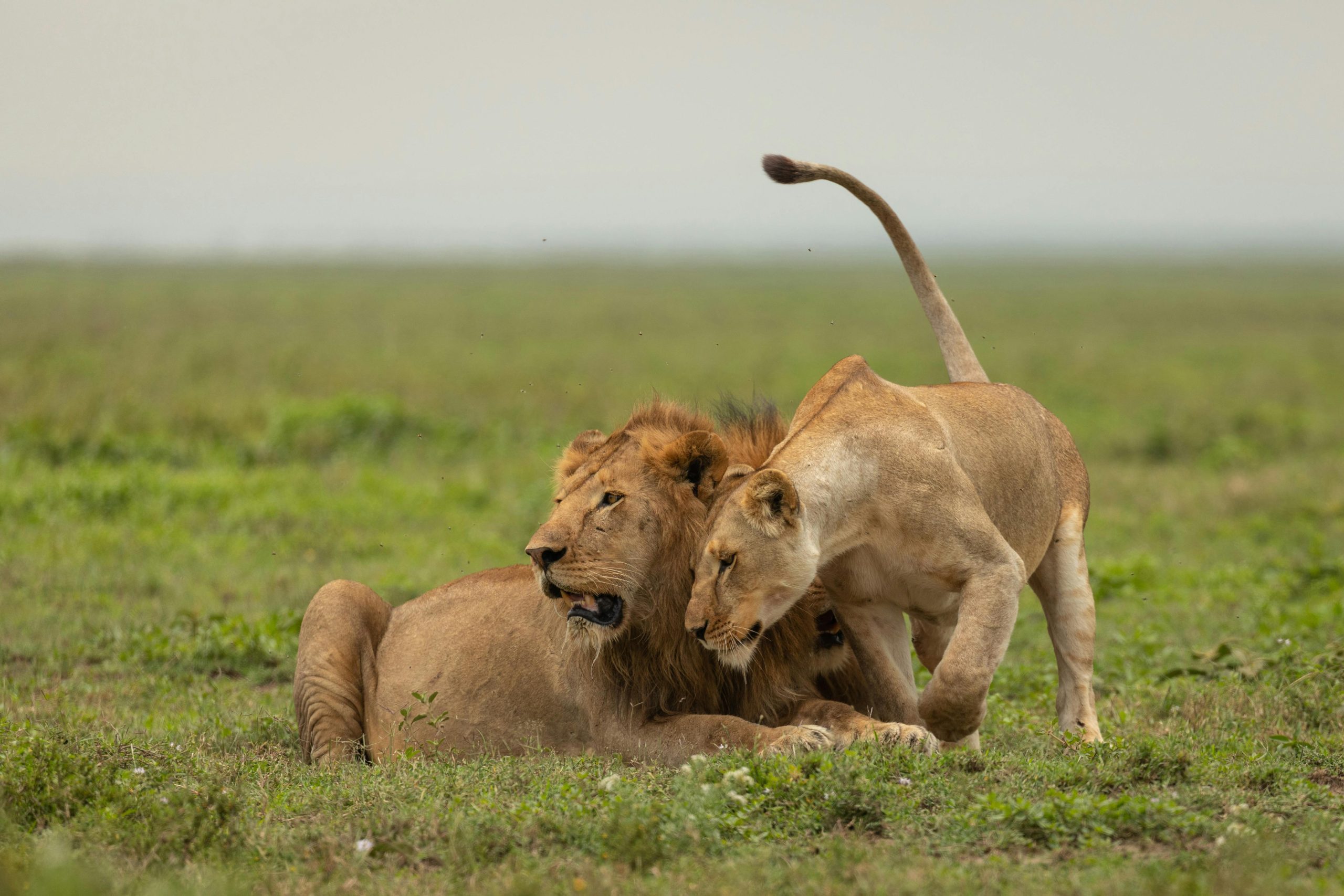
The Tarangire Eco-Tourism Guide highlights why this park is one of the best eco-tourism destinations in East Africa.
Key Reasons:
- Large protected wildlife ecosystem
- Seasonal migration corridors
- Strong conservation policies
- Community-based tourism programs
- Low-density tourism areas
Unlike heavily commercialized parks, Tarangire still maintains natural balance between tourism and conservation.
Eco-Tourism Value Comparison
| Factor | Tarangire Performance |
|---|---|
| Wildlife protection | High |
| Visitor impact control | Strong |
| Sustainability level | Very strong |
Wildlife Conservation in Tarangire Eco-Tourism Guide
A major pillar of the Tarangire Eco-Tourism Guide is wildlife conservation.
Tarangire is home to:
- Large elephant populations
- Lions and predators
- Rare bird species
- Seasonal migratory herds
Eco-tourism ensures these species are protected through:
- Controlled safari routes
- Limited off-road driving
- Wildlife monitoring programs
- Anti-poaching support
Safari operators like Nabak Safaris and Tours follow strict conservation guidelines to ensure wildlife safety during game drives.
Eco-Friendly Safari Practices
Responsible travel is central to the Tarangire Eco-Tourism Guide.
Eco-Friendly Practices Include:
- Using fuel-efficient safari vehicles
- Avoiding wildlife disturbance
- Reducing plastic waste
- Respecting park regulations
- Staying on designated roads
These practices help preserve Tarangire’s fragile ecosystem.
Impact of Eco Practices
| Practice | Environmental Benefit |
|---|---|
| Reduced driving impact | Habitat protection |
| Waste control | Cleaner ecosystem |
| Controlled tourism | Wildlife safety |
Eco-Lodges in Tarangire Eco-Tourism Guide
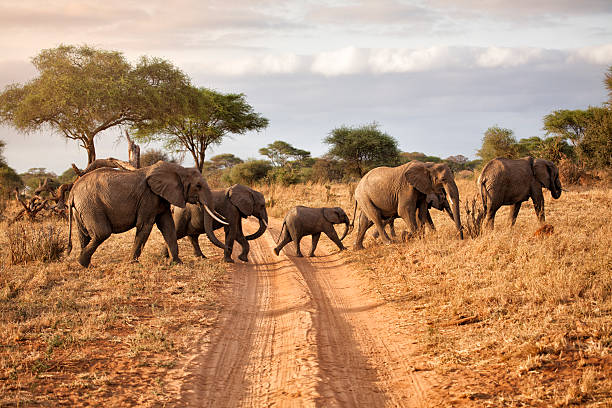
Eco-lodges are an important part of sustainable travel in the Tarangire Eco-Tourism Guide.
These lodges are designed to:
- Use renewable energy
- Reduce water consumption
- Support local employment
- Minimize environmental footprint
Eco-lodges offer travelers comfort while maintaining environmental responsibility.
Eco-Lodge Features:
- Solar power systems
- Locally sourced materials
- Waste recycling systems
- Nature-integrated design
Community-Based Tourism
Another key aspect of the Tarangire Eco-Tourism Guide is community involvement.
Local communities around Tarangire benefit through:
- Employment in tourism sector
- Cultural tourism experiences
- Craft and souvenir sales
- Education programs
Community Impact Table
| Benefit | Result |
|---|---|
| Employment | Economic growth |
| Cultural exchange | Tourism enrichment |
| Education support | Long-term development |
Eco-tourism ensures that conservation also benefits people living near the park.
Eco-Tourism Safari Experience
The Tarangire Eco-Tourism Guide emphasizes a different safari experience compared to traditional tourism.
Instead of fast-paced game drives, eco-tourism focuses on:
- Slow and mindful wildlife viewing
- Environmental awareness
- Photography-focused safaris
- Educational guiding
Travelers experience deeper connection with nature.
Safari guides from Nabak Safaris and Tours explain ecological relationships during game drives, making safaris more meaningful.
Sustainable Wildlife Viewing Areas
Eco-tourism also identifies specific areas within Tarangire that support sustainability.
Key Eco Zones:
- Tarangire River ecosystem
- Baobab forest regions
- Seasonal wetlands
- Wildlife corridors
These zones are carefully managed to reduce human impact while maximizing wildlife visibility.
Eco Zone Comparison
| Area | Eco Value |
|---|---|
| River zones | High biodiversity |
| Forest zones | Habitat protection |
| Wetlands | Seasonal conservation |
Importance of Conservation Education
Education is a key pillar of the Tarangire Eco-Tourism Guide.
Visitors learn about:
- Wildlife behavior
- Ecosystem balance
- Conservation challenges
- Human-wildlife coexistence
This educational aspect transforms safaris into learning experiences.
Role of Safari Operators in Eco-Tourism
Safari companies play a critical role in implementing the Tarangire Eco-Tourism Guide principles.
Responsible operators:
- Follow park regulations
- Train eco-conscious guides
- Use sustainable vehicles
- Promote conservation awareness
integrates these practices into all safari packages.
Why Travelers Choose Eco-Tourism Safaris
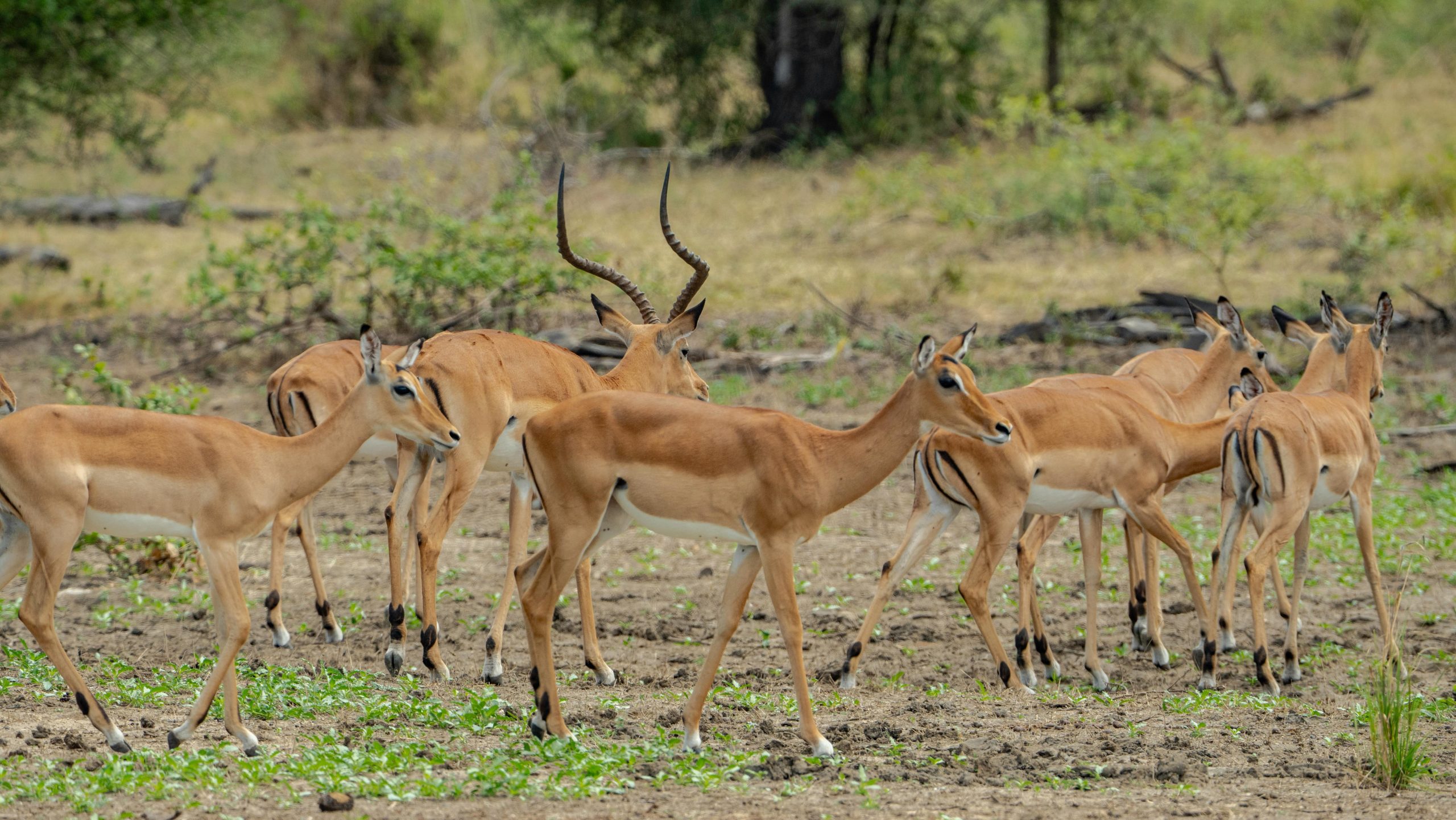
More travelers are choosing eco-friendly safaris because the Tarangire Eco-Tourism Guide offers:
- Authentic wildlife experiences
- Less crowded safari routes
- Environmental responsibility
- Cultural connection
- High-quality photography opportunities
Eco-tourism enhances both travel experience and environmental protection.
Customer Eco-Safari Experience
“Our Tarangire Eco-Tourism Guide safari with Nabak Safaris and Tours was unforgettable. We learned about conservation while enjoying incredible wildlife encounters.”
Section FAQ
What is Tarangire Eco-Tourism Guide?
It is a sustainable travel approach focused on conservation, wildlife protection, and responsible tourism in Tarangire National Park.
Why is Tarangire good for eco-tourism?
Because it has strong conservation systems and diverse wildlife ecosystems.
Are eco-safaris safe?
Yes, when guided by professional operators.
What is an eco-lodge?
A lodge designed to minimize environmental impact while supporting sustainability.
Does Nabak Safaris and Tours offer eco-safaris?
Yes, provides eco-friendly safari experiences in Tarangire.