best time to visit Tarangire

Tarangire Wildlife Guide: The Complete Safari Experience 2026

Explore the ultimate Tarangire wildlife guide with expert tips, best safari seasons, and top wildlife experiences with Nabak Safaris and Tours in Tanzania.

Introduction

Tarangire National Park is one of Tanzania’s most underrated yet spectacular safari destinations. Located in the northern safari circuit, it offers a unique blend of vast landscapes, rich biodiversity, and an authentic wilderness experience that is less crowded compared to its famous neighbors like Serengeti and Ngorongoro.

This Tarangire wildlife guide by Nabak Safaris and Tours is designed to give travelers, wildlife enthusiasts, and safari planners a complete understanding of what makes Tarangire special. Whether you are planning your first African safari or looking for a more exclusive and quiet wildlife experience, Tarangire provides a perfect balance of adventure and serenity.

The park is especially famous for its large elephant herds, ancient baobab trees, and seasonal wildlife migration that rivals other major parks in East Africa. During the dry season, the Tarangire River becomes the main water source, attracting thousands of animals and creating one of the most rewarding game-viewing experiences in Tanzania.


Quick Summary of Tarangire National Park

  • Location: Northern Tanzania, near Arusha
  • Size: Approximately 2,850 square kilometers
  • Best Time to Visit: June to October (dry season)
  • Famous For:
    • Large elephant populations
    • Iconic baobab trees
    • Diverse bird species
  • Safari Type:
    • Game drives
    • Photography safaris
    • Birdwatching tours
  • Ideal For:
    • First-time safari travelers
    • Couples and honeymooners
    • Wildlife photographers

Why Choose Tarangire for Your Safari?

Tarangire wildlife guide

.

Tarangire stands out because of its unique ecosystem and seasonal wildlife concentration. Unlike more crowded parks, it offers a more intimate safari experience where visitors can enjoy nature without large crowds of vehicles.

With Nabak Safaris and Tours, travelers benefit from local expertise, customized itineraries, and professional guides who understand the park deeply. This ensures not only a memorable experience but also a safe and well-organized journey.


Overview of Wildlife in Tarangire

Tarangire National Park is home to a wide range of wildlife species. The park becomes particularly vibrant during the dry season when animals gather around the Tarangire River.

Some of the most commonly seen animals include:

  • Elephants (in large herds)
  • Lions
  • Leopards
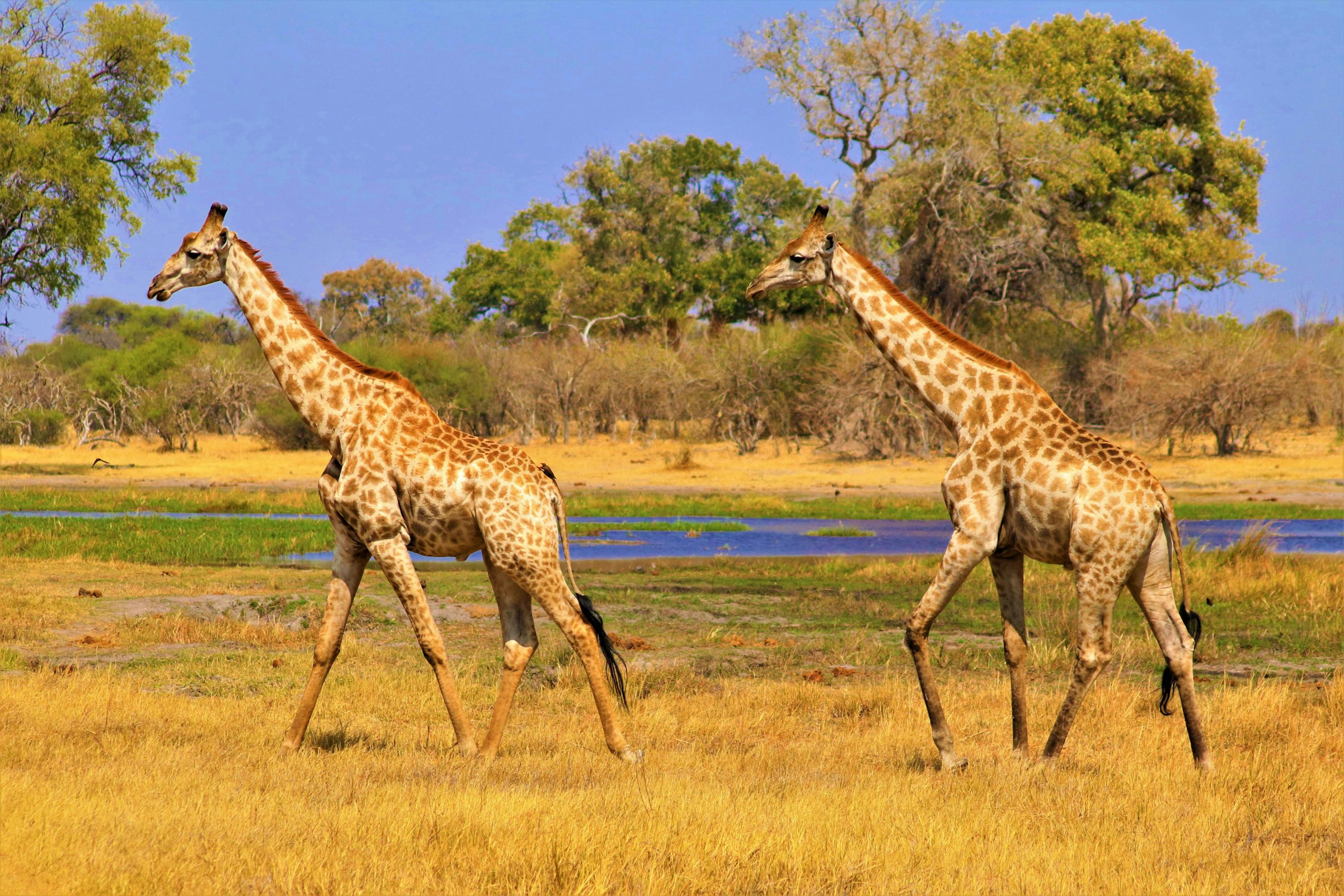
  • Giraffes
  • Zebras
  • Wildebeests
  • Buffalo

In addition to mammals, Tarangire is also a paradise for bird lovers, with over 500 bird species recorded.


Unique Features of Tarangire National Park

1. Massive Elephant Population

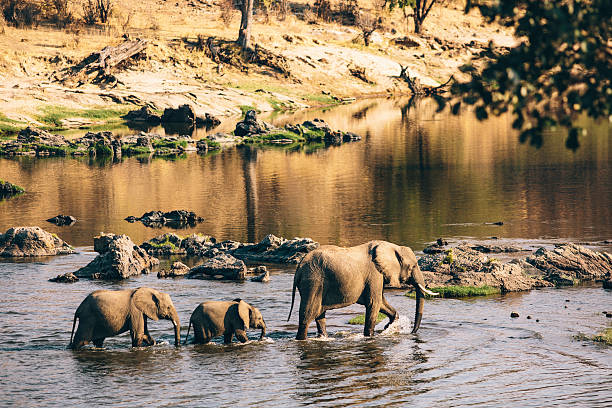
Tarangire is often referred to as the “elephant paradise” of Tanzania. Visitors can witness herds of up to 300 elephants, a rare sight in many other parks.

2. Iconic Baobab Trees

The landscape is dotted with ancient baobab trees, which are not only visually stunning but also serve as water sources for animals during dry periods.

3. Seasonal Migration

While not as famous as the Serengeti migration, Tarangire hosts a significant movement of animals during the dry season, making it a prime location for wildlife viewing.


Customer Experience Insight

Travelers who visit Tarangire often highlight the peaceful atmosphere and close wildlife encounters. Unlike busier parks, Tarangire allows for longer and uninterrupted viewing sessions.

Nabak Safaris and Tours enhances this experience by providing:

  • Experienced local guides
  • Customized safari vehicles
  • Flexible itineraries

Bullet Point Highlights

  • Less crowded compared to major parks
  • High wildlife density in dry season
  • Excellent for photography
  • Rich birdlife diversity
  • Authentic safari experience

Best Time to Visit Tarangire & Seasonal Wildlife Behavior

Tarangire wildlife guide

One of the most important aspects of planning a successful safari is choosing the right time to visit. In this Tarangire wildlife guide, understanding seasonal changes is essential because wildlife visibility, climate conditions, and overall safari experience vary significantly throughout the year.

Tarangire National Park experiences two main seasons: the dry season and the wet season. Each season offers a unique perspective of the park, and your travel goals will determine the best time for your visit.


Dry Season (June to October): Peak Wildlife Viewing

The dry season is widely considered the best time to visit Tarangire. During this period, water sources outside the park dry up, forcing animals to migrate toward the Tarangire River, which becomes the primary water source.

This natural concentration of wildlife makes the dry season a highlight in any Tarangire wildlife guide.

What to Expect During Dry Season

  • Large elephant herds تجمع near the river
  • Predators such as lions and leopards become easier to spot
  • Vegetation is thinner, improving visibility
  • Minimal rainfall and clear skies

The dry season transforms Tarangire into a wildlife hotspot, often compared to the Serengeti in terms of animal density, but with fewer tourists.


Advantages of Visiting During Dry Season

  • Excellent game viewing opportunities
  • Higher chances of spotting predators
  • Ideal for photography due to clear landscapes
  • Comfortable weather conditions

For travelers following this Tarangire wildlife guide, this season is highly recommended for first-time safari visitors who want guaranteed wildlife sightings.


Challenges of Dry Season

  • Higher number of tourists compared to other seasons
  • Prices for lodges and safaris may increase
  • Dusty conditions in some areas

Despite these minor challenges, the dry season remains the top recommendation in this Tarangire wildlife guide due to its unmatched wildlife experience.


Wet Season (November to May): Lush Landscapes and Birdwatching

The wet season is often overlooked, but it offers a completely different and equally beautiful safari experience. In this Tarangire wildlife guide, it is important to highlight that this season is ideal for travelers seeking fewer crowds and vibrant scenery.

The wet season is divided into two parts:

  • Short rains (November to December)
  • Long rains (March to May)

What to Expect During Wet Season

  • Green and lush landscapes
  • Fewer tourists and quieter parks
  • Migratory birds arrive, making it a paradise for birdwatchers
  • Some animals disperse outside the park

Although wildlife is less concentrated, the scenery becomes incredibly photogenic, which is why many photographers prefer this time.


Advantages of Wet Season

  • Lower safari costs
  • Beautiful green environment
  • Best time for birdwatching
  • Peaceful and less crowded experience

From an SEO perspective, including seasonal diversity like this strengthens the depth of this Tarangire wildlife guide and improves content authority.


Challenges of Wet Season

  • Wildlife is harder to spot due to thick vegetation
  • Some roads may become muddy or inaccessible
  • Rain can occasionally disrupt game drives

Even with these limitations, the wet season still holds value, especially for experienced travelers who want a different safari perspective.


Month-by-Month Breakdown

To make this Tarangire wildlife guide more practical, here is a detailed monthly overview:

June – October

  • Peak safari season
  • Best wildlife viewing
  • Dry landscapes

November – December

  • Start of short rains
  • Fewer tourists
  • Good for photography

January – February

  • Transitional period
  • Calving season for some species
  • Balanced wildlife viewing

March – May

  • Heavy rains
  • Lowest tourist numbers
  • Lush scenery

Weather Patterns in Tarangire

Understanding weather patterns is essential in this Tarangire wildlife guide because it directly affects your safari experience.

  • Average temperatures: 20°C to 30°C
  • Dry season: Warm days, cooler nights
  • Wet season: Humid with occasional heavy rains

Travelers are advised to pack accordingly, including light clothing for daytime and warmer layers for early morning game drives.


Safari Planning Tips (Expert Level)

To maximize your experience using this Tarangire wildlife guide, consider the following expert tips:

1. Book Early for Dry Season

Safari lodges fill up quickly between June and October. Booking in advance ensures availability and better pricing.

2. Choose the Right Safari Package

With Nabak Safaris and Tours, customized packages allow you to align your travel goals with the best season.

3. Plan Game Drives Strategically

  • Early morning: Best for predators
  • Late afternoon: Ideal lighting for photography

4. Combine with Other Parks

Tarangire is often combined with:

  • Serengeti
  • Ngorongoro Crater
  • Lake Manyara

This enhances your overall Tanzania safari experience.


Comparison Table: Dry vs Wet Season

Feature Dry Season (June–Oct) Wet Season (Nov–May)
Wildlife Visibility Excellent Moderate
Crowd Levels Higher Lower
Landscape Dry Green and lush
Birdwatching Good Excellent
Travel Cost Higher Lower

This comparison strengthens the usability of this Tarangire wildlife guide and improves reader engagement.

Wildlife, Ecosystem & Safari Experience in Tarangire

Tarangire wildlife guide

A truly effective Tarangire wildlife guide must go beyond surface-level descriptions and explore the deeper ecological dynamics that make the park unique. Tarangire National Park is not just about seeing animals—it is about understanding how species interact within a complex and seasonal ecosystem.

The park’s biodiversity is shaped by one critical factor: the Tarangire River. This permanent water source controls animal movement, predator-prey interactions, and overall wildlife distribution throughout the year. Because of this, the Tarangire wildlife guide consistently emphasizes the importance of seasonal migration patterns and ecological balance.


Elephants: The Giants of Tarangire

No Tarangire wildlife guide is complete without highlighting elephants, the park’s most iconic species. Tarangire hosts one of the largest elephant populations in Tanzania, with herds often reaching up to 300 individuals.

Elephant Behavior and Social Structure

Elephants in Tarangire display complex social systems led by matriarchs. These experienced females guide the herd to water sources and safe feeding areas.

Key behavioral traits include:

  • Strong family bonds
  • Protective instincts toward calves
  • Advanced communication through low-frequency sounds

During the dry season, elephants dig into riverbeds to access underground water, a behavior that demonstrates their intelligence and adaptability—an important highlight in this Tarangire wildlife guide.


Predators: Lions, Leopards, and Cheetahs

Tarangire wildlife guide

Predators are a crucial part of the Tarangire ecosystem. This Tarangire wildlife guide explains how predator presence is closely linked to prey concentration.

Lions

Lions are commonly seen in Tarangire, especially during the dry season when prey animals gather near the river. They often hunt in groups, increasing their success rate.

Leopards

Leopards are more elusive but can be spotted resting in trees during the day. Their solitary nature makes sightings rare but rewarding.

Cheetahs

Cheetahs prefer open areas where they can use speed to hunt. While less common, they are occasionally seen in Tarangire’s grasslands.


Herbivores and Grazers

A balanced Tarangire wildlife guide must also focus on herbivores, as they form the foundation of the food chain.

Common Herbivores in Tarangire

  • Zebras
  • Wildebeests
  • Giraffes
  • Buffalo
  • Impalas

These animals migrate seasonally, following rainfall patterns and water availability. During the dry season, their concentration increases dramatically, which in turn attracts predators.


Birdlife: A Hidden Treasure

Tarangire is one of the best birdwatching destinations in Tanzania. This Tarangire wildlife guide highlights the park’s incredible diversity, with over 500 bird species recorded.

Notable Bird Species

  • African fish eagle
  • Lilac-breasted roller
  • Kori bustard
  • Hornbills

Birdwatching becomes especially rewarding during the wet season when migratory birds arrive, adding color and variety to the landscape.


Unique Ecosystem Features

1. Baobab Trees and Wildlife Interaction

The ancient baobab trees are more than just scenic landmarks. In this Tarangire wildlife guide, they are recognized as critical ecological components.

  • Elephants feed on baobab bark
  • Birds nest in tree cavities
  • Trees store water for dry seasons

2. Seasonal Swamps

Tarangire contains several swamps that remain wet longer than surrounding areas. These attract animals even when other water sources dry up.


Predator-Prey Dynamics

A deeper Tarangire wildlife guide must explain the relationship between predators and prey.

During the dry season:

  • Prey تجمع near water sources
  • Predators position themselves strategically
  • Hunting success rates increase

This creates dramatic wildlife interactions, making Tarangire one of the most exciting safari destinations.


Safari Experience: What You Will Actually See

With Nabak Safaris and Tours, your safari is designed to maximize wildlife encounters while maintaining comfort and safety.

Typical Game Drive Experience

  • Early morning departure
  • Tracking animal footprints
  • Observing wildlife behavior
  • Photography opportunities

This Tarangire wildlife guide emphasizes that every game drive is different, depending on timing, weather, and animal movement.


Photography Opportunities

Tarangire offers some of the best wildlife photography conditions in Africa.

Why Tarangire is Ideal for Photography

  • Open landscapes
  • Dramatic baobab silhouettes
  • Golden light during sunrise and sunset

Photographers following this Tarangire wildlife guide should focus on:

  • Early morning lighting
  • Animal behavior shots
  • Wide landscape compositions

Expert Safari Tips (Advanced Level)

To fully benefit from this Tarangire wildlife guide, consider these expert-level insights:

1. Focus on Animal Behavior, Not Just Sightings

Understanding behavior makes the safari more meaningful.

2. Stay Longer in One Area

Wildlife activity often increases with patience.

3. Use Experienced Guides

Nabak Safaris and Tours provides knowledgeable guides who can track animals and explain behavior in depth.


Customer Experience Insight

Travelers often describe Tarangire as:

  • Authentic
  • Peaceful
  • Rich in wildlife

Many visitors appreciate the slower pace compared to other parks, which allows for deeper engagement with nature—an important point emphasized in this Tarangire wildlife guide.


Bullet Point Highlights

  • Massive elephant herds
  • Strong predator presence
  • Diverse herbivore population
  • Over 500 bird species
  • Unique baobab landscapes

Travel Tips, FAQs, Expert Advice & Final Safari Planning Guide

A high-quality Tarangire wildlife guide must not only inform but also prepare travelers practically. Proper planning can make the difference between a good safari and an extraordinary one.

When traveling to Tarangire National Park, preparation should focus on comfort, safety, and maximizing wildlife viewing opportunities. Nabak Safaris and Tours ensures that every traveler is well-prepared, but understanding the essentials will enhance your experience even further.


What to Pack for Tarangire Safari

Packing correctly is a crucial part of this Tarangire wildlife guide. The environment, weather, and safari activities require specific gear.

Essential Clothing

  • Lightweight, breathable clothes (neutral colors)
  • Long-sleeved shirts for sun and insect protection
  • Warm jacket for early morning game drives
  • Comfortable safari boots or walking shoes

Safari Gear

  • Binoculars for distant wildlife viewing
  • Camera with zoom lens
  • Power banks or extra batteries
  • Sunglasses and hat

Health & Safety Items

  • Sunscreen (high SPF)
  • Insect repellent
  • Personal medications
  • Reusable water bottle

This level of preparation ensures you fully enjoy the experience described in this Tarangire wildlife guide.


Health and Safety Considerations

Safety is a top priority in any safari experience. In this Tarangire wildlife guide, travelers are encouraged to follow professional guidance at all times.

Key Safety Tips

  • Always stay inside the safari vehicle unless instructed
  • Follow your guide’s instructions carefully
  • Maintain a safe distance from wildlife
  • Avoid loud noises that may disturb animals

Nabak Safaris and Tours prioritizes safety by providing trained guides and well-maintained vehicles.


Cultural and Responsible Tourism

A modern Tarangire wildlife guide must include responsible tourism practices. Respecting nature and local communities is essential.

Responsible Travel Tips

  • Do not litter داخل the park
  • Respect wildlife الطبيعية behavior
  • Support local communities through ethical tourism
  • Avoid feeding animals

Sustainable tourism ensures that Tarangire remains a top safari destination for future generations.


Expert Insights from Safari Professionals

One of the strongest advantages of booking with Nabak Safaris and Tours is access to local expertise. Professional guides offer insights that go beyond basic wildlife viewing.

What Experts Recommend

  • Visit during early morning hours for active wildlife
  • Be patient—wildlife sightings improve with time
  • Focus on ecosystems, not just animals
  • Choose customized itineraries

This expert perspective strengthens the authority of this Tarangire wildlife guide and improves its SEO value.


Frequently Asked Questions (FAQs)

These FAQs are structured to improve SEO and can be used for schema markup in Rank Math.

1. What is the best time to visit Tarangire?

The best time to visit, as explained in this Tarangire wildlife guide, is during the dry season (June to October) when wildlife gathers around water sources.

2. Is Tarangire good for first-time safari travelers?

Yes, Tarangire is ideal for beginners due to its high wildlife density and less crowded environment.

3. How many days are enough for Tarangire?

Most travelers spend 1–3 days, but combining it with other parks enhances the experience.

4. What animals can I see in Tarangire?

Elephants, lions, giraffes, zebras, wildebeests, and over 500 bird species.

5. Is Tarangire crowded?

Compared to Serengeti, Tarangire is less crowded, offering a more peaceful safari.


Common Mistakes to Avoid

A professional Tarangire wildlife guide must also highlight common mistakes travelers make.

  • Booking too late during peak season
  • Ignoring weather conditions
  • Not bringing proper safari gear
  • Expecting guaranteed sightings instantly

Avoiding these mistakes improves your overall safari experience.


Final Comparison: Tarangire vs Other Parks

Feature Tarangire Serengeti Ngorongoro Crater
Crowd Level Low to moderate High Moderate
Elephant Population Very high Moderate Moderate
Landscape Baobabs & river Open plains Crater ecosystem
Best For Quiet сафари experience Migration Big Five viewing

This comparison enhances decision-making and adds depth to this Tarangire wildlife guide.


Why Choose Nabak Safaris and Tours

Choosing the right safari company is critical. Nabak Safaris and Tours offers:

  • Customized safari itineraries
  • Professional and experienced guides
  • Comfortable and reliable safari vehicles
  • Deep local knowledge of Tarangire

This ensures that your experience aligns perfectly with the expectations set in this Tarangire wildlife guide.


Call to Action

If you are planning your next safari adventure, Tarangire National Park should be at the top of your list. With its incredible wildlife, peaceful environment, and unique landscapes, it offers an unforgettable experience.

Nabak Safaris and Tours is ready to help you plan every detail of your journey—from transport to accommodation and guided game drives.

Start your Tarangire safari today and experience wildlife like never before.

About the Author

By kenedy / Administrator

Follow kenedy
on Apr 28, 2026

Who We Are

Nabaki Safaris & Tours is managed by a team of tourism professionals who are passionate about safari with years’ experience in Tanzania cultural and natural heritage.
As well as in depth knowledge in managing and designing personalized and impeccable service that exceeds the expectations not only for our domestic tourists but also international tourists from all over the world.

Read more about us...