
Explore Serengeti Eco-Tourism including conservation travel, sustainable safaris, wildlife protection, eco-lodges, and responsible tours with Nabak Safaris and Tours.
Quick Summary
Serengeti Eco-Tourism is a responsible travel approach that focuses on protecting wildlife, supporting local communities, and preserving the natural environment of Serengeti National Park. Instead of only focusing on sightseeing, eco-tourism ensures that tourism activities contribute positively to conservation efforts and sustainable development.
Travelers booking with Nabak Safaris and Tours experience eco-friendly safaris that minimize environmental impact while maximizing wildlife appreciation and cultural understanding.
Main Highlights
- Sustainable wildlife tourism practices
- Conservation-focused safari experiences
- Support for local communities
- Eco-friendly safari lodges
- Reduced environmental impact travel
- Responsible wildlife viewing
What Is Serengeti Eco-Tourism?
The concept of Serengeti Eco-Tourism refers to tourism activities that prioritize environmental conservation and sustainability while allowing visitors to enjoy the beauty of Serengeti National Park.
Eco-tourism is not just about visiting wildlife areas; it is about:
- Protecting endangered species
- Reducing carbon footprint
- Supporting conservation programs
- Respecting wildlife habitats
- Empowering local communities
According to Serengeti National Park Information, Serengeti is one of Africa’s most important protected ecosystems, requiring sustainable tourism practices to preserve its biodiversity.
Why Serengeti Eco-Tourism Is Important

Understanding Serengeti Eco-Tourism is essential because Serengeti is a fragile ecosystem that supports millions of animals, including predators, herbivores, and migratory species.
Without sustainable tourism:
- Wildlife habitats could be disturbed
- Pollution levels could increase
- Migration routes could be affected
- Local communities may not benefit fairly
Key Environmental Benefits
| Benefit | Impact |
|---|---|
| Wildlife Protection | Preserves ecosystems |
| Reduced Pollution | Cleaner environment |
| Community Support | Local economic growth |
| Conservation Funding | Protects endangered species |
Eco-tourism ensures that tourism contributes positively to both nature and people.
Principles of Serengeti Eco-Tourism
A complete understanding of Serengeti Eco-Tourism requires knowledge of its guiding principles.
1. Environmental Conservation
Tourism activities must minimize harm to wildlife and habitats.
2. Community Involvement
Local communities must benefit from tourism income.
3. Sustainable Travel Practices
Reducing waste, pollution, and carbon emissions.
4. Wildlife Respect
Avoid disturbing animals during safaris.
5. Education and Awareness
Travelers learn about conservation and biodiversity.
Safari operators like Nabak Safaris and Tours actively promote these principles in all safari packages.
Eco-Friendly Safari Lodges in Serengeti
Eco-lodges play a major role in Serengeti Eco-Tourism because they reduce environmental impact while offering comfortable accommodation.
Features of Eco-Lodges
- Solar energy usage
- Waste recycling systems
- Water conservation systems
- Locally sourced materials
- Community employment programs
Eco-Lodge Benefits
| Feature | Advantage |
|---|---|
| Solar Power | Reduced energy pollution |
| Local Staffing | Community support |
| Waste Management | Cleaner environment |
Eco-lodges allow travelers to enjoy nature while supporting conservation efforts.
Wildlife Conservation in Serengeti Eco-Tourism
Wildlife protection is the core of Serengeti Eco-Tourism because Serengeti is home to iconic species such as lions, elephants, cheetahs, and wildebeest.
Conservation Focus Areas
- Anti-poaching programs
- Habitat protection
- Migration route preservation
- Predator population monitoring
Key Species Protected
- African lions
- Elephants
- Rhinos (rare)
- Wildebeest
- Cheetahs
According to World Wildlife Fund, conservation efforts in Serengeti are essential for global biodiversity preservation.
Community Benefits of Serengeti Eco-Tourism
A major part of Serengeti Eco-Tourism is ensuring that local communities benefit from tourism activities.
Community Benefits
- Employment opportunities
- Cultural tourism income
- Education funding
- Infrastructure development
How Tourism Helps Communities
| Area | Impact |
|---|---|
| Employment | Safari guides and staff jobs |
| Culture | Traditional experiences |
| Economy | Increased income |
Tour operators like Nabak Safaris and Tours collaborate with local communities to ensure tourism benefits are shared fairly.
Responsible Wildlife Viewing
Responsible behavior is essential in Serengeti Eco-Tourism because wildlife must not be disturbed during safaris.
Eco-Tourism Rules
- Stay inside safari vehicles
- Maintain safe distances
- Avoid loud noises
- Do not feed animals
- Respect natural habitats
Why This Matters
Wild animals behave naturally only when they are not disturbed by humans.
Responsible viewing ensures:
- Better photography opportunities
- Safer safari experiences
- Healthy wildlife behavior
Eco-Friendly Safari Transportation
Transportation also plays a key role in Serengeti Eco-Tourism.
Eco-Friendly Practices
- Fuel-efficient safari vehicles
- Proper route planning
- Reduced unnecessary driving
- Group safari sharing
Safari operators like Nabak Safaris and Tours use well-maintained 4×4 vehicles to reduce environmental impact while ensuring comfort.
Comparison of Eco-Tourism vs Traditional Tourism
Understanding Serengeti Eco-Tourism becomes easier when compared with traditional tourism.
Comparison Table
| Aspect | Eco-Tourism | Traditional Tourism |
|---|---|---|
| Environmental Impact | Low | High |
| Community Benefit | High | Moderate |
| Wildlife Protection | Strong | Weak |
| Sustainability | Long-term | Short-term |
Eco-tourism is designed to protect Serengeti for future generations.
Why Travelers Choose Eco-Tourism Safaris
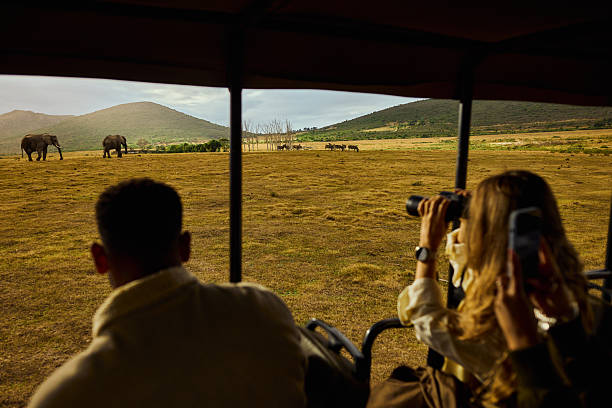
Many travelers prefer Serengeti Eco-Tourism because it offers meaningful and responsible travel experiences.
Key Reasons
- Conservation awareness
- Authentic wildlife experiences
- Sustainable travel impact
- Cultural connection
- Educational value
Eco-tourism creates a deeper connection between travelers and nature.
Why Nabak Safaris and Tours Supports Eco-Tourism
Travelers seeking Serengeti Eco-Tourism experiences trust Nabak Safaris and Tours because the company promotes:
- Sustainable safari practices
- Community involvement
- Eco-friendly vehicles
- Responsible wildlife viewing
- Conservation awareness tours
Safari Services
- Eco-friendly wildlife safaris
- Cultural tours
- Photography safaris
- Migration eco-tours
- Family eco-safaris
The company ensures every safari supports conservation and sustainability.
Customer Eco-Tourism Experience
“Our Serengeti Eco-Tourism safari with Nabak Safaris and Tours was amazing. We learned about wildlife conservation and enjoyed seeing animals in their natural environment responsibly.”
FAQ
What is Serengeti Eco-Tourism?
It is responsible tourism focused on conservation, sustainability, and community support in Serengeti National Park.
Why is eco-tourism important in Serengeti?
It helps protect wildlife, preserve habitats, and support local communities.
Are eco-lodges available in Serengeti?
Yes. Many lodges operate using sustainable and environmentally friendly practices.
How can tourists support eco-tourism?
By following wildlife rules, reducing waste, and choosing responsible tour operators.
Does Nabak Safaris and Tours offer eco-tourism safaris?
Yes. Nabak Safaris and Tours provides sustainable and eco-friendly safari experiences.
Best Practices and Sustainable Strategies for Serengeti Eco-Tourism
Understanding the deeper operations of Serengeti Eco-Tourism requires looking beyond the definition and focusing on how sustainability is practiced in real safari environments. In Serengeti National Park, eco-tourism is not only a concept but a daily operational system that guides how tourism companies, lodges, guides, and visitors interact with wildlife and the environment.
For travelers booking with Nabak Safaris and Tours, these sustainable strategies are integrated into every safari experience to ensure that tourism remains beneficial to nature, wildlife, and local communities.
Throughout this section, the term Serengeti Eco-Tourism is applied consistently to reflect its importance in conservation-focused travel planning and responsible safari operations.
Sustainable Safari Operations in Serengeti Eco-Tourism
One of the most important pillars of Serengeti Eco-Tourism is the way safari operations are conducted. Every game drive, route selection, and visitor interaction is designed to minimize environmental impact.
Key Operational Practices
- Controlled safari vehicle movement
- Limited off-road driving in sensitive areas
- Strict park regulation compliance
- Group coordination to reduce congestion
- Use of designated wildlife viewing routes
These practices ensure that Serengeti Eco-Tourism maintains a balance between visitor enjoyment and ecosystem protection.
Operational Impact Table
| Practice | Eco-Tourism Benefit |
|---|---|
| Controlled driving routes | Reduces habitat damage |
| Limited vehicle numbers | Prevents wildlife disturbance |
| Guided tours only | Ensures responsible behavior |
Safari operators like Nabak Safaris and Tours follow strict operational guidelines that align with national park conservation policies.
Waste Management and Environmental Protection
A critical component of Serengeti Eco-Tourism is waste management. Serengeti is a protected ecosystem, and improper waste disposal can seriously affect wildlife and habitats.
Eco-Friendly Waste Practices
- Carry-in carry-out waste systems
- Plastic reduction policies
- Biodegradable product usage
- Proper disposal at designated sites
- Recycling in safari camps
Why Waste Control Matters
| Issue | Impact |
|---|---|
| Plastic pollution | Harms wildlife |
| Food waste | Attracts dangerous animals |
| Non-biodegradable waste | Long-term ecosystem damage |
Through proper waste control systems, Serengeti Eco-Tourism ensures that natural landscapes remain clean and safe for wildlife survival.
Energy Conservation in Serengeti Eco-Tourism Lodges
Energy efficiency is another major pillar of Serengeti Eco-Tourism, especially in safari lodges and tented camps located inside or near the park.
Sustainable Energy Solutions
- Solar-powered electricity systems
- Energy-efficient lighting
- Reduced generator usage
- Natural ventilation designs
- Minimal electricity consumption policies
Energy Sustainability Comparison
| Energy Source | Eco Impact |
|---|---|
| Solar Power | Very Low Impact |
| Diesel Generators | High Impact |
| Hybrid Systems | Moderate Impact |
Eco-lodges supporting Serengeti Eco-Tourism aim to reduce dependence on fossil fuels while maintaining guest comfort.
Water Conservation Strategies in Serengeti Eco-Tourism
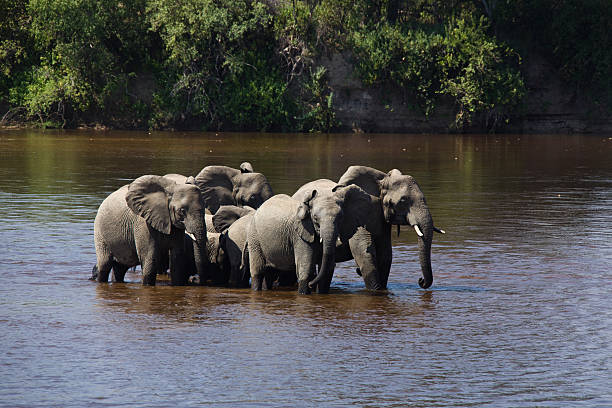
Water is a limited resource in many parts of Serengeti, making conservation a key aspect of Serengeti Eco-Tourism.
Water-Saving Practices
- Low-flow shower systems
- Rainwater harvesting
- Reuse of greywater for cleaning
- Controlled laundry services
- Guest awareness programs
Why Water Conservation Is Important
| Challenge | Effect |
|---|---|
| Drought conditions | Wildlife stress |
| Overuse in lodges | Resource depletion |
| Climate change | Reduced water availability |
By implementing water-saving strategies, Eco-Tourism ensures that both wildlife and tourism activities can coexist sustainably.
Community Engagement in Serengeti Eco-Tourism
Local community involvement is a defining feature of Serengeti Eco-Tourism, ensuring that people living near the park benefit directly from tourism revenue.
Community-Based Initiatives
- Employment in safari lodges
- Training local safari guides
- Cultural tourism programs
- Support for schools and healthcare
- Handicraft and souvenir markets
Community Benefit Table
| Area | Impact |
|---|---|
| Employment | Direct income generation |
| Education | Improved learning facilities |
| Culture | Preservation of traditions |
Companies like Nabak Safaris and Tours actively involve local communities in tourism operations to strengthen the impact of Serengeti Eco-Tourism.
Wildlife Protection Policies in Serengeti Eco-Tourism
Wildlife protection is at the heart of Serengeti Eco-Tourism. Without strong conservation policies, Serengeti’s biodiversity would be at risk.
Protection Measures
- Anti-poaching patrols
- Wildlife monitoring systems
- Protected breeding zones
- Migration corridor conservation
- Research and data collection
Key Protected Species
- African lions
- Elephants
- Cheetahs
- Wildebeest
- Black rhinos
According to World Wildlife Fund, Serengeti remains one of the most important wildlife conservation areas globally.
Eco-Friendly Transportation Systems
Transportation is a major focus in Serengeti Eco-Tourism because safari vehicles directly interact with wildlife habitats.
Sustainable Transport Practices
- Fuel-efficient 4×4 vehicles
- Regular vehicle maintenance
- Group safari sharing systems
- Controlled driving speeds
- Route optimization to reduce emissions
Safari providers such as Nabak Safaris and Tours ensure that transportation systems are both environmentally responsible and comfortable for travelers.
Responsible Tourist Behavior in Serengeti Eco-Tourism
Tourist behavior significantly affects the success of Serengeti Eco-Tourism, making education and awareness essential.
Responsible Travel Guidelines
- Stay inside safari vehicles
- Avoid feeding wildlife
- Respect park rules and guides
- Reduce noise levels
- Avoid littering in the park
Behavior Impact Table
| Behavior | Result |
|---|---|
| Respecting wildlife | Natural animal behavior |
| Littering | Environmental damage |
| Loud noise | Disturbs animals |
Responsible tourists help ensure that Serengeti Eco-Tourism remains sustainable for future generations.
Economic Benefits of Serengeti Eco-Tourism
Beyond conservation, Serengeti Eco-Tourism contributes significantly to Tanzania’s economy.
Economic Contributions
- Foreign currency earnings
- Job creation
- Local business growth
- Infrastructure development
- Tax revenue for conservation
Economic Impact Table
| Sector | Benefit |
|---|---|
| Tourism industry | High revenue |
| Local communities | Job creation |
| Government | Conservation funding |
Eco-tourism ensures that economic growth does not come at the expense of environmental degradation.
Why Nabak Safaris and Tours Leads in Eco-Tourism Practices
Travelers interested in Serengeti Eco-Tourism often choose Nabak Safaris and Tours because of its commitment to sustainability.
Company Strengths
- Eco-friendly safari planning
- Community-based tourism support
- Professional conservation awareness guides
- Responsible vehicle operations
- Sustainable safari packages
Safari Offerings
- Eco wildlife safaris
- Cultural immersion tours
- Photography eco-tours
- Migration conservation safaris
- Family eco-adventures
The company integrates Serengeti Eco-Tourism principles into every safari experience.
Customer Eco-Tourism Experience
“Our Serengeti Eco-Tourism safari with Nabak Safaris and Tours was educational and inspiring. We learned how tourism supports conservation and local communities.”
Section 2 FAQ
What is the main goal of Serengeti Eco-Tourism?
To protect wildlife and support sustainable tourism development.
How do lodges support eco-tourism?
By using solar energy, conserving water, and reducing waste.
How does eco-tourism help local communities?
It creates jobs and supports education and cultural preservation.
Is transportation part of eco-tourism?
Yes, fuel-efficient and controlled safari vehicles are essential.
Does Nabak Safaris and Tours follow eco-tourism practices?
Yes. Nabak Safaris and Tours fully integrates eco-tourism principles in all safari operations.
Get smarter responses, upload files and images, and more.
Log in
Sign up for free