Explore top safari routes in Serengeti with Nabak Safaris and Tours. Discover best game drive circuits, wildlife paths, migration routes, and travel itineraries in Tanzania.
QUICK SUMMARY
This Serengeti safari routes guide explains the most important game drive circuits and travel routes inside Serengeti National Park. It covers Central Serengeti, Northern migration routes, Southern plains, and Western corridors. Nabak Safaris and Tours uses these routes to design optimized wildlife viewing experiences
WHY SERENGETI SAFARI ROUTES MATTER
A complete Serengeti safari routes guide is essential for understanding how wildlife experiences are shaped inside the park. Serengeti is not a single road destination—it is a vast ecosystem with multiple interconnected wildlife corridors.
Each route offers different wildlife encounters, landscapes, and seasonal movements. Choosing the right route determines whether you see lions hunting, wildebeest migration, or rare leopard sightings.
At Nabak Safaris and Tours, safari routes are carefully selected based on:
- Season
- Wildlife movement
- Weather conditions
- Traveler interests
WHAT ARE SERENGETI SAFARI ROUTES?
Serengeti safari routes are structured game drive circuits used to explore different regions of the park.
A strong Serengeti safari routes guide includes:
- Central Serengeti routes
- Northern migration routes
- Southern plains routes
- Western corridor routes
Each route offers unique wildlife experiences.
WHY SAFARI ROUTES ARE IMPORTANT
1. Wildlife Distribution
Animals move depending on season and food availability.
2. Migration Tracking
Routes follow the Great Wildebeest Migration.
3. Travel Efficiency
Proper routing reduces unnecessary driving time.
4. Better Safari Experience
Correct routes increase chances of predator sightings.
MAIN SERENGETI SAFARI REGIONS
1. Central Serengeti (Seronera Valley)
- Year-round wildlife concentration
- Best predator sightings
- Most popular safari route
2. Northern Serengeti
- Mara River migration crossings
- Seasonal wildlife movements
- Remote safari experience
3. Southern Serengeti (Ndutu Plains)
- Calving season zone
- Large herbivore gatherings
- Predator action hotspot
4. Western Corridor
- Grumeti River ecosystem
- Crocodile and hippo zones
- Less crowded safari routes
COMPARISON TABLE: SERENGETI REGIONS
| Region | Wildlife Density | Best Season | Experience Type |
|---|---|---|---|
| Central | Very High | All year | Classic safari |
| North | High | Jul–Oct | Migration crossing |
| South | Very High | Dec–Mar | Calving season |
| West | Medium | May–Jun | River ecosystem |
ROLE OF NABAK SAFARIS AND TOURS
We design safari routes based on:
- Real-time wildlife tracking
- Migration movement updates
- Seasonal ecosystem analysis
- Traveler preferences
This ensures optimized Serengeti safari routes experience.
CENTRAL SERENGETI GAME DRIVE CIRCUITS, WILDLIFE HOTSPOTS, PREDATOR TRACKING ROUTES & PHOTOGRAPHY PATHWAYS
This section of the Serengeti safari routes guide focuses deeply on Central Serengeti (Seronera Valley), the most important safari region in the entire park. It explains detailed game drive circuits, predator tracking routes, wildlife hotspots, river systems, kopje formations, and photography pathways used by Nabak Safaris and Tours to maximize wildlife encounters.
WHY CENTRAL SERENGETI IS THE HEART OF ALL SAFARI ROUTES
A complete Serengeti safari routes guide must start with Central Serengeti because it is the core of wildlife activity year-round. Unlike seasonal regions, Seronera Valley hosts animals throughout all seasons due to permanent water sources, rich grasslands, and stable predator territories.
This region is where most safari routes intersect, making it the most reliable area for game viewing. At Nabak Safaris and Tours, nearly every safari itinerary passes through Central Serengeti because it guarantees consistent wildlife encounters.
MAIN CENTRAL SERENGETI GAME DRIVE CIRCUITS
1. SERONERA RIVER CIRCUIT (CORE ROUTE)
This is the most famous route in the Serengeti safari routes guide.
Route Description
- Starts near Seronera Visitor Area
- Follows riverbanks and woodland zones
- Connects multiple watering points
Wildlife Highlights
- Lions resting near river shade
- Hippos in pools
- Crocodiles along banks
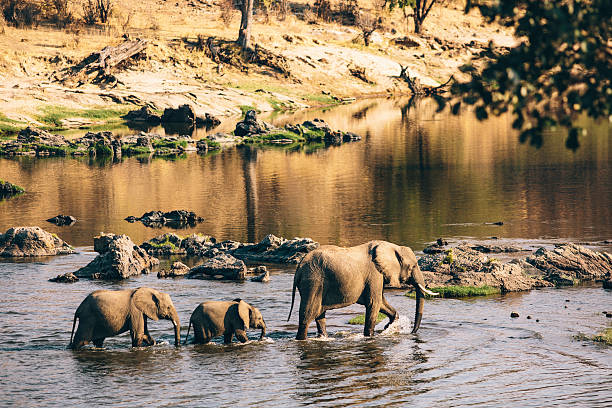
- Elephants crossing paths
Why It Matters
This route offers the highest chance of predator sightings in Central Serengeti.
2. KOPJE EXPLORATION ROUTE (ROCKY OUTCROP CIRCUIT)
Kopjes are ancient granite formations scattered across Serengeti.
Route Description
- Travels through rocky hill formations
- Stops at lookout points
- Includes hidden predator zones
Wildlife Highlights
- Leopards hiding in caves
- Lions resting on rocks
- Hyrax colonies
- Vultures and scavengers
Why It Matters
This is one of the best predator tracking routes in the Serengeti safari routes guide.
3. OPEN PLAINS SAFARI CIRCUIT
This route covers vast grassland areas.
Route Description
- Wide open driving plains
- Long visibility distances
- Minimal vegetation zones
Wildlife Highlights
- Cheetah hunting grounds
- Wildebeest herds
- Gazelle groups
- Ostrich movements
Why It Matters
Perfect for high-speed predator chases and photography.
4. MORNING PREDATOR TRACKING ROUTE
This route is used early in the morning.
Route Strategy
- Starts at sunrise
- Follows fresh predator tracks
- Focuses on lion pride territories
Wildlife Highlights
- Lion hunts
- Hyena movements
- Leopard resting zones
Why It Matters
Morning is peak hunting time in Serengeti.
WILDLIFE HOTSPOTS IN CENTRAL SERENGETI
1. SERONERA VALLEY CORE ZONE
- Permanent wildlife concentration
- High predator density
- Reliable sightings year-round
2. RETIMA HIPPO POOL AREA
- Large hippo populations
- Crocodile activity
- Birdwatching hotspot
3. MALELEK RIVER ZONE
- Predator hunting corridor
- Water access point for herbivores
4. KOPJE HILLS CLUSTER
- Leopard territory
- Lion pride resting zones
PREDATOR TRACKING ROUTES
A professional Serengeti safari routes guide must include predator behavior mapping.
LION TRACKING ROUTE
- Follows pride territories
- Early morning movement paths
- Hunting ground intersections
LEOPARD ROUTE
- Kopje caves
- Riverine forest edges
- High tree density zones
CHEETAH ROUTE
- Open plains
- Low grass visibility areas
- High-speed hunting fields
PHOTOGRAPHY ROUTE STRATEGY
1. GOLDEN HOUR ROUTE
- Sunrise plains
- Warm lighting conditions
- Silhouette photography
2. PREDATOR ACTION ROUTE
- Focus on hunting zones
- Fast shutter wildlife capture
- Dynamic movement shots
3. LANDSCAPE ROUTE
- Wide Serengeti plains
- Kopje elevation views
- Cloudscape backgrounds
COMPARISON TABLE: CENTRAL SERENGETI ROUTES
| Route Type | Wildlife Density | Best Time | Experience Type |
|---|---|---|---|
| Seronera River | Very High | All day | Classic safari |
| Kopje Circuit | High | Morning/Evening | Predator focus |
| Open Plains | Medium-High | Afternoon | Hunting action |
| Predator Route | Very High | Early morning | Tracking safari |
WHY CENTRAL SERENGETI IS THE MOST IMPORTANT SAFARI REGION
A strong Serengeti safari routes guide shows that Central Serengeti:
- Offers year-round wildlife access
- Provides stable predator territories
- Connects all major park regions
- Ensures high safari success rates
ROLE OF NABAK SAFARIS AND TOURS
We optimize Central Serengeti routes by:
- Tracking real-time predator movements
- Adjusting routes based on wildlife behavior
- Timing game drives for maximum sightings
- Positioning vehicles for photography advantage
This ensures a premium Serengeti safari routes experience for every traveler.
NORTHERN, SOUTHERN & WESTERN SERENGETI ROUTES, GREAT MIGRATION CORRIDORS & SEASONAL SAFARI STRATEGY
This section of the Serengeti safari routes guide explores the three major seasonal regions of Serengeti: Northern Serengeti, Southern Serengeti (Ndutu plains), and the Western Corridor. It explains how the Great Migration shapes safari routes, when to visit each region, and how Nabak Safaris and Tours designs seasonal itineraries for optimal wildlife viewing.
SERENGETI IS A MOVING ECOSYSTEM, NOT A FIXED DESTINATION
A complete Serengeti safari routes guide must explain one key truth: Serengeti is not static. Wildlife is constantly moving across the park in response to rainfall, grazing patterns, and predator pressure.
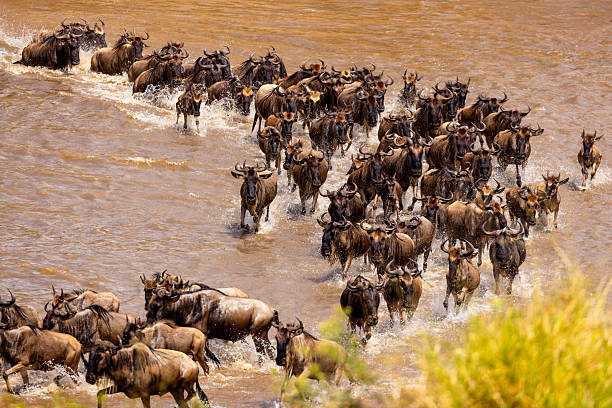
This movement creates seasonal safari routes that change throughout the year. The most famous of these is the Great Wildebeest Migration, where over 1.5 million wildebeest, zebras, and gazelles move in a circular pattern across Serengeti and Maasai Mara.
At Nabak Safaris and Tours, understanding these movements is essential for designing high-success safari routes.
1. NORTHERN SERENGETI SAFARI ROUTES (MARA RIVER ZONE)
ROUTE OVERVIEW
The Northern Serengeti is one of the most dramatic regions in the Serengeti safari routes guide.
- Dominated by the Mara River system
- Seasonal migration crossing zone
- Remote and less crowded safari area
MARA RIVER CROSSING ROUTE
This is the most famous safari route in Northern Serengeti.
Route Path
- Kogatende area
- Mara River crossing points
- Lamai Wedge region
Wildlife Highlights
- Wildebeest river crossings
- Crocodile predation events
- Lion ambush zones near riverbanks
Why It Matters
This route offers the most intense wildlife drama in Serengeti.
NORTHERN GRASSLAND LOOP
Route Description
- Open savannah exploration
- Rolling hills and river edges
- Predator tracking zones
Wildlife Highlights
- Large lion prides
- Leopard sightings in riverine forests
- Elephants migrating north
BEST TIME TO VISIT NORTH SERENGETI
- July to October (peak migration season)
2. SOUTHERN SERENGETI (NDUTU PLAINS) ROUTES
ROUTE OVERVIEW
Southern Serengeti is the calving ground of the migration, making it a key part of the Serengeti safari routes guide.
- Located in Ndutu area
- Open short-grass plains
- Seasonal concentration of wildlife
CALVING SEASON ROUTE
Route Path
- Ndutu Lake circuit
- Short grass plains loop
- Marshland exploration zones
Wildlife Highlights
- Thousands of wildebeest births
- High predator activity (lions, hyenas, cheetahs)
- Newborn survival struggles
Why It Matters
This is the most emotionally intense safari route.
PREDATOR INTERACTION ROUTE
Route Description
- Focus on predator hunting zones
- Early morning tracking circuits
- Grassland ambush areas
Wildlife Highlights
- Cheetah hunting calves
- Lion pride coordination
- Hyena scavenger activity
BEST TIME TO VISIT SOUTH SERENGETI
- December to March (calving season)
3. WESTERN SERENGETI CORRIDOR ROUTES
ROUTE OVERVIEW
The Western Corridor is one of the most unique ecosystems in the Serengeti safari routes guide.
- Follows Grumeti River system
- Dense woodland and river habitats
- Less crowded safari routes
GRUMETI RIVER SAFARI ROUTE
Route Path
- Grumeti Reserve edge
- River crossing points
- Forested predator zones
Wildlife Highlights
- Giant Nile crocodiles
- Hippo pods
- Migration river crossings (smaller scale)
WOODLAND PREDATOR ROUTE
Route Description
- Dense acacia forests
- Hidden leopard territories
- Elephant movement corridors
BEST TIME TO VISIT WESTERN SERENGETI
- May to July (migration passage period)
COMPARISON TABLE: SEASONAL SERENGETI ROUTES
| Region | Best Season | Key Wildlife Event | Experience Type |
|---|---|---|---|
| North Serengeti | Jul–Oct | Mara River crossing | Dramatic migration |
| South Serengeti | Dec–Mar | Calving season | Predator action |
| West Serengeti | May–Jul | Grumeti crossing | River ecosystem |
| Central Serengeti | Year-round | General wildlife | Classic safari |
HOW SEASONAL ROUTES AFFECT SAFARI PLANNING
A professional Serengeti safari routes guide shows that:
1. Wildlife Location Changes Constantly
Animals move based on rainfall and food availability.
2. Route Selection Determines Experience Quality
Wrong timing means missing migration events.
3. Flexible Itineraries Are Essential
Routes must adapt in real-time.
4. Guides Play a Critical Role
They track movement and adjust routes daily.
ROLE OF NABAK SAFARIS AND TOURS IN SEASONAL ROUTING
We ensure:
- Real-time migration tracking updates
- Flexible safari route adjustments
- Expert driver-guide navigation skills
- Seasonal itinerary planning
- Strategic positioning for wildlife viewing
This guarantees optimized Serengeti safari routes experiences throughout the year.
COMPLETE ROUTE PLANNING STRATEGY, FAQs, EXPERT SAFARI NAVIGATION TIPS, ITINERARY COMBINATIONS & FINAL BOOKING GUIDE
This final section of the Serengeti safari routes guide brings together everything into a practical travel planning system. It explains how to combine Serengeti routes, how to choose the best safari circuits based on season, answers frequently asked questions, and provides expert navigation tips from Nabak Safaris and Tours. It also includes final booking guidance for a successful Serengeti experience.
FROM ROUTES TO REAL SAFARI EXPERIENCE
A complete Serengeti safari routes guide is not only about knowing where places are—it is about understanding how to connect those places into a meaningful safari journey.
Serengeti is a massive ecosystem where timing, movement, and route selection determine the quality of your wildlife experience. A well-planned route can mean witnessing a river crossing, while a poorly planned one may miss the migration entirely.
This final section transforms all previous knowledge into a practical safari planning system used by Nabak Safaris and Tours.
HOW TO COMBINE SERENGETI SAFARI ROUTES EFFECTIVELY
1. CENTRAL + NORTHERN ROUTE COMBINATION (CLASSIC MIGRATION SAFARI)
This is one of the most powerful combinations in the Serengeti safari routes guide.
Structure:
- Start in Central Serengeti (Seronera Valley)
- Move north during migration season
- End at Mara River zone
Experience Highlights:
- Year-round wildlife in Central Serengeti
- Predator encounters in kopje zones
- Dramatic river crossings in Northern Serengeti
2. SOUTHERN + CENTRAL ROUTE COMBINATION (CALVING + PREDATOR SAFARI)
Structure:
- Start in Ndutu (Southern Serengeti)
- Follow migration during calving season
- Transition to Central Serengeti
Experience Highlights:
- Thousands of wildebeest births
- Intense predator-prey interactions
- Stable year-round wildlife in Seronera
3. WESTERN + CENTRAL ROUTE COMBINATION (RIVER ECOSYSTEM SAFARI)
Structure:
- Begin in Western Corridor (Grumeti River)
- Follow migration movement
- Connect to Central Serengeti
Experience Highlights:
- Crocodile river crossings
- Hippo ecosystems
- Woodland predator sightings
BEST SAFARI ROUTE PLANNING STRATEGY
A professional Serengeti safari routes guide follows five planning principles:
1. SEASONAL ALIGNMENT
- Match routes with migration calendar
- Avoid off-season migration expectations
2. FLEXIBLE ITINERARIES
- Allow route changes based on wildlife movement
- Adapt daily game drives
3. BALANCED REGION COVERAGE
- Combine Central + seasonal zones
- Avoid focusing on only one area
4. TIME OPTIMIZATION
- Reduce unnecessary driving
- Maximize wildlife viewing hours
5. GUIDE EXPERTISE
- Use experienced safari driver-guides
- Real-time wildlife tracking decisions
FREQUENTLY ASKED QUESTIONS (FAQs)
1. What is the best safari route in Serengeti?
The best route depends on season:
- North Serengeti (July–October) for migration crossings
- South Serengeti (December–March) for calving season
- Central Serengeti year-round
2. How many days do I need for Serengeti safari routes?
- 3–4 days: Central Serengeti only
- 5–7 days: Central + one seasonal region
- 8–10 days: Full migration circuit
3. Can I see the Great Migration on all routes?
No. Migration follows a seasonal path, so timing and route selection are critical.
4. Are Serengeti safari routes safe?
Yes. When guided by professionals like Nabak Safaris and Tours, all routes follow strict safety regulations.
5. What is the most scenic safari route in Serengeti?
The Northern Serengeti Mara River route is the most dramatic, while Central Serengeti is the most consistent.
6. Can safari routes be customized?
Yes. Nabak Safaris and Tours creates fully customized route combinations.
EXPERT SAFARI NAVIGATION TIPS
1. Always prioritize wildlife movement, not distance
The best Serengeti safari routes guide strategy follows animals, not roads.
2. Start game drives early
Morning routes increase chances of predator sightings.
3. Stay flexible
Wildlife is unpredictable—routes must adapt daily.
4. Trust guide decisions
Experienced guides read animal behavior patterns in real time.
5. Choose longer safaris when possible
More days = more route coverage = better safari experience.
COMPARISON TABLE: SERENGETI ROUTE COMBINATIONS
| Route Combination | Best Season | Wildlife Focus | Experience Level |
|---|---|---|---|
| Central + North | Jul–Oct | Migration crossings | Dramatic safari |
| South + Central | Dec–Mar | Calving season | Predator action |
| West + Central | May–Jul | River ecosystems | Scenic safari |
| Central only | All year | General wildlife | Classic safari |
WHY ROUTE PLANNING DEFINES SERENGETI SAFARI SUCCESS
A complete Serengeti safari routes guide shows that:
- Wildlife is constantly moving
- Timing determines what you see
- Route selection affects safari success
- Expert planning increases experience quality
ROLE OF NABAK SAFARIS AND TOURS
We ensure:
- Professionally designed safari routes
- Real-time wildlife tracking integration
- Seasonal migration route planning
- Flexible itinerary adjustments
- Expert driver-guides with field experience
This guarantees a high-quality Serengeti safari routes experience.
FINAL CONCLUSION
The Top Safari Routes in Serengeti guide reveals that Serengeti is not a single destination but a network of dynamic wildlife corridors that change throughout the year.
From Central Serengeti’s permanent wildlife zones to the Northern Mara River crossings, Southern calving plains, and Western river systems, each route offers a different chapter of the Serengeti story.
A successful safari depends on understanding these routes, timing your visit correctly, and traveling with experts who can interpret wildlife movement in real time.
With Nabak Safaris and Tours, every route becomes more than a road—it becomes a carefully designed journey into the heart of Africa’s most iconic wilderness.