Discover Serengeti safari vehicles guide by Nabak Safaris and Tours. Learn about 4×4 safari cars, features, safety, costs, and best vehicles for Tanzania safaris.
QUICK SUMMARY
This Serengeti safari vehicles guide explains everything travelers need to know about safari cars used in Serengeti National Park. It covers vehicle types, features, safety standards, and why 4×4 safari vehicles are essential for game drives. With Nabak Safaris and Tours, travelers experience well-equipped safari vehicles designed for comfort, safety, and optimal wildlife viewing.
WHY SAFARI VEHICLES MATTER IN SERENGETI
A successful Serengeti safari vehicles guide must begin with one key truth: the safari vehicle is the foundation of every wildlife experience. In Serengeti National Park, the terrain is vast, rough, and unpredictable, making standard vehicles unsuitable for game drives.
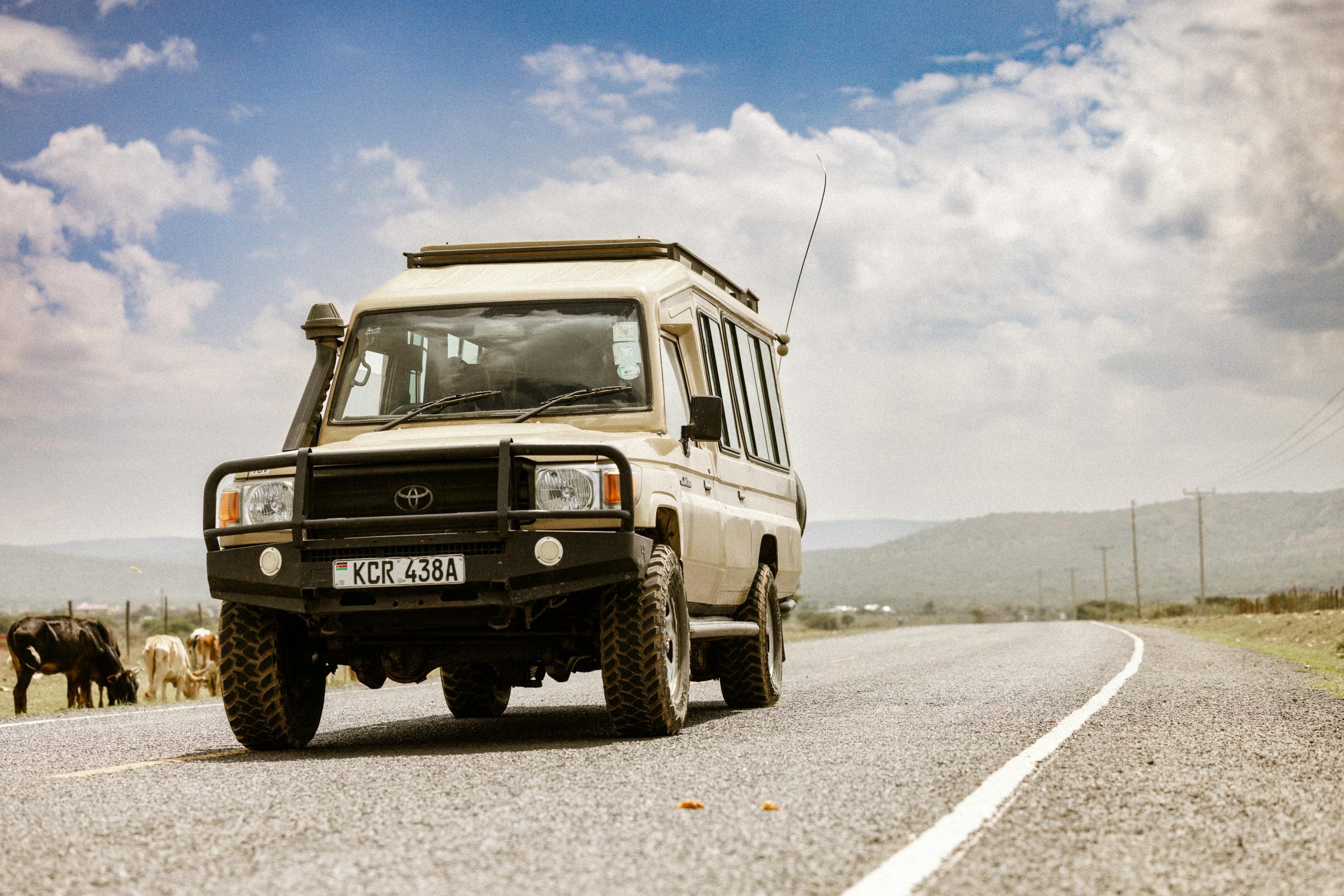
Safari vehicles are specially designed 4×4 machines built to handle dirt roads, river crossings, and long-distance travel across uneven landscapes. Without the right vehicle, even the best safari itinerary can fail.
At Nabak Safaris and Tours, we use professionally modified safari vehicles to ensure every Serengeti safari experience is safe, comfortable, and fully optimized for wildlife viewing.
WHAT ARE SERENGETI SAFARI VEHICLES?
Serengeti safari vehicles are specialized off-road cars designed for wildlife safaris in Tanzania’s national parks.
Key Characteristics:
- 4×4 wheel drive system
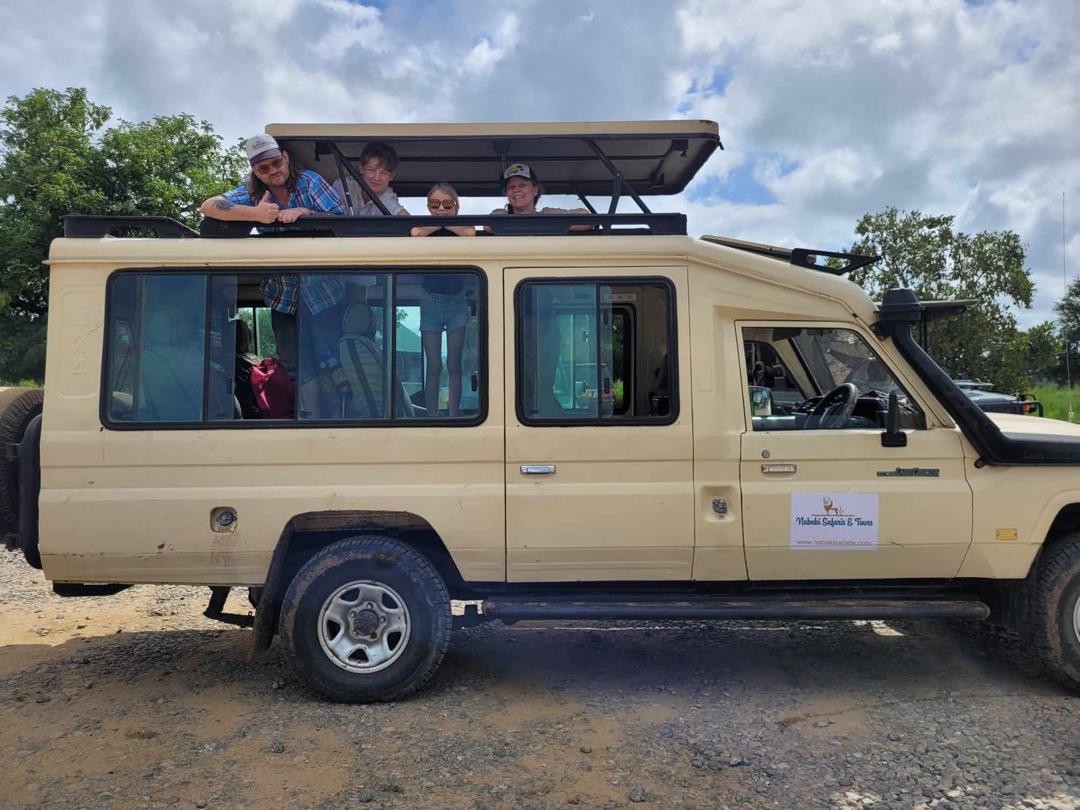
- Pop-up roof for viewing and photography
- Reinforced suspension for rough terrain
- Large windows for visibility
- Dust-resistant structure
These features are essential for any Serengeti safari vehicles guide because they directly affect comfort and wildlife visibility.
WHY REGULAR CARS CANNOT BE USED IN SERENGETI
Regular vehicles are not suitable for Serengeti due to:
- Rough and unpaved roads
- Seasonal mud and dust conditions
- Long distances between wildlife areas
- Need for elevated viewing positions
This makes safari vehicles a mandatory requirement for all safaris.
MAIN TYPES OF SERENGETI SAFARI VEHICLES
1. Open Roof 4×4 Safari Land Cruisers
The most commonly used safari vehicles.
Features:
- Pop-up roof for standing view
- Strong off-road capability
- Comfortable seating for 6–7 passengers
Best For:
- Wildlife photography
- Group safaris
- General game drives
This is the backbone of any Serengeti safari vehicles guide.
2. Closed Roof Safari Vehicles with Viewing Windows
These vehicles are more enclosed.
Features:
- Air circulation windows
- Protected interior
- Less exposure to dust
Best For:
- Long-distance travel
- Rainy season safaris
3. Luxury Safari Vehicles
Designed for premium safaris.
Features:
- Extra legroom
- Fridge and charging ports
- Leather seats
- Private guide setup
Best For:
- Luxury travelers
- Honeymoon safaris
4. Customized Photographic Safari Vehicles
Special vehicles designed for photographers.
Features:
- Open sides or adjustable windows
- Camera mounts
- Extra stability
KEY FEATURES OF SERENGETI SAFARI VEHICLES
A proper Serengeti safari vehicles guide must explain core features:
1. Pop-Up Roof
Allows 360-degree wildlife viewing.
2. 4×4 Engine System
Ensures mobility across rough terrain.
3. Raised Seating
Improves visibility over tall grass.
4. Large Sliding Windows
Allows photography even when inside vehicle.
5. Dust Protection Design
Prevents dust entering cabin during dry season.
COMPARISON TABLE: SAFARI VEHICLES
| Vehicle Type | Comfort | Visibility | Use Case |
|---|---|---|---|
| Open Roof 4×4 | High | Excellent | Game drives |
| Closed Roof | Medium | Good | Travel + safaris |
| Luxury Safari | Very High | Excellent | Premium safaris |
| Photographic | High | Specialized | Photography tours |
WHY SAFARI VEHICLES ARE IMPORTANT FOR SERENGETI EXPERIENCE
The quality of your safari vehicle directly affects:
- Wildlife visibility
- Photography quality
- Travel comfort
- Safety during game drives
This is why choosing the right operator in any Serengeti safari vehicles guide is essential.
ROLE OF NABAK SAFARIS AND TOURS IN SAFARI VEHICLES
At Nabak Safaris and Tours, we ensure:
- Well-maintained 4×4 vehicles
- Professional driver-guides
- Safety inspection before every safari
- Clean and comfortable interiors
- Reliable communication systems
This guarantees a high-quality Serengeti safari experience.
COMMON MISCONCEPTIONS ABOUT SAFARI VEHICLES
Misconception 1: All safari vehicles are the same
Reality: Quality varies widely between operators.
Misconception 2: Any 4×4 can be used
Reality: Safari vehicles must be specially modified.
Misconception 3: Open roof is unsafe
Reality: It is designed with strict safety standards.
SAFARI VEHICLE ENGINEERING, OFF-ROAD PERFORMANCE, SAFETY SYSTEMS & COMFORT DESIGN
This section of the Serengeti safari vehicles guide provides a deep technical breakdown of safari vehicle engineering, including 4×4 performance systems, safety features, comfort enhancements, and terrain adaptability. It explains how safari vehicles are modified for Serengeti’s extreme conditions and why professional operators like Nabak Safaris and Tours prioritize vehicle quality for a safe and reliable safari experience.
THE ENGINEERING BEHIND SERENGETI SAFARI VEHICLES
A proper Serengeti safari vehicles guide must go beyond appearance and focus on engineering. Safari vehicles are not ordinary cars—they are heavily modified machines designed for extreme off-road conditions, long-distance travel, and constant wildlife viewing.
Serengeti terrain includes dusty plains, rocky tracks, muddy areas during rainy seasons, and long safari routes that can stretch for hours. This requires vehicles that combine durability, stability, and comfort.
At Nabak Safaris and Tours, every safari vehicle is carefully selected and modified to ensure maximum performance, making the Serengeti safari experience both safe and enjoyable.
4×4 OFF-ROAD SYSTEM PERFORMANCE
1. Four-Wheel Drive (4×4) Capability
The foundation of all safari vehicles is the 4×4 system.
Key Functions:
- Power distributed to all wheels
- Improved traction on rough terrain
- Stability on slippery or muddy roads
This is essential in any Serengeti safari vehicles guide, as it ensures access to remote wildlife areas.
2. High Ground Clearance
Safari vehicles are elevated higher than normal cars.
Benefits:
- Avoids damage from rocks and uneven ground
- Improves visibility over grasslands
- Allows safe navigation through rough tracks
High clearance is a critical factor in Serengeti terrain performance.
3. Heavy-Duty Suspension System
Suspension is upgraded for safari use.
- Absorbs shocks from rough roads
- Ensures passenger comfort during long drives
- Reduces vehicle wear and tear
This directly improves the Serengeti safari vehicles guide experience.
4. Reinforced Chassis Design
Safari vehicles are structurally strengthened.
- Supports heavy loads (passengers + equipment)
- Withstands continuous off-road use
- Increases vehicle lifespan
SAFETY SYSTEMS IN SERENGETI SAFARI VEHICLES
1. Roll-Over Protection Structure (ROPS)
- Protects passengers in case of accidents
- Built into safari vehicle frame
2. Safety Seat Layout
- Forward-facing seats for visibility and safety
- Seat belts for all passengers
- Secure seating during rough terrain travel
3. Communication Systems
- Two-way radios between guides
- GPS tracking systems
- Emergency communication links
These systems are essential in a professional Serengeti safari vehicles guide.
4. Emergency Preparedness Equipment
- First aid kits
- Fire extinguishers
- Basic repair tools
Nabak Safaris and Tours ensures all vehicles are fully equipped before departure.
COMFORT FEATURES IN MODERN SAFARI VEHICLES
1. Ergonomic Seating Design
- Comfortable long-distance seating
- Adequate legroom
- Adjustable seating positions
2. Ventilation Systems
- Large sliding windows
- Roof ventilation
- Natural airflow design
3. Dust Control Features
Serengeti is dusty during dry season.
- Sealed cabin design
- Dust-resistant window systems
- Air circulation control
4. Charging Ports and Storage
Modern safari vehicles include:
- USB charging ports
- Camera storage compartments
- Personal item storage space
POP-UP ROOF ENGINEERING DESIGN
The pop-up roof is one of the most important features in any Serengeti safari vehicles guide.
Functions:
- 360-degree wildlife viewing
- Standing photography position
- Better airflow during game drives
Engineering Strength:
- Reinforced metal frame
- Weather-resistant materials
- Easy opening and locking system
OFF-ROAD TERRAIN PERFORMANCE IN SERENGETI
1. Grassland Terrain
- Requires stable suspension
- Smooth driving at moderate speeds
2. Rocky Areas (Kopjes)
- Requires strong chassis and tires
- Careful navigation needed
3. Muddy Roads (Rainy Season)
- 4×4 traction essential
- Reduced speed driving
4. Long Distance Safari Routes
- Fuel efficiency important
- Comfortable seating required
Understanding terrain performance is key in a complete Serengeti safari vehicles guide.
VEHICLE MAINTENANCE AND RELIABILITY
At Nabak Safaris and Tours, maintenance is critical:
- Regular engine checks
- Tire inspections before every safari
- Suspension system testing
- Cleaning and hygiene maintenance
Reliable vehicles ensure uninterrupted Serengeti safari experiences.
COMPARISON TABLE: SAFARI VEHICLE PERFORMANCE FEATURES
| Feature | Standard Car | Safari Vehicle |
|---|---|---|
| Drive System | 2WD | 4×4 |
| Ground Clearance | Low | High |
| Suspension | Basic | Heavy-duty |
| Terrain Capability | Limited | Excellent |
| Safari Use | No | Yes |
WHY ENGINEERING MATTERS IN SERENGETI SAFARIS
Without proper engineering:
- Vehicles cannot access wildlife areas
- Passenger comfort is reduced
- Safety risks increase
This is why a professional Serengeti safari vehicles guide emphasizes technical design.
ROLE OF NABAK SAFARIS AND TOURS IN VEHICLE QUALITY
We ensure:
- Fully modified 4×4 safari vehicles
- Regular mechanical inspections
- Professional driver-guides trained in terrain handling
- Safety-first vehicle standards
- Comfortable and clean interiors
This guarantees a premium Serengeti safari vehicles experience.
REAL GAME DRIVE EXPERIENCE, WILDLIFE VIEWING STRATEGIES, PHOTOGRAPHY FROM SAFARI VEHICLES & FIELD CHALLENGES
This section of the Serengeti safari vehicles guide focuses on real-life use of safari vehicles during game drives. It explains how travelers experience wildlife viewing from 4×4 vehicles, photography techniques from the vehicle, passenger comfort in the field, and practical challenges encountered during Serengeti safaris. With Nabak Safaris and Tours, every Serengeti safari experience is designed for maximum visibility, safety, and comfort.
SAFARI VEHICLES IN REAL ACTION
A true Serengeti safari vehicles guide is not complete without understanding how these vehicles perform in real safari conditions. Beyond engineering and design, the real value of a safari vehicle is revealed during game drives—when travelers are actively tracking wildlife across vast Serengeti landscapes.
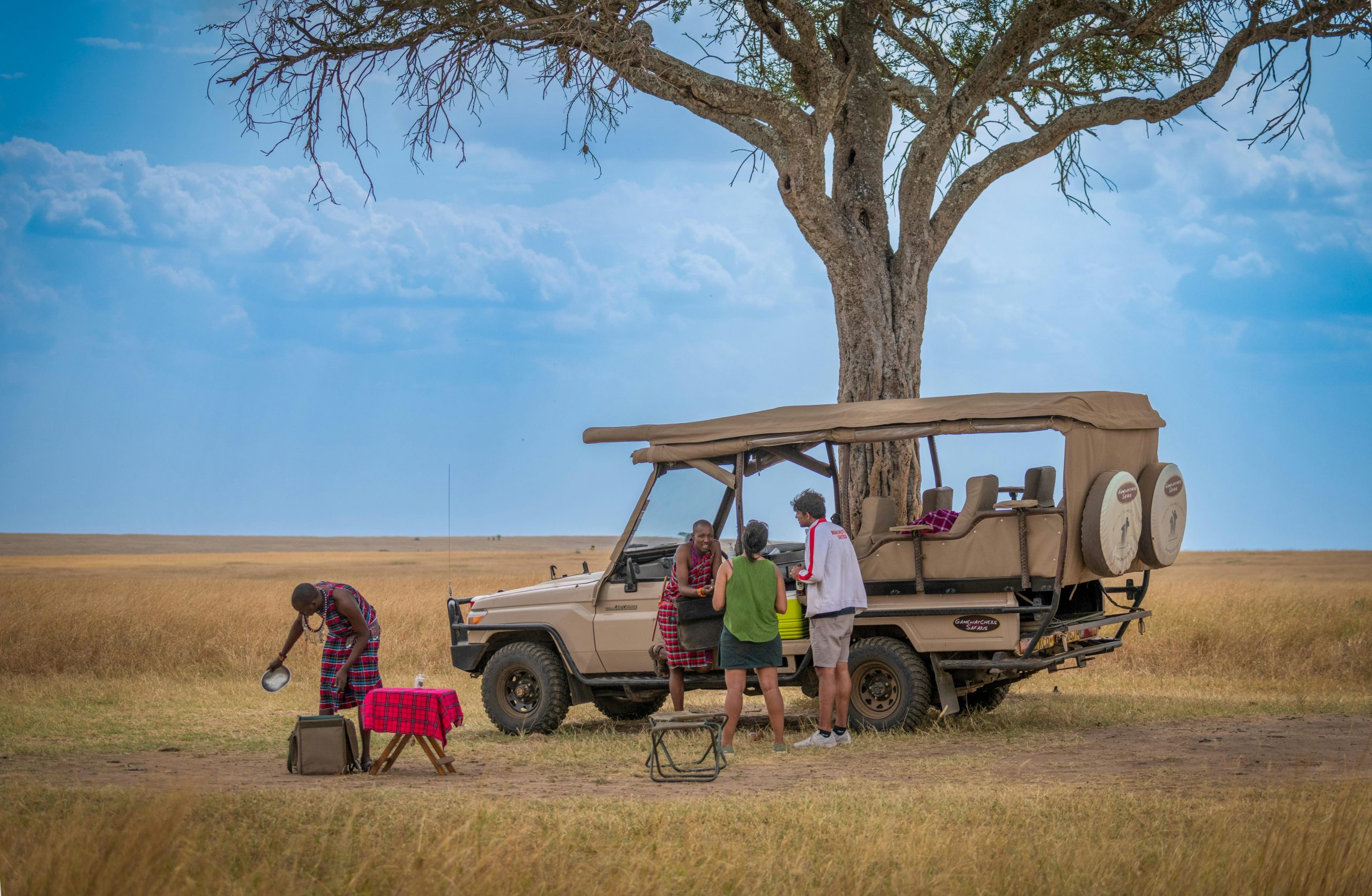
During game drives, safari vehicles become mobile observation platforms, allowing travelers to follow animal movements, capture photography, and experience wildlife behavior up close. Every movement of the vehicle is strategically planned by expert guides from Nabak Safaris and Tours to maximize sightings and safety.
HOW SAFARI VEHICLES ARE USED DURING GAME DRIVES
1. Early Morning Game Drives
Early mornings are the most productive safari hours.
Vehicle Role:
- Transport guests quietly into wildlife zones
- Provide elevated viewing during predator activity
- Allow photographers to capture golden light scenes
This is a key highlight in any Serengeti safari vehicles guide experience.
2. Midday Wildlife Tracking
During midday, animals rest or move slowly.
Vehicle Function:
- Track herds across plains
- Locate shaded resting predators
- Provide comfortable travel during heat
Safari vehicles are essential for continuous wildlife tracking.
3. Evening Game Drives
Evening drives are crucial for predator activity.
Vehicle Advantage:
- Enhanced visibility during golden hour
- Increased predator movement observation
- Ideal lighting for photography
Evening drives are often the most memorable part of the Serengeti safari vehicles guide experience.
WILDLIFE VIEWING STRATEGIES FROM SAFARI VEHICLES
1. Elevated Viewing Advantage
Safari vehicles allow passengers to stand on pop-up roofs.
- Better visibility over tall grass
- Wider panoramic view
- Improved spotting of distant animals
2. Silent Movement Technique
Experienced guides from Nabak Safaris and Tours:
- Drive slowly near wildlife
- Avoid sudden movements
- Minimize engine noise when approaching animals
3. Strategic Positioning
Vehicle placement is critical:
- Park at angles for photography
- Avoid blocking animal movement paths
- Maintain safe wildlife distance
4. Tracking Wildlife Behavior
Drivers analyze:
- Footprints
- Bird activity
- Predator movement patterns
This improves success in a Serengeti safari vehicles guide experience.
PHOTOGRAPHY EXPERIENCE FROM SAFARI VEHICLES
1. Pop-Up Roof Photography
- 360-degree shooting angles
- Stable standing position
- Unobstructed wildlife views
2. Window Photography
- Useful during dust or rain
- Controlled framing
- Safer for close wildlife encounters
3. Camera Settings in Safari Vehicles
- Fast shutter speed for moving animals
- Telephoto lenses (200–600mm)
- Continuous shooting mode
4. Best Lighting Conditions
- Early morning light (soft and golden)
- Late afternoon golden hour
- Avoid harsh midday light
Photography is a core part of the Serengeti safari vehicles guide experience.
PASSENGER EXPERIENCE INSIDE SAFARI VEHICLES
1. Comfort During Long Drives
- Cushioned seating
- Adequate legroom
- Smooth suspension reduces fatigue
2. Visibility Experience
- Large windows for constant viewing
- Elevated seating for better sightlines
3. Social Safari Experience
- Shared excitement among passengers
- Real-time wildlife discussions with guides
4. Emotional Experience
Travelers often experience:
- Excitement during predator sightings
- Calm observation of herds
- Emotional connection with nature
FIELD CHALLENGES DURING GAME DRIVES
1. Rough Terrain Conditions
- Bumpy roads
- Dust during dry season
- Mud during rainy season
Safari vehicles are specifically designed to handle this.
2. Long Travel Distances
- Serengeti is extremely vast
- Game drives can last several hours
Comfortable seating becomes essential.
3. Unpredictable Wildlife Movement
- Animals may move far distances
- Guides must constantly track herds
4. Weather Changes
- Sudden rain or heat
- Requires adaptable vehicle usage
HOW NABAK SAFARIS AND TOURS MANAGES FIELD CONDITIONS
We ensure:
- Experienced driver-guides trained in wildlife tracking
- Real-time adaptation of routes
- Well-maintained 4×4 vehicles
- Comfortable seating and safety measures
- Flexible game drive scheduling
This guarantees a smooth Serengeti safari vehicles guide experience even under challenging conditions.
COMPARISON TABLE: SAFARI VEHICLE EXPERIENCE IN FIELD USE
| Feature | Standard Travel Car | Safari Vehicle |
|---|---|---|
| Wildlife Viewing | Poor | Excellent |
| Terrain Handling | Limited | Advanced |
| Photography Access | Restricted | Open/360° |
| Comfort on Safari | Low | High |
| Game Drive Use | Not suitable | Fully designed |
WHY REAL FIELD EXPERIENCE MATTERS
A safari vehicle is not just transportation—it is the main platform for:
- Wildlife observation
- Photography
- Education
- Adventure experience
This is why the Serengeti safari vehicles guide experience is defined by real field performance.
SAFARI VEHICLE COSTS, RENTAL PACKAGES, BOOKING GUIDE, FAQs & EXPERT CONCLUSION
This final section of the Serengeti safari vehicles guide explains safari vehicle costs, rental packages, booking procedures, frequently asked questions, and expert recommendations. It helps travelers understand how safari vehicles are priced, how to choose the right package, and how Nabak Safaris and Tours ensures safe, comfortable, and reliable transportation throughout Serengeti National Park.
TURNING SAFARI VEHICLE KNOWLEDGE INTO REAL TRAVEL PLANNING
After understanding vehicle engineering, field performance, and real game drive experience, the final step in the Serengeti safari vehicles guide is practical planning. Many travelers underestimate the importance of choosing the right safari vehicle package, yet it directly affects comfort, wildlife viewing quality, and overall safari satisfaction.
Safari vehicles are not just transport—they are a core part of the safari product. Pricing, quality, and service level vary significantly depending on the operator, vehicle type, and safari duration.
At Nabak Safaris and Tours, we structure our safari vehicle services to match different budgets while maintaining high safety and comfort standards for every Serengeti safari experience.
SERENGETI SAFARI VEHICLES COST BREAKDOWN
1. Standard Safari Vehicle Package
- $150 – $250 per day (vehicle rental only)
- 4×4 Land Cruiser with pop-up roof
- Driver-guide included
- Shared safari usage in group tours
Best For:
- Budget travelers
- Group safaris
- First-time visitors
This is the most common entry level in any Serengeti safari vehicles guide pricing structure.
2. Mid-Range Safari Vehicle Package
- $250 – $450 per day
- Private 4×4 safari vehicle
- Professional driver-guide
- Better-maintained and upgraded interiors
Best For:
- Families
- Small private groups
- Comfortable safari seekers
3. Luxury Safari Vehicle Package
- $450 – $900+ per day
- Fully customized safari Land Cruiser
- Extra comfort seating and space
- On-board fridge and charging ports
- Exclusive private guide service
Best For:
- Luxury travelers
- Honeymoon safaris
- High-end photography tours
COMPARISON TABLE: SAFARI VEHICLE PACKAGES
| Package Type | Cost | Privacy | Comfort | Experience Level |
|---|---|---|---|---|
| Standard | Low | Shared | Basic | Entry-level safari |
| Mid-Range | Medium | Private | Comfortable | Balanced experience |
| Luxury | High | Exclusive | Premium | High-end safari |
WHAT IS INCLUDED IN SAFARI VEHICLE RENTAL
A professional Serengeti safari vehicles guide must clearly explain inclusions.
Included Services:
- 4×4 safari vehicle
- Professional driver-guide
- Fuel for safari routes
- Park navigation support
- Basic safety equipment
Optional Add-ons:
- Photography guide specialist
- Extra vehicle for large groups
- Extended safari hours
- Custom route planning
HOW TO BOOK SERENGETI SAFARI VEHICLES
Step 1: Choose Safari Type
- Private safari
- Group safari
- Luxury safari
Step 2: Select Vehicle Type
- Standard 4×4 Land Cruiser
- Luxury safari vehicle
- Photographic safari vehicle
Step 3: Choose Duration
- 1–3 days (short safari)
- 4–7 days (standard safari)
- 8+ days (extended safari)
Step 4: Confirm with Trusted Operator
Booking with Nabak Safaris and Tours ensures:
- Well-maintained safari vehicles
- Experienced driver-guides
- Transparent pricing
- Safe and flexible safari planning
BEST TIME TO USE SERENGETI SAFARI VEHICLES
Dry Season (June – October)
- Best road conditions
- Easier wildlife tracking
- Clear visibility
Wet Season (November – April)
- Green landscapes
- Bird migration season
- Some muddy roads requiring strong 4×4 performance
Both seasons are important in a complete Serengeti safari vehicles guide.
FREQUENTLY ASKED QUESTIONS (FAQs)
1. Do I need a private safari vehicle?
Yes, private vehicles offer better flexibility and personalized experience.
2. Are safari vehicles safe?
Yes, all vehicles used by Nabak Safaris and Tours meet strict safety standards.
3. Can I use the same vehicle for multiple parks?
Yes, safari vehicles can be used across Serengeti, Ngorongoro, and other parks.
4. Why are safari vehicles expensive?
Costs include maintenance, fuel, guide expertise, and off-road modifications.
5. Can I take photos from the vehicle?
Yes, pop-up roofs and large windows are designed for photography.
6. How many people fit in a safari vehicle?
Typically 4–7 passengers depending on vehicle type.
EXPERT RECOMMENDATIONS FROM NABAK SAFARIS AND TOURS
Based on years of field experience:
- Always choose 4×4 vehicles for Serengeti
- Prefer private vehicles for flexibility
- Book early during peak migration season
- Ensure vehicle includes pop-up roof
- Combine comfort with wildlife-focused design
These recommendations improve every Serengeti safari vehicles guide experience.
WHY SAFARI VEHICLES DEFINE YOUR SERENGETI EXPERIENCE
The safari vehicle directly impacts:
- Wildlife visibility quality
- Photography opportunities
- Comfort during long drives
- Overall safari success
A poor vehicle choice can reduce safari value, while a well-equipped one enhances the entire experience.
ROLE OF NABAK SAFARIS AND TOURS
We guarantee:
- Fully inspected 4×4 safari vehicles
- Professional and knowledgeable guides
- Transparent pricing structures
- Customizable safari packages
- Safety-first operations
This ensures a reliable and premium Serengeti safari vehicles experience.
FINAL CONCLUSION
The Serengeti safari vehicles guide shows that safari success depends heavily on the quality of transportation. From engineering and safety systems to real game drive performance and pricing, safari vehicles are the foundation of every Serengeti adventure.
With the right vehicle, travelers experience smoother rides, better wildlife sightings, and more meaningful photography moments. With Nabak Safaris and Tours, every journey is designed to deliver safety, comfort, and unforgettable wildlife encounters.
A safari is not just about where you go—it is about how you get there. And in Serengeti, the right vehicle makes all the difference.