
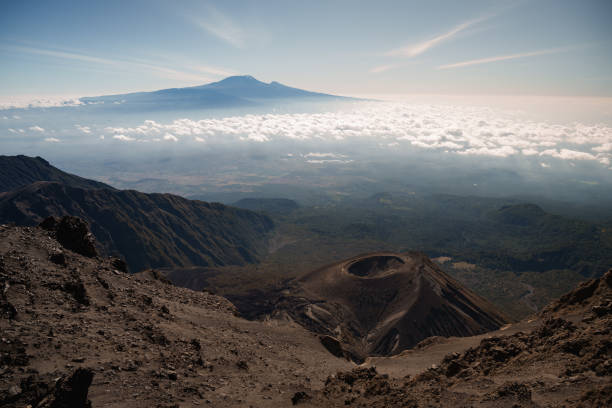
Hiking Mount Meru in rainy season explained in detail. Discover safety tips, weather conditions, gear needs, and expert advice from Nabak Safaris and Tours
Is Hiking Mount Meru in Rainy Season Worth It?
Hiking Mount Meru in rainy season is one of the most misunderstood trekking experiences in Tanzania. Many travelers assume that rain automatically makes trekking dangerous or unpleasant. However, this is not entirely true. While the rainy season presents unique challenges, it also offers some of the most beautiful and rewarding moments on the mountain.
Located in Arusha National Park, Mount Meru stands at 4,566 meters and is the second-highest mountain in Tanzania. It is famous for its diverse ecosystems, wildlife encounters, and stunning views of Mount Kilimanjaro from the summit.
Choosing hiking Mount Meru in rainy season requires proper planning, awareness, and the right expectations. At Nabak Safaris and Tours, we guide trekkers year-round and understand how to safely manage rainy season conditions for an unforgettable experience.
Understanding the Rainy Season in Mount Meru
Before deciding on hiking Mount Meru in rainy season, it is important to understand the climate patterns.
Main Rainy Periods in Tanzania
- Long rains: March to May
- Short rains: November to early December
During these months, the mountain experiences:
- Frequent rainfall (especially in forest zones)
- Increased humidity
- Slippery trails
- Reduced visibility in higher altitudes
However, rain does not fall constantly all day. Most days include:
- Morning or afternoon showers
- Clear intervals with sunshine
- Dramatic cloud formations
👉 This means hiking Mount Meru in rainy season is still possible with proper timing.
Why Some Trekkers Choose Rainy Season Hiking
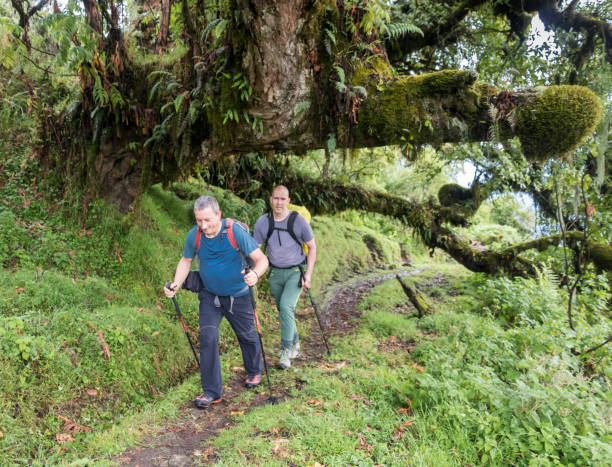
Despite challenges, many experienced trekkers prefer hiking Mount Meru in rainy season for unique reasons.
1. Fewer Crowds
The mountain is less crowded, offering a more peaceful and private experience.
2. Lush Green Landscapes
Rain transforms the forest into a vibrant, green paradise with waterfalls and fresh vegetation.
3. Better Wildlife Activity
Animals in Arusha National Park are more active due to water availability.
4. Cooler Temperatures
Compared to dry season heat, the rainy season offers cooler trekking conditions.
Quick Summary: Hiking Mount Meru in Rainy Season
- ✔ Possible but requires preparation
- ✔ Trails are slippery and muddy
- ✔ Visibility can be limited at higher altitude
- ✔ Scenery is greener and more beautiful
- ✔ Fewer tourists on the mountain
- ✔ Proper gear is essential
What Makes Rainy Season Trekking Challenging
Hiking Mount Meru in rainy season introduces specific challenges that trekkers must understand.
1. Slippery Trails
Rainforest sections become muddy and slippery, increasing risk of falls.
2. Wet Conditions
Clothing, boots, and gear can get wet if not properly protected.
3. Limited Visibility
Fog and clouds may reduce visibility, especially near the summit.
4. Increased Physical Effort
Walking through mud requires more energy than dry trails.
Comparison: Rainy Season vs Dry Season Trekking
| Factor | Rainy Season | Dry Season |
|---|---|---|
| Trail Condition | Muddy & slippery | Dry & stable |
| Scenery | Lush & green | Dry but clear |
| Crowd Level | Low | High |
| Visibility | Variable | Clear |
| Difficulty | Higher | Moderate |
| Experience | Adventurous | Comfortable |
👉 This comparison shows that hiking Mount Meru in rainy season is more challenging but also more adventurous.
Expert Insight from Nabak Safaris and Tours
From our guiding experience, we have learned that success in hiking Mount Meru in rainy season depends on mindset and preparation.
Trekkers who succeed usually:
- Accept wet conditions as part of the adventure
- Follow guide instructions carefully
- Use proper waterproof gear
- Maintain a slow and steady pace
Trekkers who struggle often:
- Underestimate trail difficulty
- Pack inadequate gear
- Expect dry-season conditions
Why Guided Tours Are More Important in Rainy Season
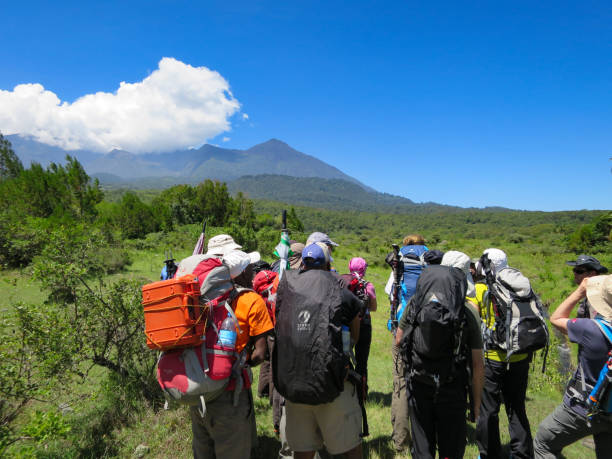
During rainy conditions, guided trekking becomes even more important.
Guides help with:
- Safe route navigation in slippery areas
- Weather timing decisions
- Emergency response
- Proper pacing on difficult terrain
At Nabak Safaris and Tours, we adjust itineraries based on weather conditions to ensure safety and comfort.
Psychological Preparation for Rainy Season Trekking
Hiking Mount Meru in rainy season is not just physical—it is mental.
You must be ready for:
- Wet clothing at times
- Muddy trails
- Changing weather
- Unexpected conditions
👉 The right mindset transforms these challenges into a memorable adventure.
Complete Preparation, Gear Guide & Deep Safety Strategy
When it comes to hiking Mount Meru in rainy season, preparation is not just important—it is the difference between an enjoyable adventure and a difficult, exhausting experience. Unlike the dry season, where conditions are more predictable, rainy season trekking introduces constant environmental changes that demand adaptability.
Located in Arusha National Park, Mount Meru presents diverse ecosystems ranging from dense rainforest to alpine desert. During the rainy season, each of these zones behaves differently, requiring specific preparation strategies.
At Nabak Safaris and Tours, we emphasize that proper gear, physical readiness, and mental preparation are the foundation of safe and successful rainy season trekking.
Understanding Rain Impact on Trekking Conditions
Before discussing gear, it is important to understand how rain affects the mountain.
1. Rainforest Zone (Lower Slopes)
- Heavy rainfall
- Muddy and slippery trails
- High humidity
2. Mid-Zone (Moorland Area)
- Intermittent rain
- Strong winds
- Wet vegetation
3. Summit Zone
- Cold temperatures
- Possible light snow or frost
- Strong wind exposure
👉 This variation makes hiking Mount Meru in rainy season more complex than dry season trekking.
Complete Gear Checklist for Rainy Season Trekking
Having the right gear is critical. Poor gear leads to discomfort, fatigue, and increased risk.
1. Waterproof Clothing System (Layering Strategy)
Layering is the most important principle when hiking Mount Meru in rainy season.
Base Layer
- Moisture-wicking shirt
- Keeps sweat away from body
Mid Layer
- Fleece or insulated jacket
- Provides warmth in cold zones
Outer Layer (Most Important)
- Waterproof jacket (high-quality)
- Waterproof pants
👉 Cheap rain gear often fails under continuous rain—invest in durable waterproof materials.
2. Footwear: The Most Critical Gear
Your boots are your most important equipment.
Recommended Features
- Waterproof hiking boots
- Strong grip for muddy trails
- Ankle support
Additional Items
- Gaiters (to prevent mud entering boots)
- Extra socks (at least 3–4 pairs)
👉 During hiking Mount Meru in rainy season, wet feet are one of the main causes of discomfort and blisters.
3. Backpack Protection
Rain can damage essential items if not properly protected.
Must-Have Items
- Waterproof backpack cover
- Dry bags for clothes and electronics
- Zip-lock bags for documents
4. Sleeping Gear
Even though accommodation is in huts, nights can be cold and damp.
- Warm sleeping bag (rated below 0°C)
- Sleeping liner for extra warmth
- Dry change of clothes for night
5. Accessories for Rainy Season
- Trekking poles (essential for slippery terrain)
- Headlamp (for low visibility conditions)
- Gloves and warm hat
- Sunglasses (for clear summit days)
- Microfiber towel (quick drying)
Comparison: Rainy Season Gear vs Dry Season Gear
| Gear Category | Rainy Season | Dry Season |
|---|---|---|
| Waterproof Jacket | Essential | Optional |
| Trekking Poles | Highly recommended | Recommended |
| Gaiters | Important | Not necessary |
| Extra Socks | Critical | Moderate need |
| Backpack Cover | Essential | Optional |
| Clothing Layers | Flexible & waterproof | Light layers |
👉 This highlights why hiking Mount Meru in rainy season requires more specialized gear.
Physical Preparation for Rainy Season Trek
Rain increases difficulty, so fitness preparation becomes more important.
Training Focus Areas
- Leg strength (for muddy uphill walking)
- Balance training (for slippery surfaces)
- Endurance (longer effort due to slower pace)
Recommended Exercises
- Hiking on uneven terrain
- Stair climbing
- Core stability workouts
Mental Preparation: The Hidden Factor
Many trekkers underestimate the psychological aspect of hiking Mount Meru in rainy season.
You must be prepared for:
- Walking in rain for hours
- Wet and muddy conditions
- Changing weather moods
👉 A positive mindset is just as important as physical strength.
Food & Hydration Strategy
Rainy conditions affect hydration and appetite.
Hydration Tips
- Drink warm water when possible
- Carry insulated bottles
- Drink regularly even if not thirsty
Nutrition Tips
- High-energy snacks (nuts, chocolate, energy bars)
- Warm meals for energy recovery
Safety Strategy for Rainy Season Trekking
Key Safety Tips
- Walk slowly to avoid slipping
- Use trekking poles for balance
- Avoid rushing downhill
- Follow guide instructions strictly
Common Mistakes to Avoid
- Wearing non-waterproof shoes
- Packing cotton clothing (absorbs water)
- Ignoring early fatigue
Real Trek Experience, Daily Challenges & On-Mountain Safety Strategies
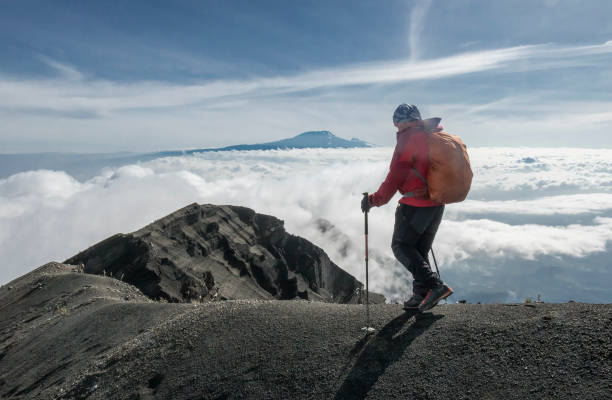
Understanding preparation is important, but the real test begins once you are actually hiking Mount Meru in rainy season. This is where expectations meet reality. Conditions can shift quickly, and each day presents a new combination of terrain, weather, and physical demands.
Inside Arusha National Park, Mount Meru offers a trekking experience that is both raw and beautiful during the rainy season. The mountain becomes quieter, greener, and more dramatic—but also more demanding.
At Nabak Safaris and Tours, we guide trekkers through these real conditions, helping them adapt day by day while maintaining safety and progress toward the summit.
Day-by-Day Trekking Experience in Rainy Season
Day 1: Entry Through the Rainforest Zone
The trek usually begins in the lower forest of Arusha National Park, where rain is most frequent.
What to Expect
- Heavy humidity
- Muddy and slippery trails
- Dense vegetation
- Active wildlife sightings
Challenges
- Shoes getting wet early
- Slower walking pace due to mud
- Increased energy use
Safety Strategy
- Walk slowly (“pole pole”)
- Use trekking poles for stability
- Keep rain gear easily accessible
👉 This is where many trekkers first realize that hiking Mount Meru in rainy season requires patience.
Day 2: Transition to Moorland Zone
As you move higher, the forest opens into moorland.
What to Expect
- Less dense vegetation
- Intermittent rainfall
- Wind exposure
- Expanding views when clouds clear
Challenges
- Wind combined with rain causing cold conditions
- Wet clothing leading to discomfort
- Reduced visibility due to fog
Safety Strategy
- Adjust layers frequently
- Keep moving to stay warm
- Protect electronics and dry gear
Day 3: Summit Attempt (The Most Critical Day)
Summit night is the most demanding part of hiking Mount Meru in rainy season.
What to Expect
- Very cold temperatures
- Strong winds
- Possible light rain or fog
- Narrow ridges near the summit
Challenges
- Slippery volcanic terrain
- Limited visibility
- Fatigue combined with altitude
Safety Strategy
- Follow guide closely at all times
- Use headlamp effectively
- Maintain slow, steady breathing
- Avoid rushing on ridges
👉 This is where guided support becomes extremely valuable.
Daily Challenges of Hiking Mount Meru in Rainy Season
1. Constant Moisture Exposure
Clothing, boots, and gear are frequently exposed to moisture.
2. Slippery Terrain
Mud and wet rocks increase risk of slipping.
3. Changing Weather Patterns
Rain, fog, and sunshine can all occur within hours.
4. Increased Physical Effort
Walking in mud requires more energy than dry trails.
Comparison: Rainy Season vs Dry Season Trek Experience
| Factor | Rainy Season Experience | Dry Season Experience |
|---|---|---|
| Trail Difficulty | High (muddy) | Moderate |
| Weather Stability | Unpredictable | Stable |
| Visibility | Variable | Clear |
| Physical Effort | Higher | Moderate |
| Scenic Beauty | Lush & green | Dry but wide views |
| Crowd Level | Low | High |
👉 This shows that hiking Mount Meru in rainy season is more demanding but also more unique.
On-Mountain Safety Rules
Safety is critical when dealing with wet and unpredictable conditions.
Essential Rules
- Always follow guide instructions
- Maintain safe distance between trekkers
- Avoid rushing downhill
- Use trekking poles consistently
- Keep hydrated despite cold weather
Wildlife Encounters During Rainy Season
Because of increased water availability, wildlife activity increases in Arusha National Park.
Common Sightings
- Buffaloes
- Monkeys
- Giraffes in lower areas
Safety Guidelines
- Stay with the group
- Never approach animals
- Follow ranger instructions immediately
👉 Wildlife adds beauty but also requires caution during hiking Mount Meru in rainy season.
Mental Strength & Motivation
Rainy season trekking tests mental endurance.
Common Mental Challenges
- Feeling uncomfortable in wet conditions
- Slower progress than expected
- Reduced visibility
How to Stay Motivated
- Focus on small milestones
- Appreciate unique scenery
- Trust the trekking process
👉 Strong mindset is essential for success.
Emergency Situations & Response
Possible Emergencies
- Slips and minor injuries
- Altitude sickness
- Extreme weather exposure
Response Strategy
- Immediate guide assessment
- First aid support
- Decision to continue or descend
Guided teams from Nabak Safaris and Tours are trained to manage these situations efficiently
A Professional Perspective on Rainy Season Trekking
At a professional level, hiking Mount Meru in rainy season is not simply about endurance—it is about strategic planning, environmental awareness, and informed decision-making. While many trekking guides provide general advice, a successful rainy season climb requires a deeper understanding of mountain behavior, risk management, and adaptive trekking techniques.
Situated within Arusha National Park, Mount Meru presents a controlled yet dynamic trekking environment. The presence of wildlife, rapidly shifting weather systems, and steep volcanic terrain makes professional guidance essential, especially during the rainy months.
At Nabak Safaris and Tours, our approach is rooted in safety-first principles, operational experience, and client-centered trekking strategies. This final section delivers a refined, professional overview to help you make confident decisions.
Professional Summary: Key Principles for Success
From a professional trekking standpoint, the success of hiking Mount Meru in rainy season depends on five core principles:
1. Environmental Adaptability
Trekkers must be prepared to adjust to:
- Rainfall intensity
- Temperature changes
- Visibility fluctuations
Adaptability reduces stress and increases safety.
2. Technical Preparation
This includes:
- Proper waterproof gear
- Reliable footwear
- Efficient packing systems
Professional trekkers understand that equipment quality directly impacts performance.
3. Guided Risk Management
Professional guides provide:
- Real-time decision making
- Terrain risk assessment
- Weather interpretation
This is one of the most critical differences between successful and failed treks.
4. Controlled Pace Strategy
Maintaining a steady pace prevents:
- Fatigue
- Slips on wet terrain
- Altitude-related complications
5. Psychological Resilience
Mental strength is essential when dealing with:
- Continuous rain exposure
- Slower progress
- Changing expectations
👉 These principles define a professional approach to hiking Mount Meru in rainy season.
Advanced Comparison: Professional vs Unprepared Trekker
| Factor | Professional Trekker | Unprepared Trekker |
|---|---|---|
| Gear Quality | High-performance | Basic or inadequate |
| Decision Making | Strategic | Reactive |
| Safety Awareness | High | Limited |
| Adaptability | Strong | Low |
| Success Rate | High | Uncertain |
👉 This comparison highlights why preparation and guidance are critical.
Frequently Asked Questions (FAQs)
1. Is hiking Mount Meru in rainy season safe?
Yes, it is safe when done with proper preparation and professional guidance. Risks increase only when trekkers underestimate conditions or ignore safety protocols.
2. Do I need a professional guide during rainy season?
Yes, it is highly recommended. Guides help navigate slippery terrain, manage weather risks, and ensure overall safety throughout the trek.
3. What is the biggest challenge during rainy season trekking?
The main challenges include:
- Muddy and slippery trails
- Constant moisture exposure
- Reduced visibility
These challenges require both physical and mental preparation.
4. Is the summit still achievable during rainy season?
Yes. Many trekkers successfully reach the summit during rainy months, especially with proper pacing and guidance from experienced teams like Nabak Safaris and Tours.
5. What makes rainy season trekking unique?
- Fewer crowds
- Greener landscapes
- Enhanced wildlife activity in Arusha National Park
- More adventurous experience
Final Checklist: Professional Readiness for Rainy Season Trek
Before starting your journey, ensure the following:
Essential Equipment
- Waterproof jacket and pants
- High-quality hiking boots
- Trekking poles
- Dry bags and backpack cover
Physical Preparation
- Cardio training
- Leg strength conditioning
- Balance exercises
Mental Preparation
- Acceptance of wet conditions
- Patience with slower pace
- Positive mindset
Customer Guidance: Booking with Nabak Safaris and Tours
Choosing the right operator is critical when planning hiking Mount Meru in rainy season.
Why Choose Nabak Safaris and Tours
- Experienced local mountain guides
- Strong safety protocols
- Flexible itineraries based on weather
- Full logistical support
- Personalized trekking experience
We ensure that every trekker is:
- Properly prepared
- Fully supported
- Guided safely to the summit
External Insight (Professional Standards)
Globally accepted trekking standards recommend:
- Guided trekking in high-risk environments
- Use of technical gear in wet conditions
- Structured acclimatization plans
These standards align directly with best practices for hiking Mount Meru in rainy season.
Final Recommendation
From a professional standpoint:
👉 Hiking Mount Meru in rainy season is highly rewarding—but only when approached correctly.
It is ideal for trekkers who:
- Seek adventure beyond standard conditions
- Are prepared for physical and mental challenges
- Value unique and less crowded experiences
Final Conclusion
In conclusion, hiking Mount Meru in rainy season offers a distinctive trekking experience defined by lush landscapes, fewer crowds, and a deeper connection with nature. However, it also demands a higher level of preparation, awareness, and adaptability.
With expert support from Nabak Safaris and Tours, trekkers can confidently navigate these conditions, transforming potential challenges into unforgettable momen
About the Author
