
Discover how safari tourism supports local community development in Tanzania through jobs, education, conservation, and cultural preservation. Learn the real impact of tourism around Serengeti National Park and other wildlife areas while promoting sustainable travel experiences.
INTRODUCTION
Understanding how safari tourism supports local community is essential for appreciating the true value of wildlife tourism in Tanzania. Beyond game drives and wildlife viewing in destinations like Serengeti National Park, safari tourism plays a critical role in improving the lives of people living near protected areas. Many travelers only see animals during safaris, but behind every safari experience is a strong network of local communities that benefit directly and indirectly.
This article explains in depth how safari tourism supports local community development through employment, education, conservation funding, and cultural exchange. It also highlights how responsible tourism practices ensure that the benefits of tourism reach people at the grassroots level while protecting Tanzania’s natural heritage.
Economic Impact – How Safari Tourism Supports Local Community Income
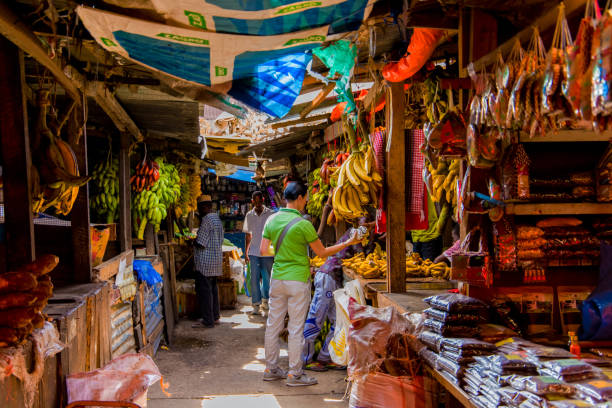
Stone Town, Zanzibar, Tanzania. 27 March 2018. Food market in the capital of tanzania, Stone Town. People sell fresh vegetables lying on the counter
One of the most important ways how safari tourism supports local community development is through direct and indirect economic benefits. Tourism is one of Tanzania’s largest sources of foreign income, and a significant portion of this revenue flows into communities living near national parks.
Local employment is a major outcome of how safari tourism supports local community livelihoods. Many people are employed as safari guides, drivers, hotel staff, cooks, cleaners, and park rangers. These jobs provide stable income and improve living standards for families in rural areas. Without safari tourism, many of these employment opportunities would not exist.
Another key aspect of how safari tourism supports local community income is through small business growth. Local artisans, souvenir sellers, food vendors, and cultural performers all benefit from tourist spending. Visitors often purchase handmade crafts or participate in cultural experiences, directly contributing to household income.
Infrastructure development is also influenced by how safari tourism supports local community progress. Roads, schools, and healthcare facilities in tourism regions are often improved using revenue generated from park fees and tourism taxes. This helps remote communities gain access to essential services they previously lacked.
In areas surrounding major parks like Ngorongoro Crater, tourism revenue-sharing programs ensure that a portion of park income is returned to local communities. This is a clear example of how safari tourism supports local community development at a structural level.
Overall, economic empowerment is one of the strongest answers to how safari tourism supports local community well-being, creating long-term financial stability and reducing poverty in rural Tanzania.
Social & Cultural Benefits – How Safari Tourism Supports Local Community Identity
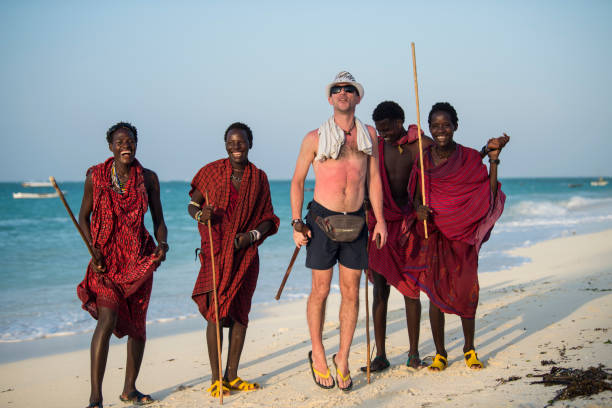
Zanzibar, Tanzania – January 02,2019: Masai warriors dressed in traditional clothes on sand beach of Zanzibar island.
Another important dimension of how safari tourism supports local community development is through cultural preservation and social empowerment. Tourism provides opportunities for communities to share their traditions, languages, and lifestyles with international visitors.
Cultural tourism experiences such as Maasai village visits are a strong example of how safari tourism supports local community identity. These interactions allow communities to showcase traditional dances, clothing, and rituals while earning income from cultural exchange programs. This not only preserves culture but also makes it economically valuable.
Education is another major benefit of how safari tourism supports local community growth. Many tourism companies and conservation organizations invest in schools, scholarships, and training programs for children and youth living near wildlife areas. This helps improve literacy rates and future job opportunities.
Healthcare access is also improved through how safari tourism supports local community welfare. Tourism revenue is often used to build clinics, support medical outreach programs, and provide essential healthcare services in remote regions.
Additionally, tourism helps promote gender inclusion. Women in local communities are increasingly involved in tourism-related businesses such as handicrafts, catering, and cultural performances. This demonstrates how safari tourism supports local community empowerment, especially for women and youth.
By encouraging cultural exchange and social investment, safari tourism ensures that communities are not only participants but also beneficiaries of the tourism industry.
Conservation & Wildlife Protection – How Safari Tourism Supports Local Community Environment

King of the jungle
A critical part of understanding how safari tourism supports local community development is its role in wildlife conservation. Communities living near protected areas are directly involved in preserving ecosystems and protecting endangered species.
Revenue from tourism helps fund conservation programs in parks such as Serengeti National Park. This ensures that wildlife populations are monitored and protected from threats like poaching. In return, communities benefit from the long-term survival of natural resources.
Anti-poaching initiatives are a strong example of how safari tourism supports local community environmental protection. Many local residents are employed as wildlife rangers, helping to protect animals while earning a stable income. This reduces illegal hunting and strengthens conservation efforts.
Environmental education is also an important factor in how safari tourism supports local community awareness. Many programs teach communities about the importance of biodiversity, ecosystem balance, and sustainable land use.
Tourism also encourages sustainable resource management. Instead of relying on activities that damage the environment, communities are encouraged to participate in eco-friendly tourism initiatives, showing how safari tourism supports local community sustainability.
Challenges and Long-Term Sustainability of Community Benefits
While how safari tourism supports local community development is highly positive, there are also challenges that must be addressed to ensure long-term sustainability.
One challenge is unequal distribution of tourism benefits. In some cases, not all community members benefit equally, which can create tension. Improving transparency is essential for strengthening how safari tourism supports local community fairness.
Another challenge is environmental pressure from increasing tourism numbers. If not managed properly, this can lead to habitat degradation. Sustainable tourism planning is therefore essential in ensuring how safari tourism supports local community conservation goals.
There is also the challenge of overdependence on tourism. Communities that rely too heavily on tourism income may be vulnerable during low travel seasons or global disruptions. Diversification is important for strengthening how safari tourism supports local community resilience.
Despite these challenges, strong policies from organizations such as Tanzania National Parks Authority help ensure that tourism remains sustainable and beneficial for communities.
COMPARISON TABLE: Community Impact of Safari Tourism
| Aspect | Positive Impact | Challenge |
|---|---|---|
| Employment | High job creation | Seasonal jobs |
| Education | School funding | Unequal access |
| Conservation | Wildlife protection | Human-wildlife conflict |
| Income | Local business growth | Dependency risk |
QUICK SUMMARY
How safari tourism supports local community development in Tanzania includes job creation, cultural preservation, conservation funding, and infrastructure development. It benefits communities around major parks like Ngorongoro Crater and Serengeti by improving livelihoods and protecting natural heritage.
FREQUENTLY ASKED QUESTIONS (FAQs)
Q1: How does safari tourism support local community income?
Through jobs, business opportunities, and tourism revenue sharing.
Q2: Does tourism help local education?
Yes, many schools are funded by tourism-related income.
Q3: How does tourism help conservation?
It funds anti-poaching efforts and wildlife protection programs.
Q4: Are local communities involved in tourism?
Yes, many work as guides, artisans, and cultural hosts
About the Author
