
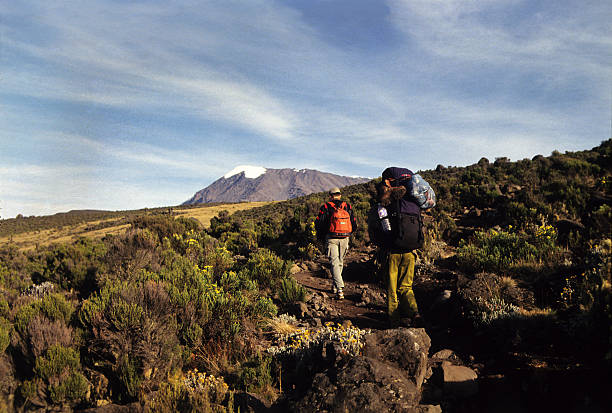
Learn how to climb Mount Kilimanjaro with this complete beginner’s guide. Discover routes, preparation tips, costs, fitness advice, and expert insights from Nabak Safaris and Tours.
Quick Summary
- Beginner-friendly guide on how to climb Mount Kilimanjaro
- Overview of routes, preparation, and difficulty levels
- Essential fitness and training advice
- Safety and altitude sickness awareness
- Expert tips from Nabak Safaris and Tours
Introduction: Understanding Kilimanjaro for Beginners
Learning how to climb Mount Kilimanjaro is one of the most exciting goals for adventure travelers worldwide. The Mount Kilimanjaro stands at 5,895 meters and is the highest free-standing mountain in the world. Unlike many other peaks, Kilimanjaro does not require technical climbing skills, making it accessible to beginners who are well prepared.
However, simplicity does not mean it is easy. Many beginners underestimate the physical demands, altitude challenges, and preparation required. That is why understanding how to climb Mount Kilimanjaro properly is essential before attempting the trek.
At Nabak Safaris and Tours, we guide beginners step-by-step to ensure they understand every part of the journey—from preparation to summit success. This guide explains everything you need to know about how to climb Mount Kilimanjaro safely and successfully.
Why Kilimanjaro Is Perfect for Beginners
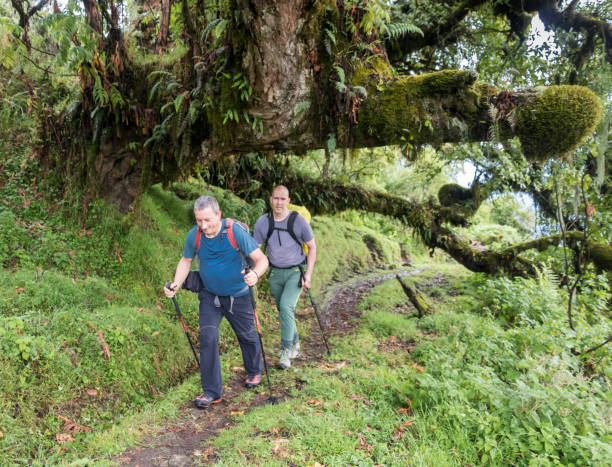
One of the reasons many travelers search for how to climb Mount Kilimanjaro is because it is considered the most beginner-friendly high mountain in the world.
Reasons include:
- No technical climbing equipment required
- Well-established trekking routes
- Professional guide support is mandatory
- Gradual altitude gain options available
Even though it is beginner-friendly, knowing how to climb Mount Kilimanjaro correctly is still critical to avoid altitude sickness and exhaustion.
Overview of the Climbing Experience
A typical Kilimanjaro climb involves trekking through five ecological zones:
- Cultivated zone
- Rainforest zone
- Moorland zone
- Alpine desert zone
- Arctic summit zone
Understanding these zones is an important part of learning how to climb Mount Kilimanjaro, because each stage presents different challenges and weather conditions.
Most climbs take between 6 to 8 days depending on the route chosen. The longer the climb, the higher the success rate.
Main Routes for Beginners
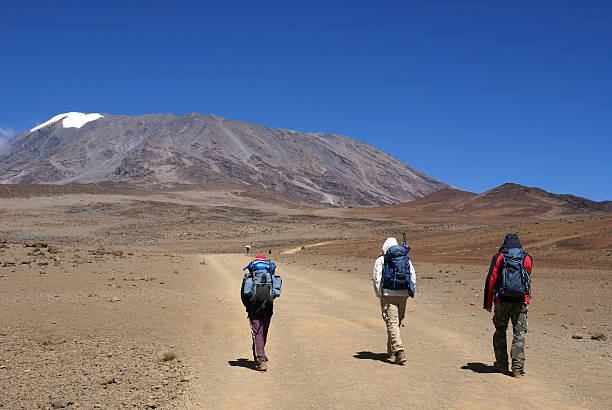
Climbing the Kilimanjaro Mountain
A key part of learning how to climb Mount Kilimanjaro is choosing the right route. Some routes are more beginner-friendly than others.
1. Marangu Route
- Hut accommodation
- Shorter duration
- Lower success rate due to fast ascent
2. Machame Route
- Scenic and popular
- Better acclimatization
- Recommended for beginners
3. Lemosho Route
- Best for beginners
- Gradual ascent
- High success rate
4. Rongai Route
- Less crowded
- Gentle slope
- Good for first-time climbers
Choosing the right route is one of the most important decisions in how to climb Mount Kilimanjaro successfully.
Fitness Requirements for Beginners
You do not need to be an athlete to learn how to climb Mount Kilimanjaro, but basic fitness is important.
Recommended preparation includes:
- Regular walking or hiking
- Stair climbing exercises
- Light jogging or cardio
- Strength training for legs
Training at least 6–8 weeks before the climb increases your chances of success significantly.
Bullet Points: Beginner Preparation Tips
If you want to understand how to climb Mount Kilimanjaro successfully, follow these key tips:
- Start physical training early
- Practice long-distance walking
- Wear hiking boots before the trip
- Stay hydrated during training
- Avoid smoking and alcohol
- Learn about altitude sickness
- Choose longer routes for better acclimatization
These are essential foundations for beginners.
Understanding Altitude Sickness
A major part of learning how to climb Mount Kilimanjaro is understanding altitude sickness.
Symptoms include:
- Headaches
- Nausea
- Dizziness
- Fatigue
Prevention strategies:
- Climb slowly
- Drink plenty of water
- Choose longer routes
- Listen to your guide
Proper planning reduces risks significantly.
Role of Professional Guides
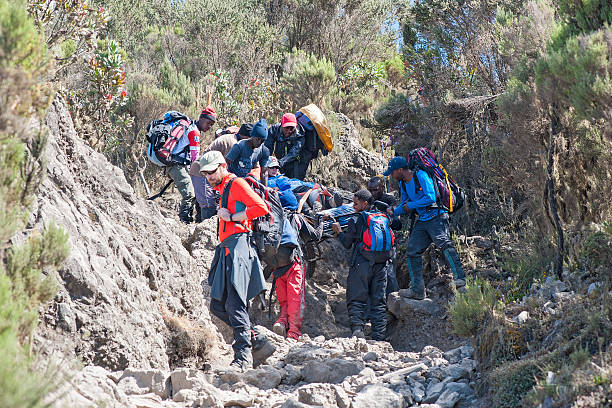
Kilimanjaro, Tanzania – October 9, 2012: A large group of local porters and mountain guides is pulling, pushing and carrying a one-wheeled emergency gurney down the Mweke Route of Mt. Kilimanjaro. On the gurney there is an injured female climber with has to be evacuated from the mountain. In front of the group there is another western tourist visible who stays with the injured women. This type of gurney is the only rescue equipment which is used to rescue injured climbers on Kilimanjaro.
When learning how to climb Mount Kilimanjaro, professional guidance is not optional—it is required.
At Nabak Safaris and Tours, our guides:
- Monitor your health daily
- Adjust pace based on group performance
- Provide safety instructions
- Handle emergencies
This support is crucial for beginners.
External Travel Safety Insight
For global trekking and altitude safety standards, organizations like World Health Organization provide guidelines on altitude-related health risks.
These principles align with safe practices on how to climb Mount Kilimanjaro.
Common Beginner Mistakes
Many first-time climbers fail because they:
- Rush the ascent
- Ignore hydration
- Choose short routes
- Underestimate altitude
- Lack proper gear
Avoiding these mistakes is key when learning how to climb Mount Kilimanjaro.
Why Choose Nabak Safaris and Tours
We specialize in guiding beginners on how to climb Mount Kilimanjaro safely by offering:
- Expert mountain guides
- Proper acclimatization planning
- Safety-first approach
- Personalized itineraries
- Full logistical support
Our goal is to make your first climb successful and memorable.
Learning how to climb Mount Kilimanjaro starts with proper preparation, route selection, and understanding the mountain environment. With the right guidance, even beginners can successfully reach the summit.
Nabak Safaris and Tours ensures you are fully prepared for every stage of your journey.
About the Author
