
Is Mount Kilimanjaro safe for tourists? Discover safety tips, risks, and expert guidance from Nabak Safaris and Tours for a secure and safe climb.
Introduction
Is Mount Kilimanjaro safe for tourists? This is one of the most frequently asked questions by travelers planning to climb Africa’s highest peak. Rising to 5,895 meters, Mount Kilimanjaro attracts thousands of climbers every year, from beginners to experienced trekkers. While the mountain is considered one of the most accessible high-altitude climbs in the world, safety remains a top priority.
The good news is that Mount Kilimanjaro is generally safe for tourists when climbed with proper preparation, professional guidance, and awareness of potential risks. At Nabak Safaris and Tours, we have guided hundreds of climbers successfully to the summit by focusing on safety, planning, and expert support.
This guide answers the question “Is Mount Kilimanjaro safe for tourists?” in detail, covering real risks, safety measures, and expert insights. Whether you are a first-time climber or planning your second attempt, understanding safety on Kilimanjaro is essential.
Is Mount Kilimanjaro Safe for Tourists?
The simple answer is yes—Mount Kilimanjaro is safe for tourists. However, like any high-altitude adventure, it comes with challenges that must be managed properly.
The keyword “Is Mount Kilimanjaro safe for tourists” reflects a real concern, and this guide explains why the mountain is considered safe when approached correctly.
Why Kilimanjaro is Considered Safe
- No technical climbing skills required
- Well-established trekking routes
- Professional guides and porters available
- Strong tourism infrastructure
These factors make Kilimanjaro one of the safest high mountains to climb.
Understanding the Real Risks
To fully answer “Is Mount Kilimanjaro safe for tourists,” it’s important to understand the actual risks involved.
1. Altitude Sickness (Main Risk)
Altitude sickness is the biggest challenge on Mount Kilimanjaro. As you ascend, oxygen levels decrease, which can affect your body.
Symptoms include:
- Headache
- Nausea
- Fatigue
The key to managing this risk is proper acclimatization, which is a core part of every Nabak Safaris and Tours itinerary.
2. Weather Conditions
Weather can change rapidly on Kilimanjaro. Climbers experience:
- Rain in lower zones
- Cold temperatures at higher altitudes
- Strong winds near the summit
Despite these conditions, the mountain remains safe for tourists who are well-prepared.
3. Physical Fitness Challenges
Climbing Kilimanjaro is a trek, not a technical climb, but it still requires endurance.
The question “Is Mount Kilimanjaro safe for tourists” often depends on fitness level. With proper preparation, most people can complete the climb safely.
4. Trail Conditions
Trails can be:
- Muddy during rainy seasons
- Rocky at higher elevations
Professional guides help navigate these safely.
How Nabak Safaris and Tours Ensures Safety
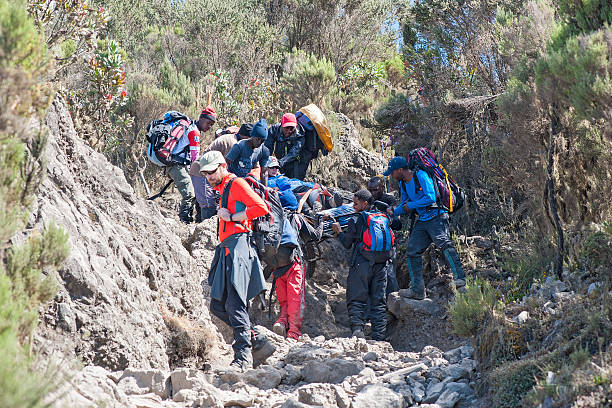
Kilimanjaro, Tanzania – October 9, 2012: A large group of local porters and mountain guides is pulling, pushing and carrying a one-wheeled emergency gurney down the Mweke Route of Mt. Kilimanjaro. On the gurney there is an injured female climber with has to be evacuated from the mountain. In front of the group there is another western tourist visible who stays with the injured women. This type of gurney is the only rescue equipment which is used to rescue injured climbers on Kilimanjaro.
At Nabak Safaris and Tours, safety is our top priority. We go beyond basic requirements to ensure every climber is protected.
Our Safety Approach
- Experienced and certified guides
- Daily health monitoring
- Emergency evacuation plans
- Proper acclimatization schedules
By following these practices, we ensure that Mount Kilimanjaro is safe for tourists who climb with us.
For additional safety standards, organizations like the International Climbing and Mountaineering Federation provide guidelines on high-altitude trekking safety. These global standards support the idea that Kilimanjaro is safe when climbed responsibly.
Bullet Point Highlights
- Mount Kilimanjaro is safe for tourists with proper preparation
- Altitude sickness is the main risk
- Weather conditions require planning
- Professional guides improve safety
- Nabak Safaris and Tours prioritizes climber well-being
Quick Summary
So, is Mount Kilimanjaro safe for tourists? Yes—when climbed with the right preparation, guidance, and awareness. The mountain offers a non-technical climb, making it accessible to many travelers.
By understanding risks like altitude sickness and weather changes, and by choosing experienced operators like Nabak Safaris and Tours, climbers can enjoy a safe and unforgettable experience.
Deep Risk Analysis: Is Mount Kilimanjaro Safe for Tourists?
To fully answer the question “Is Mount Kilimanjaro safe for tourists”, it’s important to go beyond a simple yes or no and examine each risk in detail. While Mount Kilimanjaro is considered one of the safest high-altitude mountains, safety depends on how well climbers understand and manage the risks.
The phrase “Is Mount Kilimanjaro safe for tourists” often comes from concerns about altitude, weather, and physical ability. In reality, these risks are manageable with proper planning, professional guidance, and awareness.
1. Altitude Sickness: The Most Critical Factor
Altitude sickness is the primary reason why people question, “Is Mount Kilimanjaro safe for tourists?” At high elevations, oxygen levels decrease, making it harder for the body to function normally.
Why Altitude Matters
At sea level, oxygen levels are stable. However, at the summit of Kilimanjaro:
- Oxygen is nearly 50% lower
- Breathing becomes more difficult
- جسم fatigue increases
This is why the “Is Mount Kilimanjaro safe for tourists” discussion always includes altitude adaptation.
Types of Altitude Sickness
- Mild (AMS) → Headache, dizziness
- Moderate → Nausea, weakness
- Severe (HAPE/HACE) → Serious, requires descent
The good news is that most cases are mild and manageable. The “Is Mount Kilimanjaro safe for tourists” answer remains positive when proper acclimatization is followed.
How to Stay Safe
- Climb slowly (“pole pole”)
- Take acclimatization days
- Stay hydrated
- Listen to your guide
Nabak Safaris and Tours includes all these safety measures in every itinerary.
2. Weather Risks and Seasonal Impact
Weather is another key factor when evaluating “Is Mount Kilimanjaro safe for tourists.” The mountain has multiple climate zones, meaning you experience different weather conditions during the climb.
Weather Challenges
- Rain in lower zones
- Cold temperatures above 4,000m
- Strong winds near the summit
Despite these conditions, the “Is Mount Kilimanjaro safe for tourists” answer remains yes—if climbers are properly equipped.
Seasonal Safety Breakdown
Dry Seasons (Best Conditions)
- January to March
- June to October
During these months, the “Is Mount Kilimanjaro safe for tourists” answer is strongest due to stable weather and clear skies.
Rainy Seasons (More Challenging)
- March to May
- November
Trails become slippery, and visibility decreases. However, with experienced guides, Kilimanjaro is still safe for tourists.
3. Physical Fitness and Mental Preparation
Another major concern behind “Is Mount Kilimanjaro safe for tourists” is whether climbers are physically capable.
Reality Check
- You don’t need technical climbing skills
- You need endurance and determination
- Mental strength is just as important as physical fitness
The “Is Mount Kilimanjaro safe for tourists” question often depends on preparation rather than ability.
Recommended Fitness Level
- Ability to walk 6–8 hours daily
- Basic cardiovascular fitness
- Prior hiking experience (helpful but not required)
With proper training, most אנשים can safely climb Kilimanjaro.
4. Route Selection and Safety
Different routes offer different levels of safety. The “Is Mount Kilimanjaro safe for tourists” answer improves when choosing the right route.
Safer Routes
- Longer routes allow better acclimatization
- Less crowded routes reduce stress
- Scenic routes improve overall experience
Nabak Safaris and Tours recommends routes based on safety, not just speed.
Mount Kilimanjaro Safety Comparison Table
| Factor | Low Risk Situation | High Risk Situation | Safety Recommendation |
|---|---|---|---|
| Altitude | Slow ascent | Rapid ascent | Follow acclimatization plan |
| Weather | Dry season | Heavy rain | Choose best season |
| Fitness | Prepared climber | Untrained climber | Train before climb |
| Gear | Proper equipment | Poor gear | Invest in quality gear |
| Guidance | Professional guides | No guide | Always climb with experts |
This table helps clarify the answer to “Is Mount Kilimanjaro safe for tourists” by showing how risk levels change based on decisions.
Expert Insights from Nabak Safaris and Tours
At Nabak Safaris and Tours, we answer the question “Is Mount Kilimanjaro safe for tourists” with confidence because of our proven safety systems.
Our Key Safety Practices
- Daily health checks (oxygen levels, pulse)
- Emergency evacuation readiness
- Highly trained local guides
- Personalized trekking pace
Our experience shows that climbers who follow professional guidance have a much higher success rate.
Psychological Safety: The Hidden Factor
Many discussions about “Is Mount Kilimanjaro safe for tourists” ignore the mental aspect.
Mental Challenges
- Fatigue
- Cold discomfort
- Long trekking hours
How to Overcome
- Stay positive
- Focus on small goals
- Trust your guides
Mental preparation is a key part of staying safe on Kilimanjaro.
Bullet Point Highlights
- Altitude sickness is the main risk
- Weather conditions vary by season
- Fitness and preparation are essential
- Route choice affects safety
- Professional guides significantly reduce risk
Frequently Asked Questions (FAQs)
1. Is Mount Kilimanjaro safe for beginners?
Yes. The “Is Mount Kilimanjaro safe for tourists” answer includes beginners, as long as they prepare properly.
2. What is the biggest danger?
Altitude sickness is the main challenge, but it is manageable.
3. Does season affect safety?
Yes. Dry seasons provide safer and more stable conditions.
4. Can I climb without a guide?
No. Regulations require guides, which also improves safety.
5. What increases success rate?
Proper acclimatization, good gear, and expert guidance.
Quick Summary
The question “Is Mount Kilimanjaro safe for tourists” depends on preparation, timing, and guidance. Risks such as altitude, weather, and fitness can be effectively managed.
With the right approach and support from Nabak Safaris and Tours, Mount Kilimanjaro remains a safe and achievable adventure for most travelers.
Is Mount Kilimanjaro Safe for Tourists? Packing, Gear & Preparation Guide
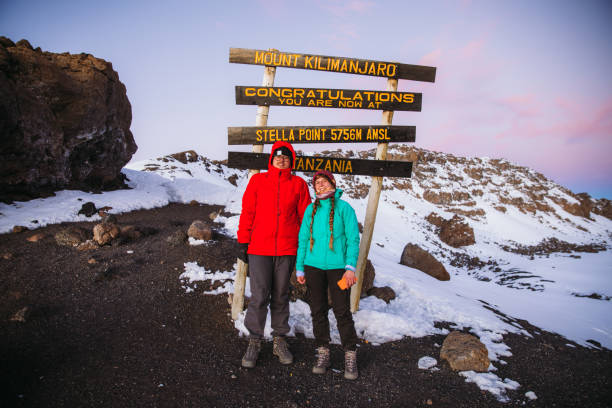
Woman and man hikers in colorful jackets feeling success and happiness reaching the Uluru peak – the top of Mount Kilimanjaro in Tanzania and enjoying the bright pink sunrise from the top
Introduction: Preparation Determines Safety
When asking “Is Mount Kilimanjaro safe for tourists,” one of the most important factors is preparation. Safety on Kilimanjaro is not based on luck—it is based on how well you prepare for the mountain’s conditions. The difference between a successful climb and an unsuccessful one often comes down to gear, packing strategy, and understanding how to respond to challenges.
The phrase “Is Mount Kilimanjaro safe for tourists” becomes easier to answer when climbers follow a structured preparation plan. From clothing layers to essential equipment, every item you bring plays a role in protecting you from altitude, weather, and fatigue.
At Nabak Safaris and Tours, we emphasize that proper preparation transforms Kilimanjaro into a safe and achievable adventure.
1. The Layering System: Foundation of Safety
A key principle in answering “Is Mount Kilimanjaro safe for tourists” is understanding how to dress for extreme weather changes. The mountain has multiple climate zones, and temperatures can shift dramatically within hours.
Why Layering is Critical
Layering allows you to:
- Adjust to changing temperatures
- Stay dry and warm
- Prevent overheating or excessive cold
The “Is Mount Kilimanjaro safe for tourists” discussion always includes layering because improper clothing is one of the most common mistakes climbers make.
Three Essential Layers
Base Layer (Moisture Control)
This layer keeps sweat away from your skin.
- Thermal tops and bottoms
- Moisture-wicking fabrics
Without a proper base layer, sweat can cool your body quickly, increasing risk.
Mid Layer (Insulation)
This layer traps heat.
- Fleece jackets
- Lightweight insulated tops
The “Is Mount Kilimanjaro safe for tourists” answer depends heavily on staying warm at higher altitudes.
Outer Layer (Protection)
This is your shield against weather.
- Waterproof jacket
- Windproof pants
Rain and wind are common, especially in lower and upper zones.
2. Footwear: Your Most Important Investment
Footwear plays a major role in answering “Is Mount Kilimanjaro safe for tourists.” Poor footwear can lead to blisters, cold exposure, and even injuries.
Recommended Footwear
- Waterproof hiking boots
- Thick hiking socks
- Gaiters for mud and snow
Trails vary from muddy paths to rocky terrain, so stability and protection are essential.
Why Footwear Matters
- Prevents slipping on wet trails
- Protects from cold temperatures
- Improves endurance
Many climbers who question “Is Mount Kilimanjaro safe for tourists” later realize that proper footwear makes a huge difference.
3. Essential Gear for Safety
Beyond clothing, gear is a critical part of the “Is Mount Kilimanjaro safe for tourists” equation.
Must-Have Equipment
- Trekking poles (for balance)
- Headlamp (for summit night)
- Sunglasses (UV protection)
- Gloves and warm hat
Each item serves a specific purpose in handling Kilimanjaro’s conditions.
Advanced Safety Gear
- First aid kit
- Hydration system
- Portable oxygen monitor
Nabak Safaris and Tours provides guidance on all necessary gear to ensure safety.
4. Hydration and Nutrition Strategy
Another key factor in answering “Is Mount Kilimanjaro safe for tourists” is how well climbers manage hydration and nutrition.
Hydration Importance
- Prevents altitude sickness
- Maintains energy levels
- Supports acclimatization
Even in cold weather, climbers must drink regularly.
Nutrition Tips
- Eat high-energy foods
- Maintain regular meals
- Avoid skipping meals due to fatigue
Proper nutrition helps your body handle the demands of altitude.
5. Acclimatization Strategy
The question “Is Mount Kilimanjaro safe for tourists” is closely tied to acclimatization.
Why Acclimatization Matters
- Allows the body to adjust to low oxygen
- Reduces risk of altitude sickness
- Improves success rate
Best Practices
- Choose longer routes
- Follow “climb high, sleep low” principle
- Take rest days
Nabak Safaris and Tours designs itineraries that prioritize acclimatization.
6. Real Customer Experience Insights
From real climbers, the answer to “Is Mount Kilimanjaro safe for tourists” becomes clear through experience.
Common Feedback
- Proper preparation made the climb manageable
- Good gear reduced stress and discomfort
- Guides played a major role in safety
Lessons Learned
- Never underestimate the cold
- Always follow guide instructions
- Preparation builds confidence
These insights reinforce the importance of planning.
7. Mental Preparation and Safety
Mental strength is often overlooked when asking “Is Mount Kilimanjaro safe for tourists.”
Mental Challenges
- Long trekking hours
- Fatigue
- Cold discomfort
How to Stay Mentally Strong
- Break the climb into small goals
- Stay positive
- Trust your guides
Mental readiness is a key part of overall safety.
Bullet Point Highlights
- Preparation is the foundation of safety
- Layering protects against weather changes
- Proper footwear prevents injuries
- Hydration supports acclimatization
- Mental strength improves success
Quick Summary
So, is Mount Kilimanjaro safe for tourists? Preparation is the answer. With the right gear, proper planning, and expert guidance, climbers can safely navigate the mountain’s challenges.
The “Is Mount Kilimanjaro safe for tourists” question becomes less about risk and more about readiness. Nabak Safaris and Tours ensures that every climber is fully prepared for a safe and successful journey.
Advanced Safety Strategy for a Successful Climb
To fully answer the question “Is Mount Kilimanjaro safe for tourists,” it’s essential to understand advanced safety strategies that go beyond basic preparation. While earlier sections covered risks and gear, this section focuses on real-time decision-making, awareness, and professional guidance.
The truth is, Mount Kilimanjaro is safe for tourists when climbers actively apply safety strategies throughout the journey. Safety is not a one-time action—it is a continuous process from the first day of trekking to the summit attempt.
1. Daily Health Monitoring
One of the most important elements in answering “Is Mount Kilimanjaro safe for tourists” is monitoring your health.
Professional teams like Nabak Safaris and Tours conduct:
- Oxygen level checks
- Pulse rate monitoring
- Symptom assessments
These checks help detect altitude sickness early, ensuring climbers remain safe.
2. The Role of Professional Guides
The question “Is Mount Kilimanjaro safe for tourists” is strongly linked to the quality of your guide team.
Why Guides Matter
- They understand mountain conditions
- They monitor your health
- They make critical safety decisions
At Nabak Safaris and Tours, guides are trained to handle emergencies and adapt to changing conditions, making Kilimanjaro safe for tourists under professional supervision.
3. Emergency Preparedness
Even though Kilimanjaro is considered safe, emergencies can happen. A complete “Is Mount Kilimanjaro safe for tourists” answer must include preparedness.
Emergency Measures Include
- Evacuation plans
- Communication systems
- First aid response
Having these systems in place significantly reduces risk.
Summit Night: The Most Critical Phase
Summit night is the most challenging part of the climb and a key factor when evaluating “Is Mount Kilimanjaro safe for tourists.”
Challenges During Summit Attempt
- Extreme cold
- Low oxygen levels
- Physical exhaustion
How to Stay Safe on Summit Night
- Move slowly and steadily
- Dress in full insulation layers
- Stay hydrated
The “Is Mount Kilimanjaro safe for tourists” answer remains positive when climbers follow these strategies.
Long-Term Safety Benefits of Proper Planning
Climbers who prepare properly often find that:
- The climb feels manageable
- Risks are minimized
- The experience is enjoyable
The “Is Mount Kilimanjaro safe for tourists” discussion ultimately highlights preparation as the most important factor.
Common Safety Myths Debunked
Myth 1: Kilimanjaro is Extremely Dangerous
Reality: The mountain is safe for tourists with proper guidance.
Myth 2: Only Athletes Can Climb
Reality: Ordinary people can succeed with preparation.
Myth 3: Weather Makes It Unsafe
Reality: Weather is manageable with the right gear.
Understanding these myths helps clarify the real answer to “Is Mount Kilimanjaro safe for tourists.”
Expanded FAQs
1. Is Mount Kilimanjaro safe for tourists with no experience?
Yes. The “Is Mount Kilimanjaro safe for tourists” answer includes beginners who prepare properly and climb with guides.
2. What is the safest route?
Longer routes with better acclimatization are generally safer.
3. How many people reach the summit safely?
A large percentage of climbers succeed, especially with professional operators.
4. What is the biggest safety tip?
Follow your guide and listen to your body.
5. Is Kilimanjaro safer than other mountains?
Yes. Compared to technical climbs, Kilimanjaro is one of the safest high-altitude mountains.
Bullet Point Highlights
- Safety depends on preparation and guidance
- Daily health checks improve success
- Summit night requires extra caution
- Professional guides are essential
- Kilimanjaro is safe for most climbers
Final Quick Summary
So, is Mount Kilimanjaro safe for tourists? The answer is yes—when approached correctly. The mountain offers a unique opportunity for adventure without requiring technical climbing skills.
By following expert advice, preparing properly, and climbing with experienced teams like Nabak Safaris and Tours, tourists can safely achieve their goal of reaching the summit.
Conclusion: Is Mount Kilimanjaro Safe for Tourists?
This complete guide has explored every aspect of the question “Is Mount Kilimanjaro safe for tourists.” From understanding risks to preparing effectively and following safety strategies, the conclusion is clear:
Mount Kilimanjaro is safe for tourists who take the climb seriously and prepare properly.
The mountain’s accessibility, combined with professional support, makes it one of the most achievable high-altitude adventures in the world.
Call to Action: Climb Safely with Nabak Safaris and Tours
If you’re ready to take on the challenge, trust Nabak Safaris and Tours to guide you every step of the way.
👉 Expert guides and safety-first approach
👉 Customized itineraries for better acclimatization
👉 Proven success and safety record
Your journey to the top of Kilimanjaro starts with the right team.
About the Author
