
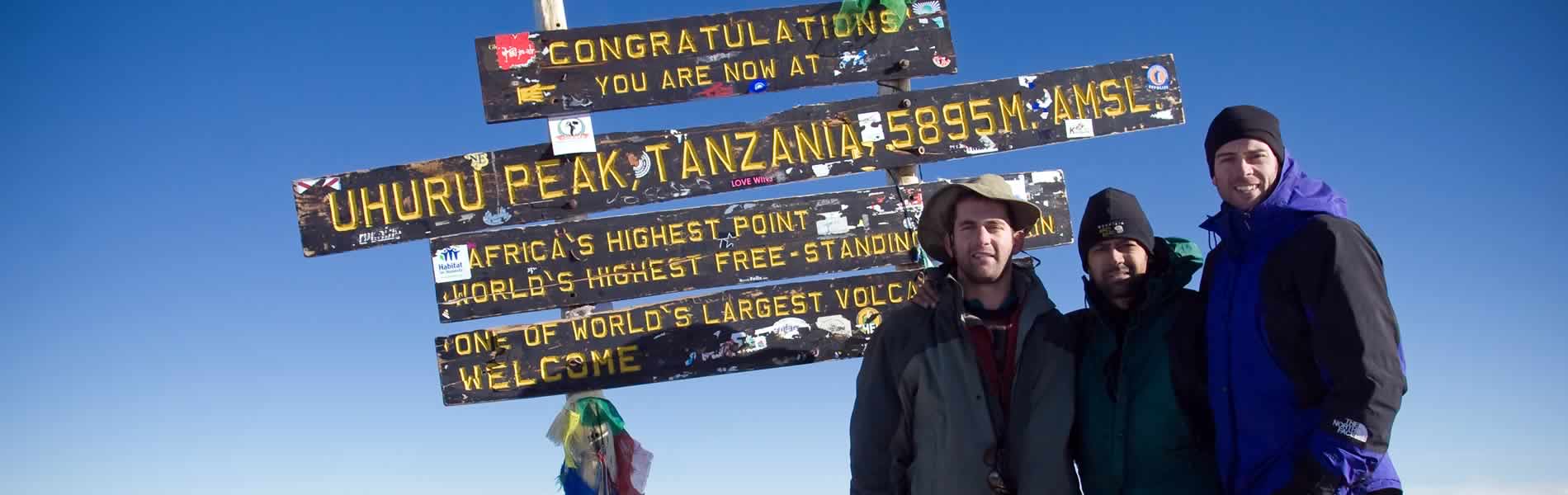
Climbing Mount Kilimanjaro is an incredible adventure, but one of the biggest challenges climbers face is kilimanjaro altitude sickness. This condition affects many trekkers regardless of fitness level, making it one of the most important factors to understand before starting your journey with Nabak Safaris and Tours.
Unlike other mountains, Kilimanjaro allows climbers to ascend quickly to high altitudes without technical climbing skills. While this makes the trek accessible, it also increases the risk of kilimanjaro altitude sickness, especially for those who are not properly prepared.
What Is Kilimanjaro Altitude Sickness?
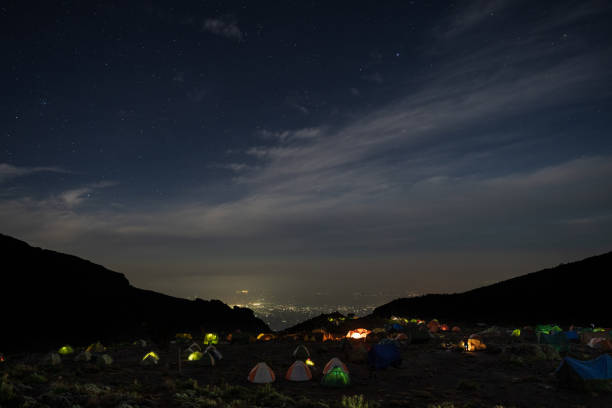
Night camp with illuminated tents on the slopes of Mount Kilimanjaro
Kilimanjaro altitude sickness occurs when your body struggles to adapt to lower oxygen levels at high altitude. As you climb higher, the air becomes thinner, making it harder for your body to function normally.
This condition can affect anyone—young or old, fit or unfit. That’s why understanding kilimanjaro altitude sickness is essential for a safe and successful climb.
Why Kilimanjaro Is High Risk for Altitude Sickness
One of the main reasons kilimanjaro altitude sickness is common is the speed of ascent. Many routes allow climbers to reach elevations above 4,000 meters in just a few days.
This rapid gain in altitude gives your body limited time to adjust, increasing the likelihood of kilimanjaro altitude sickness. Without proper acclimatization, symptoms can appear quickly and worsen if ignored.
Common Symptoms of Kilimanjaro Altitude Sickness
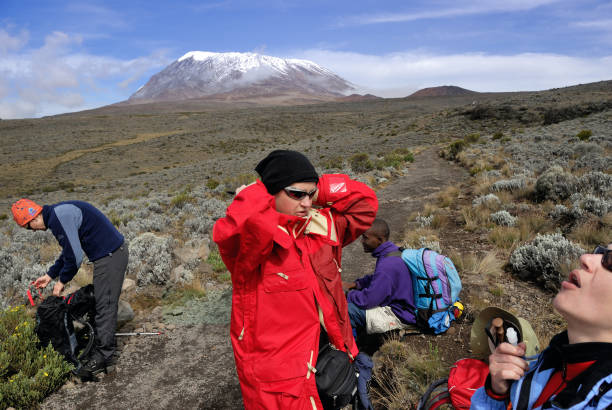
Recognizing symptoms early is a critical part of managing kilimanjaro altitude sickness. The condition can range from mild to severe.
Mild Symptoms:
- Headache
- Fatigue
- Dizziness
- Loss of appetite
- Difficulty sleeping
Moderate Symptoms:
- Nausea
- Vomiting
- Shortness of breath
- Weakness
Severe Symptoms:
- Confusion
- Loss of coordination
- Persistent cough
- Chest tightness
These symptoms of altitude sickness should never be ignored, as they can escalate into serious health risks.
Comparison Table: Mild vs Severe Altitude Sickness
| Condition | Mild Kilimanjaro Altitude Sickness | Severe Altitude Sickness |
|---|---|---|
| Symptoms | Headache, fatigue | Confusion, breathing difficulty |
| Severity | Manageable | Life-threatening |
| Action Needed | Rest and hydrate | Immediate descent |
| Risk Level | Low | Very high |
| Climbing Continuation | Possible with caution | Not recommended |
This table shows how kilimanjaro altitude sickness can progress and why early detection is so important.
How Your Body Reacts at High Altitude
When exposed to high altitude, your body goes through several changes. Understanding this process helps you manage altitude sickness effectively.
Your body will:
- Increase breathing rate
- Produce more red blood cells
- Adjust oxygen delivery
However, these adaptations take time. Without proper acclimatization, kilimanjaro altitude sickness becomes more likely.
Who Is Most at Risk?
A common misconception is that only unfit people experience kilimanjaro altitude sickness. In reality, anyone can be affected.
Risk factors include:
- Rapid ascent
- Poor hydration
- Lack of acclimatization
- Ignoring symptoms
Even experienced hikers can develop kilimanjaro altitude sickness, which is why preparation is key.
Importance of Early Awareness
The earlier you recognize kilimanjaro altitude sickness, the better your chances of managing it safely. Ignoring symptoms can lead to serious complications.
Climbers who stay aware of their condition are more likely to:
- Take necessary precautions
- Communicate with guides
- Make safer decisions
This makes awareness a crucial part of dealing with altitude sickness.
Role of Professional Guides
Climbing with a professional team like Nabak Safaris and Tours greatly reduces the risks associated with altitude sickness.
Guides are trained to:
- Monitor symptoms daily
- Check oxygen levels
- Adjust pace and schedule
- Make critical safety decisions
Their experience plays a vital role in preventing and managing altitude sickness.
Why Preparation Matters
Preparation is your strongest defense against altitude sickness. This includes physical, mental, and logistical planning.
Key preparation steps:
- Choosing longer routes for better acclimatization
- Staying hydrated
- Learning about symptoms
- Following expert guidance
Proper preparation significantly reduces the risk of altitude sickness and improves your chances of reaching the summit.
Quick Summary
- kilimanjaro altitude sickness is a common challenge for climbers
- It is caused by low oxygen levels at high altitude
- Symptoms range from mild to severe
- Early detection is critical
- Anyone can be affected regardless of fitness
- Guides play a key role in safety
- Preparation reduces risk significantly
About the Author
