
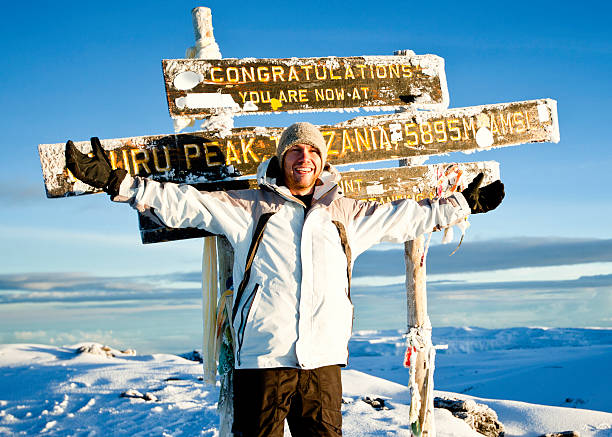
Discover the ultimate Kilimanjaro climb guide for solo travellers. Learn routes, safety tips, costs, and expert advice with Nabak Safaris and Tours
Overview of Kilimanjaro Climb for Solo Travellers
Climbing Mount Kilimanjaro as a solo traveller is one of the most rewarding adventures you can experience. Unlike group travel, a solo journey allows you to connect deeply with nature, challenge yourself physically and mentally, and enjoy a sense of independence that few other trips can offer.
This Kilimanjaro climb guide for solo travellers is designed to help you understand everything you need before embarking on this life-changing journey. Whether you are traveling alone for personal growth, adventure, or exploration, climbing Mount Kilimanjaro provides an unmatched experience.
Many solo travellers worry about safety, logistics, and whether they can complete the climb alone. The truth is that Kilimanjaro is one of the most solo-friendly mountains in the world because all climbs are supported by professional guides and teams. With Nabak Safaris and Tours, solo travellers receive full support, making the journey safe, organized, and enjoyable.
Quick Summary
- Destination: Tanzania
- Mountain: Mount Kilimanjaro
- Height: 5,895 meters (19,341 feet)
- Travel Type: Solo adventure with guided support
- Duration: 5–9 days
- Best Time: January–March, June–October
- Operator: Nabak Safaris and Tours
Why Choose a Solo Kilimanjaro Climb
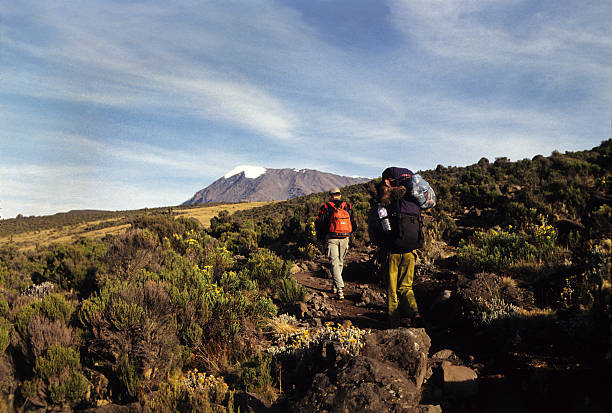
The Kilimanjaro climb guide for solo travellers highlights several unique benefits of traveling alone.
1. Personal Growth and Self-Discovery
Climbing Kilimanjaro alone allows you to disconnect from distractions and focus on your personal journey. Many solo travellers describe the experience as transformative.
2. Flexible and Personalized Experience
When following a Kilimanjaro climb guide for solo travellers, you can choose routes, pace, and preferences that suit your needs without compromise.
3. Built-In Support System
Even though you are traveling solo, you are never truly alone. Guides and porters accompany you throughout the climb, ensuring safety and support.
Overview of Mount Kilimanjaro
Mount Kilimanjaro is the highest peak in Africa and one of the most accessible high-altitude mountains in the world. It consists of three volcanic cones: Kibo, Mawenzi, and Shira.
This Kilimanjaro climb guide for solo travellers emphasizes that no technical climbing skills are required. However, the challenge lies in altitude and endurance, making preparation essential.
Is Kilimanjaro Safe for Solo Travellers?
Safety is a major concern addressed in every Kilimanjaro climb guide for solo travellers.
Why It Is Safe
- Mandatory licensed guides for all climbers
- Well-established routes
- Organized support teams
- Regular health monitoring
With Nabak Safaris and Tours, solo travellers receive professional care and guidance throughout the climb.
What Makes Solo Travel on Kilimanjaro Unique
Connection with Nature
Solo travellers often experience a deeper connection with the environment.
Mental Strength Development
Climbing alone builds confidence and resilience.
Freedom of Experience
You can focus on your journey without distractions.
Key Features of a Solo Kilimanjaro Climb
Guided Support
Even solo travellers climb with professional teams.
Structured Routes
Multiple routes are available for different preferences.
Safe Environment
Strict regulations ensure climber safety.
Comparison Table: Solo vs Group Climb
| Feature | Solo Traveller Climb | Group Climb |
|---|---|---|
| Flexibility | High | Limited |
| Personal Experience | Deep and focused | Shared |
| Cost | Higher | Lower |
| Social Interaction | Moderate | High |
| Customization | Fully customizable | Limited |
Expert Insight from Nabak Safaris and Tours
According to experts at Nabak Safaris and Tours, solo travellers often have higher satisfaction levels because they can fully immerse themselves in the experience.
Their team ensures that every solo climber receives personalized attention, making the Kilimanjaro climb guide for solo travellers practical and effective.
Bullet Point Highlights
- Ideal for independent travelers
- Supported by professional guides
- Safe and well-organized
- Encourages personal growth
- Offers flexible travel options
This Kilimanjaro climb guide for solo travellers shows that climbing Mount Kilimanjaro alone is not only possible but also highly rewarding. With the right preparation and expert support, solo travellers can enjoy a safe and unforgettable adventure.
Nabak Safaris and Tours ensures that your solo journey is well-planned, comfortable, and successful, allowing you to focus entirely on reaching the summit and enjoying the experience.
Routes, Difficulty, Safety & Solo Climbing Experience on Mount Kilimanjaro
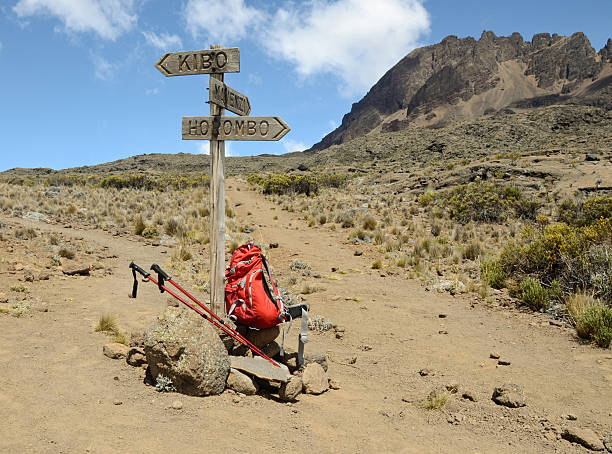
Understanding the routes, difficulty levels, and safety measures is essential in any Kilimanjaro climb guide for solo travellers. While Mount Kilimanjaro is considered one of the most accessible high-altitude mountains in the world, it still presents serious physical and mental challenges. For solo travellers, these challenges can feel even more significant because you are relying on your own mindset, discipline, and preparation.
However, this Kilimanjaro climb guide for solo travellers makes one thing clear: you are never truly alone on the mountain. Every climber is supported by professional guides and porters, ensuring that your journey is both safe and well-organized. Choosing the right route, understanding altitude, and knowing what to expect daily are the keys to a successful climb.
Best Kilimanjaro Routes for Solo Travellers
Selecting the right route is one of the most important decisions in a Kilimanjaro climb guide for solo travellers. Each route offers different levels of difficulty, scenery, and success rates.
1. Machame Route – Best Balance for Solo Travellers
The Machame Route is one of the most recommended options in a Kilimanjaro climb guide for solo travellers because it offers a great balance between challenge and acclimatization.
- Duration: 6–7 days
- Difficulty: Moderate to challenging
- Success Rate: High
This route allows solo travellers to gradually adjust to altitude, which increases the chances of reaching the summit. It is also very scenic, offering diverse landscapes throughout the climb.
2. Lemosho Route – Best for Higher Success Rates
The Lemosho Route is ideal in a Kilimanjaro climb guide for solo travellers who want a slower pace and better acclimatization.
- Duration: 7–9 days
- Difficulty: Moderate
- Success Rate: Very high
This route is less crowded at the start and provides a more peaceful experience, which many solo travellers prefer.
3. Marangu Route – Simplest Logistics
The Marangu Route is often considered the easiest in terms of logistics, making it a common option in a Kilimanjaro climb guide for solo travellers.
- Duration: 5–6 days
- Accommodation: Huts instead of tents
However, shorter duration means less time to acclimatize, which can reduce success rates.
4. Rongai Route – Quiet and Remote
The Rongai Route is perfect for solo travellers seeking solitude.
- Duration: 6–7 days
- Difficulty: Moderate
- Unique Feature: Northern approach
This route offers a quieter and less crowded experience compared to others.
Difficulty Level for Solo Travellers
A key topic in any Kilimanjaro climb guide for solo travellers is understanding the real difficulty of the climb.
Why Kilimanjaro Is Challenging
- High altitude (up to 5,895 meters)
- Long trekking days
- Changing weather conditions
- Mental endurance required
Although no technical climbing skills are needed, the altitude makes Kilimanjaro a serious challenge for solo travellers.
Altitude and Acclimatization
Altitude is the biggest factor discussed in every Kilimanjaro climb guide for solo travellers.
Effects of Altitude
As you climb higher, oxygen levels decrease, leading to:
- Headaches
- Dizziness
- Fatigue
- Nausea
How to Adapt to Altitude
This Kilimanjaro climb guide for solo travellers recommends:
- Climbing slowly (“pole pole”)
- Drinking plenty of water
- Choosing longer routes
- Listening to your guide
Proper acclimatization is the most important factor for summit success.
Safety Measures for Solo Travellers
Safety is a major focus in this Kilimanjaro climb guide for solo travellers.
Mandatory Guide System
All climbers must be accompanied by licensed guides, ensuring safety at all times.
Daily Health Monitoring
Guides check oxygen levels and overall health regularly.
Emergency Support
In case of serious altitude sickness, evacuation procedures are in place.
With Nabak Safaris and Tours, solo travellers benefit from experienced teams who prioritize safety and well-being.
Daily Solo Climbing Experience
Understanding daily routines helps solo travellers prepare mentally and physically.
Typical Day on the Mountain
- Early morning wake-up
- 4–7 hours of trekking
- Regular rest breaks
- Evening meals and rest
This structure is consistent across most routes and is explained in every Kilimanjaro climb guide for solo travellers.
Mental Experience of Solo Climbing
Solo climbing is not just physical—it is also mental.
Key Mental Challenges
- Staying motivated
- Managing fatigue
- Dealing with isolation
Benefits of Solo Climbing
- Increased self-confidence
- Strong sense of achievement
- Deep personal reflection
This Kilimanjaro climb guide for solo travellers emphasizes that mental strength is just as important as physical fitness.
Role of Guides and Porters
Even in a Kilimanjaro climb guide for solo travellers, the support team plays a critical role.
What They Do
- Carry equipment
- Prepare meals
- Monitor health
- Provide encouragement
Their presence ensures that solo travellers are fully supported throughout the journey.
Comparison Table: Route Difficulty Overview
| Route | Duration | Difficulty | Success Rate | Best For |
|---|---|---|---|---|
| Machame | 6–7 days | Moderate | High | Balanced experience |
| Lemosho | 7–9 days | Moderate | Very High | Best acclimatization |
| Marangu | 5–6 days | Moderate | Medium | Simplicity |
| Rongai | 6–7 days | Moderate | High | Quiet experience |
Bullet Point Highlights
- Multiple routes available for solo travellers
- Altitude is the main challenge
- Safety is ensured through guided climbs
- Mental strength is essential
- Longer routes improve success rates
FAQs – Routes & Solo Experience
Can I climb Kilimanjaro completely alone?
No, all climbs require guides, but you can travel as a solo traveller.
Which route is best for solo travellers?
The Lemosho and Machame routes are the best options in a Kilimanjaro climb guide for solo travellers.
Is Kilimanjaro safe for solo travel?
Yes, it is very safe with professional guides and organized support.
This Kilimanjaro climb guide for solo travellers shows that choosing the right route, understanding altitude, and relying on expert support are essential for a successful climb. While the journey can be challenging, it is also incredibly rewarding.
With Nabak Safaris and Tours, solo travellers receive the guidance and support needed to confidently take on Mount Kilimanjaro and achieve their goal.
Best Time, Costs, Packing & Solo Travel Planning for Kilimanjaro
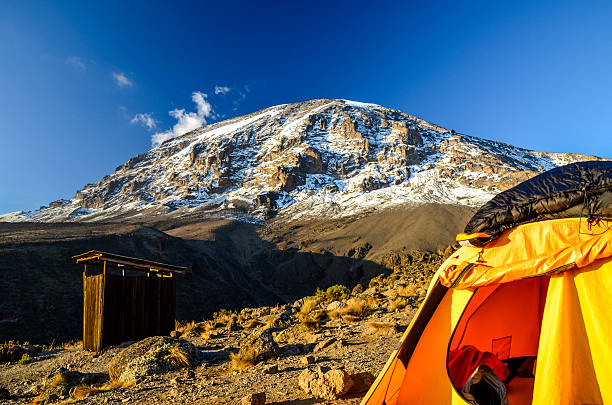
Proper planning is one of the most important parts of a successful Kilimanjaro climb guide for solo travellers. While climbing Mount Kilimanjaro is physically demanding, poor planning is often the reason many climbers struggle or fail to reach the summit. For solo travellers especially, every detail—from timing and budgeting to packing and preparation—plays a crucial role in shaping the entire experience.
This Kilimanjaro climb guide for solo travellers provides a complete breakdown of the best time to climb, expected costs, essential packing list, and practical travel planning advice to ensure you are fully prepared for your adventure.
Best Time to Climb Kilimanjaro as a Solo Traveller
Choosing the right season is essential in every Kilimanjaro climb guide for solo travellers because weather conditions directly affect visibility, safety, and summit success rates.
1. Dry Seasons (Best Time to Climb)
The dry seasons are the most recommended periods in a Kilimanjaro climb guide for solo travellers.
Best Months
- January to March
- June to October
Why These Months Are Ideal
- Clear skies and excellent visibility
- Stable trekking conditions
- Lower risk of rain and slippery trails
- Higher summit success rates
During these months, solo travellers benefit from safer and more predictable conditions, making the climb more manageable.
2. Wet Seasons (Less Ideal but Possible)
Wet seasons are less recommended in a Kilimanjaro climb guide for solo travellers but still possible for experienced trekkers.
Months
- April to May
- November
Challenges
- Heavy rainfall
- Muddy and slippery trails
- Reduced visibility
- Higher difficulty level
While the scenery is lush and green, conditions can be more demanding for solo travellers.
Cost Breakdown for Solo Kilimanjaro Climbers
Understanding costs is a key part of any Kilimanjaro climb guide for solo travellers. Prices vary depending on route, service level, and duration.
Average Cost Range
| Category | Estimated Cost (USD) |
|---|---|
| Park Fees | $800 – $1,200 |
| Guide & Porter Support | $1,000 – $2,000 |
| Food & Logistics | $500 – $1,000 |
| Total Package | $2,500 – $6,500+ |
What Influences Cost
This Kilimanjaro climb guide for solo travellers highlights key cost factors:
- Route length (longer routes cost more)
- Level of comfort (budget vs luxury climbs)
- Group vs private solo arrangements
- Season of travel
Nabak Safaris and Tours offers flexible packages tailored to solo travellers with different budgets.
Packing Guide for Solo Travellers
Packing correctly is essential in a Kilimanjaro climb guide for solo travellers because weather conditions vary dramatically across altitude zones.
Clothing Essentials
- Moisture-wicking base layers
- Insulated warm jacket
- Waterproof outer shell
- Thermal pants and tops
- Hiking boots (broken in)
- Warm gloves and hat
Gear and Equipment
- Day backpack
- Sleeping bag rated for sub-zero temperatures
- Trekking poles
- Headlamp with extra batteries
- Water bottles or hydration system
Health & Safety Items
- Personal first aid kit
- Altitude sickness medication (consult doctor)
- Sunscreen and lip balm
- Wet wipes and hygiene supplies
Proper packing ensures comfort and safety throughout your Kilimanjaro climb guide for solo travellers.
Travel Planning Essentials for Solo Climbers
Planning logistics is a major part of a successful Kilimanjaro climb guide for solo travellers.
Visa Requirements
Solo travellers must obtain a visa to enter Tanzania. This can be done online or upon arrival.
Travel Insurance
This is essential and should cover:
- High-altitude trekking
- Medical emergencies
- Evacuation services
Vaccinations
Recommended vaccinations include:
- Yellow fever (depending on travel history)
- Typhoid
- Hepatitis A and B
Physical Preparation for Solo Travellers
Fitness is a key factor in every Kilimanjaro climb guide for solo travellers.
Recommended Training
- Cardiovascular exercises (running, hiking)
- Strength training (legs and core)
- Long-distance walking practice
- Stair climbing workouts
Training for at least 8–12 weeks before the climb is highly recommended.
Mental Preparation
Solo climbing is as much mental as physical.
Challenges
- Long trekking days
- Altitude fatigue
- Isolation during solo travel
How to Prepare Mentally
- Set realistic expectations
- Focus on gradual progress
- Stay positive during difficulty
- Trust your guide and support team
Mental strength is a core theme in any Kilimanjaro climb guide for solo travellers.
Pre-Climb and Post-Climb Experience
Before the Climb
- Arrival in Tanzania
- Briefing with guides
- Equipment check
- Final preparation
After the Climb
- Rest and recovery
- Certificate of achievement
- Optional safari or Zanzibar extension
Many solo travellers combine their climb with a safari for a complete Tanzania experience.
Comparison Table: Dry vs Wet Season Planning
| Feature | Dry Season | Wet Season |
|---|---|---|
| Weather | Stable and clear | Rainy and unpredictable |
| Visibility | Excellent | Limited |
| Difficulty | Moderate | Higher |
| Success Rate | High | Lower |
Bullet Point Highlights
- Best time: January–March & June–October
- Costs range from $2,500–$6,500+
- Proper packing is essential
- Insurance is strongly recommended
- Physical training improves success
FAQs – Planning & Preparation
How much does a solo Kilimanjaro climb cost?
Between $2,500 and $6,500 depending on route and services.
Do I need travel insurance?
Yes, it is strongly recommended for all solo travellers.
When should I start training?
At least 8–12 weeks before your climb.
This Kilimanjaro climb guide for solo travellers shows that success depends heavily on preparation. Choosing the right season, budgeting correctly, packing properly, and training in advance all contribute to a safe and successful climb.
With support from Nabak Safaris and Tours, solo travellers can confidently prepare for their journey and focus on the unforgettable experience of reaching the summit of Mount Kilimanjaro.
Final Expert Guide, FAQs, Insights & Complete Kilimanjaro Solo Climb Summary
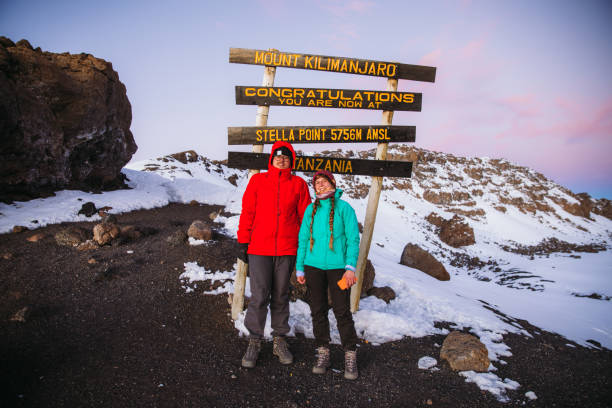
Completing this Kilimanjaro climb guide for solo travellers means you now have a full understanding of what it takes to successfully reach the summit of Mount Kilimanjaro as an independent traveler. From choosing the right route and preparing physically, to managing costs and understanding altitude challenges, every element plays a crucial role in your success.
However, beyond logistics and planning, climbing Kilimanjaro as a solo traveller is a deeply personal journey. It is about resilience, mental strength, and self-discovery. This final section of the Kilimanjaro climb guide for solo travellers brings everything together—expert insights, frequently asked questions, and final recommendations to help you prepare with confidence.
Why Kilimanjaro is Perfect for Solo Travellers
One of the strongest messages in this Kilimanjaro climb guide for solo travellers is that Kilimanjaro is uniquely suitable for independent adventurers.
1. Structured Guided System
Every climber is required to be accompanied by licensed guides and porters, meaning solo travellers are always supported.
2. High Safety Standards
The mountain is well-regulated, with rescue systems and health monitoring throughout the climb.
3. Social Yet Independent Experience
Even though you travel solo, you interact with guides, porters, and sometimes other climbers, creating a balanced experience.
Expert Tips for a Successful Solo Summit
Experts from Nabak Safaris and Tours emphasize that following proven strategies significantly increases success rates.
1. Follow “Pole Pole” Philosophy
In Swahili, “pole pole” means slowly, slowly. This is the golden rule in every Kilimanjaro climb guide for solo travellers. Moving slowly allows your body to adjust to altitude.
2. Stay Hydrated at All Times
Drinking 3–4 liters of water daily helps reduce altitude sickness symptoms.
3. Trust Your Guide’s Decisions
Your guide is trained to monitor altitude sickness and make safety decisions. Trusting them is essential for success.
4. Maintain Mental Discipline
Fatigue and altitude can affect motivation. Staying mentally strong is just as important as physical fitness.
Common Mistakes Solo Travellers Should Avoid
This Kilimanjaro climb guide for solo travellers highlights common errors:
- Rushing the climb
- Ignoring altitude symptoms
- Choosing too short a route
- Underestimating weather conditions
- Poor packing choices
Avoiding these mistakes dramatically increases your chances of reaching the summit.
Customer Experience Insight
Solo travellers who complete their climb with Nabak Safaris and Tours often report:
- High-quality personalized attention
- Strong safety management
- Motivating and professional guides
- Well-organized logistics from start to finish
This demonstrates the importance of choosing a trusted operator for your Kilimanjaro climb guide for solo travellers experience.
Comparison Table: Successful vs Unsuccessful Climbers
| Factor | Successful Climbers | Unsuccessful Climbers |
|---|---|---|
| Pace | Slow and steady | Fast and rushed |
| Hydration | Consistent | Insufficient |
| Acclimatization | Properly followed | Ignored |
| Mindset | Positive and disciplined | Stressed or unprepared |
| Guide Interaction | Fully cooperative | Ignored advice |
Extended FAQs – Kilimanjaro Solo Climb Guide
Can I climb Kilimanjaro completely alone without a guide?
No. All climbers must be accompanied by licensed guides as part of Tanzanian regulations.
Is Kilimanjaro good for first-time solo travellers?
Yes. This Kilimanjaro climb guide for solo travellers is designed specifically to show that beginners can succeed with proper preparation.
What is the success rate for solo climbers?
Success rates depend on route and preparation but can exceed 80% on longer routes.
Do I need technical climbing skills?
No technical skills are required, only physical fitness and mental endurance.
Can I meet other travellers while climbing solo?
Yes. Many solo travellers join small groups on the same route, creating opportunities for social interaction.
Final Expert Recommendation
Experts strongly recommend:
- Choosing longer routes (6–9 days)
- Preparing physically for at least 2–3 months
- Following all guide instructions
- Booking with experienced operators like Nabak Safaris and Tours
These steps are essential in every Kilimanjaro climb guide for solo travellers.
Bullet Point Summary
- Kilimanjaro is ideal for solo travellers
- Guided system ensures safety
- Altitude is the main challenge
- Mental strength is critical
- Proper planning increases success rate
Final Conclusion
This complete Kilimanjaro climb guide for solo travellers shows that climbing Africa’s highest mountain is both achievable and life-changing. While the journey is physically demanding, it is also one of the most rewarding adventures available anywhere in the world.
Solo travellers gain more than just a summit certificate—they gain confidence, resilience, and unforgettable memories. With proper preparation, the right mindset, and expert support, success is within reach.
If you are ready to begin your journey, Nabak Safaris and Tours is your trusted partner for a safe and professionally guided climb.
👉 Book your Kilimanjaro adventure today and experience the ultimate Kilimanjaro climb guide for solo travellers with expert support from start to summit.
About the Author
