
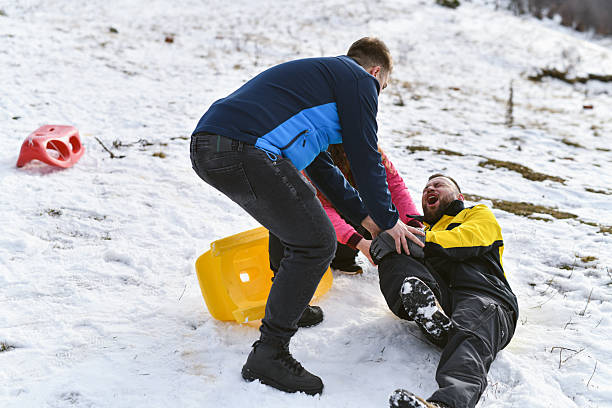
Discover essential Mount Meru trek safety tips for a successful hiking experience in Tanzania. Learn preparation, altitude safety, gear checklist, and expert advice from Nabak Safaris and Tours.
Introduction
Mount Meru is one of Tanzania’s most spectacular trekking destinations, standing proudly within Arusha National Park. Often overshadowed by Mount Kilimanjaro, this majestic volcano is actually the second-highest mountain in Tanzania and offers a more intimate, less crowded, and highly rewarding trekking experience. For adventurers seeking both challenge and breathtaking scenery, Mount Meru is a perfect choice.
However, like any high-altitude trek, safety is a major priority. Many trekkers underestimate Mount Meru because it is shorter than Kilimanjaro, but its steep trails, wildlife presence, and altitude changes demand proper preparation and awareness. This is why understanding Mount Meru trek safety tips is essential before starting your journey.
At Nabak Safaris and Tours, we prioritize not only unforgettable safari experiences but also the safety and wellbeing of every climber. Our expert guides, well-planned itineraries, and professional support ensure that every trekker enjoys Mount Meru with confidence and security.
Why Mount Meru Trek Requires Safety Preparation
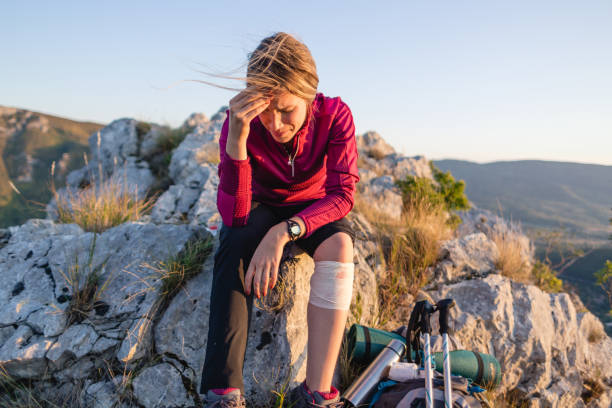
Mount Meru rises to approximately 4,566 meters (14,980 feet) above sea level. While this is lower than Kilimanjaro, the climb is steeper and more direct. This means trekkers gain altitude quickly, increasing the risk of altitude-related illnesses if not properly managed.
Another important factor is wildlife. Unlike Kilimanjaro, Mount Meru is located inside a national park where buffaloes, giraffes, warthogs, and even elephants may be encountered on lower slopes. Because of this, armed park rangers are required for all treks.
Weather conditions also change rapidly. Hikers may start in warm rainforest conditions and end up in cold alpine zones within a few hours. These sudden changes can affect performance and safety if not properly prepared.
Therefore, safety is not optional—it is a core part of the Mount Meru trekking experience.
Quick Summary of Mount Meru Trek Safety Essentials
- Always trek with a licensed guide and armed ranger
- Acclimatize properly to avoid altitude sickness
- Carry proper layered trekking clothing
- Stay hydrated at all times
- Follow park rules and wildlife instructions
- Maintain a steady pace (“pole pole” philosophy)
- Use quality trekking gear (boots, sleeping bag, backpack)
- Avoid alcohol before and during trekking
- Inform guides immediately if you feel unwell
What Makes Mount Meru Special for Trekkers
Mount Meru is often used as an acclimatization trek for Kilimanjaro, but it is a powerful destination on its own. The trek typically takes 3–4 days, passing through diverse ecological zones:
- Lower forest zone rich in wildlife
- Mid-montane forest with waterfalls and scenic views
- Moorland zone with unique vegetation
- Alpine desert near the summit
Each zone presents different trekking conditions, which is why safety awareness is essential at every stage.
Unlike many other African trekking routes, Mount Meru combines both adventure and wildlife safari experience. This unique combination makes it one of the most underrated trekking gems in East Africa.
Expert Insight from Nabak Safaris and Tours
According to experienced guides at Nabak Safaris and Tours, most trekking risks on Mount Meru are not caused by technical difficulty but by poor preparation. Many trekkers underestimate:
- The speed of altitude gain
- The cold temperatures at night
- The physical endurance required for steep ascents
- The importance of hydration and pacing
Our expert recommendation is simple: train before you arrive, respect the mountain, and listen to your guide at all times.
We also advise all climbers to do at least light cardio training (walking, hiking, or stair climbing) for 3–6 weeks before the trek.
Why Safety Comes First on Mount Meru
Safety on Mount Meru is not just about avoiding danger—it is about ensuring a successful summit experience. Many failed summits are not due to lack of strength, but due to poor planning and ignoring early warning signs such as fatigue or altitude sickness.
At Nabak Safaris and Tours, we implement strict safety protocols including:
- Daily health checks for trekkers
- Professional mountain guides with wilderness training
- Emergency evacuation plans
- Proper acclimatization schedules
- Safe camping arrangements inside the park
This ensures that even first-time climbers can enjoy the trek with confidence.
Now that we understand what Mount Meru is and why safety preparation is essential, the next section will focus on detailed safety preparation steps, gear checklist, and physical fitness requirements for a successful climb.
Mount Meru Trek Safety Preparation & Gear Checklist (With Comparisons)
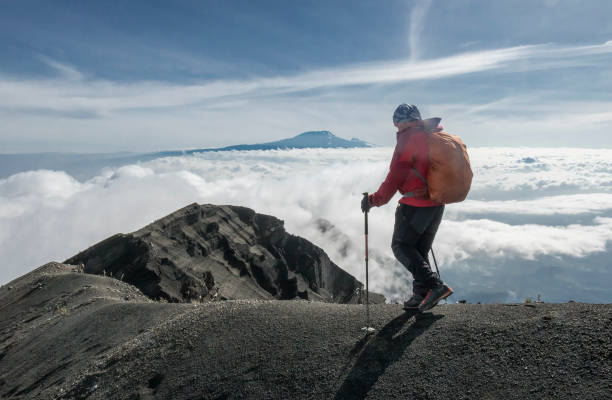
Preparation is the foundation of a safe and successful Mount Meru trek. Unlike casual hiking trails, Mount Meru demands both physical readiness and proper equipment. Many trekkers assume that because the mountain is shorter than Kilimanjaro, it is easier. This is a misleading assumption.
In reality, Mount Meru has a steeper ascent, faster altitude gain, and more direct climbing route, which makes preparation even more important. At Nabak Safaris and Tours, we emphasize that a well-prepared trekker is not only safer but also enjoys the experience more deeply.
This section breaks down fitness preparation, gear requirements, and comparisons with Mount Kilimanjaro trekking standards to help you understand what makes Mount Meru unique.
Physical Fitness Preparation
Before climbing Mount Meru, you should prepare your body for:
- Long hours of hiking (5–8 hours daily)
- Steep uphill walking
- High altitude oxygen reduction
- Cold night conditions
Recommended Training Plan (3–6 Weeks Before Trek)
- Cardio exercises (running, cycling, swimming) – 3–4 times per week
- Stair climbing or hill walking – to simulate mountain ascent
- Strength training (legs and core) – squats, lunges, planks
- Long walking sessions (2–4 hours) with backpack
Comparison: Mount Meru vs Mount Kilimanjaro Fitness Needs
| Factor | Mount Meru | Mount Kilimanjaro |
|---|---|---|
| Trek Duration | 3–4 days | 6–9 days |
| Fitness Demand | High intensity, shorter duration | Moderate intensity, longer endurance |
| Altitude Gain Speed | Fast | Gradual |
| Risk of Fatigue | Higher due to steep climb | Spread over days |
| Preparation Focus | Strength + cardio | Endurance + acclimatization |
👉 Key Insight:
Mount Meru requires more explosive strength and uphill endurance, while Kilimanjaro requires long-term stamina and slow adaptation.
Altitude Preparation & Safety
One of the biggest risks in Mount Meru trekking is acute mountain sickness (AMS) due to rapid altitude gain.
Common Altitude Symptoms
- Headache
- Dizziness
- Nausea
- Loss of appetite
- Fatigue
Prevention Strategies
- Drink at least 3–4 liters of water daily during trek
- Maintain slow walking pace (“pole pole”)
- Avoid alcohol and smoking before and during trek
- Take rest breaks regularly
- Inform guide immediately if symptoms appear
Comparison: Altitude Impact
| Factor | Mount Meru | Mount Kilimanjaro |
|---|---|---|
| Altitude Gain Speed | Fast (3–4 days) | Slow (6–9 days) |
| Acclimatization Time | Limited | Better structured |
| AMS Risk | Medium–High | High but manageable |
| Recovery Opportunity | Low | Higher due to longer route |
👉 Key Insight:
Mount Meru is more likely to trigger altitude sickness faster because the body has less time to adapt.
Essential Gear Checklist for Mount Meru Trek
Proper gear is critical for safety and comfort.
Clothing System (Layering is Key)
- Base layer: moisture-wicking shirt
- Mid layer: fleece or thermal jacket
- Outer layer: waterproof jacket and pants
Footwear
- Waterproof hiking boots with ankle support
- Comfortable trekking socks (wool recommended)
Sleeping Gear
- Warm sleeping bag (rated below -5°C recommended)
- Sleeping mat for insulation
Accessories
- Headlamp with extra batteries
- Gloves and warm hat
- Sunglasses (UV protection)
- Trekking poles
Health & Safety Items
- First aid kit
- Personal medications
- Sunscreen and lip balm
- Water purification tablets
Gear Comparison: Mount Meru vs Kilimanjaro
| Gear Category | Mount Meru | Mount Kilimanjaro |
|---|---|---|
| Sleeping Bag Requirement | Medium to High insulation | Extreme cold rating required |
| Clothing Layers | 3 layers sufficient | 4+ layers needed |
| Trekking Poles | Recommended | Essential |
| Backpack Size | 30–40L | 40–50L |
| Rain Protection | Very important (rainforest zone) | Important but less dense forest exposure |
👉 Key Insight:
Mount Meru requires lighter but efficient packing, while Kilimanjaro demands heavier cold-weather gear.
Wildlife Safety Preparation
Unlike Kilimanjaro, Mount Meru is inside a fully active wildlife zone. This is why all trekkers are accompanied by armed rangers.
Wildlife You May Encounter
- Buffaloes
- Giraffes
- Elephants (rare but possible)
- Monkeys and baboons
Safety Rules
- Never leave the group
- Do not approach animals
- Follow ranger instructions strictly
- Avoid loud movements at night
👉 Comparison Insight:
Mount Meru is more like a hybrid between safari and mountain trekking, while Kilimanjaro is a pure trekking environment.
Expert Advice from Nabak Safaris and Tours
Our guides emphasize three golden rules:
- Prepare your body before the trek
- Respect altitude and wildlife at all times
- Pack smart, not heavy
We also recommend choosing a guided tour instead of solo planning, because Mount Meru conditions change rapidly and require local expertise.
Now that we have covered preparation, fitness, altitude safety, gear checklist, and comparisons, the next section will focus on:
👉 On-Trek Safety Rules, Daily Hiking Strategy, and Emergency Response Procedures
This is where real-time safety management during the climb is explained in detail.
Mount Meru Trek Safety Tips During the Hike: Daily Safety Rules, Wildlife Awareness & Emergency Response
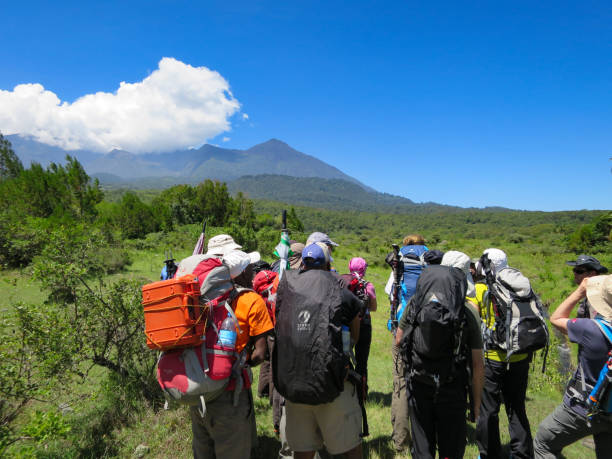
Once your Mount Meru trek begins, preparation alone is not enough—real safety happens during the hike itself. This is where many trekkers either succeed or struggle, depending on how well they follow Mount Meru trek safety tips provided by guides and park authorities.
Unlike simple hiking routes, Mount Meru is a dynamic environment where weather, altitude, terrain, and wildlife conditions can change within hours. Therefore, understanding Mount Meru trek safety tips during the hike is critical for every climber who wants to reach the summit safely.
At Nabak Safaris and Tours, our guides continuously monitor trekkers’ health, pace, and environment to ensure that safety is maintained throughout the journey.
Daily Trekking Safety Rules on Mount Meru
Every day on Mount Meru follows a structured hiking routine designed to maximize safety and minimize risk.
1. Follow the “Pole Pole” Rule
“Pole pole” (slowly, slowly) is one of the most important Mount Meru trek safety tips. Walking slowly allows your body to adjust to altitude and reduces fatigue.
2. Stick with the Group
Never hike alone. Staying with your group ensures:
- Faster emergency response
- Wildlife protection
- Better altitude monitoring
3. Listen to Your Guide
Guides are trained in mountain rescue, weather prediction, and wildlife behavior. Ignoring instructions increases risk significantly.
4. Regular Hydration Stops
Drink water every 20–30 minutes even if you are not thirsty. Dehydration increases altitude sickness risk.
Keyword Focus: Mount Meru Trek Safety Tips in Practice
Throughout the hike, the most important principle is consistency in applying Mount Meru trek safety tips rather than only knowing them.
These include:
- Maintaining slow pace
- Monitoring breathing
- Adjusting clothing layers
- Reporting symptoms early
- Respecting wildlife boundaries
Keyword usage in real trekking life translates to safe behavior decisions, not just theory.
Wildlife Safety During Mount Meru Trek
Mount Meru is unique because it is part of Arusha National Park, meaning trekkers share the environment with wild animals.
Common Wildlife Encounters
- Buffaloes near forest zones
- Colobus monkeys in trees
- Giraffes in lower plains
- Occasional elephant movement paths
Wildlife Safety Rules (Critical Mount Meru Trek Safety Tips)
- Always move with armed ranger escort
- Do not run if animals are spotted
- Keep noise low and controlled
- Never attempt to feed or approach animals
- Follow ranger directions instantly
Comparison: Wildlife Risk vs Kilimanjaro
| Factor | Mount Meru | Mount Kilimanjaro |
|---|---|---|
| Wildlife Presence | High (inside park) | Very low |
| Ranger Requirement | Mandatory | Not required |
| Encounter Risk | Medium–High | Low |
| Safety Strategy | Active wildlife management | Minimal wildlife control |
👉 Key Insight:
Wildlife awareness is a core part of Mount Meru trek safety tips, unlike Kilimanjaro where the focus is mainly altitude.
Altitude Management During the Hike
Altitude is one of the biggest challenges on Mount Meru. Because the climb is steep and fast, your body has less time to adapt.
Warning Signs to Watch
- Persistent headache
- Dizziness or confusion
- Shortness of breath
- Nausea or vomiting
Safety Actions
- Stop and rest immediately
- Inform your guide
- Drink water slowly
- Do not continue if symptoms worsen
Comparison: Altitude Strategy
| Factor | Mount Meru | Kilimanjaro |
|---|---|---|
| Acclimatization Time | Short | Long |
| Risk Speed | Fast onset | Gradual onset |
| Monitoring Needs | High frequency | Moderate frequency |
| Guide Intervention | Immediate | Planned stages |
👉 This is why Mount Meru trek safety tips emphasize early symptom reporting more than endurance.
Trail Safety & Terrain Awareness
Mount Meru has diverse terrain including forest paths, rocky ridges, and steep volcanic slopes.
Trail Hazards
- Slippery rainforest ground
- Loose volcanic rocks
- Narrow ridges near summit
- Sudden fog reducing visibility
Safety Techniques
- Use trekking poles for balance
- Step carefully on rocky sections
- Maintain distance between hikers
- Avoid rushing on steep climbs
Emergency Response Procedures on Mount Meru
Even with perfect preparation, emergencies can happen. That is why professional guiding is essential.
Common Emergency Situations
- Severe altitude sickness
- Injury from slips or falls
- Wildlife blocking trail
- Extreme weather changes
Emergency Protocol
- Guide assesses situation immediately
- First aid is provided on site
- Decision made to descend or continue
- Park rangers assist evacuation if needed
Comparison: Emergency Systems
| Factor | Mount Meru | Kilimanjaro |
|---|---|---|
| Response Time | Fast (smaller area) | Slower (larger terrain) |
| Evacuation Method | Foot + ranger support | Helicopter + stretcher zones |
| Medical Access | Basic field response | More structured camps |
| Risk Control | High guide dependency | Structured camp system |
👉 Key Insight:
Mount Meru has faster response but requires strict guide cooperation, which is part of essential Mount Meru trek safety tips.
Weather Safety During the Trek
Weather on Mount Meru changes quickly, especially between forest and summit zones.
Possible Conditions
- Heavy rainforest rain
- Cold wind near summit
- Fog reducing visibility
- Sudden temperature drops
Safety Measures
- Always carry waterproof jacket
- Layer clothing properly
- Avoid stopping in exposed ridges
- Protect electronics and gear
Expert Advice from Nabak Safaris and Tours
Our field experience shows that most trekking issues come from:
- Ignoring slow pace rules
- Poor hydration habits
- Not reporting early symptoms
- Underestimating weather changes
That is why we continuously reinforce Mount Meru trek safety tips throughout the climb—not just before it
Mount Meru Trek Safety Tips: FAQs, Expert Summary, Customer Guidance & Final Recommendations
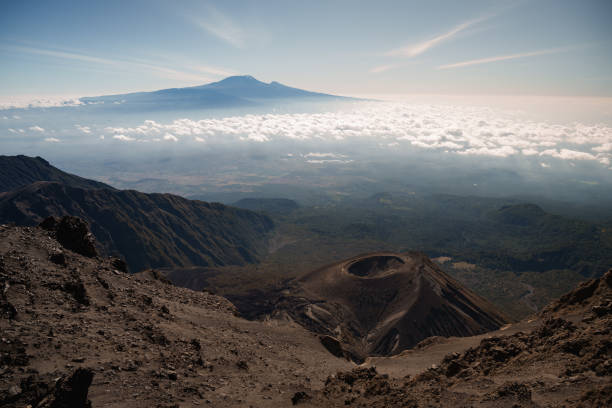
Mount meru crater with mount kilimanjaro in the background, under a cloudy sky, arusha region, tanzania, africa
After understanding preparation, gear, and in-trek safety rules, the final part of mastering Mount Meru trek safety tips is knowing what most trekkers usually ask, what experts recommend, and how to make final decisions before your climb.
This section is designed to give clarity, confidence, and practical answers that help you complete your Mount Meru trek safely and successfully with Nabak Safaris and Tours.
Frequently Asked Questions (FAQs) on Mount Meru Trek Safety Tips
1. Is Mount Meru safe for beginners?
Yes, Mount Meru is safe for beginners if proper Mount Meru trek safety tips are followed. However, beginners must go with a licensed guide and prepare physically. The trek is steep, so fitness matters more than technical climbing skills.
2. What is the biggest risk during Mount Meru trek?
The biggest risks are:
- Altitude sickness due to fast elevation gain
- Slippery terrain in rainforest zones
- Wildlife encounters in lower sections
Following Mount Meru trek safety tips like slow pacing and hydration significantly reduces these risks.
3. Do I need a guide for Mount Meru trek?
Yes. A guide and armed ranger are mandatory. This is part of official park regulations and a key safety requirement. Guides ensure navigation, wildlife protection, and altitude monitoring.
4. How many days are safe for Mount Meru climb?
The standard safe itinerary is 3–4 days. Shorter treks increase risk because the body has less time to adjust to altitude.
5. What is the best time to climb Mount Meru safely?
The best time is during:
- June to October (dry season)
- December to February (clear skies)
Avoid heavy rainy seasons because trails become slippery and visibility decreases.
Expert Summary: Key Mount Meru Trek Safety Tips
From professional mountain guides at Nabak Safaris and Tours, here are the most important safety principles summarized:
1. Slow Pace is Non-Negotiable
Walking slowly reduces fatigue and prevents altitude sickness.
2. Hydration is Protection
Water is your strongest defense against AMS (Acute Mountain Sickness).
3. Listen to Your Body
Early symptoms must be reported immediately to guides.
4. Respect Wildlife
You are trekking in a natural habitat—never ignore ranger instructions.
5. Proper Gear Saves Energy
Incorrect clothing or footwear increases fatigue and risk.
👉 These core Mount Meru trek safety tips are simple but powerful when followed consistently.
Customer Guidance: How to Prepare for a Safe Trek with Nabak Safaris and Tours
At Nabak Safaris and Tours, we ensure every trekker receives full support before and during the climb.
Before the Trek
- Full briefing on route and safety
- Gear checklist review
- Fitness recommendations
- Weather updates
During the Trek
- Professional mountain guide support
- Armed ranger escort
- Daily health monitoring
- Emergency readiness system
After the Trek
- Recovery advice
- Feedback session
- Photography and summit certificate support
This structured approach ensures that all Mount Meru trek safety tips are applied in real experience, not just theory.
Final Safety Checklist for Mount Meru Trek
Before starting your climb, ensure you have:
- ✔ Proper hiking boots
- ✔ Layered clothing system
- ✔ Waterproof jacket
- ✔ Sleeping bag (cold rated)
- ✔ Trekking poles
- ✔ First aid kit
- ✔ Water bottles/hydration system
- ✔ Headlamp and batteries
- ✔ Personal medication
- ✔ Valid trekking permits
Comparison Insight: Safe Trekking Experience vs Poor Preparation
| Factor | Well Prepared Trekker | Poorly Prepared Trekker |
|---|---|---|
| Altitude Response | Managed effectively | High risk of AMS |
| Energy Levels | Stable throughout trek | Early fatigue |
| Safety Awareness | High | Low |
| Summit Success Rate | High | Low |
| Experience Quality | Enjoyable | Stressful |
👉 This clearly shows why following Mount Meru trek safety tips is directly linked to success.
External Authority Insight (General Guidance)
Mountaineering safety experts globally agree that:
- Gradual ascent reduces altitude sickness risk
- Hydration improves physical endurance at high altitude
- Proper gear reduces injury risk significantly
This aligns with international trekking safety standards used in mountain regions worldwide.
Final Travel Recommendation from Nabak Safaris and Tours
Mount Meru is not just a hike—it is a full adventure combining forest trekking, wildlife viewing, and high-altitude climbing.
For the safest and most enjoyable experience:
- Choose experienced local guides
- Do not rush the climb
- Respect all safety instructions
- Prepare physically before arrival
With the right planning, Mount Meru becomes one of the most rewarding trekking experiences in Africa.
Final Conclusion
Mastering Mount Meru trek safety tips is the key to a successful summit. From preparation and gear selection to real-time trekking safety and emergency response, every step matters.
With proper guidance from Nabak Safaris and Tours, trekkers can confidently explore Mount Meru knowing they are fully supported, well-prepared, and safe throughout the journey.
About the Author
