
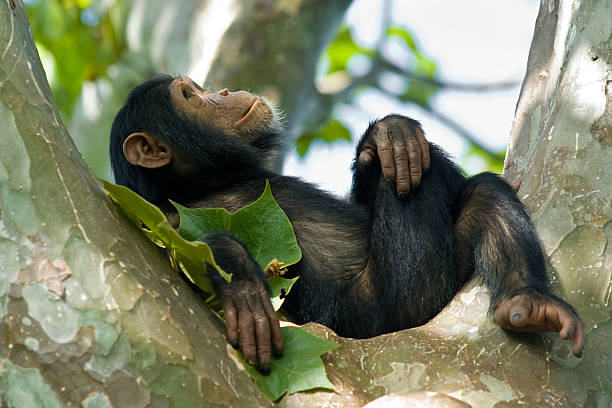
Discover rare animals in Tanzania, from the elusive pangolin to the Zanzibar red colobus. Explore top safari destinations like Serengeti National Park and plan your unforgettable wildlife adventure with expert tips.
Introduction
Tanzania is one of Africa’s most extraordinary wildlife destinations, home to ecosystems that support some of the rarest animals on Earth. From the vast plains of Serengeti National Park to the remote wilderness of Ruaha National Park, the country offers a unique opportunity to encounter species that are difficult—or impossible—to find anywhere else.
For travelers planning a safari with companies like Nabaki Safaris and Tours, understanding which rare animals in Tanzania you can see—and where to find them—can transform your trip into a once-in-a-lifetime experience.
In this guide, we’ll explore exclusive wildlife species, where to spot them, and why Tanzania stands out globally in conservation and biodiversity.
Unique and Rare Animals Found Only in Tanzania
1.1 The Udzungwa Red Colobus Monkey
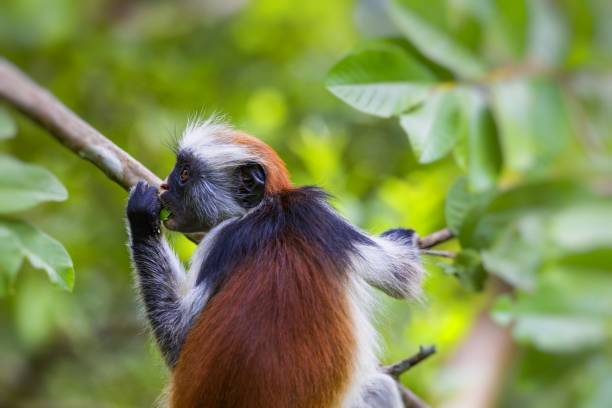
The Udzungwa Red Colobus Monkey is one of the most distinctive and endangered primates among the rare animals in Tanzania, found exclusively in the lush, biodiverse forests of Udzungwa Mountains National Park. This species is easily recognized by its striking reddish-brown coat, black face, and long tail, features that not only make it visually unique but also perfectly adapted for life high in the forest canopy. As a strictly arboreal primate, it spends nearly its entire life in the treetops, feeding primarily on young leaves, shoots, seeds, and unripe fruits, which play a critical role in maintaining forest health and regeneration. What makes the Udzungwa red colobus particularly fascinating is its complex social structure, living in large, cohesive groups that rely on strong communication and cooperation to survive in a habitat increasingly threatened by human activity. Unlike more widespread monkey species, its range is extremely limited, making it highly vulnerable to deforestation and environmental changes, which is why conservation efforts in Udzungwa are so vital. For eco-tourists and wildlife enthusiasts, encountering this rare primate offers not only a unique safari experience but also a deeper appreciation of Tanzania’s rich ecological diversity and the importance of preserving endemic species that cannot be found anywhere else in the world.
1.2 The Zanzibar Red Colobus Monkey
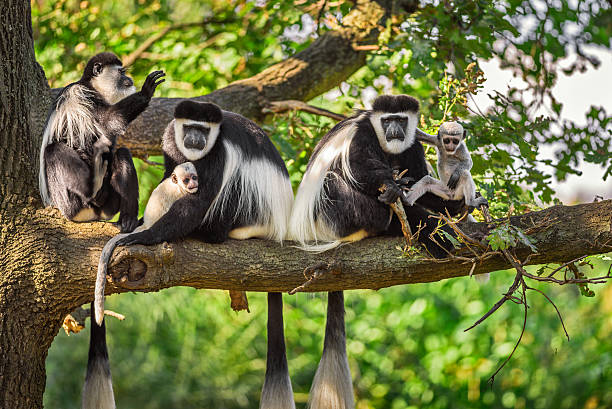
The Zanzibar Red Colobus Monkey is one of the most iconic and rare animals in Tanzania, making it a must-see species for travelers seeking a unique and meaningful safari experience. Endemic to the island of Zanzibar, this fascinating primate is most commonly found in the protected forests of Jozani Forest, where it thrives in a delicate ecosystem that supports its survival. As one of the most recognizable rare animals in Tanzania, the Zanzibar red colobus is known for its striking appearance, featuring a reddish-brown back, white underside, and a distinctive black face framed by a crown of soft hair. Unlike many other primates, it has a slow, deliberate movement style and spends most of its time in the trees, feeding on leaves, seeds, and unripe fruits, which contribute to forest regeneration.
What makes the Zanzibar Red Colobus Monkey especially interesting among rare animals in Tanzania is its unusual digestive system, which allows it to break down tough plant material that many other species cannot consume. This adaptation gives it a unique ecological role but also makes it sensitive to environmental changes. Despite being relatively easy to observe compared to other rare animals in Tanzania, it is still classified as endangered due to habitat loss, human encroachment, and road accidents within its limited range. Conservation efforts have been intensified in recent years to protect this species, as it is not only biologically important but also a major attraction for eco-tourism in Zanzibar.
For visitors exploring rare animals in Tanzania, encountering the Zanzibar red colobus offers an intimate and unforgettable wildlife experience. Its tolerance of humans allows for close observation and photography, making it one of the few rare animals in Tanzania that can be appreciated without extensive tracking or long safaris. However, this accessibility also highlights the importance of responsible tourism practices to ensure that its natural behavior is not disrupted. Ultimately, the Zanzibar Red Colobus Monkey stands as a powerful symbol of Tanzania’s unique biodiversity, reinforcing why rare animals in Tanzania continue to attract global attention from conservationists, researchers, and travelers alike.
1.3 African Wild Dogs
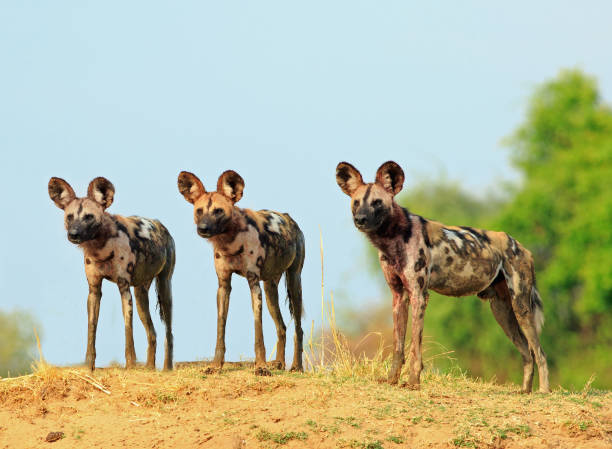
The African Wild Dog (Lycaon pictus) is one of the most fascinating predators among the rare animals in Tanzania, known for its intelligence, teamwork, and striking appearance. Often referred to as painted wolves due to their unique, patchy coats of black, brown, white, and yellow, no two individuals look exactly alike—making them one of the most visually distinctive rare animals in Tanzania. These highly social carnivores live and hunt in coordinated packs, typically led by a dominant breeding pair, and rely on exceptional communication and cooperation to survive in the wild. Unlike many other predators, African wild dogs have an incredibly high hunting success rate, sometimes exceeding 70–80%, which sets them apart from lions and hyenas. This efficiency makes them a crucial part of the ecosystem and highlights their importance among rare animals in Tanzania.
In Tanzania, African wild dogs are most commonly found in remote and less crowded protected areas such as Ruaha National Park and Nyerere National Park (formerly part of the Selous ecosystem), where vast landscapes provide the space they need to roam and hunt. These regions offer some of the best chances in Africa to observe rare animals in Tanzania like wild dogs in their natural habitat, far from heavy tourist traffic. Their preference for open woodlands and savannahs allows them to cover long distances while hunting medium-sized antelope, using endurance rather than stealth to exhaust their prey.
Despite their remarkable adaptability, African wild dogs remain endangered and are considered one of the most threatened rare animals in Tanzania. Their populations have declined significantly due to habitat fragmentation, human-wildlife conflict, and diseases such as rabies and canine distemper transmitted from domestic animals. Because they require large territories to thrive, increasing human settlement has limited their range, making conservation efforts critical for their survival. Organizations and park authorities in Tanzania have implemented monitoring programs and community-based conservation initiatives to protect these animals, reinforcing the country’s commitment to preserving rare animals in Tanzania.
For safari travelers, spotting African wild dogs is often seen as a rare and rewarding experience, as sightings are unpredictable and require expert tracking skills. This is why choosing experienced guides—such as those from professional safari operators like Nabaki Safaris and Tours—can significantly improve your chances of encountering these incredible predators. Watching a pack in action, communicating through high-pitched calls and working together with precision, offers a deeper appreciation of why African wild dogs are among the most extraordinary rare animals in Tanzania. Their presence not only enriches the safari experience but also serves as a powerful reminder of the importance of protecting biodiversity in one of Africa’s most wildlife-rich nations.
1.4 The Pangolin (World’s Most Trafficked Mammal)
The Pangolin, often referred to as the world’s most trafficked mammal, is one of the most elusive and endangered species among the rare animals in Tanzania, making it a truly extraordinary sight for any safari traveler. Covered in a unique armor of overlapping keratin scales, the pangolin is unlike any other mammal on Earth, and its shy, nocturnal behavior adds to its mystery and rarity. In Tanzania, pangolins can be found in select protected areas such as Ruaha National Park and Nyerere National Park, though sightings are extremely rare due to their secretive nature. This makes them one of the most sought-after rare animals in Tanzania for wildlife enthusiasts and conservation-focused travelers.
What sets the pangolin apart from other rare animals in Tanzania is not only its physical appearance but also its specialized diet and behavior. Pangolins primarily feed on ants and termites, using their long, sticky tongues—sometimes longer than their own bodies—to extract insects from deep within mounds and crevices. They have no teeth, relying entirely on this feeding mechanism and a strong stomach to digest their prey. When threatened, a pangolin curls into a tight ball, using its tough scales as a defense against predators such as lions and hyenas. This unique adaptation, while effective against natural threats, unfortunately does not protect it from humans, which is why it remains one of the most vulnerable rare animals in Tanzania.
The global demand for pangolin scales and meat has driven illegal wildlife trafficking to alarming levels, placing this species at the center of one of the largest wildlife crimes in the world. As a result, pangolins are critically endangered, and their populations have declined drastically across Africa and Asia. In Tanzania, strict conservation measures have been implemented to protect these rare animals in Tanzania, including anti-poaching patrols, community awareness programs, and international cooperation to combat illegal trade. Despite these efforts, the pangolin’s survival remains uncertain, highlighting the urgent need for continued protection and responsible tourism.
For visitors hoping to encounter rare animals in Tanzania, seeing a pangolin is considered a once-in-a-lifetime experience, often requiring patience, expert tracking, and sometimes even night safaris guided by experienced professionals. Unlike more visible wildlife, the pangolin’s rarity adds a deeper sense of value and appreciation to the encounter, symbolizing the fragile balance of Tanzania’s ecosystems. Ultimately, the pangolin stands as a powerful representation of why rare animals in Tanzania must be protected—not only for their ecological importance but also for future generations to witness one of nature’s most unique and remarkable creatures.
1.5 Comparison Table: Rare Animals Overview
| Animal | Location | Rarity Level | Best Time to See |
|---|---|---|---|
| Udzungwa Red Colobus | Udzungwa Mountains | Very High | Dry Season |
| Zanzibar Red Colobus | Zanzibar | High | Year-round |
| African Wild Dog | Ruaha / Selous | High | Dry Season |
| Pangolin | Various | Extremely High | Night Safaris |
Best Safari Destinations to Spot Rare Animals in Tanzania
2.1 Serengeti National Park
Serengeti National Park is not only famous for the Great Migration but also stands out as one of the best places to spot rare animals in Tanzania due to its vast and diverse ecosystem. The park is home to elusive predators such as leopards, cheetahs, and occasionally African wild dogs, which are considered among the most exciting rare animals in Tanzania to encounter on a safari. In certain seasons, visitors may also spot less common species like serval cats and caracals, adding to the uniqueness of wildlife experiences in the Serengeti. What makes this destination special is the natural balance between predators and prey, which creates opportunities to witness rare animals in Tanzania displaying authentic hunting behaviors in their natural habitat. This combination of biodiversity and seasonal wildlife movement makes the Serengeti a key location for travelers specifically interested in seeing rare animals in Tanzania in a truly wild and untouched environment.
2.2 Ngorongoro Crater
Ngorongoro Crater is one of the most unique safari destinations and a prime location for spotting rare animals in Tanzania due to its enclosed ecosystem and high wildlife density. This natural caldera creates a controlled environment where animals rarely migrate out, increasing the chances of encountering rare animals in Tanzania such as black rhinos, which are among the most endangered species in Africa. In addition to rhinos, the crater supports a variety of predators and less commonly seen wildlife, making it an ideal destination for travelers who want a higher probability of seeing rare animals in Tanzania within a short period of time. The combination of open grasslands, forests, and water sources within the crater ensures that rare animals in Tanzania can thrive while also making wildlife viewing more predictable and rewarding for visitors.
2.3 Ruaha National Park (Hidden Gem)
Ruaha National Park is often described as a hidden gem in southern Tanzania and is one of the most important habitats for rare animals in Tanzania due to its vast, untouched wilderness and low tourist traffic. The park is especially known for its strong population of predators, including African wild dogs, lions, and leopards, which makes it a key destination for anyone interested in observing rare animals in Tanzania in a more remote and natural setting. Unlike more crowded parks, Ruaha offers a raw safari experience where wildlife moves freely across large landscapes, increasing the chances of encountering rare animals in Tanzania in undisturbed behaviors such as hunting and pack movement. Its diverse ecosystem, which includes baobab-dotted plains and river systems, supports a wide range of species, making Ruaha one of the most rewarding places to explore rare animals in Tanzania away from mainstream safari routes.
2.4 Selous Game Reserve (Nyerere National Park)
Nyerere National Park, formerly known as Selous Game Reserve, is one of the largest protected wilderness areas in Africa and an important destination for seeing rare animals in Tanzania in a truly wild and untouched environment. The park is especially famous for its healthy population of African wild dogs, which are among the most endangered and exciting rare animals in Tanzania to encounter due to their highly social and unpredictable hunting behavior. In addition to predators, the park also supports elephants, hippos, and crocodiles along its vast river systems, creating a rich ecosystem where rare animals in Tanzania can thrive with minimal human disturbance. Its remote location and large size make wildlife encounters feel more natural and less crowded, giving visitors a high chance of experiencing rare animals in Tanzania in their authentic habitat.
Why Tanzania is the Best Destination for Rare Wildlife Safaris
3.1 Strong Conservation Efforts
Tanzania has invested heavily in protecting wildlife through:
- National parks
- Anti-poaching units
- Community conservation programs
Organizations like Tanzania National Parks Authority play a major role.
3.2 Diverse Ecosystems
From savannahs to forests and wetlands, Tanzania supports diverse habitats.
Examples:
- Savannah: Serengeti
- Forest: Udzungwa
- Coastal: Zanzibar
3.3 Professional Safari Experience
Tour companies like Nabaki Safaris and Tours provide:
- Expert guides
- Customized itineraries
- Luxury and budget options
3.4 Customer Expert Tips
To maximize your safari:
- Book during dry season (June–October)
- Choose less crowded parks
- Invest in experienced guides
- Be patient—rare animals require time to spot
3.5 Bullet Point Summary (Quick Value)
- Tanzania hosts some of the rarest animals globally
- Multiple parks increase sighting chances
- Conservation efforts are strong
- Ideal for both luxury and budget travelers
FAQs: Rare Animals in Tanzania
Q1: What is the rarest animal in Tanzania?
The pangolin is considered one of the rarest due to its elusive nature and endangered status.
Q2: Where can I see rare animals in Tanzania?
Top locations include Serengeti, Ruaha, and Selous Game Reserve.
Q3: When is the best time for a safari?
Dry season offers better visibility and higher chances of spotting wildlife.
Q4: Are safaris in Tanzania safe?
Yes, when organized by professional tour operators.
Conclusion
Tanzania remains unmatched when it comes to rare wildlife experiences. Whether you’re exploring the forests of Udzungwa or the plains of the Serengeti, the opportunity to witness rare animals in Tanzania is both thrilling and unforgettable.
For travelers seeking authenticity, biodiversity, and world-class safari experiences, Tanzania stands as a top global destination.
Quick Summary
- Tanzania is home to rare and endemic species
- Best parks include Serengeti, Ruaha, and Ngorongoro
- Conservation efforts protect unique wildlife
- Ideal for unforgettable safari experiences
About the Author
This article was written by a professional travel content specialist in collaboration with safari experts from Nabaki Safaris and Tours, dedicated to providing authentic and high-quality African travel experiences.
About the Author
