
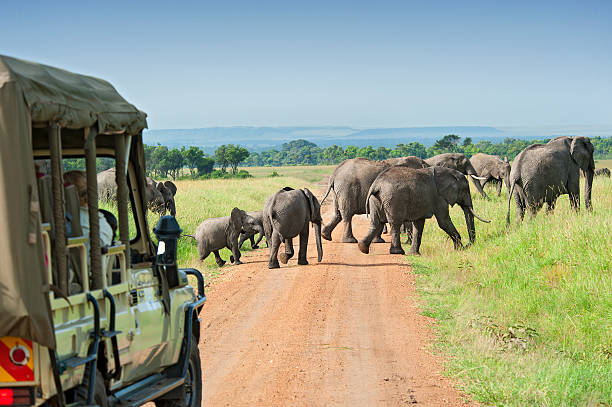
Discover responsible tourism in Tanzania and how it protects wildlife, supports local communities, and promotes sustainable travel. Explore top destinations like Serengeti National Park and learn how eco-friendly safaris create meaningful and ethical travel experiences in Tanzania
INTRODUCTION
Responsible tourism in Tanzania has become one of the most important approaches in modern travel, especially as more visitors explore the country’s world-famous wildlife destinations such as Serengeti National Park, Ngorongoro Crater, and Ruaha National Park. As tourism continues to grow, responsible tourism in Tanzania ensures that natural ecosystems, wildlife populations, and local communities are protected while still allowing travelers to enjoy unforgettable safari experiences.
Responsible tourism in Tanzania is not just about visiting national parks—it is about making conscious choices that reduce environmental impact, support conservation efforts, and respect local cultures. This approach helps maintain biodiversity, ensures the survival of endangered species, and promotes long-term sustainability of Tanzania’s tourism industry.
Understanding Responsible Tourism in Tanzania
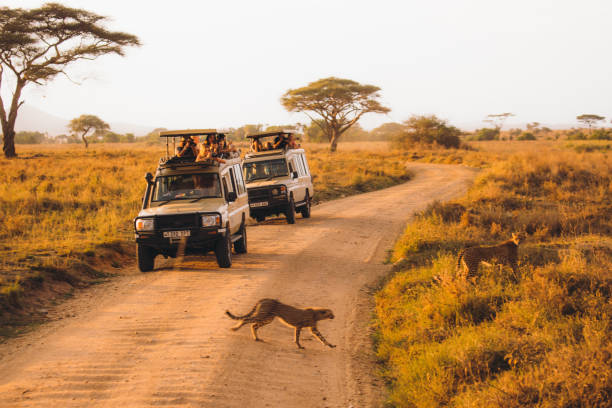
Responsible tourism in Tanzania refers to a travel approach that minimizes negative impacts on the environment and maximizes benefits for local communities and wildlife conservation. Unlike mass tourism, responsible tourism in Tanzania focuses on ethical travel practices that ensure future generations can also enjoy the country’s natural beauty.
One of the core principles of responsible tourism in Tanzania is wildlife protection. Tanzania is home to some of the world’s most iconic animals, including elephants, lions, and rhinos. However, these species are vulnerable to threats such as poaching and habitat loss. Through responsible tourism in Tanzania, visitors support conservation efforts by choosing eco-certified lodges, respecting park rules, and avoiding activities that disturb wildlife.
Another important aspect of responsible tourism in Tanzania is community involvement. Local communities living near protected areas benefit directly from tourism through employment opportunities, cultural tourism experiences, and revenue sharing programs. This ensures that responsible tourism in Tanzania creates a positive economic impact while reducing human-wildlife conflict.
Education also plays a key role. Tour operators like Nabaki Safaris and Tours promote responsible tourism in Tanzania by educating travelers on how to behave in national parks, such as maintaining safe distances from animals and avoiding littering. This helps preserve the natural environment and ensures that wildlife remains undisturbed.
Additionally, responsible tourism in Tanzania supports conservation organizations and government bodies such as Tanzania National Parks Authority, which manage protected areas and enforce environmental regulations. These efforts help maintain the balance between tourism growth and environmental protection.
Ultimately, responsible tourism in Tanzania is about creating harmony between humans, wildlife, and nature. It ensures that tourism does not harm ecosystems but instead contributes positively to their preservation.
How Responsible Tourism in Tanzania Protects Wildlife and Ecosystems
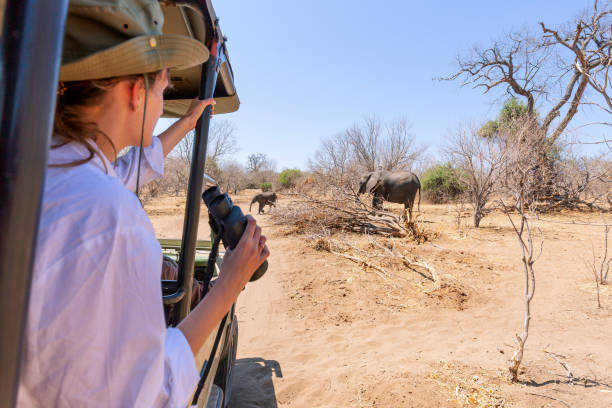
Responsible tourism in Tanzania plays a critical role in protecting the country’s unique ecosystems, especially in major wildlife destinations such as Serengeti National Park. By following strict conservation guidelines, responsible tourism in Tanzania helps reduce human impact on wildlife habitats and ensures animals can live naturally without disturbance.
One major way responsible tourism in Tanzania protects ecosystems is through controlled visitor access. National parks regulate the number of vehicles allowed in certain areas, preventing overcrowding and minimizing soil erosion. This helps maintain the natural environment while still allowing tourists to experience wildlife safely.
Another key factor is eco-friendly accommodation. Many safari lodges and camps now operate under sustainable standards, using solar energy, reducing plastic waste, and sourcing food locally. These practices are central to responsible tourism in Tanzania and significantly reduce environmental damage caused by tourism activities.
Responsible tourism in Tanzania also supports anti-poaching initiatives. Tourists indirectly contribute to conservation funding through park fees and safari packages, which are used to support ranger patrols and wildlife monitoring systems. This is especially important in protecting endangered species such as rhinos and elephants.
In addition, responsible tourism in Tanzania encourages low-impact safari activities such as walking safaris, hot air balloon safaris, and guided game drives that follow strict wildlife interaction rules. These activities ensure that animals are observed without stress or disruption.
Education and awareness campaigns also help visitors understand the importance of conservation. Tour guides often explain how ecosystems work, the role of predators and prey, and why every species is important. This deepens appreciation for responsible tourism in Tanzania and encourages ethical travel behavior.
Challenges and Solutions in Responsible Tourism in Tanzania
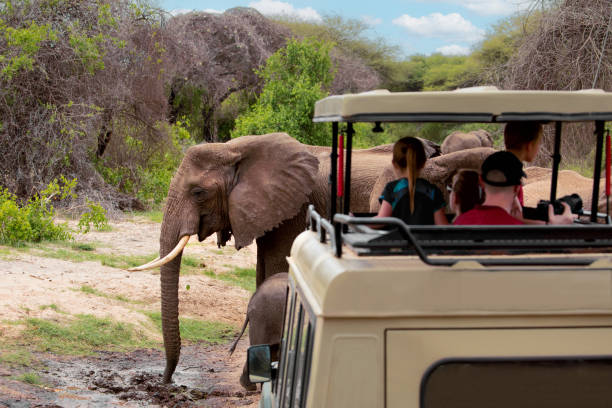
Responsible tourism in Tanzania is growing rapidly, but it also faces several challenges that must be addressed to ensure long-term sustainability. One of the main challenges in responsible tourism in Tanzania is the pressure from increasing tourist numbers, especially in popular destinations like Serengeti National Park. As visitor numbers rise, there is a risk of environmental degradation, overcrowding, and disturbance to wildlife habitats. This makes it essential for responsible tourism in Tanzania to focus on controlled tourism flows and strict park regulations.
Another challenge in responsible tourism in Tanzania is waste management within and around protected areas. Some tourism activities can generate plastic waste, fuel emissions, and other pollutants that negatively affect ecosystems. Without proper systems in place, this can reduce the effectiveness of responsible tourism in Tanzania and harm fragile environments. However, many operators are now adopting eco-friendly practices such as banning single-use plastics, using solar energy, and encouraging digital documentation to reduce paper waste.
Human-wildlife conflict is also a growing concern in responsible tourism in Tanzania, especially in areas where communities live near national parks. As wildlife moves outside protected boundaries, incidents involving livestock or crops can occur. This creates tension between conservation efforts and local livelihoods. To address this, responsible tourism in Tanzania promotes community-based conservation programs that ensure local people benefit directly from tourism revenue, reducing conflict and increasing cooperation.
Another key challenge is lack of awareness among some travelers about proper safari behavior. Some tourists may unintentionally disturb wildlife by getting too close or making loud noises. This goes against the principles of responsible tourism in Tanzania, which emphasize respect for animals and natural habitats. To solve this, tour operators like Nabaki Safaris and Tours provide detailed pre-safari briefings to educate visitors on ethical wildlife viewing.
Despite these challenges, there are strong solutions being implemented to strengthen responsible tourism in Tanzania. Government agencies such as Tanzania National Parks Authority are improving park management systems, increasing ranger patrols, and enforcing stricter conservation laws. Additionally, many safari companies are shifting towards eco-tourism models that fully align with responsible tourism in Tanzania principles.
Technology is also playing a role in improving responsible tourism in Tanzania. Digital monitoring systems, GPS tracking of wildlife, and online booking systems help reduce environmental impact and improve efficiency. These innovations ensure that responsible tourism in Tanzania continues to evolve in a sustainable direction.
Ultimately, overcoming these challenges is essential for the future of responsible tourism in Tanzania. By combining strong policies, community involvement, education, and sustainable practices, Tanzania can continue to be a global leader in ethical wildlife tourism while preserving its natural heritage for future generations.
Benefits of Responsible Tourism in Tanzania for Travelers and Local Communities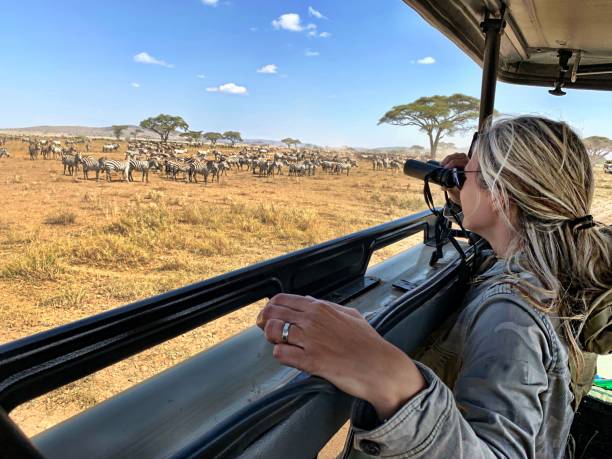
Responsible tourism in Tanzania offers significant benefits not only to wildlife and ecosystems but also to travelers and local communities. For tourists, responsible tourism in Tanzania provides a more authentic and meaningful travel experience. Instead of simply observing wildlife, travelers gain a deeper understanding of conservation, culture, and environmental sustainability.
One of the major benefits of responsible tourism in Tanzania is cultural exchange. Visitors have the opportunity to interact with local communities, learn about traditional lifestyles, and support local artisans. This creates mutual respect and strengthens cultural preservation.
For local communities, responsible tourism in Tanzania creates employment opportunities in guiding, hospitality, and transportation sectors. Many families living near national parks depend on tourism for income, making responsible tourism in Tanzania a key driver of economic development.
From a conservation perspective, responsible tourism in Tanzania ensures long-term protection of wildlife habitats. Revenue generated from tourism is reinvested into park management, research, and conservation programs, helping maintain biodiversity across the country.
Travelers also benefit from safer and more organized safari experiences. With professional operators like Nabaki Safaris and Tours promoting responsible tourism in Tanzania, visitors enjoy well-planned itineraries that prioritize safety, comfort, and environmental responsibility.
Ultimately, responsible tourism in Tanzania creates a win-win situation where wildlife is protected, communities benefit economically, and travelers enjoy unforgettable experiences in one of the world’s most beautiful safari destinations.
COMPARISON TABLE: Responsible vs Mass Tourism
| Feature | Responsible Tourism in Tanzania | Mass Tourism |
|---|---|---|
| Environmental Impact | Low | High |
| Wildlife Protection | Strong focus | Limited |
| Community Benefits | High | Low |
| Experience Quality | Authentic & immersive | Crowded & commercial |
| Sustainability | Long-term | Short-term |
QUICK SUMMARY
Responsible tourism in Tanzania is a sustainable travel approach that focuses on protecting wildlife, supporting local communities, and preserving natural ecosystems. It ensures that destinations like Serengeti National Park remain intact for future generations while offering travelers meaningful and ethical safari experiences. By practicing responsible tourism in Tanzania, visitors contribute directly to conservation efforts, community development, and environmental sustainability.
FREQUENTLY ASKED QUESTIONS (FAQs)
Q1: What is responsible tourism in Tanzania?
It is a sustainable travel approach that minimizes environmental impact and supports conservation and local communities.
Q2: Why is responsible tourism in Tanzania important?
It helps protect wildlife, preserve ecosystems, and ensure tourism benefits local people.
Q3: How can tourists practice responsible tourism in Tanzania?
By following park rules, using eco-friendly lodges, and respecting wildlife.
Q4: Which areas promote responsible tourism in Tanzania?
National parks like Serengeti, Ngorongoro, and Ruaha strongly support sustainable tourism.
About the Author
