
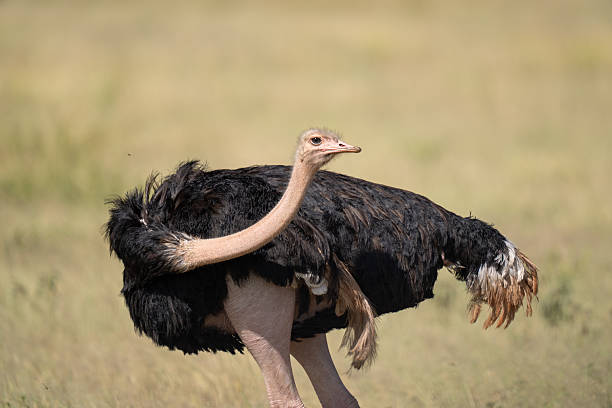
Discover expert Tarangire bird watching tips, best birding spots, seasons, species, and photography advice in Tanzania. Plan your birding safari with Nabak Safaris and Tours.
Why Tarangire is One of Africa’s Best Birding Destinations
A well-planned Tarangire bird watching tips guide is essential for anyone interested in birding safaris in Tanzania. Located in northern Tanzania, Tarangire National Park is one of the richest bird habitats in East Africa, hosting over 500 recorded bird species.
Unlike many safari destinations that focus mainly on large mammals, Tarangire offers a unique combination of diverse birdlife, seasonal migration patterns, and varied ecosystems, making it a top destination for bird enthusiasts.
With expert guidance from Nabak Safaris and Tours, travelers can transform a simple safari into a professional birding experience.
Quick Summary: Essential Tarangire Bird Watching Tips
If you want a fast overview:
- Best birding season: November to May (wet season)
- Over 500 bird species recorded
- Best habitats: riverbanks, swamps, acacia woodland
- Key attraction: migratory and resident species mix
- Ideal for photographers and ornithologists
This summary forms the foundation of any Tarangire bird watching tips guide.
Why Tarangire is a Birding Hotspot
Tarangire National Park is unique because it combines multiple ecosystems within one protected area.
1. Seasonal Wetlands and River Systems
The presence of the Tarangire River creates a permanent water source that attracts both resident and migratory birds.
2. Diverse Habitats
Birds thrive in:
- Riverine forests
- Open savannah
- Swampy areas
- Baobab-dominated landscapes
This diversity is a key reason why Tarangire bird watching tips are highly valued among birders.
What Makes Tarangire Different from Other Birding Destinations
Compared to other parks like Serengeti National Park or Ngorongoro Crater, Tarangire offers:
1. Higher Bird Density in Wet Season
Migratory species arrive from Europe and Asia.
2. Less Tourist Pressure
Fewer vehicles allow peaceful bird observation.
3. Unique Species Mix
Combination of savannah and wetland birds.
Core Bird Species You Can Expect in Tarangire
A proper Tarangire bird watching tips guide includes awareness of key species:
Common Resident Birds
- Yellow-collared Lovebird
- Kori Bustard
- African Fish Eagle
- Helmeted Guineafowl
Migratory Birds (Wet Season)
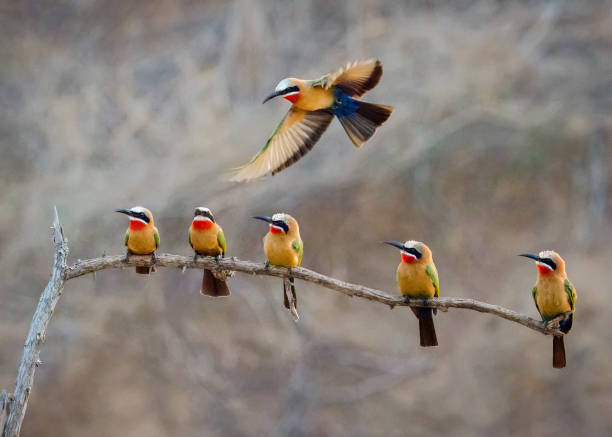
- European Bee-eater
- Barn Swallow
- Steppe Eagle
- Abdim’s Stork
Water-Dependent Birds
- Herons
- Kingfishers
- Storks
- Flamingo species (seasonal sightings nearby wetlands)
Best Habitats for Bird Watching in Tarangire
Understanding location is critical in any Tarangire bird watching tips guide.
1. River Zones
The Tarangire River attracts:
- Kingfishers
- Eagles
- Herons
2. Swampy Areas
Best for:
- Flamingos
- Waterfowl
- Waders
3. Baobab Woodlands
Iconic habitats for:
- Owls
- Hornbills
- Raptors
Why You Need a Professional Birding Guide
A successful Tarangire bird watching tips experience depends heavily on expertise.
Booking with Nabak Safaris and Tours ensures:
- Identification of rare species
- Access to hidden birding hotspots
- Proper timing for bird activity
- Professional binocular support and guidance
Why Seasons Define Bird Watching Success in Tarangire
Understanding Tarangire bird watching tips requires more than just knowing where birds are found—it requires understanding how seasons control bird movement, feeding behavior, and habitat use in Tarangire National Park.
Bird activity in Tarangire changes dramatically throughout the year because of rainfall patterns, water availability, and insect abundance around the Tarangire River.
This is why professional birders and travelers with Nabak Safaris and Tours always plan their trips based on seasonal birding behavior rather than general safari timing.
1. Wet Season (November – May): The Ultimate Birding Season
In most advanced Tarangire bird watching tips, the wet season is considered the peak birding period.
What Happens During This Season
- Heavy rains transform the landscape into lush greenery
- Insects and food sources increase dramatically
- Migratory birds arrive from Europe and Asia
- Breeding activity begins for many resident species
Birding Advantages in Wet Season
1. Arrival of Migratory Birds
This is the most exciting part of Tarangire bird watching tips during wet months.
You may observe:
- European Bee-eaters
- Steppe Eagles
- Barn Swallows
- Yellow Wagtails
These species travel thousands of kilometers and only stay temporarily in Tanzania.
2. Breeding Activity
Many resident birds become highly active:
- Mating displays
- Nest building
- Territorial calls
This makes birds easier to observe and photograph.
3. Increased Bird Diversity
During wet season, Tarangire National Park can host the highest diversity of bird species in the year.
2. Dry Season (June – October): Targeted Bird Watching Experience
Although wet season is peak for diversity, dry season is still important in Tarangire bird watching tips.
What Happens in Dry Season
- Water becomes limited
- Birds concentrate near permanent water sources
- Visibility improves due to less vegetation
Birding Advantages in Dry Season
1. Concentration Around Water
The Tarangire River becomes a major hotspot.
You can easily spot:
- Kingfishers
- Herons
- Eagles hunting near water
2. Easier Bird Spotting
With less foliage:
- Birds are more visible
- Photography becomes easier
- Identification improves
3. Predator-Bird Interaction
Dry season often shows rare interactions:
- Raptors hunting smaller birds
- Scavenger birds near animal kills
This adds depth to Tarangire bird watching tips for wildlife enthusiasts.
3. Key Bird Habitats in Tarangire
A strong Tarangire bird watching tips guide focuses on habitat-based birding.
A. Riverine Ecosystem (Highest Bird Density)
The most important zone in Tarangire National Park.
Common Birds
- Pied Kingfisher
- African Fish Eagle
- Goliath Heron
Why It Matters
- Permanent water source
- High insect activity
- Dense vegetation cover
B. Swamp & Wetlands
These areas are essential for wetland species.
Bird Types
- Storks
- Herons
- Wading birds
Best Season
Wet season (November–May)
C. Savannah Grasslands
Open plains provide excellent visibility.
Bird Types
- Kori Bustard
- Secretary Bird
- Ground Hornbills
D. Baobab Woodlands
Iconic landscape of Tarangire.
Bird Types
- Hornbills
- Owls
- Raptors nesting in tree hollows
4. Bird Behavior Patterns (Essential for Tarangire Bird Watching Tips)
Understanding behavior improves birding success.
Feeding Behavior
- Early morning = peak feeding time
- Midday = reduced activity
- Evening = second feeding peak
Flight Patterns
Birds often:
- Follow river corridors
- Move with insect waves after rain
- Gather in mixed-species flocks
Communication
Bird calls are more frequent during:
- Breeding season
- Territorial disputes
- Early morning hours
5. Rare and Special Bird Sightings in Tarangire
A highlight of Tarangire bird watching tips is rare species spotting.
Possible rare sightings include:
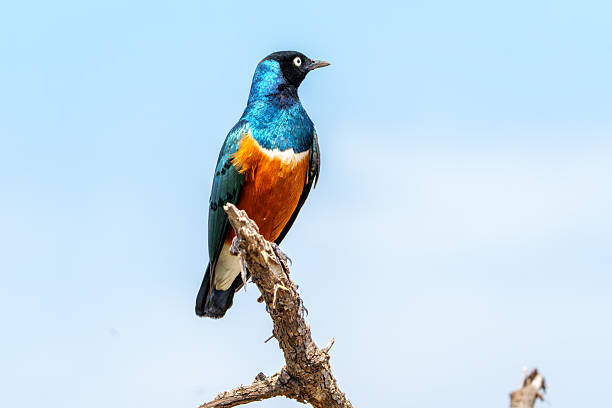
- Ashy Starling
- Red-and-Yellow Barbet
- White-bellied Go-away-bird
- Martial Eagle
These species make Tarangire a top birding destination in Africa.
6. Comparison Table: Seasonal Birding Experience
| Season | Bird Diversity | Visibility | Photography | Overall Birding Value |
|---|---|---|---|---|
| Wet Season | Very High | Moderate | Excellent | Best overall |
| Dry Season | Moderate | High | Very Good | Best for spotting |
7. Why Expert Guidance Matters in Bird Watching
Even experienced birders benefit from professional guidance.
With Nabak Safaris and Tours, visitors gain:
- Accurate bird identification
- Access to hidden bird habitats
- Seasonal timing optimization
- Professional spotting techniques
Key Insight
“Successful birding in Tarangire is not about luck—it is about timing, patience, and local knowledge.”
Turning Bird Knowledge into a Real Safari Experience
Knowing birds and seasons is only part of successful birding. The real value of Tarangire bird watching tips begins when you enter the field and apply structured planning, proper equipment, and smart movement strategies inside Tarangire National Park.
Bird watching is not passive—it is a skill that combines timing, observation, patience, and the right tools. This is why travelers with Nabak Safaris and Tours often achieve higher bird sighting success: their itineraries are designed specifically for bird behavior patterns.
1. Ideal Bird Watching Itinerary in Tarangire
A strong Tarangire bird watching tips strategy depends on structured daily movement.
A. Early Morning Birding Session (6:00 AM – 10:00 AM)
This is the most productive birding window.
Why Morning is Critical
- Birds are actively feeding
- Cooler temperatures increase movement
- Light is ideal for photography
What You Will See
- Kingfishers hunting near water
- Hornbills calling from treetops
- Raptors scanning open plains
Inside Tarangire River, bird activity is especially high in early hours.
B. Mid-Morning Exploration (10:00 AM – 1:00 PM)
Activity slows slightly but remains valuable.
Bird Behavior
- Some species rest in shade
- Waterbirds remain active
- Raptors soar on thermal currents
Best Strategy
Focus on:
- Riverine forests
- Baobab tree zones
- Wetland edges
C. Afternoon Birding Session (3:00 PM – 6:30 PM)
Second peak activity period.
Why It Matters in Tarangire Bird Watching Tips
- Birds resume feeding
- Lighting becomes softer
- Increased predator-bird interaction
Key Sightings
- Eagles hunting
- Storks returning to roost
- Mixed flocks forming
2. Essential Bird Watching Equipment
Proper equipment defines success in Tarangire bird watching tips.
A. Binoculars (Most Important Tool)
Recommended Specs
- 8×42 or 10×42 magnification
Why It Matters
- Improves distant identification
- Helps track fast-moving birds
- Essential in open savannah zones
B. Camera Equipment
For photography-focused birders:
Recommended Setup
- DSLR or mirrorless camera
- Telephoto lens (200–600mm range)
Why It’s Important
Tarangire National Park offers excellent lighting conditions, especially during golden hours.
C. Field Guide Book or App
A bird identification guide is crucial.
Benefits
- Quick species recognition
- Behavior reference
- Migration tracking
D. Clothing & Comfort Gear
Recommended
- Neutral colors (khaki, green, brown)
- Light breathable fabric
- Hat and sunglasses
E. Other Essentials
- Water bottle
- Notebook for sightings
- Power bank
3. Bird Photography Strategies in Tarangire
Photography is a major part of modern Tarangire bird watching tips.
Best Lighting Conditions
Golden Hours
- Early morning light
- Late afternoon warm tones
Composition Techniques
- Use natural frames (trees, branches)
- Capture birds in flight
- Include habitat background
Behavior Timing
Best moments to shoot:
- Feeding birds
- Take-off moments
- Territorial displays
4. Field Strategy: How to Maximize Bird Sightings
A professional Tarangire bird watching tips approach requires smart movement.
A. Slow Movement Principle
- Move slowly through habitats
- Avoid sudden noise
- Stop frequently to observe
B. Listening Before Looking
Bird calls often reveal:
- Species presence
- Direction of movement
- Nesting areas
C. Focus on Water Sources
Inside Tarangire River:
- Bird density is highest
- Predator-prey interactions occur
- Rare species are often spotted
D. Patience Strategy
Bird watching is not rushed:
- Stay in one area longer
- Observe patterns
- Wait for natural movement
5. Common Birding Mistakes to Avoid
Even experienced birders make mistakes in Tarangire bird watching tips scenarios.
1. Moving Too Fast
Reduces chances of spotting rare birds.
2. Ignoring Small Birds
Many rare species are small and easily missed.
3. Poor Timing
Midday birding often yields low activity.
4. Lack of Guide Support
Without experts like Nabak Safaris and Tours, identification becomes difficult.
6. Value of Professional Birding Guide
A successful experience depends on expertise.
Benefits of Professional Guidance
- Identification of rare species
- Knowledge of hidden habitats
- Better timing and positioning
- Increased sighting success
Key Insight
“In Tarangire bird watching tips, the guide often determines what you see more than the location itself.”
Final Mastery of Tarangire Bird Watching Tips
At this final stage of the Tarangire bird watching tips guide, the goal is to bring everything together—seasonality, habitats, equipment, itineraries, and field strategies—into a clear decision-making framework.
Inside Tarangire National Park, birding success depends on how well all these elements are combined in real time, not just understood in theory.
That is why travelers guided by Nabak Safaris and Tours consistently experience higher bird diversity sightings—they apply structured planning with expert field execution.
Frequently Asked Questions (FAQs)
1. How many bird species are found in Tarangire?
Tarangire hosts over 500 recorded bird species, making it one of the richest birding destinations in Tanzania and East Africa.
These include:
- Resident savannah birds
- Wetland species
- Seasonal migratory birds
This diversity is a key reason Tarangire bird watching tips are widely searched by birding enthusiasts.
2. What is the best time for bird watching in Tarangire?
The best birding season depends on your goal:
- November to May (Wet Season): Best for migratory birds and breeding activity
- June to October (Dry Season): Best for visibility and concentrated bird sightings
Both seasons are valuable in a complete Tarangire bird watching tips plan.
3. Which birds are easiest to spot in Tarangire?
Common and easily visible species include:
- Yellow-collared Lovebird
- African Fish Eagle
- Kori Bustard
- Helmeted Guineafowl
- Various Hornbill species
These birds are frequently seen across open savannah and river areas.
4. Is Tarangire good for beginner bird watchers?
Yes. Tarangire National Park is ideal for beginners because:
- Birds are easy to observe in open landscapes
- Many species are large and visible
- Professional guides simplify identification
Beginners benefit greatly from structured Tarangire bird watching tips.
5. Do I need a guide for bird watching in Tarangire?
While independent birding is possible, a guide is highly recommended.
With Nabak Safaris and Tours, you gain:
- Accurate species identification
- Access to hidden bird habitats
- Better timing for bird activity
- Enhanced safari safety and efficiency
6. Can I combine bird watching with general safari?
Yes. Tarangire is a dual-purpose destination.
You can combine:
- Bird watching
- Big game viewing (elephants, lions, giraffes)
This makes Tarangire bird watching tips especially valuable for mixed-interest travelers.
Bird Species Reference Summary
Resident Birds (Year-Round)
- African Fish Eagle
- Grey-headed Kingfisher
- Kori Bustard
- Hornbill species
Migratory Birds (Wet Season)
- European Bee-eater
- Barn Swallow
- Steppe Eagle
- Yellow Wagtail
Wetland Specialists
- Herons
- Storks
- Kingfishers
Savannah Specialists
- Secretary Bird
- Ostriches
- Ground Hornbills
This classification is essential in mastering Tarangire bird watching tips effectively.
Expert Birding Insights
Safari experts at Nabak Safaris and Tours emphasize:
“Bird watching in Tarangire is not about counting species—it is about understanding ecosystems.”
Professional Recommendations
- Focus on habitat zones, not just individual birds
- Prioritize early morning and late afternoon sessions
- Learn bird calls for better detection
- Stay patient and observant
Inside Tarangire National Park, patience often rewards rare sightings.
Comparison Summary: Birding Experience Value
| Factor | Wet Season | Dry Season |
|---|---|---|
| Bird Diversity | Very High | Moderate |
| Visibility | Moderate | High |
| Photography Quality | Excellent | Very Good |
| Rare Migrants | Present | Limited |
| Overall Experience | Best for diversity | Best for spotting |
This comparison completes a full Tarangire bird watching tips decision framework.
Bullet Point Final Summary
- Tarangire hosts over 500 bird species
- Wet season is best for diversity and migration
- Dry season is best for visibility and photography
- River zones are the most productive birding areas
- Professional guides improve identification and success
- Bird watching can be combined with general safari
Final Conclusion: Mastering Tarangire Bird Watching Tips
Mastering Tarangire bird watching tips means understanding that birding is a combination of timing, habitat knowledge, patience, and expert guidance.
Tarangire National Park remains one of Africa’s most rewarding birding destinations because it offers both ecological diversity and accessibility.
However, the difference between a normal trip and an exceptional birding experience depends on planning and expertise.
With support from Nabak Safaris and Tours, travelers can experience birding in a structured, educational, and highly rewarding way.
Ready to explore Tanzania’s richest bird habitats?
Book your guided Tarangire bird watching safari with Nabak Safaris and Tours and experience over 500 bird species with expert guidance, comfort, and precision planning.
👉 Your ultimate birding experience starts here.
About the Author
