
Discover the top animals in Serengeti National Park including lions, elephants, cheetahs, and more. Complete safari wildlife guide with Nabak Safaris and Tours
Quick Summary
The Serengeti National Park is home to some of the most diverse and iconic wildlife on Earth. From the famous Big Five to cheetahs, giraffes, zebras, and millions of migrating wildebeest, this guide explores the top animals in Serengeti and where to find them.
Introduction: Why Serengeti Has the Top Animals in Africa
The Serengeti National Park is one of the most biologically rich ecosystems in the world. Located in northern Tanzania, it is globally recognized for having the highest concentration of large mammals in Africa. This makes it one of the best places to experience the top animals in Serengeti in their natural habitat.
The safari experience offered by Nabak Safaris and Tours allows travelers to witness these animals up close, guided by professional experts who understand animal behavior and migration patterns.
Unlike zoos or controlled environments, Serengeti offers a completely wild and natural ecosystem where predators and prey interact freely. This is what makes the top animals in Serengeti so fascinating to observe.
Why Serengeti Is Famous for Wildlife
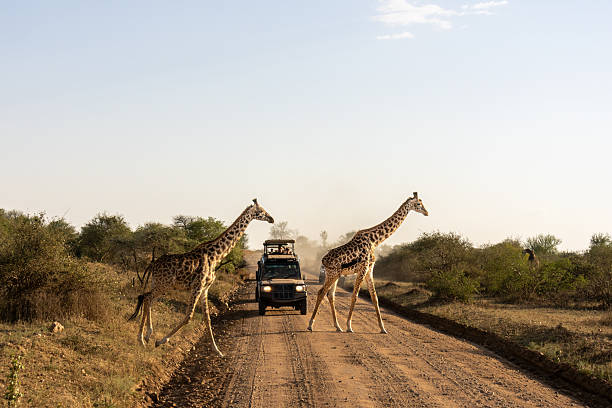
Serengeti is not just another safari destination. It is a living ecosystem where wildlife thrives in massive numbers. The main reasons why it is famous for the top animals in Serengeti include:
- Vast open plains that support large herbivore populations
- Seasonal migration of over 1.5 million wildebeest
- Presence of apex predators like lions and cheetahs
- Protected conservation environment
Overview of Top Animals in Serengeti Ecosystem
The Serengeti is home to over 70 large mammal species and more than 500 bird species. The most famous top animals in Serengeti include:
- Lions
- Elephants
- Leopards
- Buffaloes
- Rhinos
- Cheetahs
- Giraffes
- Zebras
- Wildebeest
These animals form a complex ecosystem where survival depends on balance and adaptation.
Expert Insight
Wildlife experts consider Serengeti one of the few remaining places where natural predator-prey interactions are still fully intact. This is why the top animals in Serengeti are so important for global biodiversity studies.
Customer Experience Insight
Many safari travelers report that seeing the top animals in Serengeti in the wild is far more emotional and powerful than expected. The scale of wildlife movement and natural behavior leaves a lasting impression.
The Core of Top Animals in Serengeti
When discussing the top animals in Serengeti, the conversation must begin with the legendary Big Five and apex predators. These species define the identity of the Serengeti National Park and are the main reason millions of travelers visit Tanzania every year.
The safari experience provided by Nabak Safaris and Tours gives travelers a chance to observe these powerful animals in their natural habitat, where survival depends on strength, intelligence, and adaptation.
The top animals in Serengeti are not just animals to observe—they are part of a complex ecological system that has existed for thousands of years.
1. LIONS – The Kings of Serengeti
Lions are the most iconic among the top animals in Serengeti. The Serengeti is famous for having one of the largest lion populations in Africa.
Behavior and Social Structure
Lions live in prides consisting of females, cubs, and a few dominant males. This social structure is unique among big cats.
- Females are primary hunters
- Males protect territory
- Cubs learn survival skills within the pride
Hunting Strategy
Lions hunt cooperatively, using teamwork and ambush techniques. Their success rate increases significantly during nighttime or early morning hunts.
Best Viewing Areas
- Central Serengeti (Seronera Valley)
- Western corridor during migration season
Lions are a key highlight when discussing the top animals in Serengeti because they are both visible and active throughout the year.
2. LEOPARDS – The Hidden Predators
Leopards are among the most elusive top animals in Serengeti, making them highly sought after by safari travelers.
Behavior
Leopards are solitary and highly territorial. They prefer dense vegetation and rocky areas.
- Mostly active at night
- Excellent climbers
- Store prey in trees to avoid scavengers
Hunting Skills
Leopards rely on stealth and patience. They stalk silently before launching a powerful ambush.
Best Viewing Areas
- Seronera River Valley
- Riverine forests
Even though they are harder to spot, leopards are an essential part of the top animals in Serengeti ecosystem.
3. CHEETAHS – The Fastest Land Animals
Cheetahs represent speed and precision among the top animals in Serengeti.
Behavior
Cheetahs prefer open plains where they can use their speed effectively.
- Hunt during the day
- Rely on vision rather than smell
- Avoid confrontation with lions and hyenas
Hunting Technique
Cheetahs sprint at speeds up to 100 km/h in short bursts to capture prey like gazelles.
Best Viewing Areas
- Southern Serengeti plains
- Ndutu region during calving season
Their speed and hunting style make them one of the most exciting top animals in Serengeti to observe.
4. AFRICAN ELEPHANTS – The Gentle Giants
Elephants are the largest land animals among the top animals in Serengeti.
Behavior
Elephants live in family herds led by a matriarch.
- Highly intelligent
- Strong emotional bonds
- Long-distance communication
Ecological Role
Elephants shape the landscape by:
- Creating water access points
- Clearing vegetation
- Spreading seeds
Best Viewing Areas
- Northern Serengeti
- Wooded savannah regions
Their intelligence and size make elephants a cornerstone of the top animals in Serengeti ecosystem.
5. AFRICAN BUFFALO – The Most Dangerous Herbivore
Buffaloes are often underestimated but are among the most powerful top animals in Serengeti.
Behavior
Buffaloes live in large herds for protection.
- Highly defensive
- Strong group coordination
- Known to confront predators
Survival Strategy
Buffaloes rely on numbers and aggression to protect themselves from lions.
Best Viewing Areas
- Grassy plains
- Near water sources
Their unpredictable nature makes them a critical part of the top animals in Serengeti food chain.
Comparison Table: Big Five in Serengeti
| Animal | Strength | Behavior | Visibility | Safari Appeal |
|---|---|---|---|---|
| Lion | High | Social predator | High | Very High |
| Leopard | Medium | Solitary & stealthy | Low | Very High |
| Elephant | Very High | Gentle giant | High | High |
| Buffalo | High | Defensive herd | High | Medium |
| Rhino | Very High | Rare & shy | Very Low | Extremely High |
Why Predators Define Top Animals in Serengeti
Predators are essential in maintaining ecological balance. Without lions, leopards, and cheetahs, the ecosystem would collapse due to overpopulation of herbivores.
This is why the top animals in Serengeti are often associated with predator species.
Expert Insight
Wildlife experts emphasize that predator density in Serengeti is among the highest in Africa. This makes it one of the best places to observe natural hunting behavior.
Customer Experience Insight
Many safari visitors say that seeing a lion hunt or a leopard resting in a tree is the highlight of their trip. These moments define the experience of witnessing the top animals in Serengeti.
Understanding the Full Range of Top Animals in Serengeti
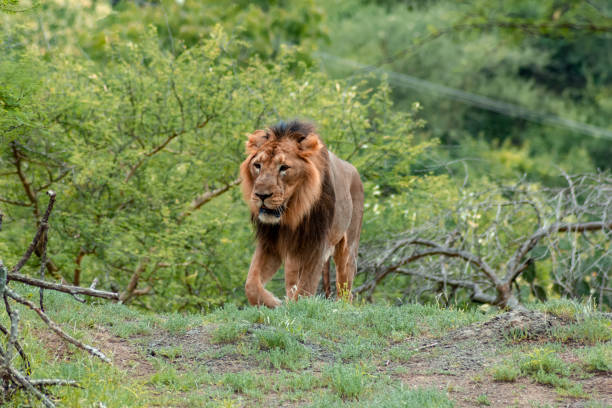
King of the jungle
When people think about the top animals in Serengeti, predators like lions and leopards usually come to mind first. However, the real foundation of the ecosystem is built by herbivores and migratory species. Without them, the entire food chain in the Serengeti National Park would collapse.
This section of the Top Animals in Serengeti guide focuses on the massive grazing herds, migration animals, and iconic herbivores that shape the landscape. These species are the engine of the Serengeti ecosystem and are equally important as predators in maintaining balance.
The safari experiences offered by Nabak Safaris and Tours give travelers the opportunity to witness these animals in motion, especially during the Great Migration, one of the most spectacular wildlife events on Earth.
1. WILDEBEEST – THE ENGINE OF THE GREAT MIGRATION
Wildebeest are arguably the most important among the top animals in Serengeti due to their role in the Great Migration.
Behavior and Movement
Wildebeest travel in massive herds that can exceed over one million individuals.
- Constant movement in search of fresh grass
- Highly synchronized migration patterns
- Strong instinct-based navigation
The Great Migration Cycle
The movement of wildebeest defines the ecological rhythm of Serengeti:
- Southern plains → Calving season
- Central Serengeti → Feeding grounds
- Northern Serengeti → River crossings
This migration is a key reason why wildebeest are considered one of the most important top animals in Serengeti.
Ecological Importance
- Maintain grass balance
- Support predator populations
- Shape seasonal ecosystem changes
2. ZEBRAS – THE STRATEGIC COMPANIONS
Zebras are another essential group among the top animals in Serengeti, often migrating alongside wildebeest.
Behavior
Zebras are highly social animals that live in family groups.
- Strong herd protection
- Excellent memory of migration routes
- High alertness to predators
Why They Migrate with Wildebeest
Zebras eat taller, tougher grass, while wildebeest prefer short grass. This creates a natural grazing partnership.
Survival Advantage
Their stripes confuse predators during group movement, making it harder for lions to target individuals.
Zebras are a vital part of the top animals in Serengeti because they increase the complexity of the migration system.
3. GIRAFFES – THE TALLEST ICONS OF SERENGETI
Giraffes are among the most visually iconic top animals in Serengeti.
Behavior
Giraffes are calm, slow-moving browsers that feed on tree leaves.
- Feed on acacia trees
- Live in loose social groups
- Rarely aggressive unless threatened
Unique Adaptations
- Extremely long necks for high vegetation
- Strong hearts to pump blood upward
- Excellent vision for predator detection
Ecological Role
Giraffes help shape tree growth and maintain vegetation balance.
Their elegance and visibility make them one of the most admired top animals in Serengeti.
4. ANTELOPES – THE SPEED SURVIVORS
Antelopes, including gazelles and impalas, are among the most widespread top animals in Serengeti.
Behavior
- Live in large herds
- Highly alert and fast-moving
- Constantly on guard against predators
Types of Antelopes in Serengeti
- Thomson’s gazelle
- Grant’s gazelle
- Impala
Survival Strategy
Speed and agility are their main defense mechanisms. They are primary prey for cheetahs and lions.
Their abundance makes them a key component of the top animals in Serengeti food chain.
5. HIPPOPOTAMUS – THE RIVER GIANTS
Hippos are semi-aquatic and dominate river ecosystems within Serengeti.
Behavior
- Spend most of the day in water
- Come out at night to feed
- Highly territorial in rivers
Ecological Role
- Maintain river health
- Support aquatic ecosystems
- Influence water flow patterns
Although not always visible, hippos are an important part of the top animals in Serengeti ecosystem.
6. ELEPHANTS (HERBIVORE ROLE IN ECOSYSTEM BALANCE)
While already mentioned in predators context, elephants also play a major herbivore role among the top animals in Serengeti.
Feeding Behavior
- Consume large amounts of vegetation daily
- Knock down trees to access food
- Shape landscapes over time
Ecological Impact
- Create open grasslands
- Support other herbivores
- Maintain biodiversity balance
Comparison Table: Herbivores in Serengeti Ecosystem
| Animal | Movement Style | Diet | Role in Ecosystem | Visibility |
|---|---|---|---|---|
| Wildebeest | Migratory | Grass | Migration engine | Very High |
| Zebra | Migratory | Grass | Grazing partner | High |
| Giraffe | Stationary | Leaves | Tree control | High |
| Antelope | Semi-migratory | Grass | Prey base | Very High |
| Hippo | River-based | Grass | Aquatic balance | Medium |
Why Herbivores Define Top Animals in Serengeti
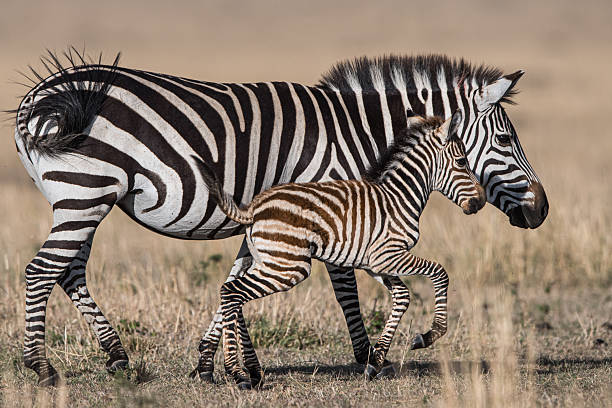
Without herbivores, there would be no predators. This balance makes herbivores equally important in defining the top animals in Serengeti.
They:
- Sustain predator populations
- Drive migration cycles
- Maintain ecosystem structure
Expert Insight
Wildlife ecologists explain that Serengeti’s herbivore population is one of the largest in the world. This density is what makes predator sightings so frequent and reliable.
Customer Experience Insight
Many safari travelers are surprised to learn that the most impressive part of the top animals in Serengeti is not always predators—but the endless movement of herbivore herds across the plains.
FAQS ABOUT TOP ANIMALS IN SERENGETI
Q1: What are the most famous top animals in Serengeti?
The most famous top animals in Serengeti include lions, elephants, cheetahs, giraffes, zebras, and wildebeest.
Q2: When is the best time to see top animals in Serengeti?
The dry season (June–October) offers the highest concentration of wildlife, making it the best time to see the top animals in Serengeti.
Q3: Can I see all Big Five in Serengeti?
Yes, but rhinos are rare. The other four members of the Big Five are commonly seen among the top animals in Serengeti.
Q4: Are rare animals easy to spot?
No. Animals like wild dogs and rhinos are extremely difficult to see, making them special highlights of the top animals in Serengeti.
4. SAFARI TIPS FOR SEEING TOP ANIMALS IN SERENGETI
To maximize your experience, follow these expert safari tips.
Best Viewing Strategy
- Go on early morning game drives
- Stay longer in key wildlife areas
- Be patient with sightings
Photography Tips
- Use zoom lenses for distant animals
- Capture golden hour light
- Avoid sudden movements
Safari Planning Tips
- Book with experienced operators like Nabak Safaris and Tours
- Travel during dry season for best visibility
- Combine multiple safari zones
5. COMPARISON TABLE: COMMON VS RARE TOP ANIMALS IN SERENGETI
| Category | Examples | Visibility | Safari Experience |
|---|---|---|---|
| Common Animals | Lions, zebras, elephants | Very High | Consistent sightings |
| Migration Animals | Wildebeest, gazelles | Seasonal | Dramatic movement |
| Rare Animals | Rhinos, wild dogs | Very Low | Exclusive sightings |
| Nocturnal Animals | Aardvarks, serval cats | Low | Night safari only |
FINAL CONCLUSION
The top animals in Serengeti represent one of the richest wildlife ecosystems on Earth. From powerful predators like lions and leopards to massive herds of wildebeest and rare species like wild dogs and rhinos, Serengeti offers an unmatched safari experience.
By traveling with experts like Nabak Safaris and Tours, visitors can experience these animals in their natural environment with professional guidance and deep ecological insight.
The Serengeti is not just a destination—it is a living wildlife masterpiece.
About the Author
