
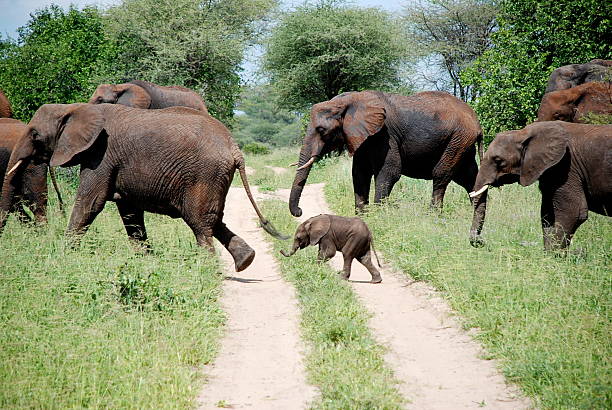
Explore the Tarangire Eco-Tourism Guide with Nabak Safaris and Tours. Learn sustainable safari practices, wildlife conservation efforts, community involvement, and responsible travel tips for an eco-friendly Tarangire National Park experience in Tanzania.
Introduction
The Tarangire Eco-Tourism Guide is essential for travelers who want to experience one of Tanzania’s most biologically rich and environmentally sensitive national parks in a responsible way. Tarangire National Park is not only famous for its large elephant population and iconic baobab trees, but also for its strong conservation ecosystem that depends heavily on sustainable tourism practices.
At Nabak Safaris and Tours, we design every safari experience based on the principles outlined in the Tarangire Eco-Tourism Guide, ensuring that visitors enjoy wildlife encounters while protecting natural habitats for future generations. Eco-tourism in Tarangire is not just a travel trend—it is a conservation strategy that balances tourism growth with environmental protection.
Understanding the Tarangire Eco-Tourism Guide helps travelers make responsible decisions that reduce environmental impact while enhancing their safari experience. From wildlife viewing ethics to community involvement, eco-tourism shapes how visitors interact with the park.
What Eco-Tourism Means in Tarangire National Park
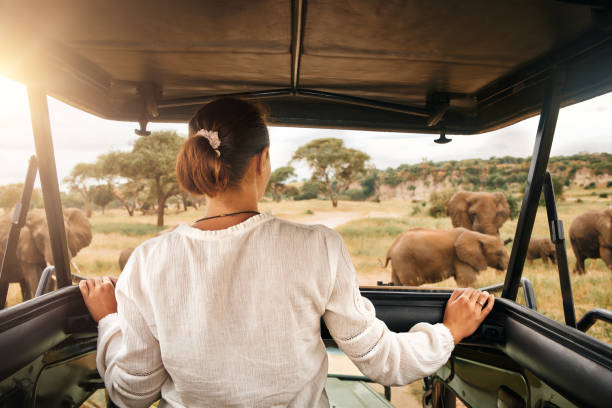
Eco-tourism in Tarangire is centered on responsible travel that supports conservation and minimizes ecological disturbance. The Tarangire Eco-Tourism Guide emphasizes three main principles: environmental protection, cultural respect, and sustainable economic benefit for local communities.
Unlike mass tourism, eco-tourism ensures that visitor activities do not harm wildlife or degrade natural habitats. Every safari experience guided by the Tarangire Eco-Tourism Guide encourages low-impact travel, controlled wildlife viewing, and respect for park regulations.
This approach allows Tarangire National Park to remain a thriving ecosystem where elephants, lions, giraffes, and hundreds of bird species coexist with carefully managed tourism activities.
Why Tarangire is a Model Eco-Tourism Destination
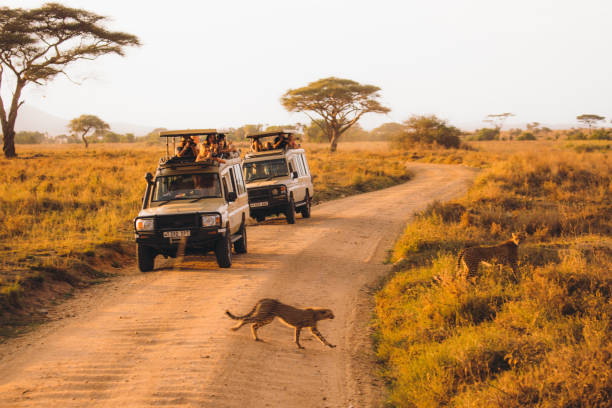
Tarangire is considered one of Tanzania’s leading eco-tourism destinations because of its strong conservation policies and diverse ecosystems. The Tarangire Eco-Tourism Guide highlights how the park supports both wildlife preservation and sustainable tourism development.
The park is home to large migratory elephant herds that depend on seasonal water sources, making conservation efforts extremely important. Eco-tourism ensures that these natural patterns are not disrupted by uncontrolled human activity.
At Nabak Safaris and Tours, we follow the Tarangire Eco-Tourism Guide to ensure that every safari contributes positively to conservation efforts while providing guests with authentic wildlife experiences.
Core Principles of the Tarangire Eco-Tourism Guide
The Tarangire Eco-Tourism Guide is built on several key principles that shape responsible travel behavior:
- Minimize environmental impact during safaris
- Respect wildlife distance and natural behavior
- Support local communities through tourism revenue
- Promote conservation awareness among visitors
- Encourage sustainable travel practices
These principles ensure that tourism in Tarangire remains balanced and beneficial for both nature and local populations. Every safari experience aligned with the Tarangire Eco-Tourism Guide contributes to long-term ecosystem stability.
Role of Conservation in Eco-Tourism
Conservation is the foundation of the Tarangire Eco-Tourism Guide. Without proper conservation practices, the park’s biodiversity would be at risk due to increasing tourism pressure and environmental changes.
Eco-tourism supports anti-poaching efforts, habitat protection, and wildlife monitoring programs. Revenue generated from tourism is reinvested into conservation activities, making visitors active contributors to environmental protection.
At Nabak Safaris and Tours, we ensure that all tours follow the Tarangire Eco-Tourism Guide, helping guests understand their role in preserving natural heritage.
Wildlife Protection Through Responsible Tourism
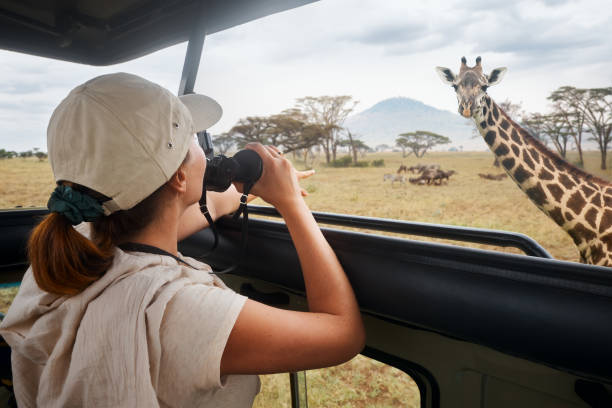
One of the most important aspects of the Tarangire Eco-Tourism Guide is wildlife protection. Visitors are expected to observe animals without interfering with their natural behavior.
This means maintaining safe distances, avoiding loud noises, and never attempting to feed or touch wildlife. These rules are essential for protecting both animals and visitors.
Eco-tourism ensures that animals in Tarangire remain wild and undisturbed, which is a core goal of the Tarangire Eco-Tourism Guide.
Community Involvement in Eco-Tourism
The Tarangire Eco-Tourism Guide also highlights the importance of local community participation. Surrounding communities benefit directly from tourism through employment, cultural tourism activities, and business opportunities.
By engaging local communities, eco-tourism creates economic incentives for conservation. This reduces pressure on natural resources and strengthens support for wildlife protection.
Nabak Safaris and Tours actively supports community-based tourism initiatives as part of the Tarangire Eco-Tourism Guide framework.
Sustainable Safari Practices
Sustainability is a key pillar of the Tarangire Eco-Tourism Guide. This includes responsible vehicle usage, reduced carbon emissions, and environmentally friendly accommodation choices.
Safari operators are encouraged to use designated routes to prevent habitat destruction and minimize disturbance to wildlife movement patterns.
Guests following the Tarangire Eco-Tourism Guide are also encouraged to reduce waste, avoid plastic pollution, and respect park guidelines.
Educational Value of Eco-Tourism
Eco-tourism is not only about conservation—it is also about education. The Tarangire Eco-Tourism Guide promotes awareness about ecosystems, wildlife behavior, and environmental challenges.
During safaris, professional guides explain the importance of biodiversity and conservation efforts. This transforms a simple safari into an educational experience.
At Nabak Safaris and Tours, we integrate these educational elements into every Tarangire Eco-Tourism Guide experience to promote long-term environmental awareness.
The Tarangire Eco-Tourism Guide is more than a travel framework—it is a commitment to responsible tourism, wildlife protection, and sustainable development. It ensures that Tarangire National Park remains one of Africa’s most valuable natural ecosystems.
At Nabak Safaris and Tours, we strictly follow the principles of the Tarangire Eco-Tourism Guide to deliver safaris that are ethical, educational, and environmentally responsible. By understanding these principles, travelers become active participants in conservation rather than passive visitors.
This foundation sets the stage for deeper exploration of eco-tourism practices, sustainability strategies, and community impact in the next section.
About the Author
