
Discover the best Mount Meru trails for adventures in Tanzania, including scenic routes, difficulty levels, wildlife experiences, and expert trekking tips from Nabak Safaris and Tours.
Introduction
Exploring Mount Meru trails for Adventures is one of the most exciting trekking experiences in East Africa. Located inside Arusha National Park, Mount Meru stands as Tanzania’s second-highest mountain and offers an incredible combination of wildlife, forests, volcanic landscapes, and alpine scenery.
Unlike many other trekking destinations, Mount Meru is not just about reaching the summit—it is about experiencing diverse ecosystems along the way. Every trail offers a different adventure, from dense forests filled with wildlife to steep volcanic ridges leading to breathtaking summit views.
This guide by Nabak Safaris and Tours explores the most important Mount Meru trails for Adventures, helping trekkers understand routes, difficulty levels, and what makes each trail unique.
Quick Summary
- Mount Meru has multiple scenic trekking routes
- Main trail: Momella Route (standard ascent path)
- Trails pass through wildlife-rich forest zones
- Difficulty increases with altitude
- Best trekking experience requires guided tours
Why Mount Meru Trails Are Unique
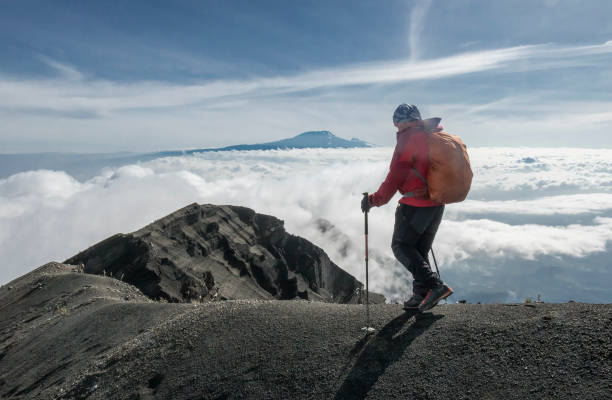
The Mount Meru trails for Adventures are special because they combine hiking and wildlife safari experiences in one journey.
1. Wildlife Integration
Unlike many mountains, Mount Meru allows trekkers to:
- See giraffes, buffalo, and antelopes
- Walk through forest zones with park rangers
- Experience safari-like trekking
2. Ecosystem Diversity
Trails pass through:
- Rainforest zones
- Moorland landscapes
- Alpine desert
- Volcanic crater rim
3. Scenic Beauty
Every stage offers:
- Panoramic views of Kilimanjaro
- Sunrise and sunset landscapes
- Crater rim viewpoints
Main Mount Meru Trail: Momella Route
The primary and official Mount Meru trails for Adventures is the Momella Route.
Overview
- Starts at Momella Gate
- Passes through Arusha National Park
- Ends at Socialist Peak (4,566m)
Trail Stages
- Forest zone with wildlife
- Mid-mountain moorland
- Saddle Hut camp
- Summit ridge climb
Why It Is Popular
- Only permitted trekking route
- High safety standards
- Rich wildlife encounters
- Scenic diversity
Difficulty Level of Mount Meru Trails
Understanding difficulty is essential when exploring Mount Meru trails for Adventures.
1. Lower Section (Easy–Moderate)
- Gentle forest paths
- Wildlife sightings
- Cool temperatures
2. Mid Section (Moderate)
- Steeper climbs
- Rocky terrain
- Reduced oxygen levels
3. Summit Section (Difficult)
- Very steep ridge climbing
- Cold temperatures
- High altitude conditions
Comparison Table: Trail Sections
| Trail Section | Difficulty Level | Key Features |
|---|---|---|
| Forest Zone | Easy | Wildlife, greenery |
| Moorland Zone | Moderate | Open landscapes |
| Summit Ridge | Difficult | Steep, cold, high altitude |
Wildlife Along Mount Meru Trails
One of the highlights of Mount Meru trails for Adventures is wildlife viewing.
Animals Commonly Seen
- Buffalo
- Giraffes
- Warthogs
- Colobus monkeys
- Antelopes
Birdlife
- Over 400 bird species
- Hornbills
- Eagles
- Turacos
Expert Insight from Nabak Safaris and Tours
Experts confirm that Mount Meru trails offer one of the most underrated trekking experiences in Africa.
Key insights:
- Trails combine hiking and safari experience
- Wildlife encounters are more frequent in lower zones
- Summit success depends on pacing and acclimatization
- Guided trekking is mandatory for safety
Field experience shows that trekkers who explore Mount Meru trails for Adventures with professional guides have safer and more enjoyable experiences.
Bullet Point Highlights
- Main route: Momella Route
- Combines trekking + wildlife safari
- Multiple ecosystem zones
- Moderate to difficult summit section
- Guided trekking required
This introduction shows that Mount Meru trails for Adventures are not just hiking paths but a full adventure experience combining wildlife, scenery, and volcanic landscapes. Each trail section offers unique challenges and rewards, making Mount Meru one of Tanzania’s most exciting trekking destinations.
With expert guidance from Nabak Safaris and Tours, trekkers can safely explore these trails and enjoy a truly unforgettable adventure.
Detailed Trail Breakdown, Wildlife Zones & Difficulty Analysis
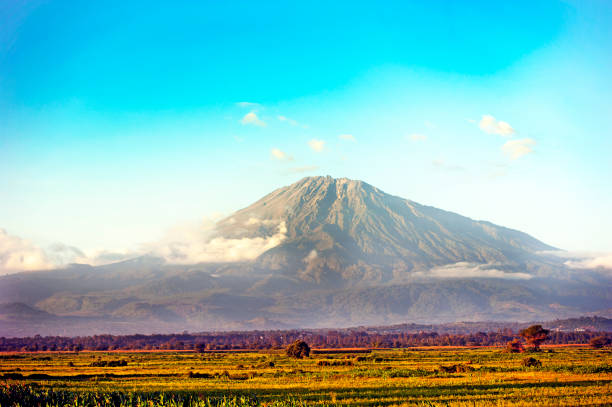
The peak of the mountain, Mount Meru, stands above the surrounding cloud base, seen across the farmed agricultural plains of Arusha, Tanzania, Africa
Understanding Mount Meru trails for Adventures requires more than just knowing the starting point or summit height. On Mount Meru, each trail section offers a completely different trekking experience shaped by altitude, vegetation, wildlife activity, and terrain difficulty.
This section by Nabak Safaris and Tours provides a deep breakdown of the main trail system, explaining how each zone contributes to the overall adventure and why proper understanding of Mount Meru trails for Adventures is essential before starting the climb.
1. Forest Zone Trail (Momella Gate to Miriakamba Hut)
The first stage of Mount Meru trails for Adventures begins in the lush rainforest zone.
Trail Overview
- Starting point: Momella Gate
- Destination: Miriakamba Hut
- Elevation gain: gradual
Trail Characteristics
- Dense tropical forest
- Cool and humid environment
- Soft but sometimes slippery ground
Wildlife Experience
This section is one of the richest wildlife areas:
- Buffalo herds
- Blue monkeys
- Colobus monkeys
- Bushbucks
- Numerous bird species
Difficulty Level
- Easy to moderate
- Suitable for warming up
- Main challenge: muddy terrain during rain
Why This Section Matters
This part of Mount Meru trails for Adventures introduces trekkers to the park’s ecosystem and sets the foundation for higher altitude climbing.
2. Mid-Mountain Zone (Miriakamba Hut to Saddle Hut)
This is the most physically demanding section of Mount Meru trails for Adventures.
Trail Overview
- Steeper ascent begins
- Vegetation becomes thinner
- Temperature begins to drop
Terrain Characteristics
- Rocky paths
- Steep slopes
- Narrow ridges in some sections
Physical Challenge
This section requires:
- Good endurance
- Controlled breathing
- Slow pacing (“pole pole”)
Altitude Impact
As altitude increases:
- Oxygen levels decrease
- Fatigue increases faster
- Rest breaks become essential
Wildlife Activity
Less wildlife compared to forest zone:
- Occasional monkeys
- Rare bird sightings
Why This Section Is Important
This is where most trekkers begin to feel the real challenge of Mount Meru trails for Adventures, making acclimatization crucial.
3. Alpine Zone Trail (Saddle Hut Area)
This transitional zone prepares climbers for summit ascent.
Trail Characteristics
- Open landscapes
- Sparse vegetation
- Cold wind exposure
Environmental Conditions
- Lower oxygen levels
- Strong winds possible
- Cold nighttime temperatures
Trekking Experience
- Moderate difficulty
- Rest and acclimatization zone
- Preparation for summit push
Importance in Climbing Strategy
This stage of Mount Meru trails for Adventures is critical for:
- Reducing altitude sickness risk
- Preparing body for summit ridge
- Resting before night climb
4. Summit Ridge Trail (Saddle Hut to Socialist Peak)
This is the most challenging and rewarding part of Mount Meru trails for Adventures.
Trail Overview
- Night-time or early morning ascent
- Steep volcanic ridge climbing
- Destination: Socialist Peak (4,566m)
Terrain Conditions
- Narrow ridges
- Loose volcanic rock
- Very steep inclines
Difficulty Level
- Very difficult
- Physically and mentally demanding
- Requires strong endurance
Environmental Conditions
- Freezing temperatures
- Strong winds
- Low oxygen levels
Reward at the Summit
- Sunrise over Kilimanjaro
- Crater rim views
- Panoramic landscapes
Comparison Table: Trail Difficulty Levels
| Trail Section | Difficulty Level | Key Challenge | Experience Type |
|---|---|---|---|
| Forest Zone | Easy | Mud & wildlife terrain | Scenic safari hike |
| Mid Zone | Moderate | Steep ascent | Physical endurance |
| Alpine Zone | Moderate | Cold & altitude | Acclimatization phase |
| Summit Ridge | Very Difficult | Steep ridge climb | Extreme adventure |
Expert Insight from Nabak Safaris and Tours
Experts emphasize that success on Mount Meru trails for Adventures depends heavily on understanding each zone before starting the climb.
Key insights:
- Forest zone builds rhythm and confidence
- Mid-zone tests endurance and stamina
- Alpine zone prepares the body for altitude
- Summit ridge requires mental strength
Field experience shows that trekkers who understand trail progression have higher success rates and better overall experiences.
Bullet Point Highlights
- 4 main trail zones from forest to summit
- Wildlife concentrated in lower zones
- Difficulty increases with altitude
- Summit ridge is most challenging section
- Proper pacing is essential
This section clearly shows that Mount Meru trails for Adventures are structured in progressive difficulty levels, each offering unique experiences. From wildlife-rich forests to steep volcanic ridges, every stage plays a critical role in the overall adventure.
With professional guidance from Nabak Safaris and Tours, trekkers can safely navigate these trail sections and enjoy a well-balanced, unforgettable Mount Meru climbing experience.
Packing Guide, Fitness Preparation, Permits, Costs & Safety Planning
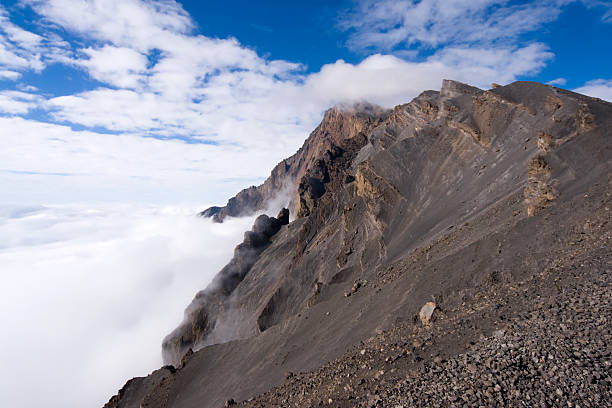
While exploring Mount Meru trails for Adventures is an exciting experience, success on Mount Meru depends heavily on preparation beyond just knowing the route. Many trekkers underestimate how important packing, fitness, permits, and budgeting are in shaping the overall journey.
This section by Nabak Safaris and Tours provides a deep and practical guide on how to prepare properly for Mount Meru trails for Adventures, ensuring safety, comfort, and a successful summit experience.
1. Packing Guide for Mount Meru Trails
Proper packing is one of the most important parts of preparing for Mount Meru trails for Adventures.
Why Packing Matters
The mountain has multiple climate zones:
- Hot rainforest
- Cold alpine zone
- Freezing summit ridge
Without proper gear, trekkers struggle significantly.
Essential Clothing System (Layering Strategy)
Base Layer
- Moisture-wicking shirts
- Thermal underwear for cold nights
Mid Layer
- Fleece jackets
- Warm trekking sweaters
Outer Layer
- Waterproof jacket
- Windproof shell
Footwear Requirements
- Waterproof hiking boots (broken-in)
- Thick trekking socks
- Sandals for camp use
Essential Equipment
- Sleeping bag (-10°C rated minimum)
- Trekking poles
- Headlamp with extra batteries
- Daypack (30–40 liters)
Weather-Based Packing Insight
For Mount Meru trails for Adventures:
- Rainy conditions → waterproof focus
- Dry season → dust protection + sun protection
2. Fitness Preparation for Mount Meru Climb
Fitness plays a major role in completing Mount Meru trails for Adventures successfully.
Why Fitness Is Important
Even though Mount Meru is not extremely high compared to Kilimanjaro, it still involves:
- Steep ascents
- Long walking hours
- Altitude adaptation
Recommended Training (4–6 Weeks Before Trek)
Cardio Training
- Running
- Cycling
- Stair climbing
Strength Training
- Leg exercises (squats, lunges)
- Core strengthening
- Back endurance workouts
Hiking Practice
- Practice long walks with backpack
- Train on uneven terrain
Common Mistake
Many trekkers think Mount Meru trails for Adventures are easy because of its moderate height. In reality, fitness preparation is essential for summit success.
3. Permits and Regulations
Trekking on Mount Meru trails for Adventures requires official permission.
Required Entry System
Trekkers must pass through:
Arusha National Park authority system
Permit Requirements
- Park entry fees
- Climbing permit
- Mandatory armed ranger escort (due to wildlife zone)
Why Permits Are Important
- Ensures safety from wildlife
- Regulates trekking flow
- Supports conservation efforts
4. Cost Breakdown for Mount Meru Trek
Understanding cost is essential for planning Mount Meru trails for Adventures.
Average Cost Range
- Budget: $700 – $1,200
- Standard: $1,200 – $1,800
- Premium guided: $1,800 – $2,500+
What Cost Includes
- Park fees
- Guide services
- Ranger escort
- Accommodation in huts
- Meals during trek
Seasonal Cost Variation
- Dry season → higher demand → higher cost
- Rainy season → lower demand → lower cost
5. Safety Tips for Mount Meru Trails
Safety is a key factor in Mount Meru trails for Adventures.
Altitude Safety
- Walk slowly (“pole pole”)
- Drink enough water
- Avoid rushing ascent
Wildlife Safety
- Always stay with guide
- Do not approach animals
- Follow ranger instructions
Weather Safety
- Prepare for sudden rain
- Carry warm clothing
- Avoid cotton materials
Comparison Table: Preparation Factors
| Factor | Proper Preparation | Poor Preparation |
|---|---|---|
| Packing | Layered gear | Inadequate clothing |
| Fitness | Trained endurance | Low stamina |
| Safety | Guide + ranger | Independent trekking |
| Cost planning | Budgeted properly | Unexpected expenses |
Expert Insight from Nabak Safaris and Tours
Experts confirm that success in Mount Meru trails for Adventures depends more on preparation than difficulty level.
Key insights:
- Proper gear reduces risk significantly
- Fitness improves summit success rate
- Permits ensure legal and safe trekking
- Budget planning avoids disruptions
Field experience shows that well-prepared trekkers enjoy safer and more rewarding adventures.
Bullet Point Highlights
- Packing must match climate zones
- Fitness training is essential
- Permits are mandatory
- Costs vary by season and package
- Safety depends on preparation
This section confirms that Mount Meru trails for Adventures require more than just interest in trekking—they require serious preparation in packing, fitness, budgeting, and safety planning. These elements determine whether the journey becomes a struggle or a successful adventure.
With expert support from Nabak Safaris and Tours, trekkers can prepare effectively and enjoy a safe, comfortable, and unforgettable Mount Meru experience
Final Expert Guide, FAQs, Safety Checklist & Complete Summary
After exploring trail sections, wildlife zones, preparation strategies, and safety requirements, it is now clear that Mount Meru trails for Adventures offer one of the most diverse trekking experiences in Africa.
On Mount Meru, success is not determined by a single factor. It is a combination of preparation, timing, fitness, gear, and understanding each trail zone. Many trekkers underestimate this balance and miss the full experience.
This final section by Nabak Safaris and Tours brings everything together into a complete expert-level guide, including final recommendations, FAQs, safety checklist, comparison table, and professional trekking advice.
Final Expert Recommendation: Best Approach to Mount Meru Trails
Experts confirm that the best experience on Mount Meru trails for Adventures comes from combining preparation with guided trekking.
Key Recommendations
- Always trek with licensed guides
- Start early for better trail conditions
- Maintain slow and steady pacing (“pole pole”)
- Respect altitude changes
- Follow ranger instructions at all times
What Makes Mount Meru Trails Special
The uniqueness of Mount Meru trails for Adventures lies in their diversity.
1. Wildlife + Hiking Combination
Unlike many mountains, trekkers experience:
- Forest wildlife encounters
- Scenic hiking routes
- Natural ecosystem transitions
2. Progressive Difficulty
- Forest zone → easy and scenic
- Mid zone → physically demanding
- Summit ridge → extreme adventure
3. Scenic Variety
- Rainforest landscapes
- Volcanic ridges
- Crater rim views
- Kilimanjaro visibility
Safety Checklist for Mount Meru Trek
Before Trekking
- Medical check completed
- Proper hiking gear packed
- Travel insurance arranged
- Permit secured
During Trekking
- Drink enough water daily
- Walk slowly and consistently
- Follow guide instructions
- Monitor altitude symptoms
Emergency Awareness
- Report illness immediately
- Do not ignore fatigue or dizziness
- Descend if advised
Comparison Table: Ideal vs Poor Trekking Preparation
| Factor | Ideal Preparation | Poor Preparation |
|---|---|---|
| Guides | Licensed professionals | Self-guided attempt |
| Fitness | Trained endurance | Unprepared body |
| Gear | Full trekking kit | Incomplete equipment |
| Safety response | Immediate reporting | Ignoring symptoms |
Extended FAQs
1. What is Mount Meru best known for?
It is known for its scenic trekking trails, wildlife encounters, and views of Kilimanjaro.
2. Are Mount Meru trails difficult?
They are moderate to challenging depending on altitude, especially the summit ridge section.
3. How long does it take to complete Mount Meru trails?
Most treks take 3–4 days depending on itinerary and pace.
4. Do I need a guide for Mount Meru trails?
Yes, guided trekking is mandatory inside Arusha National Park.
5. Is Mount Meru good for beginners?
Yes, but beginners should be well-prepared physically and mentally.
Expert Insight from Nabak Safaris and Tours
Field experience shows that trekkers who properly prepare for Mount Meru trails for Adventures achieve:
- Higher summit success rates
- Better wildlife experiences
- Safer trekking conditions
- More enjoyable journeys overall
Experts emphasize that success comes from preparation, not just motivation.
Bullet Point Summary
- Mount Meru offers diverse trekking zones
- Wildlife is abundant in lower sections
- Summit ridge is physically demanding
- Preparation is key to success
- Guided trekking is essential
Final Conclusion
Mount Meru trails for Adventures offer one of Tanzania’s most complete trekking experiences, combining wildlife, scenery, and volcanic landscapes into a single journey. Success depends on understanding trail difficulty, preparing properly, and following expert guidance.
With support from Nabak Safaris and Tours, trekkers can safely explore Mount Meru and enjoy a truly unforgettable adventure from forest base to summit peak.
Ready to explore Mount Meru?
👉 Book your adventure with Nabak Safaris and Tours and experience the best of Mount Meru trails for Adventures with expert guidance and full safety support.
About the Author
