
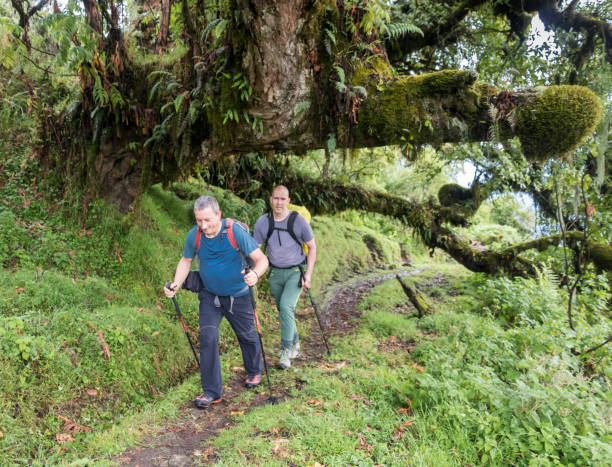
Discover essential Mount Meru trekking tips for a safe and successful climb, including preparation advice, trail insights, and expert guidance from Nabak Safaris and Tours.
Introduction
Planning a successful climb on Mount Meru requires more than just excitement and fitness. It requires the right knowledge, preparation, and awareness of conditions on the mountain. That is why understanding Mount Meru trekking tips is essential for every traveler aiming to reach the summit safely and enjoy the full experience.
Mount Meru, located inside Arusha National Park, is Tanzania’s second-highest mountain and offers one of the most beautiful trekking experiences in East Africa. However, many climbers underestimate its challenges, especially altitude changes, weather variations, and terrain difficulty.
This guide by Nabak Safaris and Tours provides essential Mount Meru trekking tips to help you prepare properly, avoid common mistakes, and maximize your success rate.
Quick Summary
- Proper preparation is key for success
- Weather changes affect trekking conditions
- Altitude is the main challenge
- Guided trekking is mandatory
- Fitness and gear matter equally
Why Mount Meru Requires Proper Trekking Tips
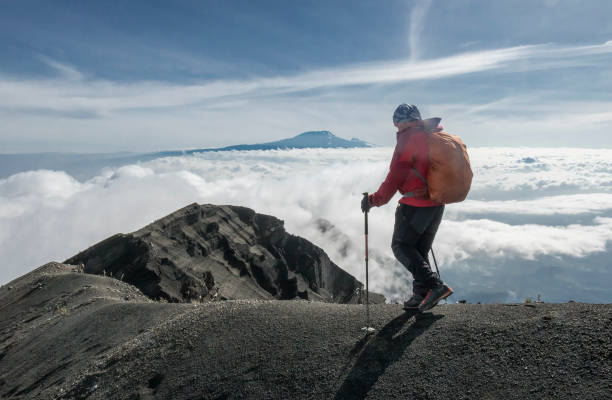
Unlike casual hiking trails, Mount Meru is a high-altitude volcanic mountain. Understanding Mount Meru trekking tips is important because:
1. Rapid Altitude Gain
Trekkers ascend quickly from forest zones to alpine conditions.
2. Changing Climate Zones
- Rainforest
- Moorland
- Alpine desert
- Summit ridge
3. Physical Demands
The climb requires:
- Endurance
- Strength
- Mental resilience
4. Wildlife Environment
Unlike many mountains, wildlife such as buffalo and giraffes roam freely in lower zones.
Tip 1: Start Training Early
One of the most important Mount Meru trekking tips is physical preparation.
Recommended Training
- Cardio workouts (running, cycling)
- Stair climbing
- Long-distance hiking
- Leg strength exercises
Why It Matters
Fitness helps:
- Reduce fatigue
- Improve stamina
- Support altitude adaptation
Tip 2: Understand Altitude Effects
Altitude is the biggest challenge on Mount Meru.
What Happens at High Altitude
- Oxygen levels decrease
- Breathing becomes harder
- Energy drops faster
Symptoms to Watch
- Headache
- Nausea
- Dizziness
- Fatigue
Understanding altitude is one of the most critical Mount Meru trekking tips for safety.
Tip 3: Pack Smart and Light
Proper packing improves comfort and safety.
Essential Items
- Waterproof jacket
- Warm layers
- Hiking boots
- Sleeping bag (-10°C rated)
- Headlamp
Why Packing Matters
Weather changes quickly on Mount Meru, making proper gear essential.
Tip 4: Follow “Pole Pole” Strategy
Slow walking is a key trekking principle.
Why It Works
- Prevents exhaustion
- Supports oxygen intake
- Improves endurance
This is one of the most important Mount Meru trekking tips used by professional guides.
Tip 5: Trek with Licensed Guides
Guided trekking is mandatory and highly beneficial.
Benefits
- Safety from wildlife
- Navigation support
- Emergency handling
- Local knowledge
Comparison Table: Prepared vs Unprepared Trekkers
| Factor | Prepared Trekkers | Unprepared Trekkers |
|---|---|---|
| Fitness | Trained | Low preparation |
| Gear | Proper equipment | Incomplete gear |
| Altitude response | Managed well | High risk symptoms |
| Success rate | High | Low |
Expert Insight from Nabak Safaris and Tours
Experts emphasize that most trekking failures are caused by lack of preparation, not mountain difficulty.
Key insights:
- Training improves endurance significantly
- Proper gear prevents weather-related issues
- Slow pacing reduces altitude risk
- Guided trekking increases safety
Field experience shows that following basic Mount Meru trekking tips greatly improves summit success.
Bullet Point Highlights
- Fitness is essential
- Altitude is the main challenge
- Packing affects comfort
- Guides improve safety
- Slow pace increases success
This introduction shows that successful climbing of Mount Meru depends heavily on applying the right Mount Meru trekking tips. From fitness preparation to altitude awareness and proper gear, every detail contributes to a safe and enjoyable trekking experience.
With guidance from Nabak Safaris and Tours, trekkers can prepare effectively and confidently begin their Mount Meru adventure.
Altitude Management, Weather Strategies & Gear Essentials
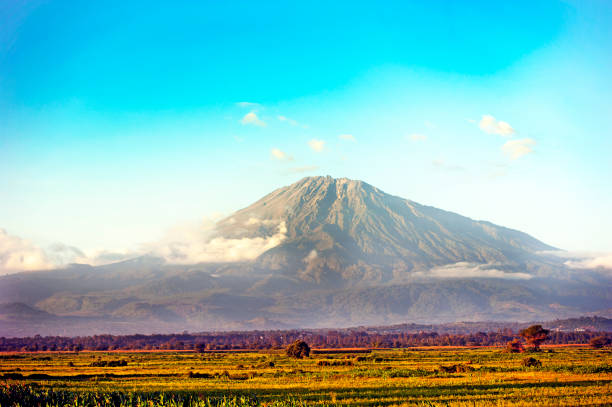
After understanding basic preparation, the next step in mastering Mount Meru trekking tips is learning how to deal with real mountain conditions. On Mount Meru, success is not only about fitness or motivation—it is about how well you respond to altitude changes, unpredictable weather, and demanding terrain.
This section by Nabak Safaris and Tours provides a deep guide on altitude management, weather adaptation, gear selection, and hydration strategies, all of which are essential Mount Meru trekking tips for a safe and successful climb.
1. Altitude Management Tips (Most Critical Factor)
One of the most important Mount Meru trekking tips is understanding altitude.
Why Altitude Matters
As you climb higher:
- Oxygen levels decrease
- Air pressure drops
- Breathing becomes harder
Common Altitude Mistakes
- Climbing too fast
- Ignoring early symptoms
- Drinking insufficient water
- Overexerting physically
Early Symptoms of Altitude Stress
- Headache
- Fatigue
- Nausea
- Loss of appetite
- Dizziness
Best Altitude Strategy
1. Climb Slowly
Slow pace allows your body to adjust naturally.
2. Rest Properly
Take breaks even if you feel strong.
3. Hydrate Frequently
Water improves oxygen circulation in the body.
Expert Insight
Guides from Nabak Safaris and Tours emphasize that proper altitude management is the difference between success and failure on Mount Meru.
2. Weather Adaptation Tips
Weather conditions change rapidly on the mountain, making this a key part of Mount Meru trekking tips.
Climate Zones on Mount Meru
- Rainforest (warm & humid)
- Moorland (cool & windy)
- Alpine zone (cold & dry)
- Summit ridge (freezing & windy)
Common Weather Challenges
- Sudden rain in forest zones
- Cold winds at higher altitudes
- Freezing temperatures at night
Weather Strategy Tips
1. Layered Clothing System
- Base layer for sweat control
- Mid layer for warmth
- Outer layer for rain/wind protection
2. Always Prepare for Rain
Even in dry season, rain can occur unexpectedly.
3. Protect Extremities
- Gloves
- Warm hat
- Thermal socks
Weather adaptation is one of the most practical Mount Meru trekking tips for comfort and safety.
3. Gear Selection (Essential for Success)
Proper gear is a major factor in Mount Meru trekking tips.
Must-Have Equipment
Clothing
- Waterproof jacket
- Thermal layers
- Quick-dry shirts
Footwear
- Waterproof hiking boots
- Comfortable trekking socks
Camping Gear
- Sleeping bag (-10°C rated)
- Headlamp with extra batteries
Common Gear Mistakes
- Wearing cotton clothes
- Using new, unbroken boots
- Carrying heavy unnecessary items
Why Gear Matters
Wrong gear leads to:
- Blisters
- Hypothermia risk
- Reduced performance
4. Hydration & Energy Management
Hydration is one of the most overlooked Mount Meru trekking tips.
Why Hydration Is Important
At altitude:
- Body loses water faster
- Energy decreases quickly
- Oxygen delivery reduces
Best Hydration Practice
- Drink 3–4 liters daily
- Sip frequently, not all at once
- Use electrolyte supplements
Energy Tips
- Eat even when appetite is low
- Carry energy snacks
- Take small meals regularly
Comparison Table: Proper vs Poor Trekking Preparation
| Factor | Proper Approach | Poor Approach |
|---|---|---|
| Altitude response | Slow adjustment | Fast climbing |
| Clothing system | Layered gear | Cotton clothing |
| Hydration | Frequent intake | Low water consumption |
| Weather readiness | Full protection | Minimal preparation |
Expert Insight from Nabak Safaris and Tours
Experts confirm that most trekking difficulties are caused by poor adaptation rather than terrain itself.
Key insights:
- Altitude must be respected, not rushed
- Weather changes require constant readiness
- Proper gear prevents most injuries
- Hydration directly impacts endurance
Field experience shows that trekkers who follow these Mount Meru trekking tips perform significantly better and reach the summit more successfully.
Bullet Point Highlights
- Altitude is the biggest challenge
- Weather changes quickly on Mount Meru
- Layered clothing is essential
- Hydration improves performance
- Proper gear prevents injuries
This section highlights that advanced Mount Meru trekking tips focus on altitude management, weather adaptation, gear selection, and hydration. These factors determine whether a trek becomes difficult or manageable.
With expert guidance from Nabak Safaris and Tours, trekkers can safely adapt to mountain conditions and enjoy a successful Mount Meru climbing experience.
Safety Rules, Fitness Strategy, Packing Checklist & Common Mistakes
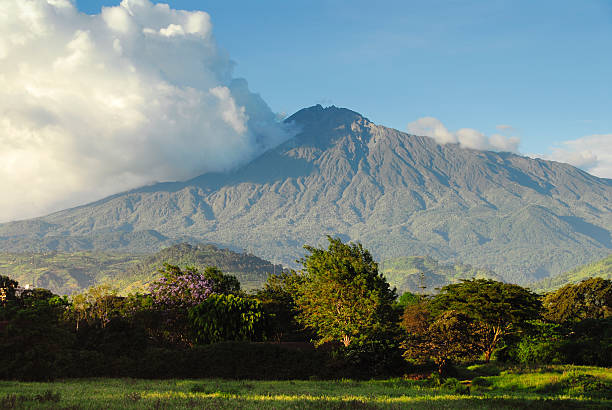
While altitude and weather are critical, real success in applying Mount Meru trekking tips also depends on safety discipline, physical preparation, proper packing, and avoiding common mistakes. On Mount Meru, many climbers struggle not because the mountain is impossible, but because they ignore basic trekking principles.
This section by Nabak Safaris and Tours provides a deep, practical breakdown of safety rules, fitness strategies, packing essentials, and errors to avoid. These are the most actionable Mount Meru trekking tips for a successful climb.
1. Safety Rules on Mount Meru
Safety is the foundation of all Mount Meru trekking tips.
Why Safety Matters
Mount Meru is located inside Arusha National Park, meaning:
- Wildlife is present (buffalo, giraffes, etc.)
- Weather changes quickly
- Altitude increases steadily
Key Safety Rules
1. Always Trek with a Guide
- Mandatory by park regulations
- Ensures navigation and protection
- Critical for wildlife zones
2. Stay on Designated Trails
- Prevents accidents
- Protects ecosystem
- Reduces wildlife encounters risk
3. Follow Ranger Instructions
- Rangers ensure safety in wildlife areas
- Important for emergency response
4. Never Trek Alone
Solo trekking is not allowed and unsafe.
2. Fitness Strategy for Mount Meru
Fitness is one of the most important Mount Meru trekking tips often underestimated by climbers.
Why Fitness Matters
Even though Mount Meru is not extremely high, it involves:
- Long hiking hours
- Steep ascents
- High altitude adaptation
Recommended Training Plan (4–6 Weeks Before Trek)
Cardio Training
- Running (3–5 times weekly)
- Cycling
- Stair climbing
Strength Training
- Leg workouts (squats, lunges)
- Core stability exercises
- Back strengthening
Hiking Practice
- Practice long-distance hikes
- Carry weighted backpack
- Train on uneven terrain
Common Fitness Mistake
Many trekkers think Mount Meru is “easy,” which leads to poor preparation. Proper fitness is a core part of Mount Meru trekking tips.
3. Packing Checklist (Essential Gear Guide)
Proper packing is one of the most practical Mount Meru trekking tips.
Clothing Essentials
- Waterproof jacket
- Thermal base layers
- Fleece or warm sweater
- Quick-dry shirts
Footwear
- Waterproof hiking boots
- Comfortable trekking socks
- Sandals for camp
Camping & Safety Gear
- Sleeping bag (-10°C rating)
- Headlamp with extra batteries
- Trekking poles
- Daypack (30–40L)
Personal Essentials
- Sunscreen
- Reusable water bottle
- Energy snacks
- Basic first aid kit
Packing Mistakes to Avoid
- Overpacking unnecessary items
- Using new boots without breaking them in
- Ignoring cold-weather gear
4. Common Mistakes Climbers Make
Avoiding errors is a key part of Mount Meru trekking tips.
Mistake 1: Ignoring Altitude
- Climbing too fast
- Not recognizing symptoms
Mistake 2: Poor Hydration
- Drinking less than required water
- Ignoring dehydration signs
Mistake 3: Improper Clothing
- Wearing cotton clothes
- Not preparing for cold summit conditions
Mistake 4: Lack of Fitness
- No training before trek
- Underestimating steep climbs
Mistake 5: Rushing the Climb
- Skipping rest breaks
- Walking too fast
Comparison Table: Correct vs Incorrect Trekking Approach
| Factor | Correct Approach | Incorrect Approach |
|---|---|---|
| Safety | Guided trekking | Unsafe solo attempts |
| Fitness | Trained body | No preparation |
| Packing | Layered gear system | Incomplete equipment |
| Climbing speed | Slow “pole pole” | Fast ascent |
Expert Insight from Nabak Safaris and Tours
Experts confirm that most trekking problems are caused by poor preparation, not mountain difficulty.
Key insights:
- Safety rules must always be followed
- Fitness directly affects endurance
- Proper packing improves comfort and survival
- Mistakes are preventable with planning
Field experience shows that trekkers who follow structured Mount Meru trekking tips have higher summit success rates and safer journeys.
Bullet Point Highlights
- Safety rules are mandatory
- Fitness improves climbing success
- Proper packing prevents discomfort
- Mistakes reduce summit chances
- Guides are essential for safety
This section confirms that Mount Meru trekking tips are not only about altitude or weather but also about safety discipline, fitness preparation, proper packing, and avoiding common mistakes. These elements ensure a smoother, safer, and more successful trekking experience.
With expert support from Nabak Safaris and Tours, trekkers can confidently prepare and enjoy a well-guided Mount Meru adventure.
Final Expert Summary, FAQs, Comparison Table & Complete Trekking Advice
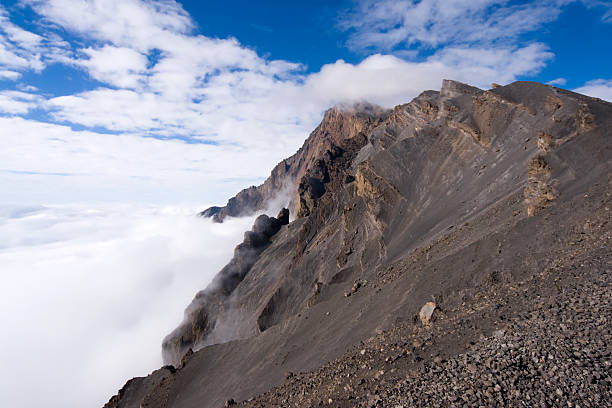
After covering preparation, altitude management, safety rules, and common mistakes, it is now clear that mastering Mount Meru trekking tips is the key to a successful climb on Mount Meru.
However, many trekkers still fail not because they lack information, but because they fail to apply it correctly. This final section by Nabak Safaris and Tours brings everything together into a practical, experience-based conclusion with expert recommendations, FAQs, comparison tables, and final safety guidance.
Final Expert Recommendation
Experts agree that successful application of Mount Meru trekking tips depends on consistency and discipline.
Core Expert Principles
- Always climb slowly (“pole pole”)
- Respect altitude at all times
- Follow guide instructions strictly
- Stay hydrated continuously
- Prepare physically before arrival
What Makes Mount Meru Trekking Unique
Unlike many trekking destinations, Mount Meru offers a combination of:
- Wildlife safari experience
- Volcanic mountain climbing
- Multi-zone ecosystems
This makes applying Mount Meru trekking tips even more important because conditions change constantly.
Comparison Table: Successful vs Unsuccessful Climbers
| Factor | Successful Climbers | Unsuccessful Climbers |
|---|---|---|
| Preparation | Structured training | No preparation |
| Altitude response | Slow adaptation | Rushed ascent |
| Hydration | Consistent intake | Low water consumption |
| Guide cooperation | Full compliance | Ignoring instructions |
Extended FAQs (Frequently Asked Questions)
1. What are the most important Mount Meru trekking tips?
The most important tips include slow pacing, proper hydration, fitness preparation, and following guide instructions.
2. How difficult is Mount Meru to climb?
It is a moderate to challenging trek depending on altitude and fitness level.
3. Do I need a guide for Mount Meru trekking?
Yes, guided trekking is mandatory inside Arusha National Park for safety and wildlife protection.
4. How long does Mount Meru trekking take?
Most climbs take 3 to 4 days depending on itinerary.
5. What is the biggest challenge on Mount Meru?
Altitude change and summit ridge climbing are the most challenging parts.
Expert Insight from Nabak Safaris and Tours
Field experience shows that most trekking failures come from ignoring basic Mount Meru trekking tips, not from mountain difficulty itself.
Key insights:
- Fitness determines endurance success
- Altitude awareness prevents health risks
- Proper gear ensures comfort and safety
- Guided trekking improves success rates
Trekkers who follow structured preparation consistently achieve better summit results and enjoy the journey more.
Final Safety Checklist
Before Trekking
- Medical check completed
- Proper gear packed
- Travel insurance arranged
- Fitness training completed
During Trekking
- Walk slowly and steadily
- Stay hydrated
- Follow guide instructions
- Monitor altitude symptoms
Emergency Awareness
- Report symptoms immediately
- Do not ignore fatigue
- Prioritize safety over summit
Bullet Point Summary
- Mount Meru requires structured preparation
- Altitude is the main challenge
- Fitness improves performance
- Safety rules must be followed
- Guides are essential for success
Final Conclusion
Mastering Mount Meru trekking tips is the difference between a difficult climb and a successful, enjoyable adventure. From preparation and safety to altitude management and gear selection, every detail matters.
Mount Meru is not just a mountain—it is a full adventure experience combining wildlife, scenery, and physical challenge. With proper planning and expert guidance from Nabak Safaris and Tours, trekkers can safely reach the summit and enjoy one of Tanzania’s most rewarding trekking experiences.
Ready to experience Mount Meru?
👉 Book your guided trek with Nabak Safaris and Tours and apply the best Mount Meru trekking tips for a safe, professional, and unforgettable adventure.
About the Author
