
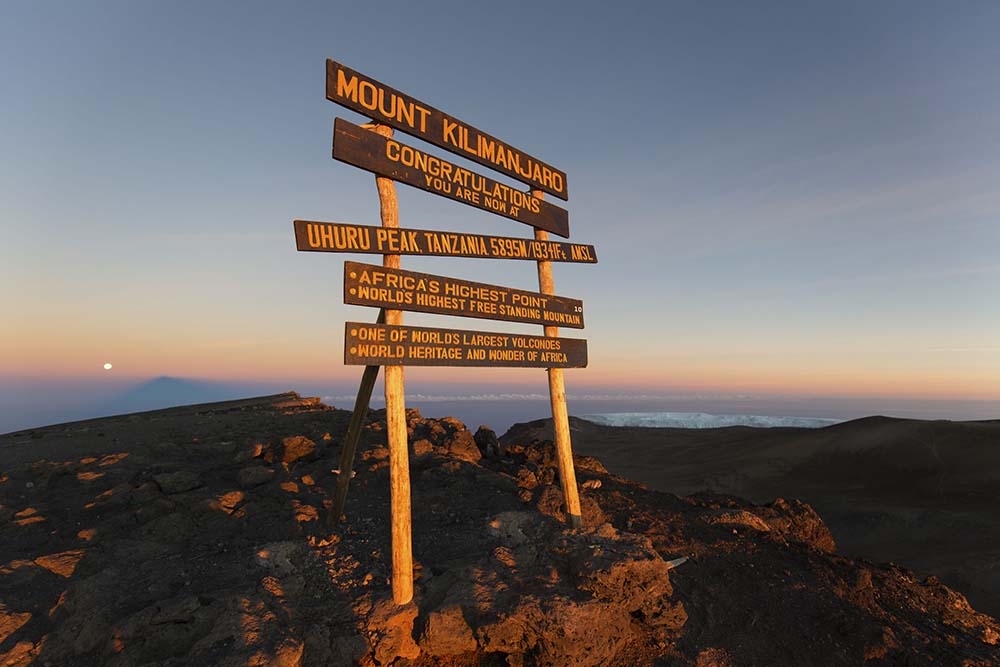
Common mistakes climbers make on Mount Kilimanjaro include poor preparation, wrong gear, and altitude mismanagement. Learn how to avoid them for a successful summit with Nabak Safaris and Tours.
Quick Summary
Climbing Mount Kilimanjaro is a life-changing adventure, but many trekkers fail to reach Uhuru Peak due to avoidable errors. The most common mistakes include underestimating altitude, poor physical preparation, improper packing, ignoring hydration, and choosing the wrong route or operator. This guide by Nabak Safaris and Tours explains these mistakes in detail to help climbers prepare smarter and summit successfully.
Introduction
Climbing Mount Kilimanjaro, Africa’s highest peak standing at 5,895 meters, is a dream for thousands of adventurers worldwide. However, while the mountain is considered non-technical, it should never be mistaken as easy. Every year, many climbers fail to reach the summit due to avoidable errors.
Understanding the common mistakes climbers make on Kilimanjaro is the first step toward a successful expedition. From physical preparation to mental readiness, gear selection, and altitude awareness, every detail matters when attempting to conquer this iconic mountain in Tanzania.
At Nabak Safaris and Tours, we have guided hundreds of climbers, and we consistently observe the same preventable mistakes. This blog breaks them down so you can prepare better, climb safer, and increase your summit success rate.
Common Mistakes Climbers Make on Kilimanjaro
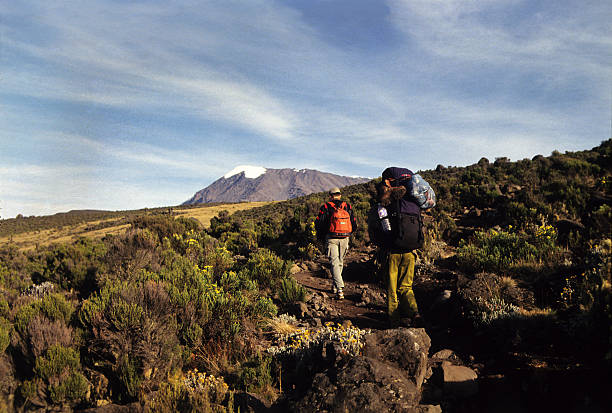
Kilimanjaro, Tanzania – March 15, 1996: Tourists on the way to Mount Kilimanjaro the highest point in Africa with 5895 meters above sea level, Tanzania
Below are the most critical early-stage mistakes that affect climbers even before they set foot on the mountain.
1. Underestimating Mount Kilimanjaro
One of the biggest Kilimanjaro climbing mistakes is assuming the mountain is just a long hike. Many climbers think that because Kilimanjaro is “non-technical,” it requires minimal preparation.
This is incorrect.
Kilimanjaro presents extreme altitude conditions that can affect even highly fit individuals. The lack of technical climbing does not reduce the difficulty of oxygen levels, weather changes, or endurance demands.
Climbers who underestimate the mountain often:
- Start with low fitness levels
- Carry unrealistic expectations
- Ignore acclimatization needs
This leads to exhaustion, altitude sickness, and ultimately failure to summit.
2. Poor Physical Preparation
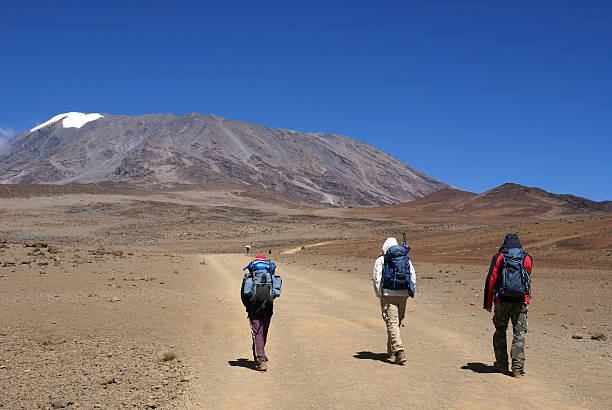
Climbing the Kilimanjaro Mountain
Another major mistake in Mount Kilimanjaro preparation is neglecting proper training.
While you don’t need to be an elite athlete, you must have strong cardiovascular endurance and leg strength. Many climbers arrive without training for long trekking days of 6–8 hours.
Common preparation errors include:
- No hiking practice with a backpack
- Lack of cardio training (running, cycling, swimming)
- Ignoring stair or hill training
- Overconfidence in general fitness
Climbing Kilimanjaro is more about endurance than speed. Proper preparation should start at least 8–12 weeks before the climb.
3. Ignoring Altitude Sickness Risks
Altitude sickness is the leading cause of failed summits on Kilimanjaro. Many climbers do not fully understand how the body reacts above 3,000 meters.
Symptoms include:
- Headaches
- Nausea
- Dizziness
- Loss of appetite
- Fatigue
A critical Kilimanjaro altitude sickness mistake is ascending too quickly without acclimatization.
Climbers often:
- Choose short routes (5–6 days)
- Rush during ascent
- Ignore early symptoms
At Nabak Safaris and Tours, we strongly recommend longer routes such as 7–9 days to increase acclimatization success.
4. Choosing the Wrong Route
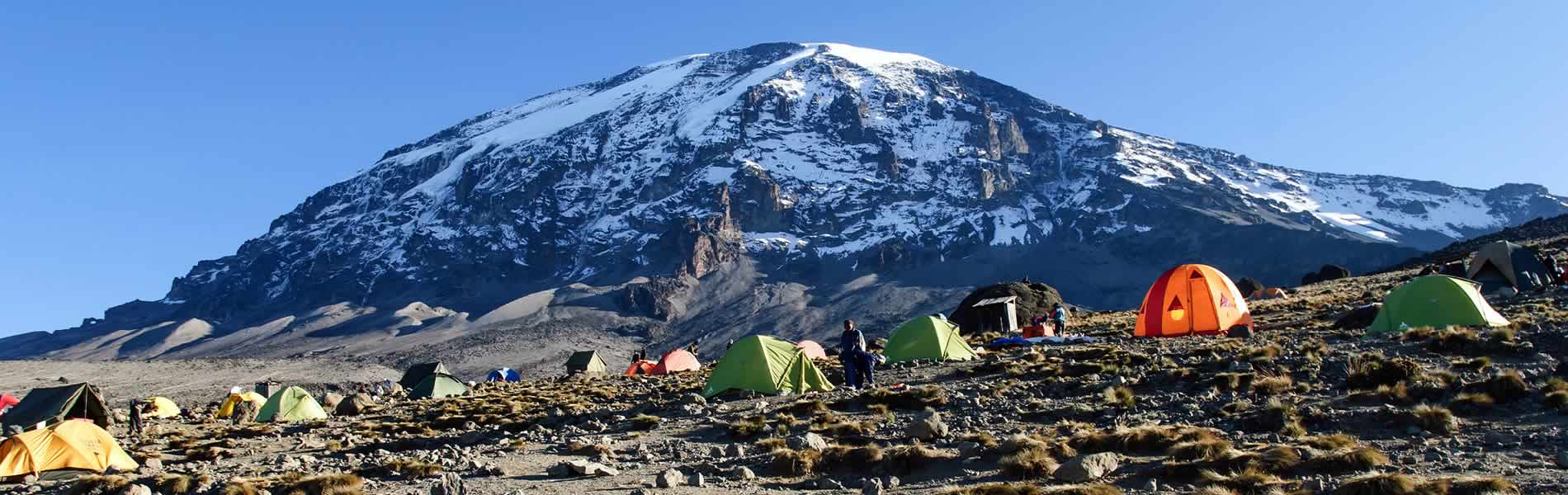
Not all Kilimanjaro routes are equal. One of the most common Kilimanjaro trekking tips is selecting the right path based on time, scenery, and acclimatization.
Many climbers mistakenly choose:
- Short routes to save money
- Busy routes without considering congestion
- Difficult routes without experience
Routes like Marangu (5–6 days) have lower success rates due to limited acclimatization time. In contrast, routes like Lemosho or Northern Circuit offer better summit success.
5. Poor Gear Selection
Improper packing is another frequent issue among climbers. The mountain has five climate zones, ranging from tropical forest to arctic conditions.
Common gear mistakes include:
- Carrying cotton clothing (not moisture-wicking)
- Forgetting warm layers for summit night
- Using broken or untested hiking boots
- Overpacking unnecessary items
Proper gear is essential for comfort and survival. Climbers often suffer from cold injuries or blisters due to poor preparation.
6. Not Choosing a Reliable Tour Operator
A serious but overlooked mistake is selecting an unprofessional or cheap operator.
A good operator ensures:
- Proper acclimatization schedules
- Qualified guides
- Emergency oxygen availability
- Safe camping logistics
Poor operators may compromise safety, leading to failed climbs or dangerous situations.
Always choose licensed and experienced companies like Nabak Safaris and Tours, which prioritize safety and ethical trekking standards.
The common mistakes climbers make on Kilimanjaro often start before the climb itself. Underestimating the mountain, poor physical preparation, ignoring altitude effects, choosing the wrong route, and improper gear selection are the foundation of most failures.
About the Author
