
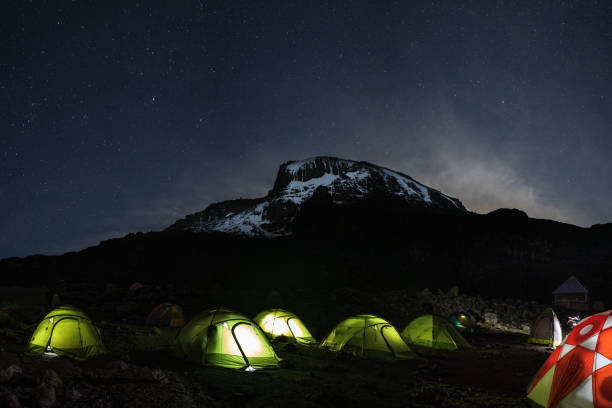
Discover what to expect on kilimanjaro summit night with this real experience guide—tips, gear, challenges, and expert advice to reach Uhuru Peak successfully.
Climbing Mount Kilimanjaro is not just a trek—it’s a life-changing journey. But nothing prepares you for the intensity, emotion, and challenge of kilimanjaro summit night, the final push to the highest point in Africa. This is the moment every climber talks about, fears, and ultimately remembers forever.
If you are planning your adventure with Nabak Safaris and Tours, understanding what happens during kilimanjaro summit night can make the difference between reaching Uhuru Peak and turning back before the summit. This guide is based on real experiences from climbers and expert guides to give you a clear, honest, and practical understanding of what lies ahead.
Why Kilimanjaro Summit Night Is the Hardest Part
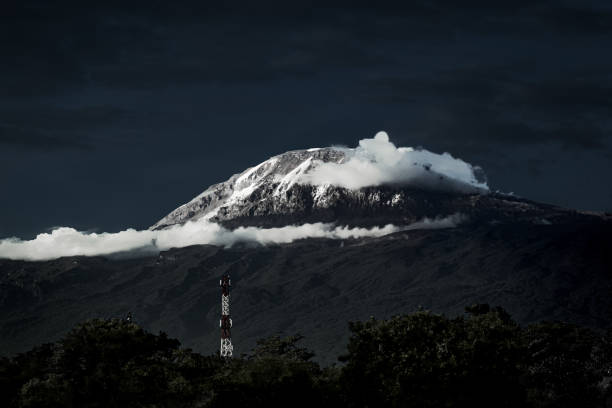
Mount Kilimanjaro at night
Many climbers assume the entire trek is equally difficult, but that’s far from the truth. The biggest challenge comes during kilimanjaro summit night, when you attempt to climb from high camp to the summit in extreme conditions.
You begin your ascent around midnight. Yes—while your body is exhausted, your mind sleepy, and temperatures at their lowest. This timing is strategic: reaching the summit at sunrise offers better visibility and slightly safer conditions. However, it also means battling cold, darkness, and fatigue simultaneously.
During kilimanjaro summit night, temperatures can drop to as low as -15°C to -20°C (5°F to -4°F). Combined with high altitude—often above 5,000 meters (16,400 feet)—your body faces reduced oxygen levels, making every step feel heavier than the last.
The Mental Game: More Than Physical Strength
One of the biggest surprises for climbers is that kilimanjaro summit night is less about physical fitness and more about mental endurance. Even strong hikers struggle because of altitude, cold, and sleep deprivation.
At this stage, your body is already fatigued from several days of trekking. When you start climbing during kilimanjaro summit night, you are pushing your limits in ways you’ve likely never experienced before.
Thoughts like:
- “Why am I doing this?”
- “Can I really make it?”
- “Should I turn back?”
…are completely normal.
What matters is persistence. Step by step, slow and steady—this is the golden rule during kilimanjaro summit night.
The Pace: Pole Pole Strategy
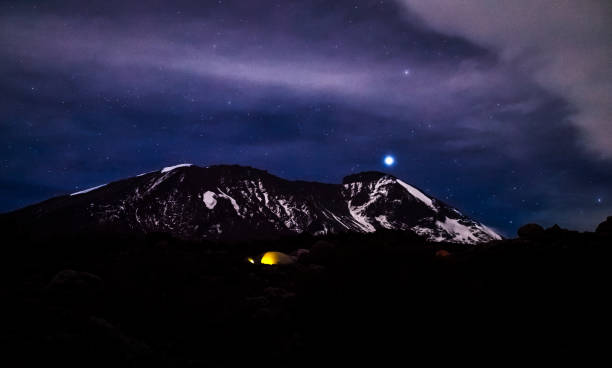
Night at the second camp (Lemosho route)
In Tanzania, guides use the phrase “pole pole,” meaning “slowly, slowly.” This becomes your survival strategy during kilimanjaro summit night.
Unlike normal hiking, rushing is dangerous here. Moving too fast can increase your risk of altitude sickness and drain your energy quickly. Instead, your guide will set a very slow, consistent pace.
Expect:
- Short, controlled steps
- Frequent rest breaks
- Minimal talking to conserve energy
The slower you go during kilimanjaro summit night, the higher your chances of reaching the summit.
What You’ll See (and What You Won’t)
Climbing in darkness is a unique experience. During kilimanjaro summit night, you won’t see the stunning landscapes Kilimanjaro is famous for—at least not at first.
Instead, you’ll notice:
- A line of headlamps from climbers ahead
- Stars brighter than you’ve ever seen
- Silence, broken only by wind and footsteps
This surreal environment makes kilimanjaro summit night feel almost otherworldly.
As dawn approaches, everything changes. The sky slowly turns from black to deep blue, then orange. Reaching the summit at sunrise is one of the most rewarding moments you will ever experience.
Physical Symptoms You Might Experience
It’s important to be honest: kilimanjaro summit night is tough, and your body will react.
Common symptoms include:
- Shortness of breath
- Headaches
- Nausea
- Dizziness
- Extreme fatigue
These are often related to altitude and are normal to some extent. However, experienced guides from Nabak Safaris and Tours will monitor you closely to ensure your safety.
Hydration, proper pacing, and mental focus are critical during kilimanjaro summit night.
Support from Guides and Porters
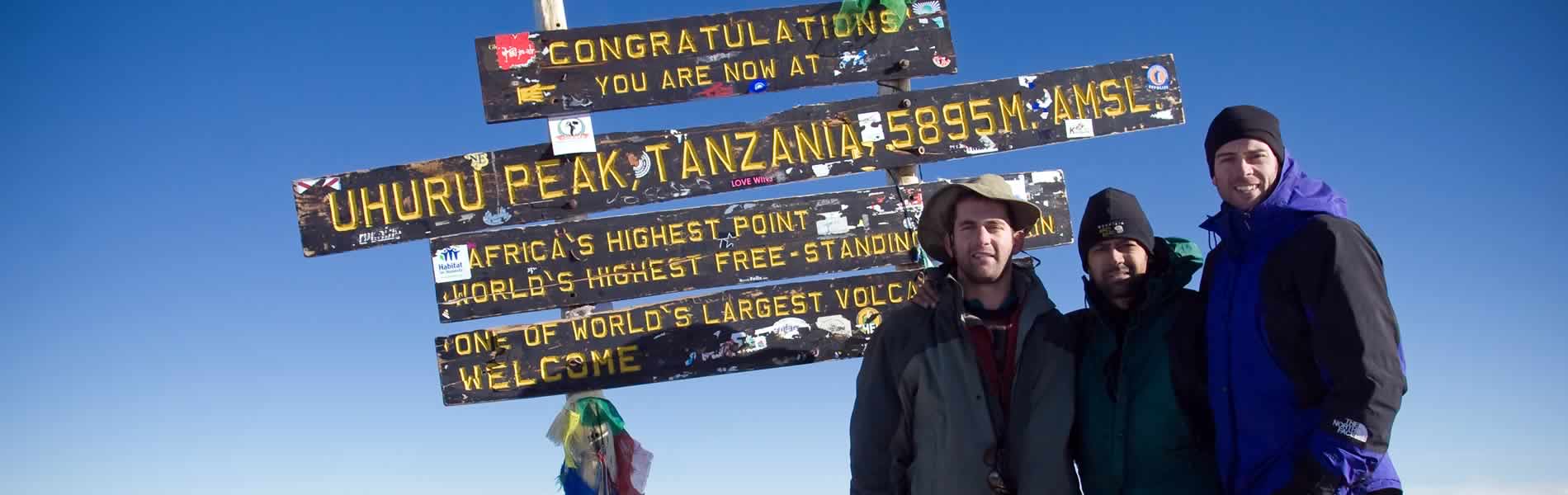
One of the most underrated aspects of success is your support team. During kilimanjaro summit night, your guides play a crucial role in motivating and protecting you.
They will:
- Check your oxygen levels
- Encourage you when you feel like quitting
- Adjust pace based on your condition
- Ensure you stay safe in extreme conditions
Climbing with a professional company like Nabak Safaris and Tours ensures you are not alone during kilimanjaro summit night—a factor that significantly increases your chances of success.
Why Preparation Matters
The experience of kilimanjaro summit night begins long before you step on the mountain. Proper preparation determines how well you handle the final push.
Key preparation factors include:
- Physical training (hiking, endurance workouts)
- Mental readiness
- Proper gear (especially warm clothing)
- Acclimatization through a well-planned route
Skipping these steps can turn kilimanjaro summit night into a miserable experience instead of a rewarding one.
Quick Summary
- kilimanjaro summit night is the most challenging part of the climb
- Begins around midnight in extreme cold
- Requires mental strength more than physical power
- Slow pace (“pole pole”) is essential
- Symptoms of altitude are common but manageable
- Support from guides is critical
- Preparation significantly increases success rate
About the Author
