
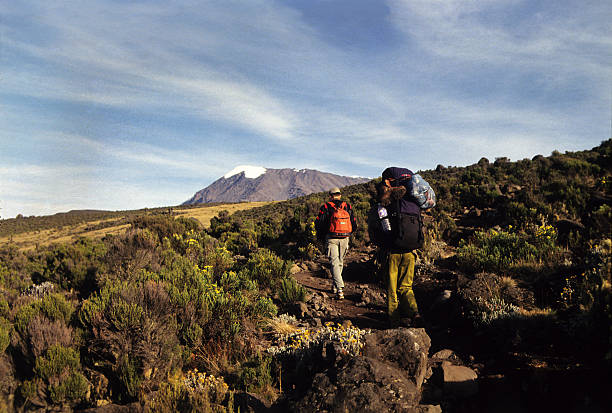
How hard is it to climb Mount Kilimanjaro? Discover difficulty levels, success rates, tips, and expert advice to help you reach the summit with Nabak Safaris and Tours.
Understanding the Challenge of Climbing Mount Kilimanjaro
Climbing Mount Kilimanjaro is one of the most iconic adventures in the world, attracting thousands of trekkers every year. But one question consistently stands out among beginners and even seasoned travelers: how hard is it to climb Mount Kilimanjaro?
The answer is not as simple as labeling it “easy” or “difficult.” Kilimanjaro is unique compared to other major peaks because it does not require technical climbing skills such as ropes, ice axes, or mountaineering experience. However, this does not mean it is an easy climb. In fact, many trekkers underestimate the challenge, which is one of the main reasons why some fail to reach the summit.
Standing at 5,895 meters (19,341 feet), Mount Kilimanjaro is the highest mountain in Africa and the tallest free-standing mountain in the world. Its height alone introduces a major challenge: altitude. Unlike physical exhaustion, altitude sickness is unpredictable and can affect anyone regardless of fitness level.
For couples, solo travelers, and adventure seekers planning their journey with Nabak Safaris and Tours, understanding the true difficulty of Kilimanjaro is essential. It helps in preparation, route selection, and setting realistic expectations.
Quick Summary
- Climbing Mount Kilimanjaro is physically demanding but not technical
- The biggest challenge is altitude sickness, not fitness
- Success rates range between 65%–85% depending on the route
- Proper acclimatization greatly increases your chances
- Anyone with basic fitness and preparation can attempt the climb
What Makes Climbing Kilimanjaro Challenging?
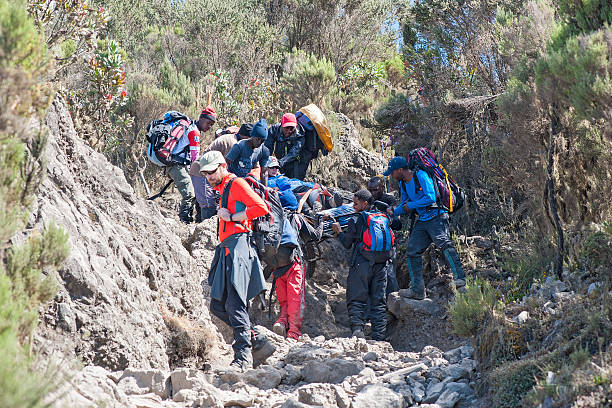
Kilimanjaro, Tanzania – October 9, 2012: A large group of local porters and mountain guides is pulling, pushing and carrying a one-wheeled emergency gurney down the Mweke Route of Mt. Kilimanjaro. On the gurney there is an injured female climber with has to be evacuated from the mountain. In front of the group there is another western tourist visible who stays with the injured women. This type of gurney is the only rescue equipment which is used to rescue injured climbers on Kilimanjaro.
1. Altitude is the Biggest Challenge
The primary factor that determines how hard it is to climb Mount Kilimanjaro is altitude. As you ascend, oxygen levels decrease significantly, making it harder for your body to function normally.
Many climbers experience symptoms such as:
- Headaches
- Nausea
- Dizziness
- Fatigue
This condition, known as Acute Mountain Sickness (AMS), is the number one reason climbers fail to reach the summit.
Even the fittest individuals can struggle with altitude, which is why climbing Kilimanjaro is more about adaptation than strength.
2. Long Trekking Days
Climbing Kilimanjaro typically takes between 5 to 9 days, depending on the route you choose. Each day involves several hours of hiking, sometimes up to 6–8 hours.
Key challenges include:
- Continuous uphill trekking
- Uneven terrain
- Cold temperatures at higher altitudes
The final summit push is especially demanding, often starting at midnight and lasting 10–14 hours round trip.
3. Mental Strength and Endurance
Many climbers report that Kilimanjaro is more of a mental challenge than a physical one. Staying motivated, pushing through discomfort, and maintaining a positive mindset are crucial for success.
Moments of doubt often occur during:
- Summit night
- Extreme fatigue
- Cold and windy conditions
Having a strong mental attitude can make the difference between reaching the summit or turning back.
Comparison Table: Kilimanjaro vs Other Famous Treks
| Feature | Mount Kilimanjaro | Everest Base Camp | Mount Kenya |
|---|---|---|---|
| Technical Skills Required | No | No | Sometimes |
| Altitude | Very High | High | Moderate |
| Duration | 5–9 Days | 12–14 Days | 4–6 Days |
| Difficulty Level | Moderate to Hard | Moderate | Moderate |
| Success Rate | 65%–85% | High | High |
Key Insight:
Kilimanjaro stands out because of its high altitude in a short time, which increases difficulty compared to longer treks like Everest Base Camp.
Expert Insight (Customer Experience Perspective)
Professional guides from Nabak Safaris and Tours emphasize that preparation and pacing are the keys to success.
“Most people think Kilimanjaro is about strength, but it’s actually about patience. Walk slowly, hydrate well, and listen to your body.”
Experienced climbers also recommend choosing longer routes such as:
- Lemosho Route
- Machame Route
These routes allow better acclimatization, significantly improving your chances of reaching Uhuru Peak.
Bullet Point Breakdown: Who Can Climb Kilimanjaro?
You can successfully climb Kilimanjaro if you:
- Have a basic level of fitness
- Can walk for several hours a day
- Are mentally prepared for challenges
- Follow a proper acclimatization schedule
- Choose a reliable tour operator like Nabak Safaris and Tours
You may struggle if you:
- Rush the climb (short routes)
- Ignore altitude symptoms
- Lack preparation or training
- Underestimate weather conditions
So, how hard is it to climb Mount Kilimanjaro?
The honest answer is this: it is a moderately difficult challenge that becomes manageable with the right preparation, mindset, and guidance. It is not a technical climb, but it demands respect—especially because of altitude.
With proper planning, choosing the right route, and trekking with experienced professionals like Nabak Safaris and Tours, reaching the summit is absolutely achievable—even for first-time trekkers.
Physical Fitness, Training & Preparation for Climbing Mount Kilimanjaro
Do You Need to Be Fit to Climb Kilimanjaro?
One of the most frequently asked questions after how hard is it to climb Mount Kilimanjaro is whether you need to be extremely fit to reach the summit. The truth is both simple and surprising.
You do not need to be an athlete or a professional mountaineer. However, you do need a solid level of physical fitness, proper preparation, and mental endurance. Climbing Mount Kilimanjaro is not about speed or strength—it is about consistency, pacing, and the ability to handle long trekking days.
For anyone planning a trek with Nabak Safaris and Tours, understanding how to prepare your body is one of the most important steps toward success.
Quick Summary
- You don’t need advanced climbing skills to climb Mount Kilimanjaro
- Physical fitness improves your success rate significantly
- Training should start at least 6–8 weeks before the climb
- Focus on endurance, not speed or strength
- Mental preparation is equally important as physical fitness
How Fit Do You Really Need to Be?
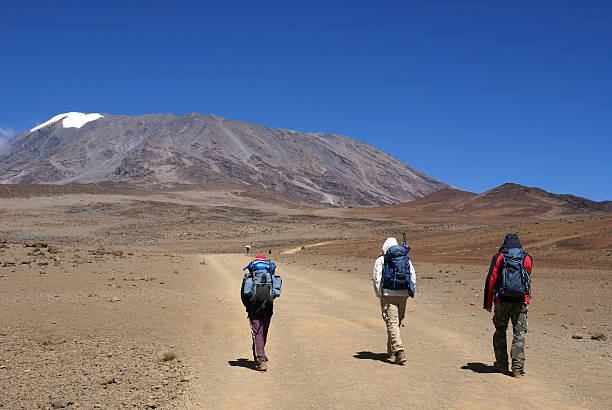
Climbing the Kilimanjaro Mountain
To understand how hard it is to climb Mount Kilimanjaro, you must first evaluate your current fitness level. The climb involves several days of continuous hiking, often on steep and uneven terrain.
A person is considered ready for Kilimanjaro if they can:
- Walk for 6–8 hours a day without exhaustion
- Handle uphill trekking comfortably
- Recover quickly after long physical activity
- Maintain energy levels over multiple days
If you already engage in activities such as hiking, jogging, or cycling, you are on the right track.
However, if you live a mostly sedentary lifestyle, you will need to prepare more seriously before attempting the climb.
Best Training Plan for Kilimanjaro (6–8 Weeks)
1. Cardiovascular Training (Core Foundation)
Cardio is the most important part of Kilimanjaro training. Since the climb involves long hours of walking, your heart and lungs must be able to sustain prolonged activity.
Recommended exercises:
- Brisk walking
- Hiking on hills or inclines
- Running or jogging
- Cycling
- Stair climbing
Training frequency:
- 4–5 times per week
- 30–60 minutes per session
Pro Tip:
Practice walking with a backpack to simulate real trekking conditions.
2. Strength Training (Support System)
While Kilimanjaro is not a strength-based climb, muscle endurance plays a major role in reducing fatigue and preventing injuries.
Focus on:
- Legs (squats, lunges)
- Core (planks, sit-ups)
- Back (for carrying a backpack)
Training frequency:
- 2–3 times per week
Strong muscles help you maintain stability, especially during descents, which are often harder than the ascent.
3. Endurance Hiking (Real Simulation)
To truly understand how hard it is to climb Mount Kilimanjaro, nothing prepares you better than actual hiking.
Try to:
- Go on long hikes during weekends
- Choose trails with elevation gain
- Increase distance gradually
Reach at least 15–20 km hikes before your trip.
4. Mental Preparation (Underrated but Critical)
Many climbers fail not because of physical weakness, but because of mental exhaustion.
You need to prepare for:
- Cold weather
- Slow progress
- Fatigue
- Discomfort
Ways to train mentally:
- Practice long activities without quitting
- Train in tough conditions (heat, rain, or early mornings)
- Build discipline and patience
Comparison Table: Fit vs Unfit Climbers on Kilimanjaro
| Factor | Fit Climbers | Unfit Climbers |
|---|---|---|
| Energy Levels | Stable | Drops quickly |
| Recovery | Fast | Slow |
| Summit Chances | High | Low |
| Altitude Adaptation | Better | Poor |
| Overall Experience | Enjoyable | Stressful |
Key Insight:
Fitness does not guarantee success, but lack of fitness significantly increases failure risk.
Expert Insight (From Trekking Professionals)
Guides from Nabak Safaris and Tours strongly emphasize gradual preparation:
“The biggest mistake climbers make is underestimating the mountain. If you train your body and mind, Kilimanjaro becomes a rewarding journey instead of a struggle.”
They also recommend that climbers should avoid rushing training. Consistency is far more important than intensity.
Bullet Points: Common Training Mistakes to Avoid
To fully understand how hard it is to climb Mount Kilimanjaro, you must avoid these common mistakes:
- Starting training too late
- Ignoring cardio workouts
- Overtraining and risking injury
- Not practicing with hiking gear
- Underestimating mental preparation
Avoiding these mistakes can dramatically improve your chances of reaching the summit.
Gear Preparation
In addition to physical training, having the right gear plays a crucial role.
Essential items include:
- Proper hiking boots
- Warm clothing (layered system)
- Waterproof jacket
- Backpack
- Trekking poles
Poor gear choices can make the climb significantly harder, even if you are physically fit.
For professional training guidelines, you can explore recommendations from the American Hiking Society, which provides expert advice on endurance hiking and preparation.
FAQs
1. Can a beginner climb Mount Kilimanjaro?
Yes, beginners can climb Mount Kilimanjaro with proper training, preparation, and guidance.
2. How long should I train before climbing Kilimanjaro?
You should train for at least 6–8 weeks before your climb.
3. Is gym training enough for Kilimanjaro?
No, you should combine gym workouts with outdoor hiking for best results.
4. What is the hardest part physically?
The long trekking hours and summit night are the most physically demanding.
So, how hard is it to climb Mount Kilimanjaro from a physical perspective?
It is challenging, but absolutely achievable. With proper training, consistent preparation, and the right mindset, you can significantly reduce the difficulty and increase your chances of success.
Kilimanjaro is not a mountain that requires extreme strength—but it does demand respect, preparation, and determination.
Why Route Choice Determines How Hard It Is to Climb Mount Kilimanjaro
If you truly want to understand how hard is it to climb Mount Kilimanjaro, you must look beyond fitness and focus on one critical factor: the route you choose.
Many climbers fail not because they are unfit, but because they select the wrong route. Each route on Mount Kilimanjaro offers a different level of difficulty, acclimatization profile, scenery, and success rate.
This means that how hard it is to climb Mount Kilimanjaro can change dramatically depending on your route choice. Some routes are shorter and steeper, making the climb significantly harder, while others are longer and more gradual, making the experience easier and more enjoyable.
Choosing the right route is one of the smartest decisions you can make when planning your Kilimanjaro adventure with Nabak Safaris and Tours.
Quick Summary
- Route choice directly affects how hard it is to climb Mount Kilimanjaro
- Longer routes = higher success rates and easier acclimatization
- Short routes increase difficulty due to poor altitude adjustment
- Best routes: Lemosho, Machame, Rongai
- Success rates range from 50% to over 90% depending on the route
Main Kilimanjaro Routes Explained
Understanding the different routes is essential when evaluating how hard it is to climb Mount Kilimanjaro.
1. Lemosho Route (Best for Success & Scenic Beauty)
- Duration: 7–9 days
- Difficulty: Moderate
- Success Rate: Very High (85%–90%)
The Lemosho Route is widely considered the best route for beginners and experienced climbers alike. It offers a gradual ascent, giving your body enough time to acclimatize.
Why it reduces difficulty:
- Longer duration
- Better altitude adaptation
- Less crowded
If your goal is to reduce how hard it is to climb Mount Kilimanjaro, this is one of the best options.
2. Machame Route (Most Popular Route)
- Duration: 6–7 days
- Difficulty: Moderate to Challenging
- Success Rate: High
Known as the “Whiskey Route,” Machame is slightly more challenging than Lemosho but still offers good acclimatization.
Key features:
- Steeper sections
- Stunning scenery
- Good balance between challenge and success
This route is ideal for those who want adventure without making the climb extremely hard.
3. Marangu Route (Shortest & Most Misleading)
- Duration: 5–6 days
- Difficulty: High (due to poor acclimatization)
- Success Rate: Low to Moderate
Although it is the shortest route, it is often the hardest in terms of success rate.
Why it increases difficulty:
- Rapid altitude gain
- Less time for acclimatization
- Higher risk of altitude sickness
Many beginners mistakenly choose this route thinking it is easier—but in reality, it makes climbing Kilimanjaro much harder.
4. Rongai Route (Quiet & Gradual)
- Duration: 6–7 days
- Difficulty: Moderate
- Success Rate: High
This route approaches the mountain from the north and is less crowded.
Advantages:
- Gradual ascent
- Drier conditions
- Easier acclimatization
It is a great alternative for those looking to reduce how hard it is to climb Mount Kilimanjaro.
Comparison Table: Kilimanjaro Routes
| Route | Duration | Difficulty | Success Rate | Best For |
|---|---|---|---|---|
| Lemosho | 7–9 Days | Moderate | 85–90% | Beginners & success |
| Machame | 6–7 Days | Moderate–Hard | 75–85% | Adventure seekers |
| Marangu | 5–6 Days | Hard | 50–65% | Budget climbers |
| Rongai | 6–7 Days | Moderate | 80–85% | Quiet experience |
Key Insight:
If you want to reduce how hard it is to climb Mount Kilimanjaro, always choose a longer route with better acclimatization.
Altitude Strategy: The Real Secret Behind Success
When discussing how hard it is to climb Mount Kilimanjaro, altitude strategy becomes the most important factor.
The “Climb High, Sleep Low” Principle
This strategy involves climbing to a higher altitude during the day and then descending slightly to sleep. It helps your body adjust more effectively.
Benefits include:
- Reduced risk of altitude sickness
- Better oxygen adaptation
- Higher summit success rate
Why Altitude Makes Kilimanjaro Hard
At higher elevations:
- Oxygen levels drop significantly
- Your body works harder to function
- Fatigue increases rapidly
This is why even simple walking becomes extremely difficult near the summit.
Success Rates and What They Mean
To truly understand how hard it is to climb Mount Kilimanjaro, you must consider success rates.
- Short routes: ~50% success
- Medium routes: ~70% success
- Long routes: ~85%+ success
This clearly shows that the difficulty of Kilimanjaro is not fixed—it depends on how you approach it.
Expert Insight (Guides Perspective)
Professional guides from Nabak Safaris and Tours strongly advise:
“The mountain will always be there, but your body needs time. The slower you go, the higher your chances of success.”
They emphasize that patience is the most powerful strategy when climbing Kilimanjaro.
Bullet Points: How to Make Kilimanjaro Easier
If you’re wondering again how hard is it to climb Mount Kilimanjaro, here are proven ways to reduce the difficulty:
- Choose a longer route (7+ days)
- Walk slowly (“pole pole” pace)
- Stay hydrated
- Eat properly during the climb
- Listen to your guide
- Allow your body to acclimatize
For more insights on high-altitude adaptation, refer to the World Health Organization guidelines on altitude and health.
FAQs
1. Which route is the easiest on Kilimanjaro?
The Lemosho Route is considered the easiest due to its gradual ascent and high success rate.
2. Which route is the hardest?
The Marangu Route is often the hardest because of poor acclimatization.
3. Does route choice really matter?
Yes, route choice significantly affects how hard it is to climb Mount Kilimanjaro.
4. What is the safest route?
Longer routes like Lemosho and Rongai are considered safer due to better acclimatization.
So, how hard is it to climb Mount Kilimanjaro when considering routes and altitude?
The answer becomes clear: the difficulty is largely determined by your choices. With the right route, proper altitude strategy, and guidance from experienced professionals like Nabak Safaris and Tours, the climb becomes far more achievable.
Choosing wisely can turn a difficult climb into an unforgettable and successful adventure.
About the Author
