
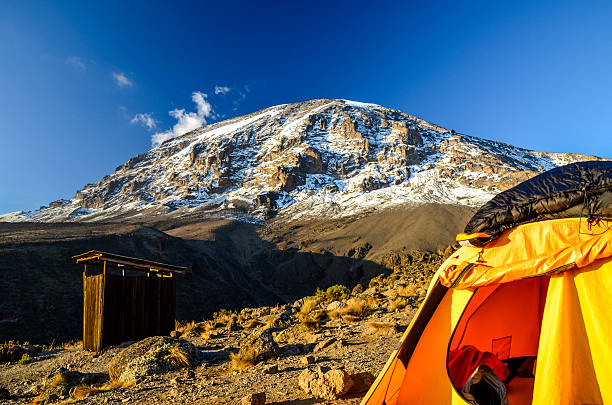
Discover the best time to climb Mount Kilimanjaro with expert insights on weather, seasons, success rates, and trekking conditions. Plan your perfect climb with Nabak Safaris and Tours.
Why Timing Matters When Climbing Mount Kilimanjaro
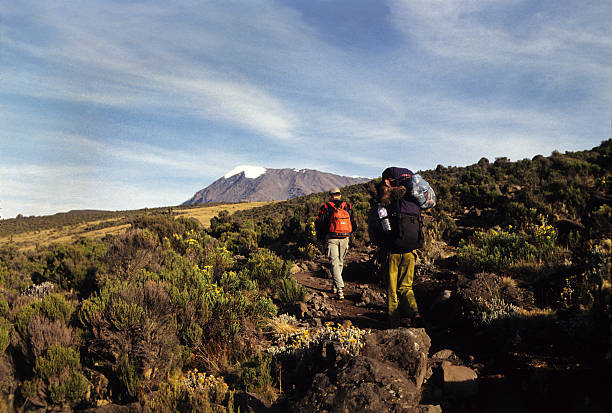
Kilimanjaro, Tanzania – March 15, 1996: Tourists on the way to Mount Kilimanjaro the highest point in Africa with 5895 meters above sea level, Tanzania
Choosing the best time to climb Mount Kilimanjaro is one of the most important decisions you will make when planning your adventure. While it is technically possible to climb Kilimanjaro all year round, the experience, success rate, and overall difficulty can vary greatly depending on the season you choose.
Mount Kilimanjaro is not just about reaching the summit—it is about the journey, the views, and the conditions you face along the way. Weather plays a huge role in determining how enjoyable and successful your climb will be.
Some months offer clear skies, breathtaking views, and ideal trekking conditions, while others bring heavy rains, slippery trails, and reduced visibility. Understanding these seasonal differences helps you avoid unnecessary challenges and maximize your chances of reaching Uhuru Peak.
For travelers planning their trek with Nabak Safaris and Tours, knowing the best time to climb Mount Kilimanjaro ensures a safer, more comfortable, and more memorable experience.
Quick Summary (Featured Snippet Optimized)
- The best time to climb Mount Kilimanjaro is during the dry seasons
- Ideal months: January–March and June–October
- Dry seasons offer clear skies and higher success rates
- Rainy seasons (April–May & November) make climbing more difficult
- Weather affects visibility, trail conditions, and overall experience
Understanding Kilimanjaro’s Climate and Weather Patterns
To fully understand the best time to climb Mount Kilimanjaro, you must first understand its unique climate system.
Unlike many mountains, Kilimanjaro has multiple climate zones:
- Tropical rainforest (base)
- Heath and moorland
- Alpine desert
- Arctic summit
As you climb higher, temperatures drop significantly, and weather conditions become more extreme.
Key Weather Factors That Affect Your Climb
- Rainfall
- Temperature
- Wind conditions
- Visibility
These factors directly impact how hard or easy your climb will be.
Dry Season vs Rainy Season: What’s the Difference?
Dry Season (Best Time to Climb Mount Kilimanjaro)
The dry season is widely considered the best time to climb Mount Kilimanjaro because it offers stable and predictable weather conditions.
Advantages:
- Clear skies and stunning views
- Dry trails and safer trekking
- Higher summit success rates
- Comfortable camping conditions
Disadvantages:
- More crowded routes
- Higher demand for bookings
Rainy Season (Challenging Conditions)
Climbing during the rainy season significantly increases the difficulty level.
Challenges include:
- Muddy and slippery trails
- Limited visibility
- Increased risk of discomfort
- Wet gear and clothing
Although fewer crowds may seem appealing, the overall experience becomes much harder.
Monthly Breakdown: Best Time to Climb Mount Kilimanjaro
January to March (Excellent Conditions)
This is one of the best times to climb Mount Kilimanjaro, especially for those who prefer fewer crowds.
What to expect:
- Mild temperatures
- Clear mornings and occasional clouds
- Good visibility
April to May (Long Rain Season)
This is considered the worst time for climbing.
Conditions:
- Heavy rainfall
- Slippery trails
- Poor visibility
Most climbers avoid these months due to increased difficulty.
June to October (Peak Season – Best Time Overall)
This is the most popular and best time to climb Mount Kilimanjaro.
Why it’s ideal:
- Dry weather
- Clear skies
- Excellent trekking conditions
However, expect more climbers on the mountain.
November (Short Rain Season)
Rainfall returns, but not as heavy as April–May.
Conditions:
- Intermittent rain
- Moderate difficulty
- Fewer crowds
December (Transition Month)
A good alternative period with improving conditions.
Benefits:
- Less crowded than peak months
- Decent weather
Comparison Table: Best vs Worst Time to Climb
| Season | Months | Conditions | Difficulty Level | Recommendation |
|---|---|---|---|---|
| Dry Season | Jan–Mar | Clear & Mild | Moderate | Highly Recommended |
| Dry Season | Jun–Oct | Clear & Stable | Easier | Best Overall |
| Rainy Season | Apr–May | Heavy Rain | Hard | Not Recommended |
| Rainy Season | Nov | Light Rain | Moderate–Hard | Optional |
Key Insight:
The best time to climb Mount Kilimanjaro is during the dry seasons when conditions are predictable and safe.
Expert Insight
Travel experts from Nabak Safaris and Tours recommend planning your climb during dry months for the best experience:
“Climbing Kilimanjaro during the right season can make the difference between a tough climb and a life-changing adventure.”
They also advise booking early during peak seasons due to high demand.
Bullet Points: How Weather Affects Your Experience
When choosing the best time to climb Mount Kilimanjaro, consider how weather impacts:
- Trail safety
- Visibility of landscapes
- Comfort during trekking
- Photography opportunities
- Overall success rate
For accurate weather patterns and climate insights, refer to the Tanzania Meteorological Authority, which provides reliable data on seasonal conditions in Tanzania.
FAQs
1. What is the best month to climb Mount Kilimanjaro?
June, July, August, and September are considered the best months.
2. Can I climb Kilimanjaro during the rainy season?
Yes, but it is more difficult and less comfortable.
3. Is Kilimanjaro crowded during peak season?
Yes, especially from June to October.
4. Does weather affect summit success?
Yes, weather conditions significantly impact your chances of reaching the summit.
So, what is the best time to climb Mount Kilimanjaro?
The answer is clear: the dry seasons offer the best conditions, highest success rates, and most enjoyable experiences. Choosing the right time is the foundation of a successful climb.
With proper timing and planning through Nabak Safaris and Tours, your Kilimanjaro adventure can become one of the most unforgettable experiences of your life.
How Weather Defines the Best Time to Climb Mount Kilimanjaro
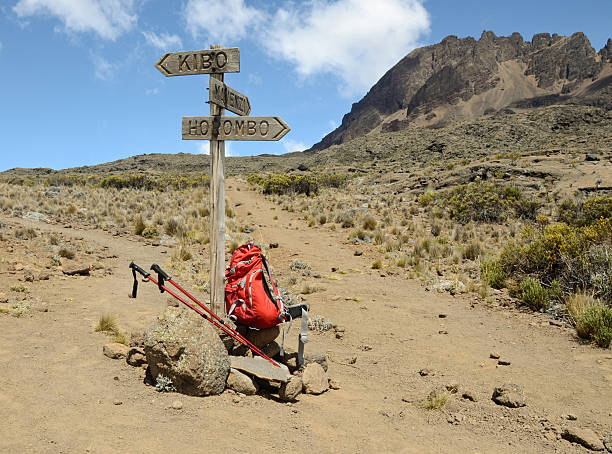
Рointer, backpack and sticks at the route to Mawenzi
Understanding weather and temperature patterns is essential when determining the best time to climb Mount Kilimanjaro. Many climbers focus only on months and seasons, but the real experience on the mountain is shaped by daily weather conditions across different altitude zones.
Mount Kilimanjaro is unique because it contains multiple climate zones stacked vertically. This means that in a single day, you can experience hot, humid conditions at the base and freezing temperatures near the summit. Because of this dramatic variation, choosing the best time to climb Mount Kilimanjaro is not just about avoiding rain—it is about optimizing your entire trekking experience.
For travelers planning their journey with Nabak Safaris and Tours, understanding these weather patterns helps you prepare better, pack correctly, and increase your chances of a successful summit.
Quick Summary (Featured Snippet Optimized)
- Weather varies significantly by altitude on Kilimanjaro
- The best time to climb Mount Kilimanjaro offers stable and predictable weather
- Temperatures drop as you ascend the mountain
- Dry seasons provide better visibility and safer trails
- Weather directly affects comfort, safety, and success rates
Kilimanjaro Climate Zones Explained
To fully understand the best time to climb Mount Kilimanjaro, you need to know how the mountain’s climate zones work.
1. Rainforest Zone (800m – 3,000m)
This is the starting point of most routes.
Conditions:
- Warm and humid
- Frequent rainfall
- Dense vegetation
During the rainy season, this area becomes muddy and slippery, making the climb more difficult.
2. Heath and Moorland Zone (3,000m – 4,000m)
Conditions:
- Cooler temperatures
- Less vegetation
- Open landscapes
This zone offers some of the most scenic views, especially during the best time to climb Mount Kilimanjaro when skies are clear.
3. Alpine Desert Zone (4,000m – 5,000m)
Conditions:
- Dry and windy
- Strong sun during the day
- Cold nights
This is where conditions start to feel extreme. The lack of oxygen and harsh environment make timing very important.
4. Arctic Summit Zone (5,000m+)
Conditions:
- Freezing temperatures
- Snow and ice
- Strong winds
At the summit, weather becomes the biggest challenge. Choosing the best time to climb Mount Kilimanjaro ensures more stable summit conditions.
Temperature Breakdown by Altitude
Temperatures on Kilimanjaro vary dramatically depending on altitude and time of day.
| Zone | Day Temperature | Night Temperature |
|---|---|---|
| Rainforest | 20°C – 30°C | 10°C – 15°C |
| Moorland | 10°C – 20°C | 0°C – 5°C |
| Alpine Desert | 5°C – 15°C | -5°C – -10°C |
| Summit | -5°C – -10°C | -15°C to -25°C |
Key Insight:
The best time to climb Mount Kilimanjaro is when these temperatures are stable and predictable, which typically occurs during the dry seasons.
Daily Weather Experience on the Mountain
Morning Conditions
- Usually clear and calm
- Best time for trekking
- Excellent visibility
During the best time to climb Mount Kilimanjaro, mornings are one of the most enjoyable parts of the day.
Afternoon Conditions
- Increased cloud cover
- Possible rain (especially in wet seasons)
- Warmer temperatures
This is when weather can become unpredictable.
Night Conditions
- Very cold temperatures
- Strong winds at higher altitudes
- Clear skies (ideal for summit push)
Summit attempts usually begin at midnight due to more stable conditions.
How Weather Affects Difficulty
When analyzing the best time to climb Mount Kilimanjaro, it is important to understand how weather directly impacts difficulty.
1. Rain Increases Difficulty
- Slippery trails
- Wet gear
- Reduced comfort
2. Cold Temperatures Add Stress
- Risk of hypothermia
- Reduced performance
- Increased fatigue
3. Wind Affects Stability
- Makes walking harder
- Increases cold exposure
Comparison Table: Dry vs Wet Conditions
| Factor | Dry Season | Wet Season |
|---|---|---|
| Trail Conditions | Dry & Stable | Muddy & Slippery |
| Visibility | Clear | Limited |
| Comfort | High | Low |
| Success Rate | High | Lower |
Key Insight:
The best time to climb Mount Kilimanjaro is during dry conditions because they reduce physical and environmental challenges.
Expert Insight (From Guides & Climbers)
Guides from Nabak Safaris and Tours consistently emphasize the importance of weather:
“Weather can make or break your Kilimanjaro experience. Choosing the best time to climb Mount Kilimanjaro gives you a huge advantage before you even start.”
Experienced climbers agree that favorable weather conditions improve both safety and enjoyment.
Bullet Points: How to Prepare for Kilimanjaro Weather
To handle all conditions—even during the best time to climb Mount Kilimanjaro—you should:
- Pack layered clothing
- Carry waterproof gear
- Prepare for extreme cold
- Stay hydrated
- Protect against sun exposure
For global climate insights and mountain weather patterns, you can refer to the National Geographic Society.
FAQs
1. How cold does Kilimanjaro get?
Temperatures at the summit can drop below -20°C.
2. Does it snow on Kilimanjaro?
Yes, snow is common near the summit.
3. What is the safest weather for climbing?
Dry, stable weather conditions are the safest.
4. Why does weather change so quickly?
Because of altitude differences and mountain climate zones.
So, how does weather define the best time to climb Mount Kilimanjaro?
It determines everything—from comfort and safety to success rates and overall experience. By choosing the right season and understanding daily weather patterns, you can transform your climb from a difficult challenge into a smooth and unforgettable journey.
With proper preparation and guidance from Nabak Safaris and Tours, you can confidently face all weather conditions and increase your chances of reaching the summit.
Why Month-by-Month Planning Determines the Best Time to Climb Mount Kilimanjaro
To fully understand the best time to climb Mount Kilimanjaro, you need more than just general seasonal advice—you need a detailed monthly breakdown. Each month on Kilimanjaro offers a different combination of weather, crowd levels, and success rates.
While many climbers simply choose “dry season,” experienced travelers know that the best time to climb Mount Kilimanjaro depends on personal preferences such as avoiding crowds, enjoying clear views, or maximizing summit success.
This section breaks down each month in detail so you can confidently decide the best time to climb Mount Kilimanjaro based on your goals.
Quick Summary
- The best time to climb Mount Kilimanjaro depends on weather, crowds, and personal preference
- Peak months: June to October (best conditions but crowded)
- Quiet months: January to March (good weather, fewer people)
- Avoid April and May due to heavy rain
- Success rates are highest during dry months
Month-by-Month Analysis: Best Time to Climb Mount Kilimanjaro
January (Great Start to the Year)
January is often considered part of the best time to climb Mount Kilimanjaro due to its balance of good weather and moderate crowds.
Conditions:
- Warm temperatures
- Clear mornings
- Occasional clouds
Why choose January:
- Less crowded than peak season
- Excellent trekking conditions
February (One of the Best Months Overall)
February stands out as one of the best times to climb Mount Kilimanjaro.
Conditions:
- Stable weather
- High visibility
- Minimal rainfall
Advantages:
- High success rates
- Comfortable temperatures
This is arguably one of the top choices if you want ideal conditions.
March (Transition Month)
March is still part of the best time to climb Mount Kilimanjaro, but conditions begin to change.
Conditions:
- Increasing clouds
- Light rain toward the end
Recommendation:
- Early March is better than late March
April (Long Rain Season Begins)
April is not considered the best time to climb Mount Kilimanjaro.
Conditions:
- Heavy rainfall
- Muddy trails
- Poor visibility
Impact:
- Lower success rates
- Increased difficulty
May (Worst Month for Climbing)
May continues the rainy season and is widely avoided.
Conditions:
- Continuous rain
- Wet gear
- Slippery terrain
This is one of the hardest times to climb Kilimanjaro.
June (Start of Peak Season)
June marks the return of the best time to climb Mount Kilimanjaro.
Conditions:
- Dry weather begins
- Improving trail conditions
Advantages:
- Better visibility
- Increasing success rates
July (Peak Climbing Season)
July is one of the most popular months.
Conditions:
- Cool and dry
- Clear skies
Trade-off:
- Excellent weather
- High number of climbers
August (Best Conditions, High Crowds)
August continues to offer the best time to climb Mount Kilimanjaro.
Conditions:
- Stable weather
- Excellent views
Challenges:
- Crowded routes
September (Perfect Balance)
September is often considered the best time to climb Mount Kilimanjaro for balance.
Conditions:
- Dry weather
- Slightly fewer crowds
Advantages:
- High success rates
- Comfortable trekking
October (End of Dry Season)
October still falls within the best time to climb Mount Kilimanjaro.
Conditions:
- Good weather
- Fewer climbers
November (Short Rain Season)
Rain returns, but not as heavily as April–May.
Conditions:
- Intermittent rain
- Moderate difficulty
December (Holiday Season Climbing)
December can still be part of the best time to climb Mount Kilimanjaro.
Conditions:
- Mixed weather
- Busy holiday crowds
Comparison Table: Monthly Overview
| Month | Weather | Crowds | Success Rate | Recommendation |
|---|---|---|---|---|
| Jan–Feb | Excellent | Medium | High | Highly Recommended |
| Mar | Good | Low | Moderate | Early Month Best |
| Apr–May | Poor | Very Low | Low | Avoid |
| Jun–Aug | Excellent | High | Very High | Peak Season |
| Sep–Oct | Very Good | Medium | High | Best Balance |
| Nov | Moderate | Low | Medium | Optional |
| Dec | Good | High | Moderate–High | Good Option |
How Crowds Affect the Experience
When choosing the best time to climb Mount Kilimanjaro, crowd levels play a big role.
High Season (June–October)
- Busy campsites
- More social interaction
- Limited solitude
Low Season (March, November)
- Quiet trails
- More personal experience
- Less competition for space
Success Rates by Season
Understanding success rates is key when evaluating the best time to climb Mount Kilimanjaro.
- Dry season: Highest success rates
- Rainy season: Lower success rates
- Longer routes: Better outcomes
This proves that timing directly affects your chances of reaching the summit.
Expert Insight (From Nabak Safaris and Tours)
Guides consistently recommend aligning your goals with the right timing:
“The best time to climb Mount Kilimanjaro depends on what you value—weather, privacy, or success. We help clients choose the perfect window.”
Bullet Points: How to Choose Your Perfect Month
To decide the best time to climb Mount Kilimanjaro:
- Choose January–March for fewer crowds
- Choose June–October for best weather
- Avoid April and May
- Consider September for balance
- Plan early for peak months
For tourism trends and seasonal travel data, refer to the World Tourism Organization.
FAQs
1. What is the absolute best month to climb Kilimanjaro?
February and September are often considered the best.
2. Is it crowded during the best time?
Yes, especially from June to August.
3. Can I avoid crowds and still get good weather?
Yes, January and September are great options.
4. Does month choice affect success rate?
Yes, significantly.
Conclusion
So, what truly defines the best time to climb Mount Kilimanjaro?
It comes down to choosing the right month based on weather, crowds, and success rates. With the right timing, you can transform your climb into a smoother, safer, and more enjoyable experience.
By planning carefully with Nabak Safaris and Tours, you can select the perfect window that matches your goals and increases your chances of reaching the summit.
About the Author
