
How long does it take to climb Mount Kilimanjaro? Discover the average trekking duration, routes, success rates, and expert tips to plan your perfect climb with Nabak Safaris and Tours.
Understanding the Time Required to Climb Mount Kilimanjaro
One of the most important questions every climber asks before planning their adventure is: how long does it take to climb Mount Kilimanjaro? The answer is not fixed, as the duration depends on several factors including the route you choose, your fitness level, acclimatization strategy, and overall trekking pace.
Mount Kilimanjaro is the highest mountain in Africa, standing at 5,895 meters above sea level. Unlike technical mountains, Kilimanjaro is a trekking peak, meaning you do not need climbing equipment or mountaineering experience. However, the challenge lies in its altitude and the time your body needs to adapt.
For travelers planning their journey with Nabak Safaris and Tours, understanding how long it takes to climb Mount Kilimanjaro is essential for proper planning, budgeting, and preparation. Choosing the right number of days can significantly impact your success rate and overall experience.
Quick Summary (Featured Snippet Optimized)
- It takes 5 to 9 days to climb Mount Kilimanjaro
- Longer climbs increase success rates
- Short routes are faster but more difficult
- Average climbers take 6–7 days
- Proper acclimatization is key to reaching the summit
Average Time Required to Climb Mount Kilimanjaro
When answering how long does it take to climb Mount Kilimanjaro, most trekking companies recommend between 6 to 8 days for a successful and comfortable climb.
Standard Duration Range
- 5 Days: Very fast, low success rate
- 6–7 Days: Most popular option
- 7–9 Days: Best for acclimatization and success
The longer you spend on the mountain, the better your body adapts to altitude, which increases your chances of reaching Uhuru Peak.
Why Duration Matters on Kilimanjaro
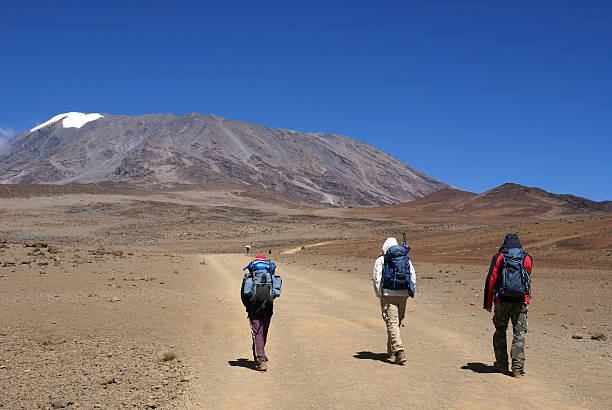
Climbing the Kilimanjaro Mountain
Understanding how long it takes to climb Mount Kilimanjaro is not just about time—it is about safety and success.
1. Acclimatization
Your body needs time to adjust to decreasing oxygen levels. Climbing too fast increases the risk of altitude sickness.
2. Physical Endurance
Longer itineraries allow gradual trekking, reducing fatigue and improving overall performance.
3. Summit Success Rate
Statistically, climbers who choose longer routes have higher success rates compared to those who rush the climb.
Comparison Table: Short vs Long Climbs
| Duration | Difficulty Level | Success Rate | Experience |
|---|---|---|---|
| 5 Days | Very Hard | Low | Rushed |
| 6–7 Days | Moderate | Good | Balanced |
| 7–9 Days | Easier | High | Enjoyable |
Key Insight:
If you are wondering how long does it take to climb Mount Kilimanjaro successfully, the best answer is: take more days for better results.
Daily Trekking Breakdown (General Overview)
To better understand how long it takes to climb Mount Kilimanjaro, here is a typical daily structure:
Day 1–2: Forest to Moorland
- Easy to moderate trekking
- Gradual altitude gain
Day 3–4: Moorland to Alpine Desert
- Increasing difficulty
- Noticeable altitude effects
Day 5–6: High Altitude Camps
- Slower pace
- Preparation for summit
Summit Day (Night Climb)
- Starts at midnight
- Most challenging part
Descent Days
- Faster but physically demanding
Expert Insight (From Nabak Safaris and Tours)
Professional guides strongly emphasize choosing the right duration:
“The biggest mistake climbers make is rushing. When you allow more days, the mountain becomes easier and more enjoyable.”
This highlights that how long it takes to climb Mount Kilimanjaro directly affects your success and experience.
Bullet Points: Factors That Affect Duration
When determining how long does it take to climb Mount Kilimanjaro, consider:
- Route selection
- Fitness level
- Weather conditions
- Acclimatization schedule
- Personal pace
For scientific insights on altitude adaptation, refer to the National Institutes of Health, which explains how the body responds to high altitude.
FAQs
1. What is the minimum time to climb Kilimanjaro?
The minimum is 5 days, but it is not recommended.
2. What is the best duration for beginners?
7–8 days is ideal for beginners.
3. Does taking more days increase success rate?
Yes, longer climbs significantly improve success rates.
4. How long is summit day?
Summit day can take 10–14 hours round trip
So, how long does it take to climb Mount Kilimanjaro?
The realistic answer is between 6 and 8 days for most climbers. While shorter routes exist, they come with higher risks and lower success rates. Taking more time allows better acclimatization, improved comfort, and a higher chance of reaching the summit.
With proper planning and expert guidance from Nabak Safaris and Tours, you can choose the ideal duration that matches your goals and ensures a successful Kilimanjaro adventure.
Why Route Choice Determines How Long It Takes to Climb Mount Kilimanjaro
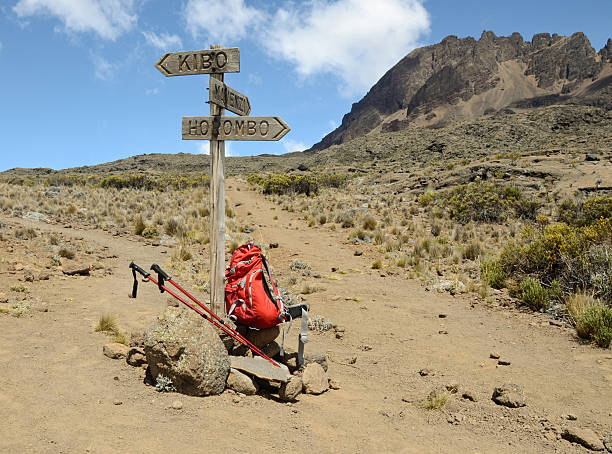
Рointer, backpack and sticks at the route to Mawenzi
If you want a clear answer to how long does it take to climb Mount Kilimanjaro, you must start with route selection. Each route on the mountain has a different number of days, acclimatization profile, and pace, which directly affects how long it takes to climb Mount Kilimanjaro successfully.
Many beginners assume that all routes take the same time, but this is not true. Some routes are shorter and faster, while others are longer and designed to improve acclimatization. Because of this, how long it takes to climb Mount Kilimanjaro can vary significantly—from as short as five days to as long as nine days or more.
For climbers planning with Nabak Safaris and Tours, choosing the right route is one of the most important decisions. It determines not only how long it takes to climb Mount Kilimanjaro, but also your success rate and overall experience.
Quick Summary
- Different routes determine how long it takes to climb Mount Kilimanjaro
- Duration ranges from 5 to 9 days depending on the route
- Longer routes improve acclimatization and success rates
- Short routes are faster but significantly harder
- Best routes for duration balance: Lemosho and Machame
Main Routes and Their Duration
To fully understand how long it takes to climb Mount Kilimanjaro, let’s break down the main routes and their typical durations.
1. Lemosho Route (7–9 Days – Best for Success)
The Lemosho Route is widely considered the best route for both beginners and experienced climbers.
Duration: 7–9 days
Difficulty: Moderate
Success Rate: Very High
Why it takes longer:
- Gradual ascent
- Excellent acclimatization profile
- Scenic detours
When asking how long it takes to climb Mount Kilimanjaro with the highest chance of success, Lemosho provides one of the best answers. The extra days allow your body to adjust properly, reducing the risk of altitude sickness.
2. Machame Route (6–7 Days – Most Popular)
The Machame Route, also known as the “Whiskey Route,” is one of the most commonly used paths.
Duration: 6–7 days
Difficulty: Moderate to Hard
Success Rate: High
Key features:
- Steeper sections compared to Lemosho
- Good acclimatization
- Beautiful landscapes
For many climbers, this route offers a balanced answer to how long it takes to climb Mount Kilimanjaro—long enough for acclimatization, but not too long.
3. Marangu Route (5–6 Days – Shortest Route)
The Marangu Route is often chosen because it is the shortest.
Duration: 5–6 days
Difficulty: High (due to rapid ascent)
Success Rate: Lower
Why it is risky:
- Less time for acclimatization
- Faster altitude gain
Although it answers the question of how long it takes to climb Mount Kilimanjaro in the shortest time, it increases difficulty and lowers success rates.
4. Rongai Route (6–7 Days – Quiet and Gradual)
The Rongai Route approaches the mountain from the northern side.
Duration: 6–7 days
Difficulty: Moderate
Success Rate: High
Advantages:
- Less crowded
- Gradual ascent
- Stable conditions
This route offers a comfortable answer to how long it takes to climb Mount Kilimanjaro while maintaining a good success rate.
5. Northern Circuit Route (8–9 Days – Longest Route)
This is the longest route available.
Duration: 8–9 days
Difficulty: Moderate
Success Rate: Highest
Why it takes longer:
- Extended acclimatization
- Longer trekking distance
If your goal is maximum success, this route provides the best answer to how long it takes to climb Mount Kilimanjaro safely.
Comparison Table: Route Duration and Difficulty
| Route | Duration | Difficulty | Success Rate | Best For |
|---|---|---|---|---|
| Lemosho | 7–9 Days | Moderate | Very High | Beginners & success |
| Machame | 6–7 Days | Moderate–Hard | High | Balanced experience |
| Marangu | 5–6 Days | Hard | Lower | Short time |
| Rongai | 6–7 Days | Moderate | High | Quiet climbs |
| Northern Circuit | 8–9 Days | Moderate | Highest | Maximum success |
Key Insight:
The longer the route, the better the outcome. This is the most important factor when deciding how long it takes to climb Mount Kilimanjaro effectively.
How Route Duration Affects Difficulty
Understanding how long it takes to climb Mount Kilimanjaro is closely linked to difficulty.
Short Routes (5–6 Days)
- Faster ascent
- Poor acclimatization
- Higher risk of altitude sickness
Medium Routes (6–7 Days)
- Balanced pace
- Moderate acclimatization
- Good success rates
Long Routes (7–9 Days)
- Slow ascent
- Best acclimatization
- Highest success rates
Expert Insight (From Trekking Professionals)
Guides from Nabak Safaris and Tours emphasize:
“When clients ask how long it takes to climb Mount Kilimanjaro, we always recommend longer routes. Time on the mountain equals success.”
This highlights that duration is not just about time—it is about strategy.
Bullet Points: Choosing the Right Route Duration
To decide how long it takes to climb Mount Kilimanjaro for you:
- Choose 7–9 days for best success
- Avoid 5-day routes unless experienced
- Consider your fitness level
- Think about your schedule and budget
- Prioritize acclimatization over speed
For trekking standards and route insights, refer to the International Mountaineering and Climbing Federation.
FAQs
1. Which route takes the longest on Kilimanjaro?
The Northern Circuit Route takes 8–9 days.
2. Which route is the shortest?
The Marangu Route takes 5–6 days.
3. Does route affect success rate?
Yes, longer routes significantly increase success rates.
4. What is the best route for beginners?
Lemosho Route is highly recommended.
So, how long does it take to climb Mount Kilimanjaro when considering routes?
The answer depends entirely on your route choice. While shorter routes may seem appealing, longer routes provide better acclimatization, higher success rates, and a more enjoyable experience.
With expert planning from Nabak Safaris and Tours, you can choose the ideal route that balances time, comfort, and success—ensuring your Kilimanjaro adventure is both achievable and unforgettable.
A Realistic Day-by-Day Answer to How Long It Takes to Climb Mount Kilimanjaro
If you want a practical and realistic understanding of how long does it take to climb Mount Kilimanjaro, you need to look beyond total days and examine the actual daily experience on the mountain.
Many climbers only hear that it takes 6–8 days, but they don’t understand what happens during those days. The truth is that how long it takes to climb Mount Kilimanjaro is not just about the number of days—it is about how each day is structured, how your body adapts, and how the final summit push is executed.
In this section, we break down the full trekking timeline so you can clearly see how long it takes to climb Mount Kilimanjaro from start to finish, including the most challenging part: summit night.
Quick Summary
- It takes 6–8 days total to climb Kilimanjaro
- Daily trekking lasts 4–8 hours on average
- Summit night takes 10–14 hours
- The climb is gradual to allow acclimatization
- Descent is faster but physically demanding
Day-by-Day Itinerary Breakdown
To fully answer how long it takes to climb Mount Kilimanjaro, let’s explore a typical 7-day itinerary used by many climbers.
Day 1: Arrival & Rainforest Trek
- Trekking Time: 4–6 hours
- Altitude Gain: Moderate
Your journey begins in the rainforest zone. The trail is lush, green, and relatively easy. This day helps your body start adjusting.
Experience:
- Warm temperatures
- Gentle pace
- Excitement and anticipation
This marks the beginning of how long it takes to climb Mount Kilimanjaro.
Day 2: Moorland Transition
- Trekking Time: 5–7 hours
The vegetation becomes thinner as you move into the moorland zone.
Challenges:
- Longer walking hours
- Increasing altitude
You begin to feel the first signs of altitude, making it clear that how long it takes to climb Mount Kilimanjaro depends on gradual adaptation.
Day 3: Acclimatization Day
- Trekking Time: 4–6 hours
This day is crucial for altitude adjustment.
Activities:
- Climb higher during the day
- Descend slightly to sleep
This strategy improves your chances of success and influences how long it takes to climb Mount Kilimanjaro safely.
Day 4: Alpine Desert Zone
- Trekking Time: 6–8 hours
The environment becomes dry and harsh.
Conditions:
- Strong sun
- Cold nights
- Less oxygen
At this stage, you start to understand the true challenge behind how long it takes to climb Mount Kilimanjaro.
Day 5: High Camp Preparation
- Trekking Time: 4–5 hours
This is a shorter day designed to conserve energy for summit night.
Focus:
- Rest
- Hydration
- Mental preparation
Summit Night: The Most Critical Part
Day 6: Summit Push (Midnight Start)
- Trekking Time: 10–14 hours
This is the most demanding phase and the defining moment when people truly understand how long it takes to climb Mount Kilimanjaro.
What happens:
- Start climbing around midnight
- Extremely cold temperatures
- Slow, steady pace (“pole pole”)
Challenges:
- Low oxygen levels
- Fatigue
- Mental exhaustion
Reaching Uhuru Peak at sunrise is the reward after one of the toughest nights of your life.
Descent After Summit
After reaching the summit, you descend back to a lower camp.
- Trekking Time: 4–6 hours
Descending is faster but tough on your knees and muscles.
Day 7: Final Descent
- Trekking Time: 4–6 hours
You return to the base, completing your journey.
At this point, you have experienced exactly how long it takes to climb Mount Kilimanjaro in real terms.
Comparison Table: Daily Effort vs Time
| Day | Trekking Hours | Difficulty | Purpose |
|---|---|---|---|
| Day 1 | 4–6 hrs | Easy | Start & adjust |
| Day 2 | 5–7 hrs | Moderate | Build endurance |
| Day 3 | 4–6 hrs | Moderate | Acclimatization |
| Day 4 | 6–8 hrs | Hard | High altitude |
| Day 5 | 4–5 hrs | Moderate | Preparation |
| Summit | 10–14 hrs | Very Hard | Reach peak |
| Descent | 4–6 hrs | Moderate | Return |
Why Summit Night Defines the Entire Experience
When people ask how long it takes to climb Mount Kilimanjaro, they often overlook summit night. However, this single phase is the most important part of the journey.
Key factors:
- Longest continuous trekking time
- Most physically and mentally demanding
- Highest altitude
Your success depends heavily on how well you handle this stage.
Expert Insight (From Nabak Safaris and Tours)
Guides emphasize pacing and patience:
“Kilimanjaro is not a race. The slower you go, the stronger you become. Understanding how long it takes to climb Mount Kilimanjaro helps climbers manage their energy wisely.”
Bullet Points: What Makes the Timeline Challenging
To truly understand how long it takes to climb Mount Kilimanjaro, consider these factors:
- Long daily trekking hours
- Increasing altitude
- Extreme summit conditions
- Mental endurance
- Physical fatigue
External Resource
For endurance and trekking physiology, refer to the American College of Sports Medicine.
FAQs
1. How many hours do you walk each day?
Typically 4–8 hours, except summit day which can take up to 14 hours.
2. Why is summit night so long?
Because of slow pace, altitude, and distance to the peak.
3. Is the descent easier?
It is faster but physically demanding.
4. Can beginners handle the full timeline?
Yes, with proper preparation and pacing.
Conclusion
So, how long does it take to climb Mount Kilimanjaro in real experience?
It takes about 6–8 days, but the true journey is measured in daily effort, endurance, and the unforgettable challenge of summit night. Each day builds toward the final goal, making the entire experience both demanding and rewarding.
With expert support from Nabak Safaris and Tours, you can follow a well-structured itinerary that maximizes your chances of success while ensuring a safe and memorable climb.
About the Author
