
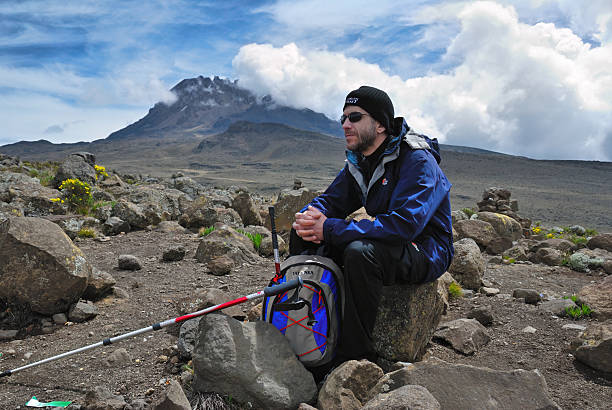
Discover how many days are needed to climb Mount Kilimanjaro, including route durations, success rates, and expert planning tips from Nabak Safaris and Tours.
One of the most common questions asked by travelers planning their adventure on Mount Kilimanjaro is: how many days are needed to climb Mount Kilimanjaro? The answer is not fixed because the number of days depends on the route you choose, your fitness level, acclimatization needs, and overall trekking strategy.
This guide by Nabak Safaris and Tours explains in detail how many days are needed to climb Mount Kilimanjaro, why duration matters, and how different itineraries affect your summit success rate. Understanding this is essential because rushing the climb is one of the main reasons climbers fail to reach the summit.
Unlike short hikes, Kilimanjaro is a high-altitude expedition where your body must gradually adapt to decreasing oxygen levels. That is why the question how many days are needed to climb Mount Kilimanjaro is directly connected to safety, success rate, and overall experience.
Quick Summary
- Minimum days: 5 days (not recommended for most climbers)
- Recommended days: 7–8 days
- Best success routes: 8–9 days
- Longer duration = higher summit success rate
- Operator: Nabak Safaris and Tours
Why Climbing Duration Matters
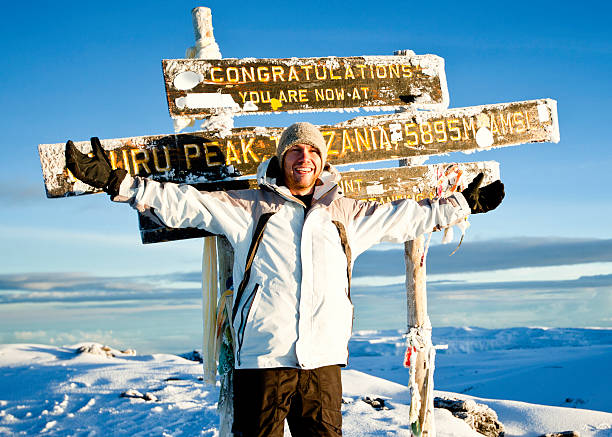
Understanding how many days are needed to climb Mount Kilimanjaro is important because altitude affects every climber differently.
1. Oxygen Reduction at High Altitude
As you ascend, oxygen levels decrease significantly. Without enough days:
- The body cannot adjust properly
- Risk of altitude sickness increases
2. Acclimatization Process
Your body needs time to adapt. Longer climbs allow:
- Better breathing adaptation
- Improved energy levels
- Reduced fatigue
3. Summit Success Rate
Studies and expedition data show:
- Short climbs = lower success rate
- Longer climbs = higher success rate
This is why experts strongly emphasize duration when discussing how many days are needed to climb Mount Kilimanjaro.
Standard Kilimanjaro Climbing Durations
Different routes determine how many days are needed to climb Mount Kilimanjaro.
1. 5-Day Climbs (Short Itinerary)
- Usually Marangu Route
- Fast ascent
- High physical challenge
Limitations
- Very limited acclimatization
- Higher risk of altitude sickness
- Lower summit success rate
This option is not recommended for most climbers.
2. 6-Day Climbs (Moderate Short Option)
- Available on Machame or Marangu
- Slightly better acclimatization
Pros
- More manageable than 5-day
- Lower cost than longer routes
Cons
- Still limited adaptation time
3. 7-Day Climbs (Recommended Minimum)
This is where how many days are needed to climb Mount Kilimanjaro becomes more balanced.
- Used on Machame, Rongai, Lemosho
- Good acclimatization improvement
Advantages
- Higher success rate
- Safer altitude progression
- Better energy management
4. 8–9 Day Climbs (Best Option)
Experts agree this is the optimal answer to how many days are needed to climb Mount Kilimanjaro.
- Used mainly on Lemosho Route
- Best acclimatization profile
Why It Is Best
- Slow ascent
- Excellent oxygen adaptation
- Highest summit success rates
Comparison Table: Climbing Duration vs Success
| Duration | Acclimatization Level | Difficulty | Success Rate |
|---|---|---|---|
| 5 days | Very Low | Very High | Low |
| 6 days | Low | High | Medium |
| 7 days | Good | Moderate | High |
| 8–9 days | Excellent | Moderate | Very High |
Expert Insight from Nabak Safaris and Tours
Experts strongly emphasize that the correct answer to how many days are needed to climb Mount Kilimanjaro is not about speed but safety.
Key recommendations:
- Never choose shortest itinerary for cost savings
- Prioritize acclimatization over budget
- Longer climbs dramatically improve success rates
- 7–9 days is ideal for most climbers
Field experience shows that climbers on longer routes are significantly more likely to reach Uhuru Peak successfully.
Bullet Point Highlights
- Duration directly affects summit success
- Short climbs increase altitude sickness risk
- 7–9 days is ideal range
- Lemosho offers best acclimatization
- Longer = safer and more enjoyable
This introduction shows that the answer to how many days are needed to climb Mount Kilimanjaro depends mainly on acclimatization and route choice. While short climbs exist, they come with higher risks and lower success rates.
For the safest and most successful experience, Nabak Safaris and Tours recommends planning at least 7 to 9 days for your Kilimanjaro adventure.
Route-by-Route Duration Breakdown & Acclimatization Science for How Many Days Are Needed to Climb Mount Kilimanjaro
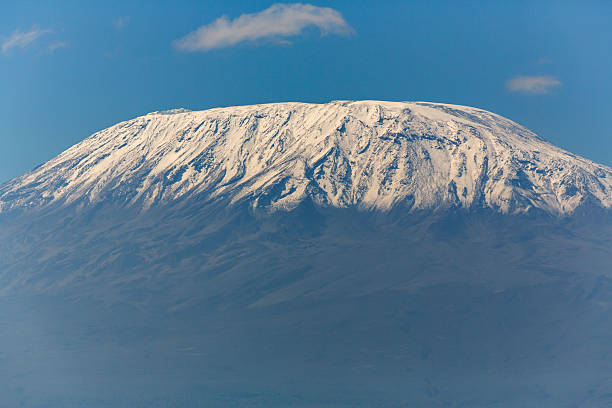
Kilimanjaro Kibo Peak
To fully understand how many days are needed to climb Mount Kilimanjaro, it is not enough to look at general numbers only. You must also understand how each route on Mount Kilimanjaro affects your climbing duration, acclimatization, and summit success rate.
Different routes offer different pacing systems, and this directly changes the answer to the question: how many days are needed to climb Mount Kilimanjaro?
This section by Nabak Safaris and Tours breaks down each major route in detail and explains why duration is the most important factor for safe climbing.
1. Lemosho Route (7–9 Days) – Best Acclimatization Option
When analyzing how many days are needed to climb Mount Kilimanjaro, Lemosho is considered the gold standard.
Duration
- 7 days (standard)
- 8–9 days (recommended for beginners)
Why Lemosho Is Important
- Slow and gradual ascent
- Excellent acclimatization profile
- Low crowd density
- High summit success rate
Why More Days Matter Here
Lemosho allows climbers to:
- Adjust oxygen intake gradually
- Reduce altitude sickness risk
- Maintain energy longer
This route strongly supports the idea that how many days are needed to climb Mount Kilimanjaro should always prioritize acclimatization over speed.
2. Machame Route (6–7 Days) – Balanced Adventure Route
Machame is one of the most popular answers when discussing how many days are needed to climb Mount Kilimanjaro.
Duration
- 6 days (challenging)
- 7 days (recommended)
Why It Works Well
- “Climb high, sleep low” strategy
- Scenic and physically engaging
- Strong acclimatization pattern (on 7-day option)
Important Insight
A 6-day Machame climb increases difficulty significantly. However, the 7-day version improves safety and success rate.
This shows that even on the same route, the answer to how many days are needed to climb Mount Kilimanjaro can change dramatically based on itinerary choice.
3. Marangu Route (5–6 Days) – Fast but Risky Option
Marangu is often misunderstood when discussing how many days are needed to climb Mount Kilimanjaro.
Duration
- 5 days (shortest possible)
- 6 days (slightly better)
Key Characteristics
- Only route with hut accommodation
- Faster ascent compared to others
- Lower acclimatization time
Risk Factor
Short duration means:
- Higher altitude sickness risk
- Lower summit success rate
- Less body adaptation time
This route proves that fewer days do not mean better experience, reinforcing the importance of understanding how many days are needed to climb Mount Kilimanjaro correctly.
4. Rongai Route (6–7 Days) – Gentle Northern Approach
Rongai offers a different perspective on how many days are needed to climb Mount Kilimanjaro.
Duration
- 6 days
- 7 days (better option)
Why It Is Unique
- Approaches from northern side
- Drier conditions
- Less crowded trails
Acclimatization Profile
- Moderate ascent speed
- More gradual than Marangu
- Less steep than Machame
Rongai shows that even moderate-duration climbs can be safe if pacing is controlled properly.
5. Acclimatization Science: Why Days Matter More Than Fitness
A key part of understanding how many days are needed to climb Mount Kilimanjaro is altitude physiology.
What Happens to the Body
As altitude increases:
- Oxygen levels decrease
- Heart rate increases
- Breathing becomes faster
- Sleep quality decreases
Why More Days Improve Safety
Extra days allow:
- Increased red blood cell production
- Better oxygen efficiency
- Reduced AMS (Acute Mountain Sickness) risk
Golden Rule
“Climbing slowly increases summit success.”
This is why expert guides always prioritize longer itineraries when answering how many days are needed to climb Mount Kilimanjaro.
6. Comparison Table: Route Duration vs Safety
| Route | Days | Acclimatization | Difficulty | Success Rate |
|---|---|---|---|---|
| Lemosho | 7–9 | Excellent | Moderate | Very High |
| Machame | 6–7 | Good | Moderate | High |
| Rongai | 6–7 | Moderate | Moderate | Medium-High |
| Marangu | 5–6 | Low | Easy | Low |
Expert Insight from Nabak Safaris and Tours
Experts consistently confirm that the correct answer to how many days are needed to climb Mount Kilimanjaro is not fixed, but:
- 5 days = too fast for most climbers
- 6 days = acceptable but risky
- 7 days = recommended minimum
- 8–9 days = safest and most successful
Field experience shows that climbers on longer routes consistently perform better at high altitude.
Bullet Point Highlights
- Route choice determines climbing duration
- Longer routes improve acclimatization
- 7–9 days is ideal range
- Marangu is fastest but riskiest
- Lemosho offers best overall safety
This section clearly shows that the answer to how many days are needed to climb Mount Kilimanjaro depends heavily on route selection. While short climbs exist, they significantly increase risk. Longer routes provide safer acclimatization and higher success rates.
For the best experience, Nabak Safaris and Tours recommends 7 to 9 days depending on fitness and climbing goals.
Cost, Packing List, Best Season & Travel Planning for How Many Days Are Needed to Climb Mount Kilimanjaro
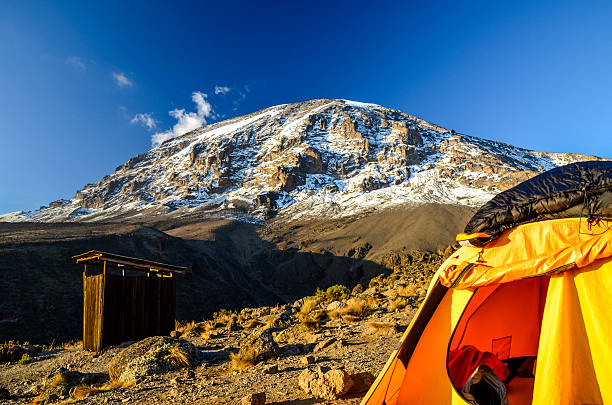
While many climbers focus only on how many days are needed to climb Mount Kilimanjaro, successful preparation also depends on understanding cost, packing requirements, seasonal timing, and travel logistics. On Mount Kilimanjaro, these factors directly influence both the climbing experience and summit success.
This section by Nabak Safaris and Tours explains how planning elements connect with climbing duration and why they matter when deciding how many days are needed to climb Mount Kilimanjaro.
1. Cost of Climbing Kilimanjaro and Its Link to Duration
One of the most important factors connected to how many days are needed to climb Mount Kilimanjaro is cost.
Average Cost Range
- 5–6 days: Lower cost
- 7 days: Medium cost
- 8–9 days: Higher cost
Cost Breakdown
| Category | Estimated Cost (USD) |
|---|---|
| Park Fees | $800 – $1,200 |
| Guides & Porters | $1,000 – $2,000 |
| Food & Logistics | $500 – $1,000 |
| Total Package | $2,500 – $6,500+ |
Why Duration Affects Cost
The longer your climb:
- More food required
- More porter support needed
- More camping days
This means that understanding how many days are needed to climb Mount Kilimanjaro also helps in financial planning.
2. Packing List for Kilimanjaro Climb
Proper gear is essential regardless of how many days are needed to climb Mount Kilimanjaro.
Clothing System (Layering Method)
- Base layer: thermal moisture-wicking clothing
- Mid layer: fleece or insulation jacket
- Outer layer: waterproof jacket
Footwear
- Waterproof hiking boots (well broken in)
- Thick hiking socks (anti-blister)
Essential Equipment
- Sleeping bag (-10°C or lower)
- Trekking poles
- Headlamp with spare batteries
- Daypack (30–40L)
Health & Safety Items
- Sunscreen (high SPF)
- Lip balm
- Personal first aid kit
- Altitude sickness medication (doctor approved)
Why Packing Matters
Even if you choose the correct answer for how many days are needed to climb Mount Kilimanjaro, poor gear can reduce comfort, safety, and performance.
3. Best Time to Climb Kilimanjaro
Season choice strongly affects how many days are needed to climb Mount Kilimanjaro successfully.
Dry Seasons (Best Choice)
- January to March
- June to October
Advantages
- Clear visibility
- Dry trails
- Higher summit success rates
Wet Seasons (Less Recommended)
- April to May
- November
Challenges
- Slippery terrain
- Heavy rainfall
- Reduced visibility
Even if duration is correct, poor weather can affect performance.
4. Travel Planning & Documentation
Proper planning is a key part of understanding how many days are needed to climb Mount Kilimanjaro.
Visa Requirements
Travelers must obtain a visa to enter Tanzania, available online or on arrival.
Travel Insurance
Must include:
- High-altitude trekking coverage
- Emergency evacuation
- Medical treatment
Vaccinations
Recommended:
- Yellow fever (if required)
- Typhoid
- Hepatitis A & B
5. Fitness Preparation vs Duration Reality
Many climbers misunderstand how many days are needed to climb Mount Kilimanjaro by focusing only on fitness.
Key Reality
- Fitness helps endurance
- But acclimatization depends on days
Even very fit climbers can suffer altitude sickness on short routes.
6. Comparison Table: Planning Factors vs Duration
| Factor | Short Climb (5–6 Days) | Medium (7 Days) | Long (8–9 Days) |
|---|---|---|---|
| Cost | Low | Medium | High |
| Acclimatization | Poor | Good | Excellent |
| Success Rate | Low | High | Very High |
| Comfort Level | Low | Medium | High |
Expert Insight from Nabak Safaris and Tours
Experts confirm that how many days are needed to climb Mount Kilimanjaro is not only a trekking decision but also a planning strategy.
Key recommendations:
- Longer climbs increase safety
- Proper packing reduces fatigue
- Dry season improves success rate
- Budget should match route duration
Field experience shows that climbers who invest in longer itineraries enjoy safer and more successful summits.
Bullet Point Highlights
- Duration affects cost and logistics
- Packing is essential for safety
- Dry season is best for climbing
- Insurance is mandatory
- Longer climbs improve success
This section shows that understanding how many days are needed to climb Mount Kilimanjaro is not just about route selection—it also involves cost planning, gear preparation, seasonal timing, and travel logistics.
With proper preparation and expert guidance from Nabak Safaris and Tours, climbers can match their climbing duration with the right budget, season, and equipment for a safe and successful expedition.
Final Expert Guide, FAQs, Route Recommendations & Complete Summary for How Many Days Are Needed to Climb Mount Kilimanjaro
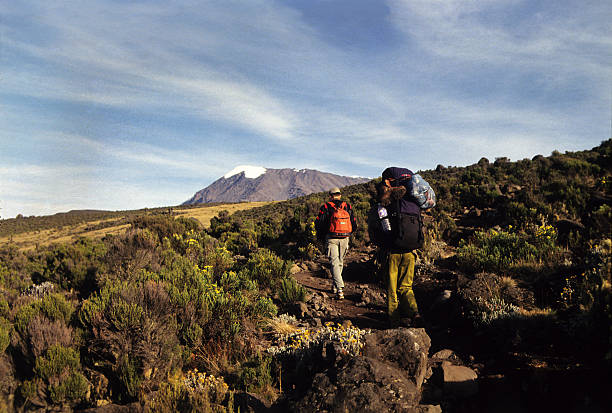
Kilimanjaro, Tanzania – March 15, 1996: Tourists on the way to Mount Kilimanjaro the highest point in Africa with 5895 meters above sea level, Tanzania
After understanding routes, costs, packing, and logistics, the final step in planning your climb is answering the most important question: how many days are needed to climb Mount Kilimanjaro for the best chance of success.
On Mount Kilimanjaro, success is not determined only by fitness or motivation, but by how well your climbing duration matches altitude adaptation. Many climbers fail not because they are unfit, but because they choose insufficient days.
This final section by Nabak Safaris and Tours brings everything together—expert recommendations, FAQs, safety insights, and a clear final verdict on how many days are needed to climb Mount Kilimanjaro.
Final Expert Recommendation: Ideal Climbing Duration
Experts consistently agree that the correct answer to how many days are needed to climb Mount Kilimanjaro depends on safety and acclimatization.
1. Minimum Recommended (Not Ideal)
- 6 days
- Suitable only for experienced trekkers
- Higher risk of altitude sickness
2. Standard Recommended
- 7 days
- Balanced option
- Good acclimatization
- Moderate success rate
3. Best Recommended (Expert Choice)
- 8–9 days
- Highest summit success rate
- Best acclimatization profile
- Safest option for beginners
Why Longer Climbs Are Better
A key insight in understanding how many days are needed to climb Mount Kilimanjaro is that altitude adaptation cannot be rushed.
Scientific Reason
At higher altitude:
- Oxygen levels drop significantly
- Body needs time to produce more red blood cells
- Heart and lungs must adapt gradually
Practical Reason
Longer climbs allow:
- Better rest and recovery
- Reduced fatigue
- Lower risk of Acute Mountain Sickness (AMS)
Common Mistakes Climbers Make
When deciding how many days are needed to climb Mount Kilimanjaro, avoid these mistakes:
- Choosing shortest route to save money
- Ignoring acclimatization importance
- Overestimating physical fitness
- Skipping rest days
- Not following guide advice
These mistakes significantly reduce summit success rates.
Safety Checklist Before Climbing
Before Departure
- Medical check-up completed
- Travel insurance arranged
- Proper gear purchased
- Route and duration confirmed
During Climb
- Drink 3–4 liters of water daily
- Eat regularly even without appetite
- Walk slowly (“pole pole”)
- Monitor altitude symptoms
Emergency Awareness
- Know descent procedures
- Report symptoms early
- Trust guide instructions
Extended FAQs
1. How many days are needed to climb Mount Kilimanjaro for beginners?
Beginners should aim for 7–9 days for safe acclimatization.
2. Can I climb Kilimanjaro in 5 days?
Yes, but it is not recommended due to high altitude sickness risk.
3. What is the safest duration to climb Kilimanjaro?
8–9 days is the safest and most successful option.
4. Does fitness reduce climbing days?
No. Fitness improves endurance, but does not replace acclimatization time.
5. Which route is best for longer climbs?
Lemosho Route is best for longer and safer itineraries.
Comparison Table: Duration vs Success Rate
| Duration | Acclimatization Level | Risk Level | Success Rate |
|---|---|---|---|
| 5 days | Very Low | Very High | Low |
| 6 days | Low | High | Medium |
| 7 days | Good | Moderate | High |
| 8–9 days | Excellent | Low | Very High |
Expert Insight from Nabak Safaris and Tours
Professional guides confirm that the real answer to how many days are needed to climb Mount Kilimanjaro is not about speed but safety.
Key expert advice:
- Prioritize acclimatization over cost
- Choose longer itineraries for safety
- Follow guide instructions strictly
- Do not rush altitude gain
Field experience shows that climbers who choose 8–9 day routes have the highest success rates and safest experiences.
Key Lessons from the Complete Guide
- Duration is the most important factor in summit success
- 7–9 days is ideal range for most climbers
- Short climbs increase altitude sickness risk
- Fitness alone is not enough
- Proper planning ensures safety
Bullet Point Summary
- Best duration: 8–9 days
- Minimum safe: 7 days
- Short climbs increase risk
- Acclimatization is critical
- Guide support improves success
Final Conclusion
This complete guide shows that the answer to how many days are needed to climb Mount Kilimanjaro depends on safety, acclimatization, and success goals rather than speed or cost.
While shorter climbs exist, they carry higher risks and lower success rates. For most climbers, especially beginners, 7 to 9 days is the optimal range for a safe and successful summit.
With professional guidance from Nabak Safaris and Tours, climbers can confidently choose the right duration and enjoy a life-changing journey to the summit of Mount Kilimanjaro.
Ready to begin your adventure?
👉 Book your Kilimanjaro climb with Nabak Safaris and Tours today and choose the perfect itinerary based on expert planning, safety, and success rate.
About the Author
