
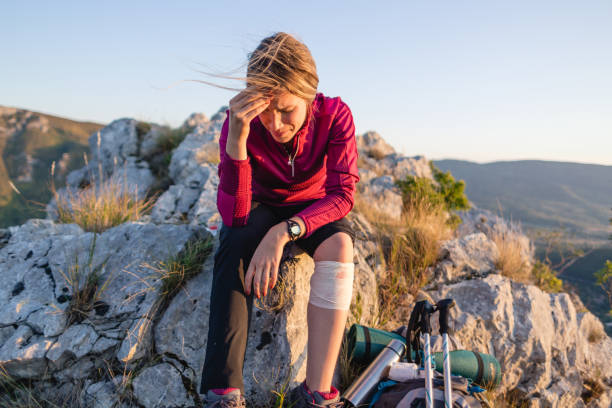
Learn the top mistakes climbers make on Mount Kilimanjaro and how to avoid them. Expert trekking safety guide by Nabak Safaris and Tours for a successful summit.
Overview of Top Mistakes Climbers Make on Mount Kilimanjaro
Climbing Mount Kilimanjaro is one of the most iconic trekking adventures in the world, attracting thousands of climbers every year. However, despite strong motivation and preparation, many climbers fail to reach the summit due to avoidable errors.
Understanding the top mistakes climbers make on Mount Kilimanjaro is the first and most important step toward a successful expedition. These mistakes are not always about lack of fitness; instead, they often involve poor planning, incorrect route selection, ignoring altitude effects, and underestimating the mountain’s conditions.
This guide by Nabak Safaris and Tours provides a detailed introduction to these mistakes and why avoiding them significantly increases your chances of reaching Uhuru Peak safely.
Quick Summary
- Most climbing failures are preventable
- Altitude sickness is the biggest challenge
- Poor planning leads to low summit success
- Proper preparation improves safety
- Expert guidance increases success rate
Why Climbers Make Mistakes on Kilimanjaro
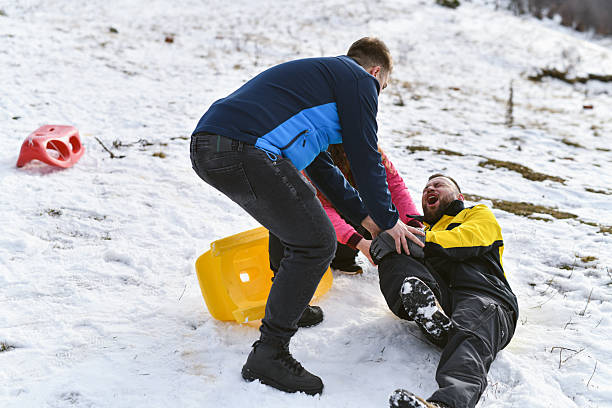
Before analyzing the top mistakes climbers make on Mount Kilimanjaro, it is important to understand why these errors happen.
1. Overconfidence
Many climbers believe that physical fitness alone guarantees success. While fitness helps endurance, it does not prevent altitude sickness.
2. Lack of Knowledge
First-time climbers often underestimate the complexity of high-altitude trekking.
3. Budget Limitations
Some climbers choose cheaper options without understanding safety implications.
4. Poor Guidance
Ignoring professional advice increases risk significantly.
Mistake 1: Underestimating Altitude Effects
One of the most serious top mistakes climbers make on Mount Kilimanjaro is ignoring altitude.
At higher elevations:
- Oxygen levels drop significantly
- Breathing becomes more difficult
- Energy levels decrease
Why This Is Dangerous
Without proper acclimatization, climbers may experience:
- Headaches
- Nausea
- Fatigue
- Acute Mountain Sickness (AMS)
Altitude is the number one challenge on Kilimanjaro.
Mistake 2: Choosing the Wrong Route
Another major issue in the top mistakes climbers make on Mount Kilimanjaro is selecting the wrong trekking route.
Common Errors
- Choosing shortest route for cost saving
- Ignoring acclimatization importance
- Not comparing route difficulty
Impact
- Lower summit success rate
- Increased altitude sickness risk
- Faster exhaustion
Route selection directly affects success.
Mistake 3: Rushing the Climb
Speed is one of the most dangerous factors in the top mistakes climbers make on Mount Kilimanjaro.
Why Climbers Rush
- Limited holiday time
- Desire to save money
- Lack of awareness
What Happens
- Body fails to adjust to altitude
- Increased fatigue
- Higher risk of sickness
Slow ascent is essential for safety.
Mistake 4: Poor Hydration and Nutrition
Dehydration is often overlooked but is a critical part of the top mistakes climbers make on Mount Kilimanjaro.
Common Problems
- Not drinking enough water
- Skipping meals
- Eating low-energy foods
Effects
- Headaches
- Weakness
- Reduced endurance
Proper hydration supports oxygen flow in the body.
Mistake 5: Ignoring Weather Conditions
Weather on Kilimanjaro is unpredictable.
Climbers Often Forget
- Temperatures drop drastically at night
- Summit zone is extremely cold
- Rain can occur unexpectedly
Consequences
- Poor clothing choices
- Hypothermia risk
- Reduced performance
Comparison Table: Common Mistakes vs Correct Approach
| Factor | Mistake Behavior | Correct Approach |
|---|---|---|
| Route Selection | Cheap/short option | Acclimatized route |
| Hydration | Low water intake | 3–4 liters daily |
| Climbing Speed | Fast ascent | Slow “pole pole” pace |
| Preparation | Minimal training | Proper fitness planning |
Expert Insight from Nabak Safaris and Tours
Experts emphasize that most summit failures are caused by avoidable mistakes rather than physical inability.
Key professional insights:
- Slow climbing increases safety
- Proper route selection improves success
- Hydration prevents fatigue
- Guide instructions must always be followed
Field experience shows that climbers who avoid these top mistakes climbers make on Mount Kilimanjaro have significantly higher success rates.
Bullet Point Highlights
- Altitude is the main challenge
- Route choice affects success rate
- Rushing increases risk
- Hydration is essential
- Expert guidance improves safety
This section clearly shows that the top mistakes climbers make on Mount Kilimanjaro are mostly preventable. Success depends not only on physical fitness but also on smart planning, proper hydration, correct route selection, and following expert guidance.
With support from Nabak Safaris and Tours, climbers can avoid these common errors and significantly improve their chances of reaching the summit safely.
Route Selection Errors, Acclimatization Failures & Gear Mistakes
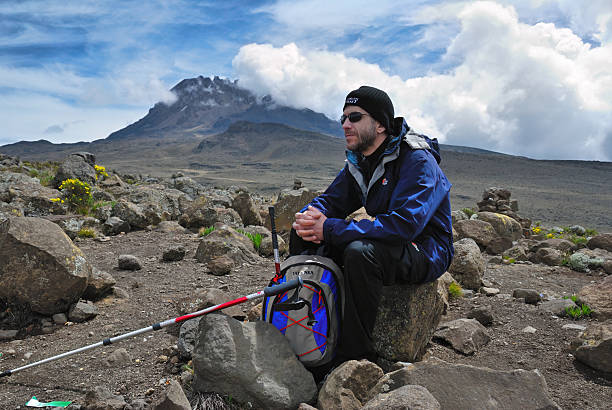
After understanding the basic overview of risks, it becomes clear that most failures on Mount Kilimanjaro are not random. They are caused by repeated patterns of poor decisions. Among the top mistakes climbers make on Mount Kilimanjaro, route selection errors, acclimatization failure, and gear-related problems are the most critical.
These mistakes directly affect safety, comfort, and summit success rate. Nabak Safaris and Tours emphasizes that understanding these issues before the climb is the difference between reaching the summit and turning back early.
1. Choosing the Wrong Route (Most Critical Mistake)
One of the most common top mistakes climbers make on Mount Kilimanjaro is selecting a route without understanding its difficulty and acclimatization profile.
Why Climbers Make This Mistake
- Choosing cheapest package
- Ignoring route duration differences
- Lack of professional guidance
- Underestimating altitude impact
Common Wrong Decisions
Many climbers choose:
- 5-day Marangu Route for budget reasons
- Short itineraries without acclimatization
- Routes based only on popularity
What Actually Happens
- Rapid altitude gain
- Poor oxygen adaptation
- Increased risk of Acute Mountain Sickness
- Lower summit success rates
Correct Approach
Experts recommend:
- Lemosho (best acclimatization)
- 7–9 day itineraries
- Gradual ascent routes
Route selection is one of the most important factors in avoiding the top mistakes climbers make on Mount Kilimanjaro.
2. Ignoring Acclimatization (Silent Killer Mistake)
Acclimatization is the body’s ability to adjust to low oxygen levels. Ignoring it is another major error among the top mistakes climbers make on Mount Kilimanjaro.
Why It Happens
- Misunderstanding altitude science
- Desire for shorter trips
- Overconfidence in fitness
What Climbers Do Wrong
- Climbing too fast
- Skipping rest days
- Using 5–6 day routes
- Ignoring symptoms of altitude sickness
Effects of Poor Acclimatization
- Headaches and nausea
- Severe fatigue
- Shortness of breath
- Risk of descent or evacuation
Correct Strategy
- Use “pole pole” (slow walking pace)
- Choose 7–9 day routes
- Follow “climb high, sleep low” method
- Listen to guide instructions
Proper acclimatization is essential to avoid the top mistakes climbers make on Mount Kilimanjaro.
3. Poor Gear Selection (Underrated Mistake)
Equipment mistakes are often underestimated but are part of the top mistakes climbers make on Mount Kilimanjaro.
Common Gear Problems
- Wearing non-waterproof boots
- Using light clothing for cold summit nights
- Bringing heavy unnecessary items
- Poor quality sleeping bags
Why Gear Matters
Conditions change drastically:
- Rainforest (hot & humid)
- Alpine desert (cold & windy)
- Summit zone (freezing temperatures)
Consequences
- Hypothermia risk
- Blisters and injuries
- Poor sleep quality
- Reduced climbing performance
Correct Gear Strategy
- Layered clothing system
- Insulated sleeping bag (-10°C or lower)
- Waterproof boots
- Lightweight but warm gear
Gear preparation is a key factor in preventing the top mistakes climbers make on Mount Kilimanjaro.
4. Underestimating Weather Conditions
Weather on Kilimanjaro is unpredictable and often extreme.
Mistakes Climbers Make
- Not preparing for freezing summit temperatures
- Ignoring rain protection
- Wearing cotton clothing
Reality of Conditions
- Night temperatures can drop below -10°C
- Strong winds at higher altitudes
- Sudden rain in lower zones
Impact
- Discomfort and exhaustion
- Increased risk of illness
- Reduced motivation to continue
Weather misjudgment is a silent contributor to the top mistakes climbers make on Mount Kilimanjaro.
Comparison Table: Route & Preparation Mistakes
| Mistake Type | Wrong Behavior | Correct Approach |
|---|---|---|
| Route Choice | 5-day short climb | 7–9 day acclimatized route |
| Acclimatization | Fast ascent | Slow “pole pole” climbing |
| Gear Selection | Light/cheap equipment | Layered technical gear |
| Weather Prep | No cold protection | Full alpine gear setup |
Expert Insight from Nabak Safaris and Tours
Experts confirm that most climbers fail not due to lack of strength but due to avoidable planning errors.
Key insights:
- Route selection determines success more than fitness
- Acclimatization cannot be rushed
- Gear quality directly affects safety
- Weather preparedness is essential
Field data shows that avoiding these top mistakes climbers make on Mount Kilimanjaro increases summit success dramatically.
Bullet Point Highlights
- Wrong route = highest failure cause
- Acclimatization is non-negotiable
- Gear mistakes reduce safety
- Weather must be respected
- Slow climbing increases success
This section shows that the top mistakes climbers make on Mount Kilimanjaro are deeply connected to route choice, acclimatization, gear preparation, and weather understanding. These errors are preventable with proper planning and expert guidance.
With Nabak Safaris and Tours, climbers can avoid these critical mistakes and significantly improve their chances of a safe and successful summit.
Hydration Errors, Fitness Misconceptions & Altitude Management Failures
Even when climbers choose the right route and have proper gear, many still fail to reach the summit of Mount Kilimanjaro because of hidden but serious errors related to hydration, fitness expectations, and altitude management.
These are among the top mistakes climbers make on Mount Kilimanjaro, and they often occur during the actual climb rather than during preparation. Unlike gear or route mistakes, these problems develop gradually and silently affect performance.
This section by Nabak Safaris and Tours explains these critical errors in depth and how to avoid them for a successful summit experience.
1. Hydration Mistakes (The Silent Performance Killer)
One of the most underestimated top mistakes climbers make on Mount Kilimanjaro is poor hydration.
Why It Happens
- Low appetite at high altitude
- Cold weather reduces thirst feeling
- Lack of awareness about water needs
- Carrying insufficient water bottles
What Climbers Do Wrong
- Drinking less than 2 liters per day
- Relying only on thirst signals
- Skipping water during cold summit nights
What Actually Happens
At high altitude:
- Body loses moisture faster through breathing
- Oxygen delivery becomes less efficient
- Blood becomes thicker due to dehydration
Effects of Dehydration
- Severe headaches
- Fatigue and weakness
- Increased altitude sickness risk
- Reduced stamina during summit push
Correct Hydration Strategy
Experts recommend:
- 3–4 liters of water daily
- Small frequent sips, not large amounts at once
- Warm fluids in cold zones
- Electrolyte balance support
Hydration is one of the most important ways to avoid the top mistakes climbers make on Mount Kilimanjaro.
2. Fitness Misconceptions (Overconfidence Problem)
Many climbers believe that being fit automatically guarantees success. This is one of the most dangerous top mistakes climbers make on Mount Kilimanjaro.
Why This Mistake Happens
- Gym fitness is mistaken for altitude readiness
- Strong athletes assume they will adapt easily
- Lack of knowledge about oxygen reduction
Reality of High Altitude
Fitness helps endurance, but:
- Does not prevent altitude sickness
- Does not speed up acclimatization
- Does not replace gradual ascent
Common Issues
- Fast climbers get tired quickly
- Muscular athletes struggle with oxygen shortage
- Overconfidence leads to ignoring symptoms
Correct Understanding
Climbing success depends on:
- Acclimatization more than strength
- Slow pacing more than speed
- Endurance over power
This misunderstanding is a major reason for the top mistakes climbers make on Mount Kilimanjaro.
3. Poor Pacing (“Pole Pole” Ignorance)
Pacing is a critical factor often ignored by climbers.
What Climbers Do Wrong
- Walking too fast at low altitude
- Competing with other climbers
- Ignoring guide instructions
Why It Matters
Fast walking causes:
- Early fatigue
- Oxygen imbalance
- Higher altitude stress
Correct Approach
- “Pole pole” (slow step-by-step pace)
- Consistent breathing rhythm
- Energy conservation strategy
Proper pacing is essential to avoid the top mistakes climbers make on Mount Kilimanjaro.
4. Ignoring Altitude Symptoms
One of the most dangerous top mistakes climbers make on Mount Kilimanjaro is ignoring early signs of altitude sickness.
Early Symptoms
- Headache
- Nausea
- Dizziness
- Loss of appetite
What Climbers Do Wrong
- Continuing ascent despite symptoms
- Hiding discomfort from guides
- Assuming symptoms will disappear
What Can Happen
- Severe AMS (Acute Mountain Sickness)
- Forced descent
- Summit failure
Correct Response
- Report symptoms early
- Rest or descend if needed
- Follow guide instructions strictly
Comparison Table: Common Mistakes vs Correct Behavior
| Factor | Mistake Behavior | Correct Behavior |
|---|---|---|
| Hydration | <2L water/day | 3–4L daily intake |
| Fitness mindset | Overconfidence | Altitude awareness |
| Pacing | Fast walking | Slow “pole pole” pace |
| Altitude symptoms | Ignored | Reported early |
Expert Insight from Nabak Safaris and Tours
Experts confirm that many summit failures are caused during the climb itself rather than before it.
Key insights:
- Hydration directly affects oxygen efficiency
- Fitness does not prevent altitude sickness
- Slow pacing improves adaptation
- Early symptom reporting saves climbers
Field experience shows that avoiding these top mistakes climbers make on Mount Kilimanjaro dramatically increases summit success rates.
Bullet Point Highlights
- Hydration is critical for performance
- Fitness alone is not enough
- Slow pacing improves safety
- Early altitude symptoms must not be ignored
- Guide instructions are essential
This section highlights that the top mistakes climbers make on Mount Kilimanjaro are not only about preparation but also about behavior during the climb. Hydration, pacing, fitness expectations, and altitude awareness all determine success.
With proper guidance from Nabak Safaris and Tours, climbers can avoid these critical mistakes and significantly increase their chances of reaching Uhuru Peak safely.
Final Expert Summary, FAQs, Safety Checklist & Complete Guide
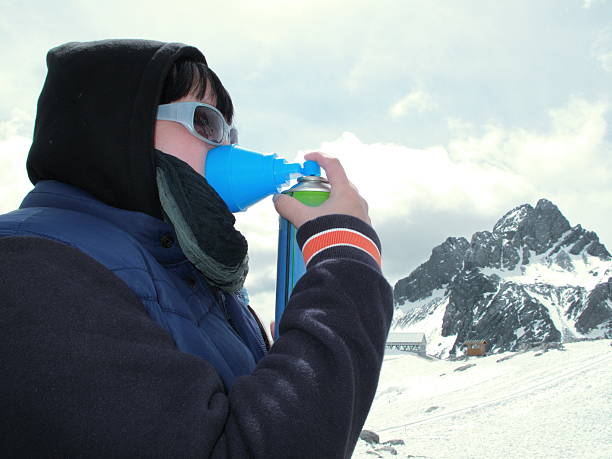
After exploring route errors, acclimatization failures, gear problems, hydration issues, and pacing mistakes, it becomes clear that the success of any expedition on Mount Kilimanjaro depends on avoiding repeated behavioral and planning errors.
The top mistakes climbers make on Mount Kilimanjaro are not isolated incidents—they are interconnected issues that together determine whether a climber reaches the summit or turns back early.
This final section by Nabak Safaris and Tours brings everything together into a practical guide, including expert recommendations, FAQs, safety checklist, and final insights for a successful climb.
Final Expert Summary: What Really Causes Failure
Experts consistently confirm that most climbers fail due to preventable mistakes rather than lack of strength or motivation.
Key Causes of Failure
- Poor acclimatization planning
- Rushing the climb
- Ignoring altitude symptoms
- Incorrect route selection
- Hydration and pacing errors
These are the core top mistakes climbers make on Mount Kilimanjaro that must be avoided at all costs.
Expert Recommendation for Success
1. Choose the Right Route
- Prefer 7–9 day itineraries
- Avoid short 5-day climbs
- Use acclimatized routes like Lemosho
2. Follow “Pole Pole” Strategy
- Walk slowly at all times
- Maintain steady breathing
- Avoid competition with other climbers
3. Prioritize Acclimatization
- Allow body to adjust gradually
- Rest when needed
- Do not rush altitude gain
4. Listen to Guides
Professional guides are essential for avoiding the top mistakes climbers make on Mount Kilimanjaro.
Safety Checklist Before and During Climb
Before Climbing
- Medical check-up completed
- Proper travel insurance arranged
- Full gear packed correctly
- Route and duration confirmed
During Climb
- Drink 3–4 liters of water daily
- Eat even when appetite is low
- Report symptoms immediately
- Follow guide instructions
Emergency Awareness
- Know descent procedures
- Never ignore altitude sickness
- Prioritize safety over summit
Comparison Table: Mistakes vs Success Behavior
| Area | Mistake Behavior | Success Behavior |
|---|---|---|
| Route Choice | Short/cheap routes | 7–9 day acclimatized |
| Hydration | Low water intake | Consistent hydration |
| Pacing | Fast walking | Slow “pole pole” |
| Altitude Signs | Ignored symptoms | Immediate reporting |
Extended FAQs
1. What is the biggest mistake climbers make on Kilimanjaro?
The biggest mistake is rushing the climb without proper acclimatization.
2. Can fitness prevent altitude sickness?
No. Fitness helps endurance but does not prevent altitude sickness.
3. What is the safest route to avoid mistakes?
Longer routes like Lemosho are safest because they allow proper acclimatization.
4. Why do climbers fail on Kilimanjaro?
Most failures come from the top mistakes climbers make on Mount Kilimanjaro, including poor pacing, hydration, and route selection.
5. How can I increase my summit success rate?
Use longer routes, hydrate well, follow guides, and climb slowly.
Bullet Point Summary
- Most mistakes are preventable
- Acclimatization is key to success
- Hydration and pacing are critical
- Short routes increase failure risk
- Guides play a vital role
Expert Insight from Nabak Safaris and Tours
Field experience shows that climbers who avoid the top mistakes climbers make on Mount Kilimanjaro have significantly higher summit success rates.
Key professional insights:
- Slow climbers succeed more often
- Proper hydration improves energy levels
- Longer itineraries reduce risk
- Early symptom reporting saves lives
Expert guidance transforms a difficult climb into a safe and achievable journey.
Final Conclusion
The top mistakes climbers make on Mount Kilimanjaro are not about lack of courage but about avoidable decisions. With proper planning, correct pacing, hydration discipline, and expert support, climbers can dramatically increase their chances of reaching Uhuru Peak safely.
Nabak Safaris and Tours strongly encourages every climber to prioritize safety, preparation, and guidance over speed or cost savings.
Final Call to Action
Ready to climb safely and successfully?
👉 Book your Kilimanjaro adventure with Nabak Safaris and Tours and avoid the common mistakes that stop most climbers from reaching the summit.
About the Author
