
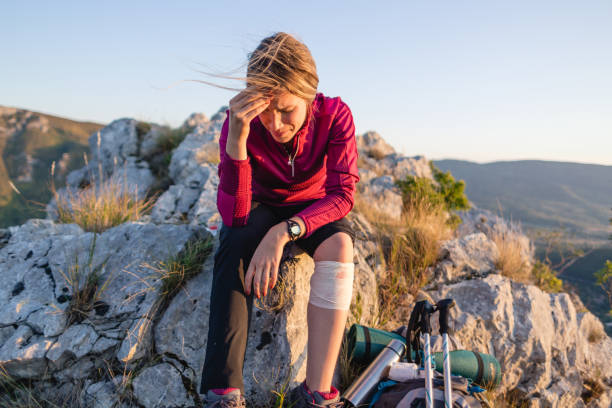
Learn how to avoid Mt Kilimanjaro sickness with expert altitude tips, acclimatization strategies, symptoms guide, and safety advice from Nabak Safaris and Tours.
Understanding Mt Kilimanjaro Sickness
Understanding how to avoid Mt Kilimanjaro sickness is the most important step before attempting to climb Mount Kilimanjaro. Many climbers focus on fitness, gear, and routes, but altitude sickness is the single biggest reason why people fail to reach the summit.
This guide by Nabak Safaris and Tours explains everything you need to know about how to avoid Mt Kilimanjaro sickness, including its causes, symptoms, risk factors, and prevention strategies. Whether you are a first-time climber or an experienced trekker, understanding altitude sickness is essential for a safe and successful climb.
Unlike technical mountains, Kilimanjaro does not require ropes or climbing skills. However, its extreme altitude of 5,895 meters makes it a serious physiological challenge. Learning how to avoid Mt Kilimanjaro sickness is therefore not optional—it is critical.
Quick Summary
- Destination: Mount Kilimanjaro, Tanzania
- Main Risk: Altitude sickness (AMS)
- Cause: Reduced oxygen at high altitude
- Prevention: Slow ascent + hydration + acclimatization
- Best Strategy: Longer routes (6–9 days)
- Operator: Nabak Safaris and Tours
What is Mt Kilimanjaro Sickness?
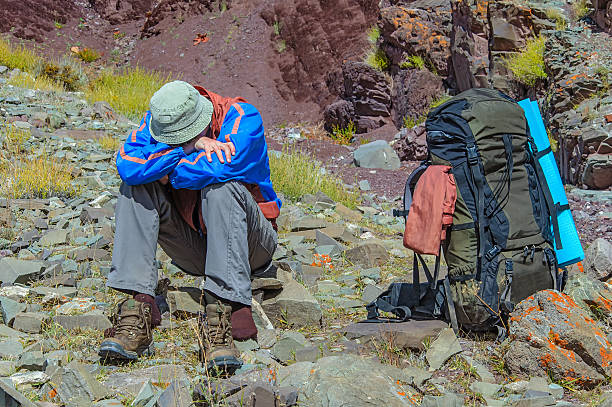
A key part of how to avoid Mt Kilimanjaro sickness is understanding what it actually is.
Altitude sickness (also called Acute Mountain Sickness or AMS) happens when your body struggles to adapt to lower oxygen levels as you climb higher.
Why It Happens
At sea level, oxygen is abundant. But as you ascend Kilimanjaro:
- Air pressure drops
- Oxygen levels decrease
- Your body struggles to adjust
This imbalance leads to symptoms known as altitude sickness.
Why Kilimanjaro Climbers Are at Risk
Understanding risk factors is essential in how to avoid Mt Kilimanjaro sickness.
1. Rapid Ascent
Many climbers try to reach the summit too quickly.
2. Lack of Acclimatization
Short routes reduce adaptation time.
3. Physical Overconfidence
Fitness does not prevent altitude sickness.
4. Dehydration
Low water intake increases risk.
Common Symptoms of Mt Kilimanjaro Sickness
A complete guide on how to avoid Mt Kilimanjaro sickness must include symptoms:
Mild Symptoms
- Headache
- Fatigue
- Dizziness
- Loss of appetite
Moderate Symptoms
- Nausea
- Vomiting
- Difficulty sleeping
- Weakness
Severe Symptoms (Dangerous)
- Confusion
- Severe breathlessness
- Loss of coordination
- Fluid in lungs or brain
If severe symptoms appear, immediate descent is required.
Who Is Most at Risk?
This how to avoid Mt Kilimanjaro sickness guide highlights that anyone can be affected, but risk increases if:
- You ascend too fast
- You ignore symptoms
- You are dehydrated
- You choose short routes
Fitness level does NOT guarantee immunity.
How Altitude Affects the Body
At higher altitude:
- Breathing becomes faster
- Heart rate increases
- Sleep quality decreases
- Energy levels drop
This is a natural response, and part of why learning how to avoid Mt Kilimanjaro sickness is essential.
Comparison Table: Healthy vs Altitude-Affected Climbers
| Factor | Healthy Adaptation | Altitude Sickness Case |
|---|---|---|
| Energy Levels | Stable | Weak and inconsistent |
| Breathing | Normal | Shortness of breath |
| Head Condition | Clear | Headache/dizziness |
| Performance | Steady walking | Slowed movement |
Expert Insight from Nabak Safaris and Tours
Experts emphasize that most cases of altitude sickness can be prevented by proper planning.
Key advice for how to avoid Mt Kilimanjaro sickness:
- Ascend slowly
- Drink at least 3–4 liters of water daily
- Choose longer routes for acclimatization
- Listen carefully to your guide
- Never ignore early symptoms
Their field experience shows that climbers who follow these steps have significantly higher summit success rates.
Bullet Point Highlights
- Altitude sickness is caused by low oxygen
- It is the main challenge on Kilimanjaro
- Fitness does not prevent it
- Slow ascent is the best prevention
- Symptoms must be taken seriously
This introduction to how to avoid Mt Kilimanjaro sickness shows that altitude is the biggest challenge on the mountain, not terrain or weather. Understanding symptoms and risks is the first step toward a safe climb.
With proper preparation and guidance from Nabak Safaris and Tours, climbers can significantly reduce the risk of altitude sickness and improve their chances of reaching the summit successfully.
Prevention Strategies, Acclimatization, Hydration & Nutrition for How to Avoid Mt Kilimanjaro Sickness
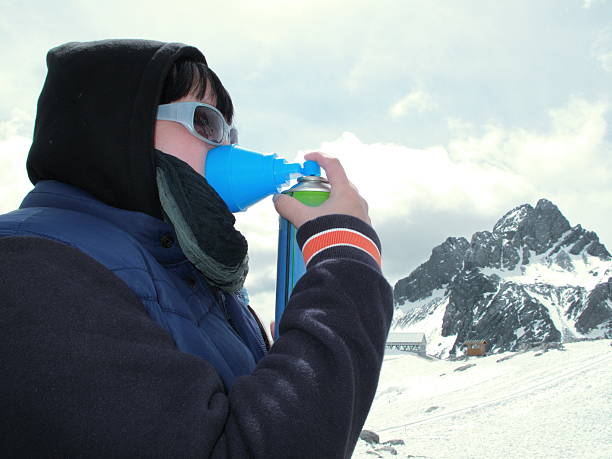
Understanding prevention strategies is the most practical part of learning how to avoid Mt Kilimanjaro sickness. While altitude sickness is common on Mount Kilimanjaro, it is also highly preventable when climbers follow the right methods.
This section by Nabak Safaris and Tours explains in detail how acclimatization, hydration, nutrition, pacing, and smart climbing techniques can significantly reduce your risk. If you are serious about how to avoid Mt Kilimanjaro sickness, then prevention—not treatment—is the key focus.
1. Acclimatization: The Most Important Prevention Method
A core principle in how to avoid Mt Kilimanjaro sickness is proper acclimatization.
What is Acclimatization?
It is the process of allowing your body to adjust to lower oxygen levels gradually.
Why It Matters
Without acclimatization:
- Oxygen levels drop too fast for your body
- Symptoms of AMS appear quickly
- Risk of severe sickness increases
Best Acclimatization Strategies
A. Choose Longer Routes
Routes of 6–9 days are strongly recommended in how to avoid Mt Kilimanjaro sickness.
Longer routes allow:
- Gradual ascent
- Better oxygen adaptation
- Higher summit success rates
B. “Climb High, Sleep Low” Method
This technique is widely used in safe trekking:
- Hike to higher altitude during the day
- Sleep at a lower elevation
This helps your body adjust naturally.
2. Proper Hydration Strategy
Hydration is one of the simplest but most powerful methods in how to avoid Mt Kilimanjaro sickness.
Why Water Matters
At high altitude:
- Breathing increases water loss
- Body dehydrates faster
- Blood circulation becomes less efficient
Recommended Water Intake
- 3 to 4 liters per day
- Small frequent sips (not large amounts at once)
Hydration Tips
- Carry reusable water bottles
- Use electrolyte tablets
- Avoid alcohol and caffeine
- Drink before feeling thirsty
Proper hydration significantly reduces headache and fatigue symptoms.
3. Nutrition & Energy Management
Food plays a major role in how to avoid Mt Kilimanjaro sickness because the body needs energy to adapt.
Why Nutrition is Important
- Maintains energy levels
- Supports oxygen use efficiency
- Reduces fatigue
Recommended Foods on the Mountain
- Carbohydrates (rice, pasta, potatoes)
- Light proteins (eggs, beans)
- Warm soups for digestion
- Energy snacks (nuts, chocolate)
What to Avoid
- Heavy fatty foods
- Excess sugar
- Overeating at high altitude
Eating small, frequent meals is ideal.
4. Slow and Steady Pacing (“Pole Pole”)
Pacing is a critical concept in how to avoid Mt Kilimanjaro sickness.
What “Pole Pole” Means
It is a Swahili phrase meaning “slowly, slowly.”
Why It Works
- Reduces oxygen demand
- Prevents overexertion
- Helps body adjust gradually
How to Apply It
- Walk slowly even if you feel strong
- Take frequent breaks
- Avoid rushing uphill
Most successful climbers on Kilimanjaro follow this rule strictly.
5. Sleep and Recovery Management
Sleep quality directly affects how to avoid Mt Kilimanjaro sickness.
Challenges at Altitude
- Cold temperatures
- Reduced oxygen
- Interrupted sleep cycles
Tips for Better Sleep
- Wear warm layers
- Stay hydrated before sleeping
- Avoid stress and overthinking
- Use proper sleeping bags (-10°C rated)
Good rest helps the body recover and adapt.
6. Breathing Techniques for Altitude Adaptation
Controlled breathing is another useful strategy in how to avoid Mt Kilimanjaro sickness.
Effective Techniques
- Deep slow breathing
- Nasal breathing instead of mouth breathing
- Rhythmic walking and breathing coordination
These techniques help increase oxygen efficiency.
7. Medication and Medical Support
In some cases, medication is used in how to avoid Mt Kilimanjaro sickness.
Common Medication
- Acetazolamide (Diamox) – helps acclimatization
- Pain relievers for headaches
Important Note
Medication should only be taken after consulting a doctor.
Comparison Table: Effective vs Poor Prevention
| Factor | Proper Prevention | Poor Prevention |
|---|---|---|
| Acclimatization | Gradual and planned | Fast ascent |
| Hydration | 3–4L daily | Low water intake |
| Pace | Slow and steady | Fast climbing |
| Nutrition | Balanced meals | Poor diet |
| Risk Level | Low | High |
Expert Insight from Nabak Safaris and Tours
Experts strongly emphasize that how to avoid Mt Kilimanjaro sickness depends more on behavior than fitness.
Key recommendations:
- Never rush the climb
- Drink water consistently
- Eat even when appetite is low
- Trust guide advice at all times
- Prioritize acclimatization over speed
Their experience shows that disciplined climbers rarely develop severe altitude sickness.
Bullet Point Highlights
- Acclimatization is the most important prevention factor
- Hydration reduces headache and fatigue
- Slow pacing improves oxygen efficiency
- Nutrition supports energy balance
- Sleep quality affects recovery
This section of how to avoid Mt Kilimanjaro sickness shows that prevention is the most powerful strategy against altitude sickness. Proper acclimatization, hydration, pacing, nutrition, and rest all work together to protect climbers.
With expert guidance from Nabak Safaris and Tours, travellers can significantly reduce the risk of altitude sickness and enjoy a safer, more successful climb on Mount Kilimanjaro.
Recognizing Symptoms, Emergency Response, Gear Safety & Medical Preparedness for How to Avoid Mt Kilimanjaro Sickness
Even when climbers follow proper preparation, understanding symptom management is a crucial part of how to avoid Mt Kilimanjaro sickness. On Mount Kilimanjaro, altitude sickness can still occur even to well-trained hikers, which is why early detection and correct response are essential.
This section by Nabak Safaris and Tours explains how to recognize symptoms, respond to emergencies, use proper gear, and ensure medical safety. If you truly want to understand how to avoid Mt Kilimanjaro sickness, then knowing what to do when symptoms appear is just as important as prevention.
1. Recognizing Early Symptoms of Altitude Sickness
A key step in how to avoid Mt Kilimanjaro sickness is identifying symptoms early before they become severe.
Mild Symptoms (Early Warning Signs)
- Headache
- Mild dizziness
- Fatigue
- Loss of appetite
- Slight nausea
At this stage, climbers can still recover with proper rest and hydration.
Moderate Symptoms (Warning Stage)
- Persistent headache
- Vomiting
- Weakness
- Difficulty sleeping
- Shortness of breath during rest
At this level, climbers must slow down immediately.
Severe Symptoms (Emergency Stage)
- Confusion or disorientation
- Severe breathing difficulty
- Loss of coordination (ataxia)
- Chest tightness or fluid buildup
Severe symptoms require immediate descent.
2. Emergency Response Strategy
Emergency response is a critical part of how to avoid Mt Kilimanjaro sickness complications.
Golden Rule: “Descend Immediately”
If symptoms worsen:
- Stop ascending
- Descend to lower altitude
- Do not continue climbing
Role of Guides
Professional guides from Nabak Safaris and Tours are trained to:
- Monitor oxygen levels
- Identify early symptoms
- Make evacuation decisions
Their experience is vital for safety.
Oxygen Support
In severe cases:
- Supplemental oxygen may be used
- Portable oxygen is carried by guides
- Emergency evacuation may be arranged
3. Importance of Proper Gear in Altitude Safety
Gear plays a surprising role in how to avoid Mt Kilimanjaro sickness because comfort affects physical stress.
Clothing System (Layering Method)
Proper clothing helps regulate body temperature:
- Base layer: moisture control
- Mid layer: insulation
- Outer layer: windproof/waterproof jacket
Why Layering Matters
- Prevents cold stress
- Reduces fatigue
- Helps maintain energy levels
Cold exposure can worsen altitude symptoms.
Essential Equipment
- High-quality sleeping bag (-10°C or lower)
- Trekking poles for stability
- Headlamp for night movement
- Comfortable waterproof boots
Good gear reduces physical strain and supports how to avoid Mt Kilimanjaro sickness.
4. Medical Preparation Before the Climb
Medical readiness is essential in how to avoid Mt Kilimanjaro sickness.
Pre-Climb Health Check
Before traveling, climbers should:
- Check heart and lung health
- Consult a doctor
- Review altitude risk factors
Altitude Medication
Some climbers use:
- Acetazolamide (Diamox) to help acclimatization
⚠️ Must be prescribed by a doctor.
5. Monitoring Your Body During the Climb
Self-monitoring is a powerful tool in how to avoid Mt Kilimanjaro sickness.
What to Watch Daily
- Energy levels
- Breathing rate
- Headache intensity
- Appetite changes
Simple Self-Test
If you cannot walk in a straight line easily, it may indicate serious altitude issues.
6. Comparison Table: Safe Response vs Dangerous Behavior
| Situation | Safe Response | Dangerous Response |
|---|---|---|
| Mild headache | Rest + hydration | Ignore symptoms |
| Nausea | Slow down | Continue climbing |
| Severe dizziness | Descend immediately | Push to summit |
| Fatigue | Take breaks | Overexertion |
7. Expert Insight from Nabak Safaris and Tours
Experts strongly emphasize that how to avoid Mt Kilimanjaro sickness is not only prevention—it is also reaction management.
Key professional advice:
- Never ignore early symptoms
- Always communicate with your guide
- Prioritize descent over summit goals
- Trust medical decisions on the mountain
Field experience shows that most serious cases are preventable when climbers respond early.
Bullet Point Highlights
- Early symptom detection saves lives
- Descent is the best treatment
- Guides are essential for safety decisions
- Proper gear reduces physical stress
- Medical preparation improves confidence
This section of how to avoid Mt Kilimanjaro sickness shows that safety depends not only on prevention but also on awareness and response. Recognizing symptoms early, using proper gear, and following guide instructions can prevent serious altitude complications.
With support from Nabak Safaris and Tours, climbers are monitored throughout the journey, ensuring that any signs of altitude sickness are handled quickly and professionally on Mount Kilimanjaro.
Final Expert Guide, FAQs, Safety Checklist & Complete Summary for How to Avoid Mt Kilimanjaro Sickness
Reaching the final section of this guide means you now understand the complete system of how to avoid Mt Kilimanjaro sickness while climbing Mount Kilimanjaro. From prevention strategies and acclimatization to symptom recognition and emergency response, every stage plays a role in ensuring a safe summit.
However, successful climbers are not only those who are fit or experienced—they are those who consistently apply safety principles, listen to their guides, and respect altitude. This final section by Nabak Safaris and Tours brings together expert advice, FAQs, final safety checklist, and practical recommendations to ensure full readiness.
Why Most Climbers Succeed or Fail
A key insight in how to avoid Mt Kilimanjaro sickness is that success is determined more by behavior than ability.
1. Success Factors
- Slow and steady ascent
- Proper hydration
- Early symptom awareness
- Following guide instructions
2. Failure Factors
- Rushing the climb
- Ignoring symptoms
- Poor acclimatization
- Overconfidence
Final Expert Advice from Nabak Safaris and Tours
Experts emphasize that how to avoid Mt Kilimanjaro sickness is about discipline and consistency.
Golden Rules for Safety
- Always walk slowly (“pole pole”)
- Never ignore headaches or nausea
- Drink water regularly
- Prioritize safety over summit ambition
Experienced guides consistently report that climbers who follow these rules rarely develop severe altitude sickness.
Complete Safety Checklist
Before and during your climb, ensure the following:
Before Climbing
- Medical check-up completed
- Proper gear packed
- Travel insurance in place
- Fitness training done (8–12 weeks)
During Climb
- Hydrate 3–4 liters daily
- Monitor symptoms constantly
- Eat regular meals
- Follow guide instructions
Emergency Preparedness
- Know descent procedures
- Carry basic medication (doctor-approved)
- Communicate symptoms early
This checklist is essential for how to avoid Mt Kilimanjaro sickness effectively.
Extended FAQs
1. Can altitude sickness be completely prevented?
Not completely, but risk can be significantly reduced with proper preparation.
2. Who is most at risk of Mt Kilimanjaro sickness?
Anyone who ascends too quickly or ignores acclimatization.
3. Does fitness prevent altitude sickness?
No. Even very fit climbers can get sick if they ascend too fast.
4. What is the safest route to avoid sickness?
Longer routes (7–9 days) provide better acclimatization.
5. Can I climb Kilimanjaro if I have mild asthma?
Yes, but medical consultation is required before travel.
Comparison Table: Prepared vs Unprepared Climbers
| Factor | Well-Prepared Climbers | Unprepared Climbers |
|---|---|---|
| Acclimatization | Gradual and planned | Fast and insufficient |
| Hydration | 3–4L daily | Low intake |
| Symptom Response | Early action | Ignored symptoms |
| Summit Success | High | Low |
| Safety Level | Controlled | Risky |
Mental Strength: The Hidden Factor
A major part of how to avoid Mt Kilimanjaro sickness is mental resilience.
Mental Challenges
- Cold summit night
- Long walking hours
- Physical exhaustion
How to Stay Strong
- Focus on small steps
- Stay positive
- Trust your guide team
- Accept slow progress
Mental strength often determines success more than physical ability.
Key Lessons from This Guide
This complete how to avoid Mt Kilimanjaro sickness guide shows:
- Altitude sickness is preventable
- Prevention is better than treatment
- Slow ascent is critical
- Hydration and nutrition matter
- Guide support is essential
Bullet Point Summary
- Altitude sickness is the main challenge on Kilimanjaro
- Prevention depends on behavior, not fitness
- Early symptom detection saves lives
- Longer routes improve safety
- Professional guidance increases success rates
Final Conclusion
This complete guide on how to avoid Mt Kilimanjaro sickness proves that climbing is not just about reaching the summit—it is about doing so safely. With the right preparation, awareness, and discipline, climbers can greatly reduce the risk of altitude sickness.
Climbing Kilimanjaro is a life-changing experience, and with expert support from Nabak Safaris and Tours, travellers can confidently and safely achieve their dream of reaching the summit while staying healthy and prepared.
If you are planning your Kilimanjaro adventure, do not leave safety to chance.
👉 Book your climb with Nabak Safaris and Tours today and follow the proven how to avoid Mt Kilimanjaro sickness strategies for a safe and successful summit.
About the Author
