
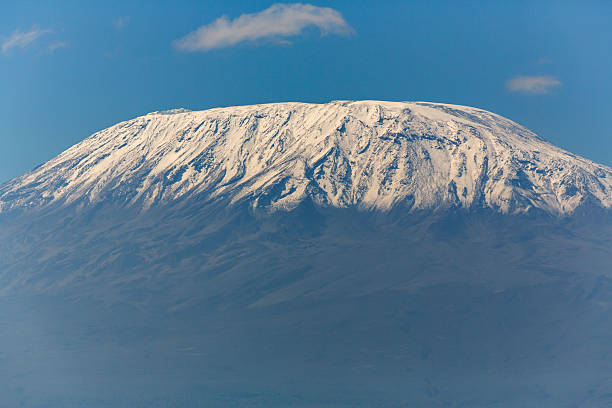
Learn how to prepare for Kilimanjaro climbing with expert tips, training plans, packing guide, and safety advice from Nabak Safaris and Tours for a successful summit.
Overview of How to Prepare for Kilimanjaro Climbing
Introduction
Learning how to prepare for Kilimanjaro climbing is the most important step before attempting to reach the summit of Mount Kilimanjaro. Many travellers underestimate the importance of preparation and focus only on the climb itself. However, success on the mountain is largely determined long before you arrive in Tanzania.
This guide by Nabak Safaris and Tours explains everything you need to know about how to prepare for Kilimanjaro climbing, including physical training, mental readiness, packing essentials, altitude preparation, and travel planning. Whether you are a beginner or an experienced hiker, proper preparation significantly increases your chances of reaching Uhuru Peak.
Kilimanjaro is not a technical climb, but it is a high-altitude endurance challenge. Understanding how to prepare for Kilimanjaro climbing ensures you are physically, mentally, and logistically ready for one of the greatest adventures in the world.
Quick Summary
- Destination: Tanzania
- Mountain: Mount Kilimanjaro
- Height: 5,895 meters
- Difficulty: Moderate to challenging
- Preparation Time: 2–3 months recommended
- Key Success Factor: Acclimatization + fitness
- Operator: Nabak Safaris and Tours
Why Preparation Matters for Kilimanjaro
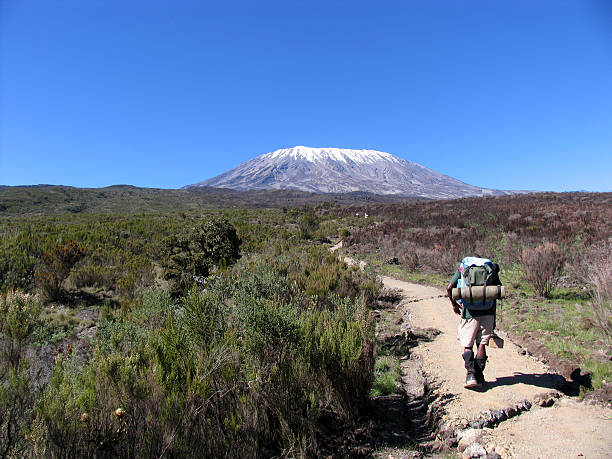
Understanding how to prepare for Kilimanjaro climbing is essential because:
1. Altitude is the Main Challenge
The biggest difficulty is not terrain but oxygen reduction at high altitude.
2. Fitness Determines Comfort
Good fitness makes long trekking days easier and more enjoyable.
3. Mental Strength Impacts Success
Many climbers fail due to mental exhaustion, not physical failure.
Physical Demands of Kilimanjaro
A key part of how to prepare for Kilimanjaro climbing is understanding the physical demands:
- 5–7 hours of walking daily
- Summit night up to 12–15 hours of trekking
- Temperature changes from hot to freezing
- Continuous uphill climbing
Main Preparation Areas
This how to prepare for Kilimanjaro climbing guide focuses on four core areas:
1. Physical Fitness Training
Building endurance and strength.
2. Mental Preparation
Developing patience and resilience.
3. Gear & Packing Preparation
Choosing proper equipment.
4. Altitude Awareness
Understanding how your body reacts.
Fitness Importance Explained
Fitness is a major factor in how to prepare for Kilimanjaro climbing. You do not need to be an athlete, but you must have good endurance.
Recommended Fitness Level
- Able to hike 5–6 hours comfortably
- Comfortable walking uphill
- Good cardiovascular health
Training Overview for Beginners
If you are learning how to prepare for Kilimanjaro climbing, start training at least 8–12 weeks before departure.
Basic Training Activities
- Hiking practice
- Stair climbing
- Jogging or running
- Strength training (legs and core)
Comparison Table: Fit vs Unfit Climbers
| Factor | Well-Prepared Climbers | Unprepared Climbers |
|---|---|---|
| Energy Levels | Stable | Low |
| Altitude Response | Controlled | Severe symptoms |
| Summit Success | High | Low |
| Enjoyment Level | High | Stressful |
Expert Insight from Nabak Safaris and Tours
Experts emphasize that knowing how to prepare for Kilimanjaro climbing is more important than speed or experience.
Their field experience shows that climbers who follow structured preparation plans have significantly higher summit success rates.
Key advice:
- Train gradually
- Do not rush fitness preparation
- Focus on endurance, not speed
Bullet Point Highlights
- Preparation determines summit success
- Altitude is the biggest challenge
- Fitness improves comfort and safety
- Mental strength is equally important
- Training should start 2–3 months before travel
This introduction to how to prepare for Kilimanjaro climbing shows that success starts long before you reach Tanzania. Proper planning, fitness training, and mental preparation are the foundation of a safe and successful climb.
With guidance from Nabak Safaris and Tours, travellers can prepare effectively and increase their chances of reaching the summit of Mount Kilimanjaro.
Physical Training, Fitness Plan, Altitude Preparation & Gear for How to Prepare for Kilimanjaro Climbing
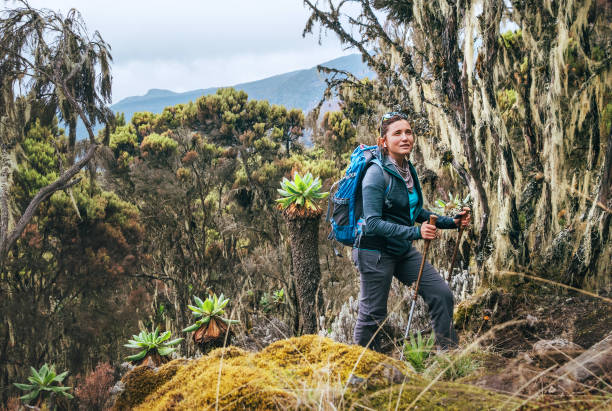
Understanding physical training is the core of how to prepare for Kilimanjaro climbing. While many travellers focus on booking flights or choosing routes, the real success factor lies in how well your body is prepared for long trekking days, changing weather conditions, and high altitude.
Climbing Mount Kilimanjaro does not require technical climbing skills, but it demands endurance, strength, and mental resilience. This section of the how to prepare for Kilimanjaro climbing guide by Nabak Safaris and Tours explains exactly how to train your body, prepare for altitude, and choose the right gear.
Why Physical Training is Essential
A major part of how to prepare for Kilimanjaro climbing is understanding why fitness matters.
1. Long Daily Hiking Hours
You will walk between 5 to 7 hours daily on average.
2. Summit Night Challenge
The final ascent can take 10–15 hours without rest.
3. Altitude Stress
Low oxygen levels make physical effort more demanding.
Without proper preparation, even fit travellers can struggle.
Recommended Training Plan (8–12 Weeks)
A structured training program is essential in how to prepare for Kilimanjaro climbing.
Week 1–4: Base Fitness Building
Focus on:
- Light jogging (3–5 km)
- Walking 1–2 hours daily
- Basic strength training
Goal: Build endurance foundation.
Week 5–8: Endurance Development
Increase intensity:
- Hiking with backpack (5–10 kg)
- Stair climbing workouts
- Longer walks (3–5 hours)
Goal: Simulate mountain conditions.
Week 9–12: Peak Preparation
Final stage of how to prepare for Kilimanjaro climbing:
- Full-day hikes
- Hill climbing practice
- Carrying weighted backpack
- Cardio training 4–5 times weekly
Goal: Prepare body for summit conditions.
Strength Training Focus Areas
Strength is a key element in how to prepare for Kilimanjaro climbing.
Important Muscle Groups
- Legs (quads, calves)
- Core (stability and balance)
- Back (carrying backpack)
Recommended Exercises
- Squats
- Lunges
- Step-ups
- Planks
Cardio Training Importance
Cardio fitness is critical in how to prepare for Kilimanjaro climbing.
Best Activities
- Running
- Cycling
- Swimming
- Hiking
Cardio improves oxygen efficiency, which is crucial at high altitude.
Altitude Preparation Strategy
Altitude is the biggest challenge in how to prepare for Kilimanjaro climbing.
What Happens at High Altitude
As you ascend:
- Oxygen levels decrease
- Heart rate increases
- Fatigue becomes stronger
How to Prepare for Altitude
Follow these steps:
- Train at higher elevations if possible
- Practice slow hiking pace (“pole pole”)
- Stay hydrated daily
- Avoid alcohol before climb
- Build endurance gradually
Proper acclimatization strategy increases summit success.
Essential Gear Preparation
Gear selection is another major part of how to prepare for Kilimanjaro climbing.
Clothing System (Layering Method)
- Base layer: moisture-wicking
- Mid layer: insulation (fleece)
- Outer layer: waterproof jacket
Footwear
- Strong waterproof hiking boots
- Comfortable socks (anti-blister)
Essential Equipment
- Trekking poles
- Sleeping bag (-10°C rated)
- Headlamp
- Backpack (30–40L daypack)
Health & Safety Items
- Sunscreen (high SPF)
- First aid kit
- Altitude sickness medication (doctor approved)
Comparison Table: Fit vs Unfit Preparation
| Factor | Well-Prepared Climbers | Poorly Prepared Climbers |
|---|---|---|
| Endurance | High | Low |
| Altitude Response | Controlled | Severe symptoms |
| Energy Levels | Stable | Fatigue early |
| Summit Success | High | Low |
Common Mistakes in Preparation
A good how to prepare for Kilimanjaro climbing guide must include mistakes to avoid:
- Starting training too late
- Ignoring altitude effects
- Not practicing hiking
- Carrying wrong gear
- Overestimating fitness level
Expert Insight from Nabak Safaris and Tours
Experts recommend that success in how to prepare for Kilimanjaro climbing depends more on consistency than intensity.
Key advice:
- Train steadily over 8–12 weeks
- Focus on endurance over speed
- Practice hiking with weight
- Simulate real mountain conditions
Their experience shows that well-prepared climbers have significantly higher summit success rates.
Bullet Point Highlights
- Training should start 2–3 months before climb
- Endurance is more important than speed
- Altitude preparation is critical
- Proper gear reduces risk
- Consistent hiking practice improves success
This section of how to prepare for Kilimanjaro climbing shows that physical training, altitude preparation, and proper gear selection are essential for success. Without structured preparation, even experienced hikers may struggle on summit night.
With support from Nabak Safaris and Tours, travellers can follow a safe, guided preparation plan that significantly increases their chances of reaching the top of Mount Kilimanjaro.
Best Time, Costs, Packing List & Travel Planning for How to Prepare for Kilimanjaro Climbing
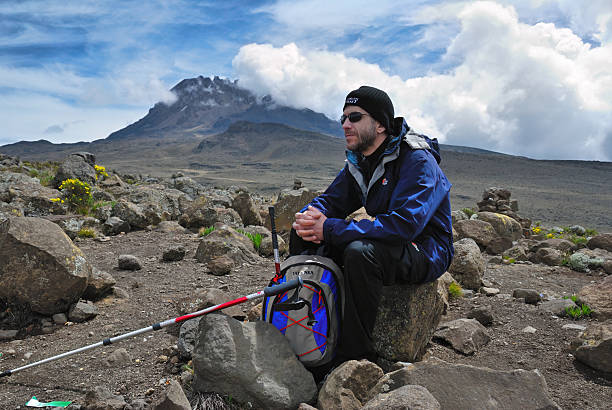
A complete understanding of logistics is a major part of how to prepare for Kilimanjaro climbing. While physical training is essential, many climbers underestimate the importance of timing, budgeting, packing, and travel planning.
Climbing Mount Kilimanjaro is not just a physical challenge—it is also a logistical journey that requires careful preparation. This section of the how to prepare for Kilimanjaro climbing guide by Nabak Safaris and Tours explains when to climb, how much it costs, what to pack, and how to organize your travel efficiently for a safe and successful expedition.
Best Time to Climb Kilimanjaro
Choosing the right season is one of the most important factors in how to prepare for Kilimanjaro climbing.
1. Dry Seasons (Best Climbing Conditions)
The dry seasons are highly recommended in any how to prepare for Kilimanjaro climbing guide.
Best Months
- January to March
- June to October
Why Dry Seasons Are Ideal
- Clear mountain views
- Stable and safe trails
- Lower rainfall risk
- Better summit success rates
For most climbers, these months provide the most reliable conditions.
2. Wet Seasons (Less Ideal but Possible)
Wet seasons are less recommended in how to prepare for Kilimanjaro climbing, but still possible for experienced hikers.
Months
- April to May
- November
Challenges
- Heavy rainfall
- Slippery trails
- Limited visibility
- Increased physical difficulty
However, these seasons offer quieter trails and lush scenery.
Cost of Climbing Kilimanjaro
Budget planning is a key part of how to prepare for Kilimanjaro climbing.
Average Cost Breakdown
| Category | Estimated Cost (USD) |
|---|---|
| Park Fees | $800 – $1,200 |
| Guide & Porter Team | $1,000 – $2,000 |
| Food & Logistics | $500 – $1,000 |
| Total Package | $2,500 – $6,500+ |
What Affects the Cost
This how to prepare for Kilimanjaro climbing guide highlights key factors:
- Route length (longer = more expensive)
- Level of service (budget vs luxury)
- Private vs group climbs
- Seasonal demand
Nabak Safaris and Tours offers flexible packages tailored to different budgets.
Packing List for Kilimanjaro Climb
Packing correctly is essential in how to prepare for Kilimanjaro climbing because weather changes dramatically with altitude.
Clothing Essentials
- Base layers (thermal and moisture-wicking)
- Insulating fleece or jacket
- Waterproof outer shell
- Warm hat and gloves
- Hiking trousers and shorts
- Strong hiking boots
Equipment Essentials
- Day backpack (30–40L)
- Sleeping bag (-10°C rated)
- Trekking poles
- Headlamp with spare batteries
- Water bottles or hydration system
Health & Safety Items
- Sunscreen (high SPF)
- Lip balm
- Personal first aid kit
- Altitude sickness medication (doctor-approved)
Proper packing significantly improves comfort and safety.
Travel Requirements & Documentation
A complete how to prepare for Kilimanjaro climbing guide must include travel planning.
Visa Requirements
Travellers must obtain a visa to enter Tanzania, available online or on arrival.
Travel Insurance
Essential coverage includes:
- High-altitude trekking
- Medical emergencies
- Evacuation services
Vaccinations
Recommended:
- Yellow fever (if required)
- Hepatitis A & B
- Typhoid
Physical & Mental Travel Preparation
Even though this section focuses on logistics, how to prepare for Kilimanjaro climbing also includes mental readiness.
Mental Preparation Tips
- Expect long trekking days
- Accept slow pace (“pole pole”)
- Stay patient with altitude effects
- Focus on progress, not speed
Pre-Climb Logistics
Before the climb, travellers must:
- Arrive 1–2 days early in Tanzania
- Attend safety briefing
- Check all gear
- Meet guide team
This preparation phase is essential in how to prepare for Kilimanjaro climbing.
Post-Climb Planning
After the climb:
- Rest for recovery
- Receive summit certificate
- Optional safari or Zanzibar trip
Many travellers extend their journey for a full Tanzanian experience.
Comparison Table: Dry vs Wet Season Planning
| Factor | Dry Season | Wet Season |
|---|---|---|
| Weather | Stable and clear | Rainy and unpredictable |
| Visibility | Excellent | Limited |
| Difficulty | Moderate | Higher |
| Success Rate | High | Lower |
Bullet Point Highlights
- Best time: Jan–Mar & Jun–Oct
- Costs: $2,500–$6,500+
- Proper packing is critical
- Insurance is mandatory
- Logistics planning improves success
Expert Insight from Nabak Safaris and Tours
Experts emphasize that how to prepare for Kilimanjaro climbing is not only about fitness but also about smart planning.
Key advice:
- Choose dry season for best success
- Do not underestimate gear importance
- Plan budget realistically
- Arrive early for acclimatization
Proper planning significantly improves summit success rates.
This section of how to prepare for Kilimanjaro climbing shows that timing, budgeting, packing, and travel planning are just as important as physical fitness. Without proper logistical preparation, even strong climbers may face unnecessary challenges.
With guidance from Nabak Safaris and Tours, travellers can plan effectively and enjoy a safe, well-organized journey to the summit of Mount Kilimanjaro.
Final Expert Guide, FAQs, Safety Insights & Complete Summary for How to Prepare for Kilimanjaro Climbing
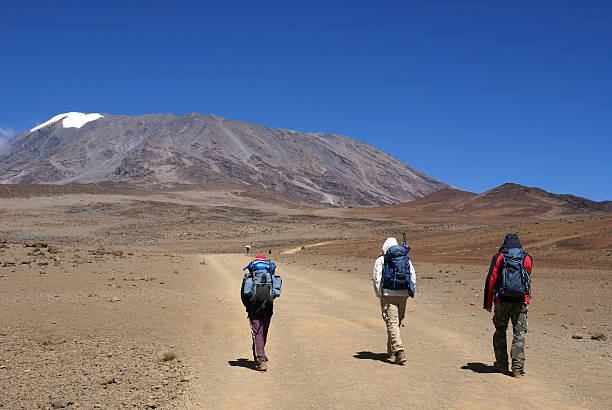
Climbing the Kilimanjaro Mountain
Completing this guide on how to prepare for Kilimanjaro climbing means you now have a full understanding of what it takes to successfully reach the summit of Mount Kilimanjaro. From physical training and altitude preparation to budgeting, packing, and travel planning, every stage plays a critical role in your success.
However, preparation does not end with fitness and logistics alone. Mental strength, discipline, and the ability to follow expert guidance are equally important. This final section of the how to prepare for Kilimanjaro climbing guide by Nabak Safaris and Tours brings together expert advice, frequently asked questions, and final recommendations to ensure you are fully ready for your adventure.
Why Proper Preparation Determines Success
A key lesson in how to prepare for Kilimanjaro climbing is that success is not determined by strength alone, but by preparation quality.
1. Altitude Challenge
The biggest obstacle is not terrain but reduced oxygen levels.
2. Endurance Requirement
Climbers walk for multiple hours daily over several days.
3. Mental Pressure
Summit night is long, cold, and physically demanding.
Without proper preparation, even experienced hikers may struggle.
Expert Tips for Successful Climb
Experts from Nabak Safaris and Tours emphasize the following principles in how to prepare for Kilimanjaro climbing:
1. Follow “Pole Pole” Principle
This Swahili phrase means “slowly, slowly.” It is the most important rule for altitude adaptation.
2. Stay Hydrated Constantly
Drink at least 3–4 liters of water daily to prevent altitude sickness.
3. Trust Your Guide Team
Licensed guides monitor your health and ensure safe decisions are made.
4. Focus on Mental Strength
Climbing Kilimanjaro is as much mental as physical. Patience is key.
Common Mistakes to Avoid
A complete how to prepare for Kilimanjaro climbing guide must include mistakes:
- Training too late
- Ignoring altitude symptoms
- Choosing short routes without acclimatization
- Poor gear selection
- Rushing the climb
Avoiding these mistakes significantly improves summit success rates.
Customer Experience Insight
Travellers who follow this how to prepare for Kilimanjaro climbing guide with Nabak Safaris and Tours report:
- High summit success rates
- Professional and supportive guides
- Well-organized logistics
- Strong safety systems
- Positive overall experience
This shows that preparation combined with expert support leads to success.
Comparison Table: Prepared vs Unprepared Climbers
| Factor | Well-Prepared Climbers | Unprepared Climbers |
|---|---|---|
| Energy Levels | Stable and consistent | Low and inconsistent |
| Altitude Response | Managed effectively | Severe symptoms |
| Summit Success Rate | High | Low |
| Mental Strength | Strong and focused | Easily overwhelmed |
| Overall Experience | Enjoyable and successful | Stressful and difficult |
Extended FAQs – How to Prepare for Kilimanjaro Climbing
How long does it take to prepare for Kilimanjaro climbing?
Most travellers need 8–12 weeks of structured training.
Do I need previous hiking experience?
No, but basic hiking practice is highly recommended.
Is Kilimanjaro dangerous?
Not if you follow proper preparation and guide instructions.
What is the success rate?
Success rates vary from 60%–90% depending on route and preparation level.
Can beginners climb Kilimanjaro?
Yes. With proper training and guidance, beginners can succeed.
Final Expert Recommendations
Experts strongly advise:
- Train consistently for at least 2–3 months
- Choose longer routes for better acclimatization
- Follow all guide instructions strictly
- Stay hydrated throughout the climb
- Prioritize mental readiness
These are essential principles in any how to prepare for Kilimanjaro climbing strategy.
Bullet Point Summary
- Preparation determines summit success
- Altitude is the biggest challenge
- Slow pace improves acclimatization
- Proper gear is essential
- Mental strength is critical
Final Conclusion
This complete guide on how to prepare for Kilimanjaro climbing shows that success is built long before you arrive in Tanzania. Physical training, mental preparation, proper gear, and smart planning all combine to create a safe and rewarding experience.
Climbing Kilimanjaro is not just a physical achievement—it is a life-changing journey that tests your endurance, discipline, and determination.
With expert support from Nabak Safaris and Tours, travellers can confidently prepare for one of the greatest adventures in the world and increase their chances of reaching the summit of Mount Kilimanjaro.
If you are ready to begin your journey, Nabak Safaris and Tours is here to guide you every step of the way.
👉 Book your Kilimanjaro adventure today and follow the ultimate how to prepare for Kilimanjaro climbing guide for a safe and successful summit experience.
About the Author
