
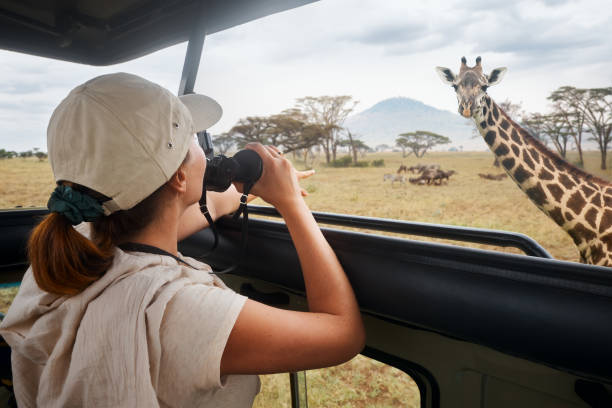
Discover the ultimate Serengeti photography guide with Nabak Safaris and Tours. Learn wildlife photography tips, best locations, camera settings, and expert safari photography advice in Tanzania.
QUICK SUMMARY
The Serengeti photography guide helps travelers and photographers capture stunning wildlife images in one of the world’s most iconic safari destinations. Serengeti National Park offers endless plains, dramatic wildlife interactions, and perfect lighting conditions for photography. This guide by Nabak Safaris and Tours explains how to prepare, what equipment to use, and how to maximize photography opportunities during a Serengeti safari.
WHY SERENGETI IS A PHOTOGRAPHER’S PARADISE
The Serengeti National Park in Tanzania is widely recognized as one of the best wildlife photography destinations in the world. Covering vast open plains, river ecosystems, and rich biodiversity, Serengeti offers unmatched opportunities for capturing dramatic wildlife moments.
A well-planned Serengeti photography guide is essential for both amateur and professional photographers because the park presents unique challenges and rewards. Lighting conditions change quickly, animals move unpredictably, and vast landscapes require technical skill to capture effectively.
With Nabak Safaris and Tours, photographers gain access to expert-guided safari experiences designed specifically to maximize wildlife photography opportunities.
WHY SERENGETI IS PERFECT FOR WILDLIFE PHOTOGRAPHY
Serengeti is considered a global photography hotspot for several reasons:
- High concentration of wildlife year-round
- The Great Wildebeest Migration
- Open savannah landscapes with clear visibility
- Dramatic predator-prey interactions
- Golden sunrise and sunset lighting conditions
These natural elements make the Serengeti photography guide essential for capturing professional-quality wildlife images.
Unlike forests or mountainous parks, Serengeti offers open visibility, allowing photographers to track animals easily and compose clean, powerful images.
WHAT MAKES SERENGETI PHOTOGRAPHY UNIQUE
The uniqueness of Serengeti photography guide experiences comes from the unpredictable nature of wildlife behavior. No two safari days are the same.
Photographers may capture:
- Lions hunting during sunrise
- Cheetahs sprinting across plains
- Elephants moving in large herds
- Wildebeest crossing rivers during migration
- Birds in dramatic flight formations
This unpredictability makes Serengeti one of the most exciting places for photography in Africa.
KEY PHOTOGRAPHY CHALLENGES IN SERENGETI
While Serengeti is ideal for photography, it also presents challenges:
- Moving safari vehicles affecting stability
- Dust and changing weather conditions
- Fast-moving wildlife moments
- Long shooting distances
- Limited time for positioning
A good Serengeti photography guide helps photographers overcome these challenges with proper planning and techniques.
ESSENTIAL PREPARATION FOR SERENGETI PHOTOGRAPHY SAFARI
Before entering Serengeti, photographers must prepare properly:
Camera Equipment
- DSLR or mirrorless camera
- Telephoto lens (200–600mm recommended)
- Wide-angle lens for landscapes
- Extra batteries and memory cards
Clothing
- Neutral-colored clothing
- Dust protection gear
- Comfortable safari jackets
Other Essentials
- Bean bag for camera stability
- Cleaning kit for dust
- Binoculars for scouting wildlife
Proper preparation ensures better results during a Serengeti photography safari.
BEST LIGHTING CONDITIONS FOR SERENGETI PHOTOGRAPHY
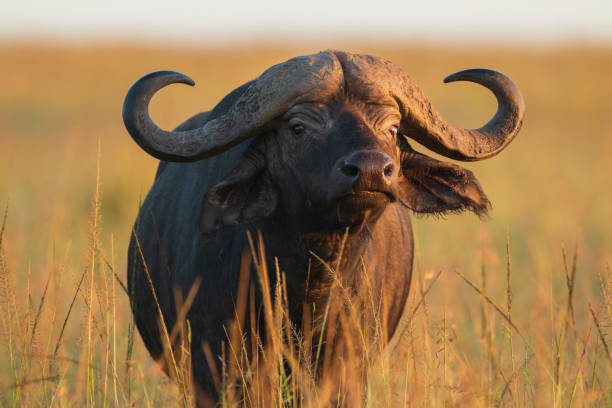
African cape buffalo at golden light
Lighting is one of the most important factors in wildlife photography.
Golden Hour (Best Time)
- Early morning (6:00–9:00 AM)
- Late afternoon (4:00–6:30 PM)
During these times, Serengeti offers soft golden light perfect for dramatic wildlife photography.
Midday Light
- Harsh and bright
- Best for close-up animal shots in shade
Understanding light conditions is a key part of any Serengeti photography guide.
ROLE OF NABAK SAFARIS AND TOURS IN PHOTOGRAPHY SAFARIS
At Nabak Safaris and Tours, photography safaris are designed to help travelers capture the best wildlife moments.
We provide:
- Experienced photography safari guides
- Flexible game drive timing
- Strategic positioning for photography
- Custom safari itineraries for photographers
- Knowledge of wildlife movement patterns
This ensures every Serengeti photography guide experience is productive and memorable.
WHY SERENGETI IS GLOBAL PHOTOGRAPHY ICON
Serengeti is not just a safari destination—it is a global photography icon because:
- It hosts the Great Migration (over 1.5 million animals)
- It has UNESCO World Heritage status
- It offers year-round wildlife photography opportunities
- It provides diverse ecosystems in one location
This makes it one of the most important destinations in any professional Serengeti photography guide.
BEST PHOTOGRAPHY LOCATIONS, WILDLIFE HOTSPOTS & SEASONAL SHOOTING GUIDE
This section explores the best locations inside Serengeti for wildlife photography, including migration zones, predator areas, and scenic landscapes. It explains when and where to capture the most powerful images using the Serengeti photography guide, with expert insights from Nabak Safaris and Tours to help photographers maximize every moment in the field.
WHY LOCATION IS EVERYTHING IN SERENGETI PHOTOGRAPHY
In any professional Serengeti photography guide, location selection is the most important factor in determining image quality and wildlife success. Serengeti is a vast ecosystem divided into different regions, each offering unique photographic opportunities.
Unlike controlled environments, wildlife in Serengeti moves freely, meaning photographers must understand animal migration patterns, terrain, and seasonal movement to capture the best shots.
With Nabak Safaris and Tours, photographers are guided through carefully selected routes that maximize wildlife encounters and photographic opportunities across Serengeti National Park.
BEST PHOTOGRAPHY LOCATIONS IN SERENGETI
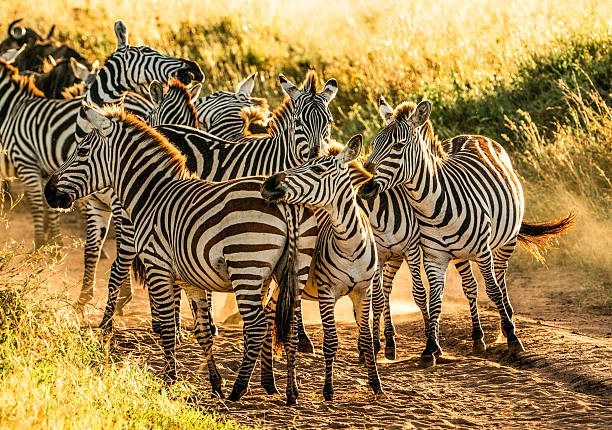
A herd of plains zebras gathered on a dusty trail during golden hour in the African savannah. Warm sunlight highlights their striking stripes and interactions, capturing a dynamic moment in the wild.
1. Central Serengeti (Seronera Valley)
Central Serengeti is the heart of wildlife photography and one of the most important areas in any Serengeti photography guide.
Why it is ideal for photography:
- High concentration of lions, leopards, and cheetahs
- Year-round wildlife availability
- Open savannah with clear visibility
- River systems attracting animals
This region is perfect for capturing predator behavior and dramatic hunting scenes.
2. Northern Serengeti (Mara River Region)
The northern Serengeti is famous for river crossings during the Great Migration.
Photography highlights:
- Wildebeest river crossings
- Crocodile hunting scenes
- Dramatic migration movement
- Dust-filled action shots
This is one of the most iconic locations in any Serengeti photography guide, especially between July and October.
3. Western Corridor (Grumeti Region)
The western Serengeti is known for its dramatic river ecosystems.
Key photography opportunities:
- Grumeti River crossings
- Hippos and crocodiles
- Dense wildlife concentrations
- Golden landscape lighting
This area is ideal for action and documentary-style photography.
4. Southern Serengeti (Ndutu Area)
The southern plains are famous for the calving season.
Best for:
- Baby wildebeest photography
- Predator-prey interactions
- Large herds on open plains
- Soft green landscapes
From December to March, this region becomes one of the most active photography zones in the Serengeti photography guide.
5. Eastern Serengeti (Less Crowded Zones)
Eastern Serengeti offers quieter and more exclusive photography opportunities.
Advantages:
- Fewer safari vehicles
- Cleaner compositions
- Excellent cheetah sightings
- Peaceful landscapes
This is ideal for photographers who prefer isolation and creative control.
COMPARISON TABLE: SERENGETI PHOTOGRAPHY REGIONS
| Region | Best Season | Main Wildlife | Photography Strength |
|---|---|---|---|
| Central Serengeti | Year-round | Big cats, elephants | Predator photography |
| Northern Serengeti | Jul–Oct | Migration herds | River crossing shots |
| Western Corridor | May–Jul | Hippos, crocodiles | Action wildlife shots |
| Southern Serengeti | Dec–Mar | Wildebeest calves | Behavioral photography |
| Eastern Serengeti | Year-round | Cheetahs, plains game | Clean landscape shots |
SEASONAL PHOTOGRAPHY OPPORTUNITIES
A complete Serengeti photography guide must include seasonal understanding.
Dry Season (June–October)
- Best wildlife visibility
- Animals gather near water
- High predator activity
- Best for action photography
Green Season (November–March)
- Beautiful green landscapes
- Calving season in southern Serengeti
- Perfect for emotional wildlife shots
- Fewer tourists
Migration Season Peaks
- Northern river crossings
- Massive wildlife movement
- Most dramatic photography opportunities
Understanding seasons is critical for successful Serengeti photography guide planning.
WILDLIFE HOTSPOTS FOR PHOTOGRAPHERS
Inside Serengeti, certain areas consistently produce high-quality photography results:
- Kopjes (rock formations with lions and leopards)
- Riverbanks (predators and water interactions)
- Open plains (migration herds)
- Acacia woodlands (leopards and birds)
Photographers using a professional Serengeti photography guide often focus on these micro-locations for better results.
ROLE OF NABAK SAFARIS AND TOURS IN LOCATION PLANNING
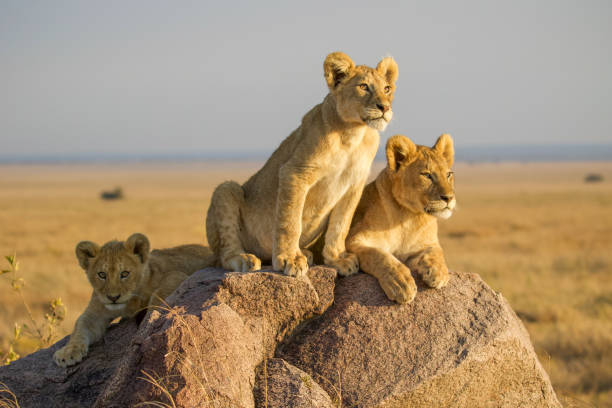
Three inquisitive lion cubs on the rocks in the early morning around the Serengeti’s Namiri Plains, Tanzania.
At Nabak Safaris and Tours, location planning is a key part of photography safaris.
We provide:
- Real-time wildlife tracking
- Expert knowledge of animal movement
- Flexible routing for photography positioning
- Private safari vehicles for photographers
- Strategic timing for golden hour shots
This ensures photographers maximize results in every Serengeti photography guide experience.
WHY SERENGETI LOCATION STRATEGY MATTERS
Without proper location strategy, even professional photographers may miss key wildlife moments. Serengeti is dynamic, and animal movement changes daily.
A strong Serengeti photography guide helps photographers:
- Predict animal movement
- Position vehicles correctly
- Capture unique angles
- Avoid overcrowded areas
- Maximize lighting conditions
This is what separates average photos from professional wildlife masterpieces.
ADVANCED PHOTOGRAPHY TECHNIQUES, CAMERA SETTINGS & FIELD STRATEGIES
This section focuses on practical, field-based techniques for capturing professional wildlife images in Serengeti. It explains camera settings, composition strategies, motion capture, lighting control, and real safari shooting challenges. Using the Serengeti photography guide, photographers learn how to turn real safari moments into powerful, high-quality images with guidance from Nabak Safaris and Tours
MOVING FROM LOCATION TO TECHNIQUE IN SERENGETI PHOTOGRAPHY
After understanding where to shoot in Serengeti, the next critical step in any Serengeti photography guide is mastering how to shoot. Many photographers visit Serengeti with excellent locations but fail to capture strong images due to lack of technical control.
Wildlife photography is unpredictable. Animals move fast, lighting changes quickly, and safari vehicles are not stable platforms. Therefore, mastering camera settings and field techniques is essential.
With Nabak Safaris and Tours, photographers are guided by experienced safari professionals who understand both wildlife behavior and photography timing, ensuring every moment is used effectively.
ESSENTIAL CAMERA SETTINGS FOR SERENGETI PHOTOGRAPHY
1. Shutter Speed Control
Shutter speed is one of the most important elements in a Serengeti photography guide.
- 1/1000 or faster → for running animals (cheetahs, wildebeest)
- 1/500 → for walking wildlife
- 1/200 → for resting animals
Fast shutter speeds freeze motion, which is essential for capturing action scenes in Serengeti.
2. Aperture Settings
Aperture controls depth of field and background blur.
- f/2.8 – f/4 → subject isolation (portraits of lions, leopards)
- f/5.6 – f/8 → balanced wildlife scenes
- f/11 and above → landscape and group shots
A good Serengeti photography guide always emphasizes aperture control for storytelling images.
3. ISO Settings
ISO adjusts light sensitivity.
- ISO 100–400 → bright daylight
- ISO 400–800 → early morning or sunset
- ISO 800–3200 → low-light wildlife conditions
Modern cameras allow higher ISO without losing quality, which is useful in Serengeti’s changing light.
4. Focus Mode
For wildlife photography in Serengeti:
- Continuous autofocus (AI Servo / AF-C)
- Tracking focus for moving animals
- Single-point focus for stationary subjects
This ensures sharp images even in fast-moving safari situations.
COMPOSITION TECHNIQUES IN SERENGETI PHOTOGRAPHY
A strong Serengeti photography guide always includes composition mastery.
1. Rule of Thirds
Position animals off-center for more dynamic images.
2. Eye-Level Shooting
Capture animals at eye level for emotional connection.
3. Leading Lines
Use rivers, roads, or migration paths to guide viewer attention.
4. Frame Within Frame
Use trees or vehicle windows for natural framing.
5. Negative Space
Use open plains of Serengeti to emphasize isolation and scale.
MOTION AND ACTION PHOTOGRAPHY TECHNIQUES
Serengeti is famous for movement-based wildlife scenes.
Panning Technique
- Use slower shutter speed (1/60–1/125)
- Follow moving animals smoothly
- Creates motion blur background with sharp subject
Burst Mode Shooting
- Capture continuous frames during action
- Ideal for hunts or migration crossings
Anticipation Shooting
- Predict animal behavior
- Pre-focus on expected movement zones
These techniques are essential in any advanced Serengeti photography guide.
LIGHTING STRATEGIES FOR SAFARI PHOTOGRAPHY
Lighting determines the quality of every image.
Golden Hour Mastery
- Early morning and sunset provide soft light
- Best for dramatic wildlife portraits
Backlighting Technique
- Shoot against the sun for silhouette effects
- Works well with dust and migration scenes
Side Lighting
- Enhances texture of animal fur
- Adds depth and dimension
Understanding light is a core principle of the Serengeti photography guide.
FIELD CHALLENGES IN SERENGETI PHOTOGRAPHY
Even experienced photographers face challenges:
1. Moving Safari Vehicles
- Causes instability
- Requires fast stabilization techniques
2. Dust and Heat
- Affects camera sensors
- Requires regular cleaning
3. Unpredictable Wildlife
- Animals may disappear quickly
- Requires readiness at all times
4. Distance Limitations
- Wildlife often far from vehicle
- Requires long telephoto lenses
A professional Serengeti photography guide helps photographers prepare for these realities.
PROFESSIONAL FIELD STRATEGIES
Pre-Focus Strategy
Focus on areas where animals are likely to appear.
Layer Shooting
Capture foreground, subject, and background together for storytelling depth.
Behavior Observation
Study animal behavior to predict movements.
Minimal Distraction Approach
Avoid unnecessary camera adjustments during critical moments.
These strategies improve results significantly in Serengeti.
ROLE OF NABAK SAFARIS AND TOURS IN PHOTOGRAPHY SUCCESS
With Nabak Safaris and Tours, photographers benefit from:
- Expert safari drivers who understand positioning
- Real-time animal tracking knowledge
- Flexible game drive schedules
- Access to less crowded photography zones
- Guidance on best shooting times
This makes every Serengeti photography guide experience more productive and rewarding.
WHY TECHNIQUE MATTERS IN SERENGETI PHOTOGRAPHY
Even in the best locations, poor technique results in weak images. Serengeti demands:
- Fast reaction time
- Technical camera control
- Understanding of wildlife behavior
- Proper lighting usage
- Strong composition skills
This is why mastering technique is essential in any Serengeti photography guide.
GEAR CHECKLIST, POST-PROCESSING, FAQs & FINAL EXPERT GUIDE
This final section of the Serengeti photography guide focuses on practical preparation, including essential photography gear, editing techniques, frequently asked questions, and expert recommendations. It also summarizes everything needed to successfully capture professional wildlife images in Serengeti National Park with guidance from Nabak Safaris and Tours.
FROM FIELD PHOTOGRAPHY TO FINAL IMAGE OUTPUT
After mastering locations and techniques, the final stage in any Serengeti photography guide is preparation and post-production. Great wildlife photography is not only about capturing images in the field but also about having the right equipment and refining images afterward.
Serengeti presents challenging but rewarding conditions—dust, fast movement, and unpredictable lighting—so preparation and workflow are essential for success.
With Nabak Safaris and Tours, photographers are supported from field positioning to final storytelling moments, ensuring every image reflects the true beauty of Serengeti.
COMPLETE SERENGETI PHOTOGRAPHY GEAR CHECKLIST
1. Camera Bodies
A professional Serengeti photography guide recommends:
- DSLR or mirrorless camera (full-frame preferred)
- Backup camera body (important for long safaris)
Having two bodies reduces lens swapping time and increases shooting efficiency.
2. Lenses (Most Important Equipment)
- 24–70mm → landscapes and environmental wildlife shots
- 70–200mm → versatile wildlife portraits
- 100–400mm → general safari photography
- 200–600mm or 150–600mm → long-distance wildlife shots
Telephoto lenses are essential for capturing Serengeti wildlife safely and clearly.
3. Memory Cards and Storage
- High-speed SD cards (UHS-II recommended)
- Multiple backup cards
- External SSD drives for daily backups
A Serengeti photography guide always emphasizes redundancy due to long shooting days.
4. Batteries and Power
- At least 3–5 spare batteries
- Portable power bank or solar charger
- Car charging adapter
Serengeti game drives can last long hours, so power management is critical.
5. Stabilization Equipment
- Bean bag for vehicle window support
- Monopod for long lenses
- Camera strap harness
Stability improves sharpness during safari vehicle movement.
6. Protection Gear
- Rain cover for camera
- Dust protection bags
- Lens cleaning kit
Serengeti is dusty, making protection essential in every Serengeti photography guide.
POST-PROCESSING AND EDITING TIPS
Capturing images is only half of wildlife photography. Editing enhances storytelling.
1. Exposure Correction
Adjust brightness and shadows to balance Serengeti’s strong lighting conditions.
2. Color Enhancement
Enhance natural tones of golden savannah landscapes without over-saturating.
3. Cropping for Composition
Improve framing while maintaining subject focus.
4. Noise Reduction
Important for high ISO images captured during early morning or evening.
5. Sharpening Wildlife Details
Enhance fur texture, eyes, and movement clarity.
A professional Serengeti photography guide encourages natural editing rather than heavy manipulation.
FREQUENTLY ASKED QUESTIONS (FAQs)
1. What is the best camera for Serengeti photography?
Any DSLR or mirrorless camera with good autofocus and telephoto lens support works well for a Serengeti photography guide experience.
2. Do I need expensive equipment for Serengeti photography?
No, but good telephoto lenses and fast autofocus systems greatly improve results.
3. What is the best time for photography in Serengeti?
Early morning and late afternoon provide the best lighting conditions for wildlife photography.
4. Can beginners take good photos in Serengeti?
Yes, with proper guidance from Nabak Safaris and Tours, beginners can capture excellent wildlife images.
5. How long should a photography safari be?
A minimum of 4–7 days is recommended for a complete Serengeti photography guide experience.
6. Is Serengeti safe for photographers?
Yes, Serengeti is safe when guided by professional safari operators and following park regulations.
EXPERT PHOTOGRAPHY TIPS FROM NABAK SAFARIS AND TOURS
Based on field experience, Nabak Safaris and Tours recommends:
- Stay patient and wait for natural behavior
- Focus on storytelling, not just animal portraits
- Always be ready—wildlife moments are unpredictable
- Use golden light for emotional images
- Work closely with experienced safari guides
These principles improve results in any Serengeti photography guide journey.
WHY SERENGETI IS THE BEST PHOTOGRAPHY DESTINATION
Serengeti remains unmatched globally because:
- It hosts the Great Migration
- It has rich predator populations
- It offers open landscapes for clean compositions
- It provides year-round photography opportunities
- It is a UNESCO World Heritage Site
This makes it a must-visit destination in every Serengeti photography guide.
FINAL CONCLUSION
The Serengeti photography guide is not just about taking pictures—it is about capturing the essence of Africa’s wild beauty. From lions hunting at sunrise to vast migration herds crossing golden plains, Serengeti offers endless storytelling opportunities.
With proper gear, technical skills, and guidance from Nabak Safaris and Tours, photographers can transform ordinary safari moments into powerful visual stories.
Whether you are a beginner or a professional, Serengeti offers a once-in-a-lifetime opportunity to create world-class wildlife photography.
About the Author
