
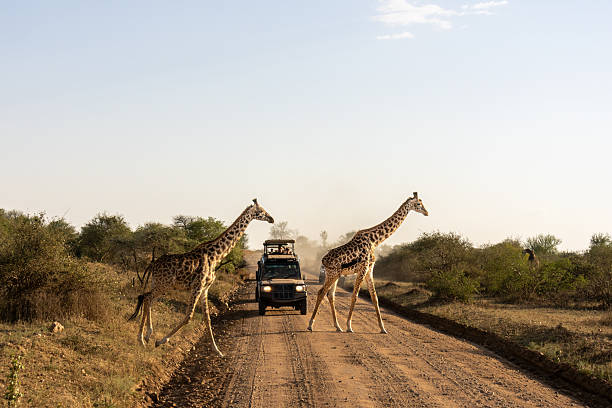
Discover Serengeti safari safety tips with Nabak Safaris and Tours. Learn wildlife safety rules, travel precautions, lodge safety, and expert advice for a safe Tanzania safari experience.
QUICK SUMMARY
A Serengeti safari safety guide is essential for anyone planning a trip to Tanzania’s famous national park. Serengeti is safe when proper guidelines are followed, but it is still a wild ecosystem with powerful animals and natural risks. This guide by Nabak Safaris and Tours explains everything travelers need to know about staying safe during game drives, lodge stays, and wildlife encounters.
UNDERSTANDING SERENGETI SAFARI SAFETY
A journey into Serengeti National Park is one of the most exciting travel experiences in the world. However, it is also a journey into a fully natural ecosystem where wild animals roam freely. This is why understanding Serengeti safari safety tips is extremely important for every traveler.
Unlike controlled environments such as zoos, Serengeti is a vast wilderness where lions, elephants, leopards, buffalo, and other wild animals live in their natural habitat. While safari tourism is highly organized and professionally managed, safety awareness is still essential.
At Nabak Safaris and Tours, we prioritize guest safety by providing experienced guides, well-maintained safari vehicles, and strict adherence to park regulations. Our goal is to ensure every Serengeti safari safety experience is both enjoyable and secure.
WHY SERENGETI SAFARI SAFETY IS IMPORTANT
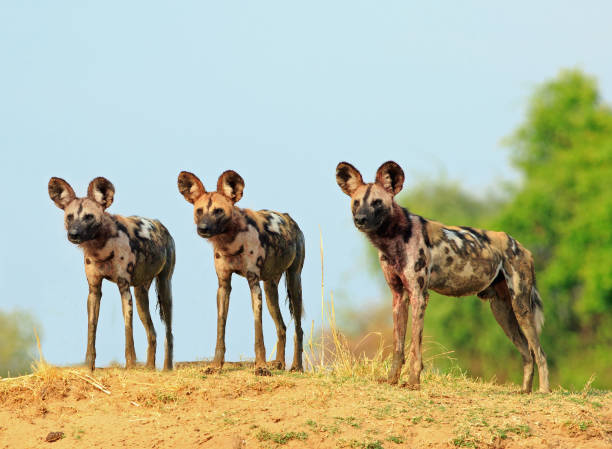
Safety in Serengeti is not about danger—it is about awareness and discipline. Most accidents in safari environments happen when visitors ignore basic safety rules.
A proper Serengeti safari safety guide ensures that travelers:
- Stay at safe distances from wildlife
- Follow guide instructions at all times
- Understand animal behavior
- Avoid risky movements inside the park
- Enjoy wildlife responsibly
Serengeti is safe when rules are followed, and thousands of tourists visit every year without incident.
HOW SAFE IS SERENGETI NATIONAL PARK?
Serengeti is considered one of the safest safari destinations in Africa. The park is managed by professional authorities and guided by strict conservation laws.
Key safety factors include:
- Professional safari guides on all tours
- Controlled safari vehicle routes
- Designated visitor areas
- Strict wildlife protection rules
- Emergency response systems
This makes Serengeti safari safety highly reliable for international travelers.
BASIC SERENGETI SAFARI SAFETY PRINCIPLES
Every traveler should understand the core safety principles of a Serengeti safari:
1. Stay Inside the Safari Vehicle
Wild animals see vehicles as neutral objects, but stepping out can be dangerous.
2. Follow Your Guide’s Instructions
Safari guides are trained in animal behavior and park safety rules.
3. Do Not Feed Wildlife
Feeding animals disrupts natural behavior and can create danger.
4. Maintain Distance from Animals
Even calm animals like elephants or lions can become unpredictable.
5. Avoid Loud Movements or Noise
Quiet behavior helps maintain safety and improves wildlife viewing.
These principles form the foundation of any Serengeti safari safety guide.
ROLE OF NABAK SAFARIS AND TOURS IN SAFETY
At Nabak Safaris and Tours, safety is a top priority in every safari package.
We provide:
- Professional and certified safari guides
- Well-maintained 4×4 safari vehicles
- Real-time wildlife tracking experience
- Safety briefings before every game drive
- Emergency communication systems
This ensures that every Serengeti safari safety experience is carefully managed and controlled.
COMMON SAFETY MISCONCEPTIONS ABOUT SERENGETI
Many travelers have wrong assumptions about safari safety:
Misconception 1: Safari is dangerous
Reality: Safari is safe when rules are followed.
Misconception 2: Animals attack vehicles
Reality: Wildlife usually ignores vehicles completely.
Misconception 3: Walking safaris are unsafe
Reality: Walking safaris are safe when guided by professionals.
Understanding these facts helps improve confidence during a Serengeti safari safety guide experience.
IMPORTANCE OF GUIDED SAFARIS
Guided safaris are essential for safety in Serengeti.
Professional guides:
- Understand animal behavior
- Know safe driving routes
- Identify potential risks early
- Ensure proper vehicle positioning
- Provide emergency support if needed
This is why Nabak Safaris and Tours always includes expert guides in all safari packages.
WILDLIFE SAFETY RULES, ANIMAL BEHAVIOR & GAME DRIVE PRECAUTIONS
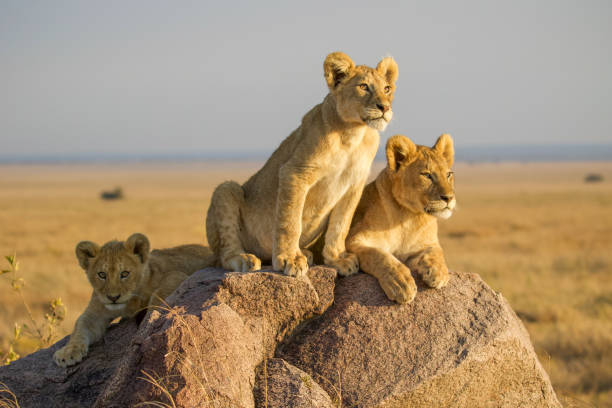
This section explains in detail how to behave safely around wildlife in Serengeti, how to understand animal behavior, and how to stay protected during game drives and lodge stays. The Serengeti safari safety tips here focus on real field situations, helping travelers avoid risks while fully enjoying their safari experience with guidance from Nabak Safaris and Tours.
SAFETY IN A WILD ECOSYSTEM
Understanding Serengeti safari safety tips requires more than general advice—it requires knowledge of real wildlife behavior. Serengeti is a natural ecosystem where animals live freely, hunt, migrate, and interact without human control.
This means safety is not about avoiding danger completely, but about understanding how to behave correctly in the presence of wild animals.
At Nabak Safaris and Tours, we train our guides and inform our clients before every game drive so that every Serengeti safari safety experience is controlled, predictable, and enjoyable.
UNDERSTANDING WILDLIFE BEHAVIOR IN SERENGETI
A key part of Serengeti safari safety tips is learning how animals behave.
1. Lions
- Usually calm when resting
- Become active during hunting at dawn and dusk
- Avoid approaching or disturbing them
- Never leave the safari vehicle near lions
2. Elephants
- Intelligent but can be highly protective
- Mothers are especially defensive with calves
- Sudden movements may trigger aggression
- Always maintain distance
3. Buffalo
- Considered one of the most unpredictable animals
- Can charge without warning
- Always observed from a safe distance
4. Leopards
- Naturally shy and elusive
- Usually stay in trees or hidden areas
- Do not attempt to follow them closely
5. Hippos
- Extremely dangerous on land
- Most aggressive at night near water areas
- Never approach riverbanks on foot
Understanding these behaviors is essential in any Serengeti safari safety guide.
RULES FOR SAFE WILDLIFE VIEWING
To ensure safety during safari activities, follow these rules:
1. Always Stay in the Vehicle
The safari vehicle acts as your safe zone. Exiting without permission is strictly prohibited.
2. Maintain Silence Near Wildlife
Noise can disturb animals and provoke unpredictable reactions.
3. Do Not Make Sudden Movements
Fast movements may attract attention from predators or large herbivores.
4. Do Not Attempt to Feed Animals
Feeding wildlife disrupts natural behavior and creates long-term risks.
5. Follow Guide Instructions Immediately
Safari guides are trained to interpret animal signals and ensure safety.
These rules are core principles in all Serengeti safari safety tips.
GAME DRIVE SAFETY PRECAUTIONS
Game drives are the most exciting part of a Serengeti safari, but they also require discipline.
Vehicle Safety Rules
- Keep hands and body inside the vehicle
- Do not stand without guide permission
- Always remain seated during movement
Photography Safety
- Use zoom lenses instead of leaning out
- Avoid changing seats while animals are close
- Secure camera equipment properly
Stop Safety
- Only stop where the guide allows
- Never open doors without instruction
- Avoid blocking animal pathways
At Nabak Safaris and Tours, every driver follows strict Serengeti safari safety guide protocols to ensure secure game drives.
SAFETY IN SERENGETI LODGES AND CAMPS
Wildlife often moves near lodges, so safety does not end after game drives.
1. Do Not Walk Alone at Night
Always request escort staff if moving after dark.
2. Keep Tent Doors Closed
Small animals and insects may enter if left open.
3. Listen to Night Alerts
Lodges sometimes warn guests about nearby wildlife movement.
4. Respect Camp Boundaries
Do not wander beyond designated safe areas.
These lodge rules are part of essential Serengeti safari safety tips.
HOW NABAK SAFARIS AND TOURS ENSURES SAFETY
Safety is not accidental—it is managed professionally.
At Nabak Safaris and Tours, we ensure:
- Experienced driver-guides trained in wildlife behavior
- Regular vehicle safety inspections
- Real-time communication between guides
- Emergency response awareness
- Controlled game drive planning
This ensures every Serengeti safari safety experience is carefully monitored from start to finish.
COMMON SAFETY MISTAKES TOURISTS MAKE
Many risks occur due to tourist behavior, not wildlife danger.
Mistake 1: Standing Up in the Vehicle
This can disturb animals and reduce vehicle stability.
Mistake 2: Ignoring Guide Instructions
Guides understand animal behavior better than tourists.
Mistake 3: Making Loud Noises
Noise can attract or scare animals unpredictably.
Mistake 4: Getting Too Close for Photos
This is dangerous and unnecessary due to zoom lenses.
Avoiding these mistakes is critical in any Serengeti safari safety guide.
EMERGENCY SAFETY AWARENESS
Although rare, emergencies can happen. Proper preparation includes:
- Knowing emergency contacts provided by guides
- Staying calm in unexpected wildlife encounters
- Following evacuation instructions immediately
- Trusting trained safari staff
At Nabak Safaris and Tours, all guides are trained to handle emergency situations professionally.
HEALTH SAFETY, TRANSPORT SAFETY & FIELD RISK MANAGEMENT IN SERENGETI
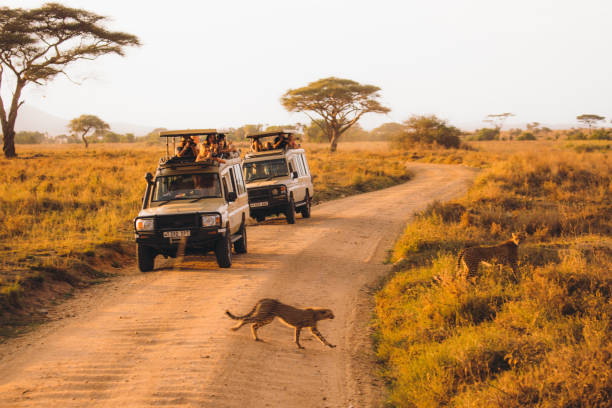
This section focuses on practical safety beyond wildlife interaction, including health precautions, safari vehicle safety, road conditions, weather risks, and emergency preparedness. The Serengeti safari safety tips here are designed to help travelers stay physically safe, healthy, and well-prepared throughout their journey with Nabak Safaris and Tours.
SAFETY BEYOND WILDLIFE IN SERENGETI
While most people think Serengeti safari safety tips only involve avoiding wild animals, real safari safety is much broader. It also includes health protection, transport safety, weather awareness, and preparation for long journeys in remote environments.
Serengeti is a vast ecosystem with limited medical facilities inside the park, rough terrain, and unpredictable weather conditions. This means proper preparation is essential for a safe experience.
At Nabak Safaris and Tours, we ensure that every traveler is fully briefed on safety protocols before entering the park, making every Serengeti safari safety experience smooth and secure.
HEALTH SAFETY DURING SERENGETI SAFARI
1. Vaccinations and Medical Preparation
Before traveling, visitors should consider recommended vaccinations such as:
- Yellow fever (required in many cases)
- Hepatitis A and B
- Typhoid protection
A proper Serengeti safari safety guide always includes medical preparation advice before travel.
2. Malaria Protection
Serengeti is a malaria-risk area, so travelers should:
- Use anti-malaria medication (doctor prescribed)
- Apply insect repellent regularly
- Wear long-sleeved clothing in evenings
- Sleep under mosquito-protected accommodations
Health safety is a key pillar in all Serengeti safari safety tips.
3. Drinking Water Safety
- Only drink bottled or filtered water
- Avoid tap water in remote safari areas
- Stay hydrated due to high temperatures
At Nabak Safaris and Tours, we provide safe drinking water throughout all safaris.
4. Food Safety
- Eat fully cooked meals only
- Avoid street food outside safari arrangements
- Choose trusted lodge dining options
Food hygiene is strictly managed in professional Serengeti safari safety guide operations.
TRANSPORT AND VEHICLE SAFETY IN SERENGETI
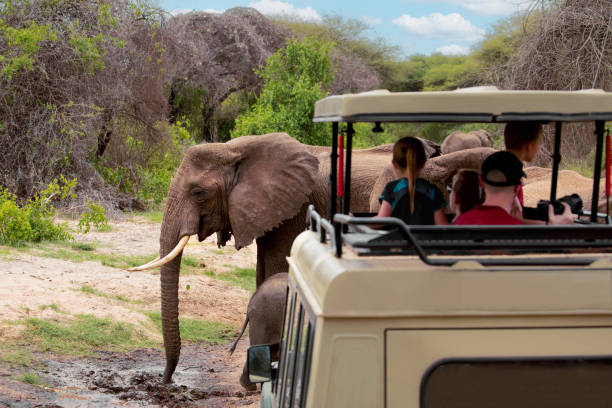
1. 4×4 Safari Vehicle Standards
All safari vehicles used by Nabak Safaris and Tours are:
- Fully insured and regularly maintained
- Equipped with pop-up roofs for safe viewing
- Designed for rough terrain driving
- Equipped with communication radios
Vehicle safety is central to Serengeti safari safety tips.
2. Road Conditions Inside Serengeti
- Roads are mostly unpaved and dusty
- Some areas become muddy during rainy season
- Wildlife may cross roads unexpectedly
This requires experienced drivers trained in defensive safari driving.
3. Seatbelt and Movement Rules
- Always wear seatbelts during movement
- Do not move inside the vehicle while driving
- Stay seated during wildlife sightings unless instructed
These rules are critical in every Serengeti safari safety guide experience.
4. Long Travel Distance Awareness
Serengeti is large, and game drives can last 6–10 hours per day.
Travelers should:
- Prepare for long sitting periods
- Carry snacks and water
- Take breaks when needed
WEATHER AND ENVIRONMENTAL SAFETY
1. Heat and Sun Exposure
Serengeti can be very hot during midday.
Safety tips include:
- Wearing hats and sunglasses
- Applying sunscreen regularly
- Staying hydrated
2. Rainy Season Challenges
During rainy months:
- Roads may become slippery
- Game drives may be slower
- Some areas may be inaccessible
A flexible itinerary is essential in Serengeti safari safety tips planning.
3. Dust Protection
Dust is common in dry season.
- Use face coverings
- Protect camera equipment
- Keep windows closed when necessary
EMERGENCY PREPAREDNESS IN SERENGETI
Even though emergencies are rare, preparation is essential.
1. Communication Systems
- Safari vehicles have radio communication
- Guides are connected with park authorities
- Emergency contact systems are active
2. Medical Response
- First aid kits are available in all safari vehicles
- Guides are trained in basic emergency response
- Nearest medical facilities are contacted if needed
3. Evacuation Procedures
In extreme cases:
- Guests are guided calmly to safe zones
- Park authorities coordinate rescue
- Tour operators handle logistics
At Nabak Safaris and Tours, emergency readiness is part of every Serengeti safari safety guide system.
RISK MANAGEMENT STRATEGIES FOR TRAVELERS
1. Travel Insurance
Highly recommended for all visitors.
2. Follow Itinerary Strictly
Do not change routes without guide approval.
3. Stay in Groups
Never wander alone during safari activities.
4. Listen to Professional Advice
Safari guides are trained risk managers in the field.
These strategies reduce risks significantly during a Serengeti safari safety experience.
ROLE OF NABAK SAFARIS AND TOURS IN SAFETY MANAGEMENT
At Nabak Safaris and Tours, safety is integrated into every stage of the safari:
- Pre-safari health briefing
- Professional driver-guides
- Well-maintained vehicles
- Real-time field communication
- Emergency preparedness planning
This ensures that all Serengeti safari safety tips are actively applied in real operations.
FINAL SAFETY CHECKLIST, FAQs, EXPERT ADVICE & CONCLUSION
This final section of the Serengeti safari safety tips guide provides a complete travel safety checklist, frequently asked questions, expert recommendations, and a final conclusion for safe safari planning. It ensures travelers are fully prepared physically, mentally, and practically before entering Serengeti National Park with Nabak Safaris and Tours.
FINAL PREPARATION FOR SERENGETI SAFARI SAFETY
After understanding wildlife behavior, transport safety, and health precautions, the final stage of a Serengeti safari safety guide is preparation and confirmation. Many safari risks are avoided simply through proper planning and awareness before arrival.
Serengeti is one of the safest safari destinations in Africa, but it is still a wild environment. This means safety depends on traveler discipline, guide expertise, and proper preparation.
At Nabak Safaris and Tours, we ensure every guest receives a complete safety briefing before the safari begins, making every Serengeti safari safety experience organized and stress-free.
COMPLETE SERENGETI SAFARI SAFETY CHECKLIST
1. DOCUMENTS AND TRAVEL PREPARATION
- Valid passport
- Visa for Tanzania
- Travel insurance
- Vaccination certificate (if required)
Proper documentation is the foundation of Serengeti safari safety tips.
2. HEALTH AND MEDICAL ITEMS
- Anti-malaria medication
- Basic first aid kit
- Personal prescription medicine
- Hand sanitizer
- Insect repellent
Health preparation ensures a smooth safari experience.
3. SAFARI CLOTHING AND EQUIPMENT
- Neutral-colored clothing (khaki, green, brown)
- Comfortable walking shoes
- Hat and sunglasses
- Lightweight jacket for mornings
- Binoculars for wildlife viewing
These items support both comfort and safety.
4. CAMERA AND ELECTRONICS SAFETY
- Protective camera bags
- Dust-proof covers
- Extra batteries
- Power bank
- Memory cards
Protecting equipment is part of modern Serengeti safari safety tips.
5. BEHAVIOR SAFETY RULES
- Stay inside the safari vehicle
- Follow guide instructions
- Avoid loud noise
- Do not feed animals
- Respect wildlife distance
These rules are essential in every Serengeti safari safety guide experience.
FREQUENTLY ASKED QUESTIONS (FAQS)
1. Is Serengeti safe for tourists?
Yes, Serengeti is very safe when following professional guidance. Thousands of tourists visit annually without issues.
2. What is the biggest safety risk in Serengeti?
The biggest risk is ignoring safari rules, not wildlife itself.
3. Can I walk in Serengeti National Park?
Walking is only allowed in designated areas with armed rangers or guides.
4. Are safari vehicles safe?
Yes, especially those used by Nabak Safaris and Tours, which are regularly inspected and equipped for safety.
5. What should I do if I see dangerous wildlife close?
Remain calm, stay in the vehicle, and follow your guide’s instructions immediately.
6. Do I need travel insurance for Serengeti?
Yes, it is highly recommended for all safari travelers.
EXPERT SAFETY RECOMMENDATIONS
Based on field experience, Nabak Safaris and Tours recommends:
- Always travel with licensed safari operators
- Respect wildlife at all times
- Avoid unnecessary movements during game drives
- Keep emergency contacts available
- Prepare mentally for long safari hours
These are the most important Serengeti safari safety tips for a successful trip.
WHY NABAK SAFARIS AND TOURS IS TRUSTED FOR SAFETY
Safety is not optional—it is a standard at Nabak Safaris and Tours.
We ensure:
- Experienced and certified safari guides
- Safe and well-maintained safari vehicles
- Real-time wildlife awareness systems
- Clear safety briefings before every trip
- Emergency readiness protocols
This makes every Serengeti safari safety experience professional and reliable.
FINAL CONCLUSION
Understanding Serengeti safari safety tips is essential for anyone planning a safari in Tanzania. Serengeti is not a dangerous place—it is a well-managed wildlife ecosystem where safety depends on awareness, discipline, and professional guidance.
From wildlife behavior and health precautions to transport safety and emergency readiness, every aspect of safari travel plays a role in ensuring a secure experience.
With Nabak Safaris and Tours, travelers are fully supported from arrival to departure, ensuring a safe, enjoyable, and unforgettable Serengeti adventure.
A well-prepared traveler does not just see Serengeti—they experience it safely, confidently, and meaningfully.
About the Author
